MetaVirus病毒全基因组探针捕获NGS检测服务

Search documents
尼帕病毒热点,救不了业绩的“场”
虎嗅APP· 2026-01-29 10:16
Core Viewpoint - The recent outbreak of Nipah virus in West Bengal, India, has led to significant market reactions, particularly in vaccine and diagnostic testing sectors, but the initial enthusiasm has waned as the actual impact on China appears minimal [2][5][26]. Group 1: Nipah Virus Overview - Nipah virus is not new; it was first identified in 1998 in Malaysia and has since been reported in several countries, including India and Bangladesh [7]. - The virus is primarily carried by fruit bats and can be transmitted to humans through contaminated food or direct contact with infected animals, with a high fatality rate exceeding 40% [7]. - The World Health Organization (WHO) classifies Nipah virus as a high-priority pathogen due to its severe health risks and lack of effective treatments or vaccines [7][8]. Group 2: Market Reactions - Following the outbreak news, A-share markets saw significant movements in vaccine and diagnostic testing stocks, with several companies experiencing price surges [3][4]. - However, as the Chinese health authorities confirmed no cases of Nipah virus within the country, the related stocks experienced substantial corrections [5][11]. Group 3: Industry Performance - The medical testing industry, which had thrived during the COVID-19 pandemic, is now facing significant performance pressures as demand for testing declines [15]. - Companies like Da An Gene, Saint Shine, and others that previously reported strong earnings are now forecasting losses for 2025, indicating ongoing financial strain [16][18]. - The vaccine sector is also under pressure, with many companies reporting losses and declining revenues due to intense competition and market saturation [19][20]. Group 4: Company-Specific Insights - Companies such as Cap Bio and Zhi Jiang Bio, which have developed Nipah virus testing products, have not reported significant new orders, suggesting limited market impact from the outbreak [18]. - The vaccine market is characterized by fierce competition, with companies like Zhifei Biological and Watson Bio facing challenges in maintaining profitability amid price wars and declining demand for core products [21][24]. - The overall sentiment in the market indicates that while the Nipah virus has raised awareness, it is unlikely to provide a sustainable boost to the financial performance of the medical testing and vaccine sectors [26].

死亡率最高达75%!印度现尼帕病毒疫情,A股概念股大涨,多家企业紧急回应
2 1 Shi Ji Jing Ji Bao Dao· 2026-01-26 15:21
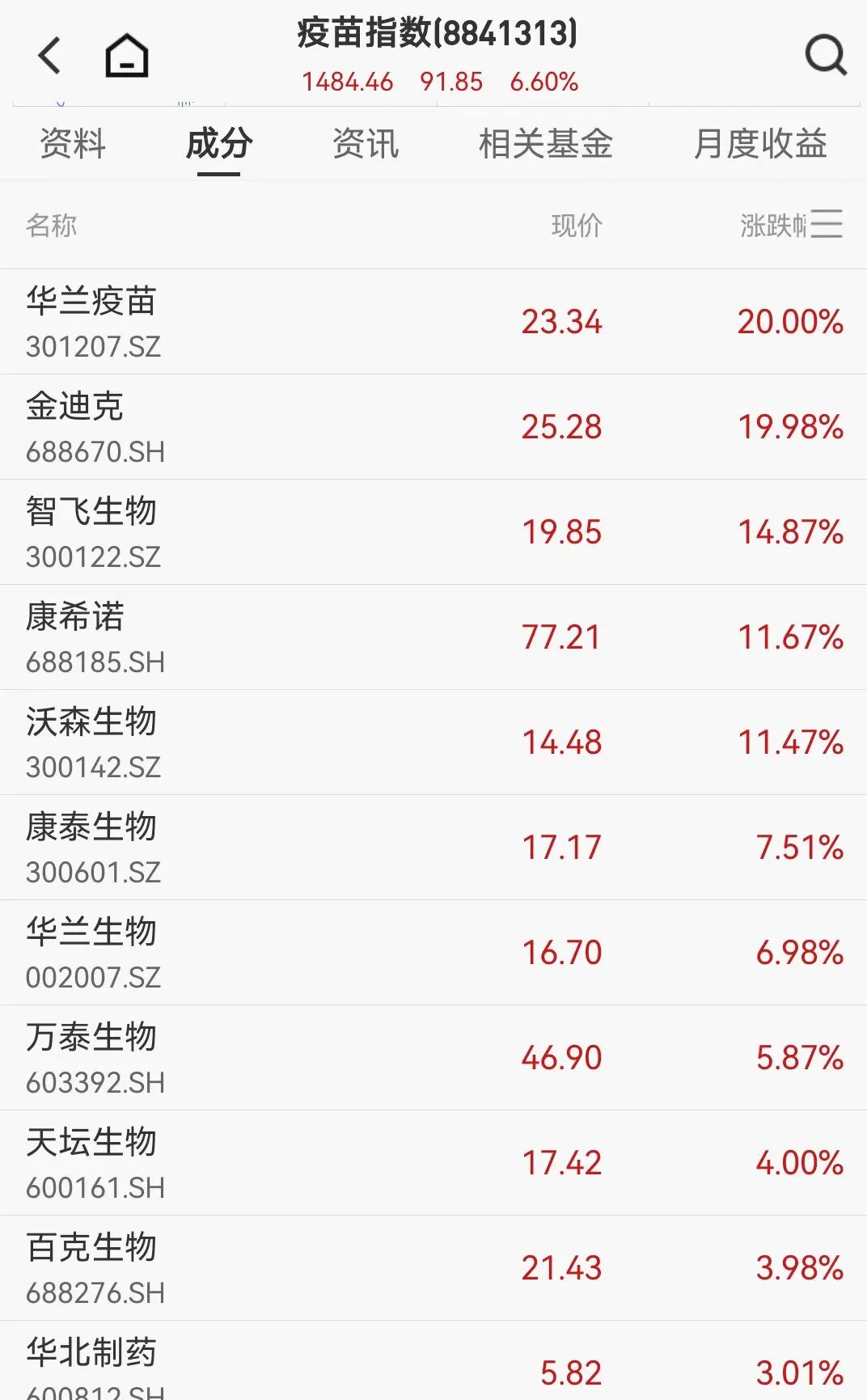
Group 1 - The recent outbreak of Nipah virus in West Bengal, India, has led to 5 confirmed cases, with one patient in critical condition, prompting enhanced preventive measures in neighboring countries like Thailand and Nepal [1] - Nearly 100 individuals have been placed under home quarantine, and infected patients are receiving treatment in hospitals in Kolkata and surrounding areas [1] - The Nipah virus is a zoonotic virus that can be transmitted from infected animals to humans, with symptoms including acute respiratory infections and potentially fatal encephalitis, and there is currently no approved vaccine or specific treatment available [1][4] Group 2 - The stock prices of vaccine and in vitro diagnostic (IVD) sectors surged following the news, with companies like Hualan Biological (301207) and Jindike experiencing significant gains, reaching their daily limit [1][2] - The vaccine index rose by 6.60%, with notable increases in stock prices for companies such as Hualan Vaccine (20.00%), Jindike (19.98%), and Zhifei Biological (14.87%) [2] - The market response indicates a heightened interest in companies involved in vaccine development and diagnostic testing related to the Nipah virus [1][8] Group 3 - Nipah virus is classified as a high-pathogenicity pathogen with a mortality rate ranging from 40% to 75%, and it has been recognized as a significant public health threat for over 25 years [3][5] - The virus's natural reservoir is fruit bats, which can transmit the virus through contaminated food or environments, and outbreaks have primarily occurred in South and Southeast Asia [3][5] - Current detection methods include antibody and nucleic acid testing, with companies like Zhijiang Biological and Daan Gene developing specific test kits for Nipah virus detection [6][7] Group 4 - Companies are actively developing testing solutions, with Zhijiang Biological's Nipah virus PCR test kit achieving high sensitivity and rapid results, and Daan Gene's kit also showing promising detection capabilities [7] - Research into vaccines for Nipah virus is ongoing, with some candidates entering clinical trials, and monoclonal antibodies showing potential in compassionate use [8] - The stock prices of companies involved in vaccine development, such as Watson Bio, Zhifei Bio, and Hualan Vaccine, have seen increases, reflecting investor optimism regarding potential solutions to the Nipah virus threat [8]