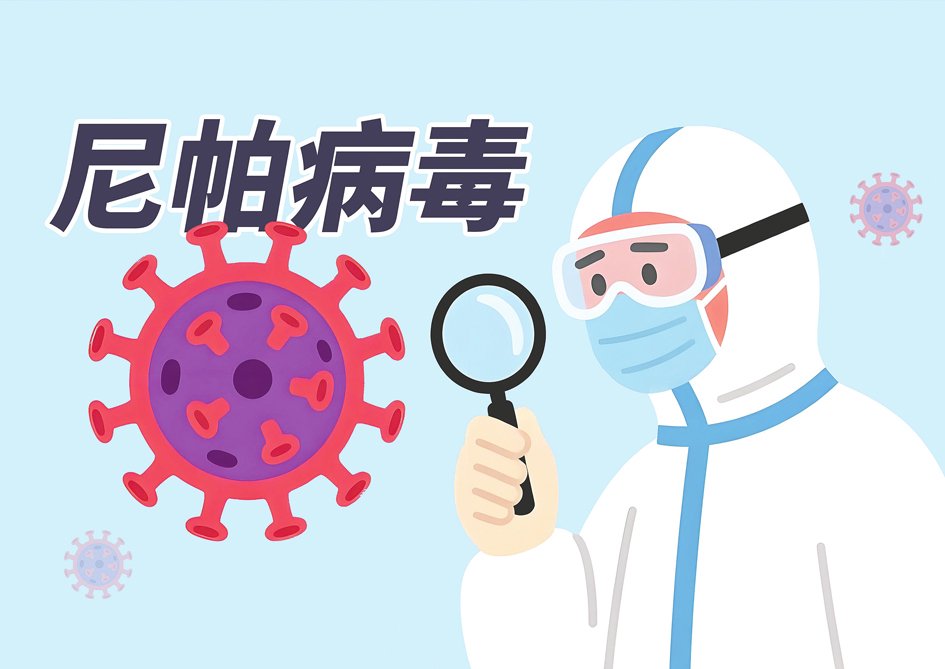
尼帕病毒核酸检测试剂盒

Search documents
尼帕病毒热点,救不了业绩的“场”
虎嗅APP· 2026-01-29 10:16
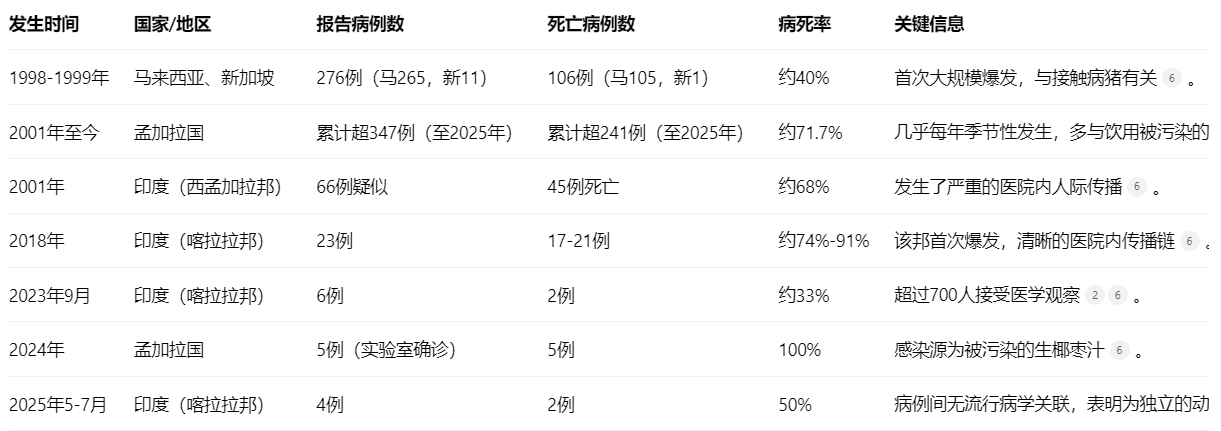
Core Viewpoint - The recent outbreak of Nipah virus in West Bengal, India, has led to significant market reactions, particularly in vaccine and diagnostic testing sectors, but the initial enthusiasm has waned as the actual impact on China appears minimal [2][5][26]. Group 1: Nipah Virus Overview - Nipah virus is not new; it was first identified in 1998 in Malaysia and has since been reported in several countries, including India and Bangladesh [7]. - The virus is primarily carried by fruit bats and can be transmitted to humans through contaminated food or direct contact with infected animals, with a high fatality rate exceeding 40% [7]. - The World Health Organization (WHO) classifies Nipah virus as a high-priority pathogen due to its severe health risks and lack of effective treatments or vaccines [7][8]. Group 2: Market Reactions - Following the outbreak news, A-share markets saw significant movements in vaccine and diagnostic testing stocks, with several companies experiencing price surges [3][4]. - However, as the Chinese health authorities confirmed no cases of Nipah virus within the country, the related stocks experienced substantial corrections [5][11]. Group 3: Industry Performance - The medical testing industry, which had thrived during the COVID-19 pandemic, is now facing significant performance pressures as demand for testing declines [15]. - Companies like Da An Gene, Saint Shine, and others that previously reported strong earnings are now forecasting losses for 2025, indicating ongoing financial strain [16][18]. - The vaccine sector is also under pressure, with many companies reporting losses and declining revenues due to intense competition and market saturation [19][20]. Group 4: Company-Specific Insights - Companies such as Cap Bio and Zhi Jiang Bio, which have developed Nipah virus testing products, have not reported significant new orders, suggesting limited market impact from the outbreak [18]. - The vaccine market is characterized by fierce competition, with companies like Zhifei Biological and Watson Bio facing challenges in maintaining profitability amid price wars and declining demand for core products [21][24]. - The overall sentiment in the market indicates that while the Nipah virus has raised awareness, it is unlikely to provide a sustainable boost to the financial performance of the medical testing and vaccine sectors [26].

印度尼帕病毒点燃IVD“一日狂欢”:短炒退潮后,赛道真需求在哪?丨行业风向标
Tai Mei Ti A P P· 2026-01-29 06:30
Group 1 - The Nipah virus outbreak in West Bengal, India, has reported 5 confirmed cases, with a high fatality rate of 40%-75% and no approved vaccines or treatments available globally [2][10] - The outbreak has triggered a short-lived surge in the In Vitro Diagnostics (IVD) sector in the A-share market, with significant stock price increases for companies like Cap Bio and Zhijiang Bio on January 26, followed by a rapid decline [4][12] - The IVD industry's response to the outbreak reflects a short-term reaction pattern to public health events, indicating a need to shift focus from sporadic events to long-term value driven by policy support, growing health service demand, and technological upgrades [6][15] Group 2 - The high mortality rate of the Nipah virus and the absence of specific vaccines and effective therapies have become emotional anchors for market reactions [7] - The IVD sector's core companies have seen significant price adjustments, with many stocks down over 70% from their historical highs during the COVID-19 pandemic, leading to a perception of "low valuation + oversold" conditions [7][13] - The actual demand for testing related to the Nipah virus is insufficient to sustain prolonged stock price increases, as the virus has a low transmission efficiency and primarily causes localized outbreaks [13][19] Group 3 - The IVD industry is currently experiencing a transformation phase, moving away from reliance on sporadic pandemics to a focus on regular diagnostic needs driven by an aging population and increased health awareness [19][20] - The market for medical testing in China is projected to grow from 17.97 billion yuan in 2018 to 71.92 billion yuan by 2027, with a compound annual growth rate of 19.1% [19] - Policy support, such as the "14th Five-Year Plan for National Health," aims to enhance the medical testing industry, providing a framework for technological innovation and industry upgrades [19][20]



尼帕病毒热点,救不了业绩的“场”
Hu Xiu· 2026-01-29 04:07
Group 1 - The Nipah virus outbreak in West Bengal, India has led to confirmed cases and significant market reactions, particularly in vaccine and diagnostic sectors, with several stocks experiencing price surges [1][2] - The Nipah virus, first identified in 1998, has a high fatality rate exceeding 40% and lacks effective treatments, which raises public health concerns and market volatility [2][3] - Despite initial market enthusiasm, the lack of confirmed cases in China and the limited geographical impact of the outbreak have resulted in a significant stock price correction for related companies [1][4] Group 2 - Companies like Capbio, Zhijiang Bio, and others have developed Nipah virus testing products, but the overall demand for testing has not increased significantly due to the outbreak, leading to continued financial pressure on these firms [4][10] - The medical testing industry, previously buoyed by COVID-19 testing, is now facing declining revenues as demand decreases, with many companies reporting substantial losses [9][10] - The vaccine sector is also under pressure, with companies like Zhifei and Watson facing intense competition and declining sales, leading to significant financial challenges [15][20] Group 3 - The overall performance of companies in the vaccine and diagnostic sectors is expected to remain under pressure due to economic cycles, increased competition, and regulatory changes affecting pricing and profitability [12][20] - The Nipah virus outbreak has not translated into increased orders for testing products from domestic companies, indicating a lack of substantial market opportunity arising from the situation [12][22] - Investors are advised to be cautious, as the Nipah virus may not provide the expected boost to the performance of the medical testing and vaccine industries, which are already struggling with profitability [22]


多家上市公司回应尼帕病毒防控产品布局情况
Shang Hai Zheng Quan Bao· 2026-01-28 18:38
Group 1: Nipah Virus Outbreak in India - The recent Nipah virus outbreak in West Bengal, India, has led to 5 confirmed cases, including healthcare workers [1] - Nipah virus is a zoonotic virus that can be transmitted from infected animals to humans, with symptoms including acute respiratory infection and fatal encephalitis [1] Group 2: Company Responses and Developments - Wanfu Bio has launched various Nipah virus nucleic acid test kits, adaptable to their U-CardDx 200 platform and other PCR systems, to meet screening and detection needs [1] - Shengxiang Bio has developed a Nipah virus nucleic acid test kit based on fluorescence PCR technology, with CE certification and a focus on rapid response to public health events [2] - Capbio emphasizes the importance of their Nipah virus test kit for global quarantine and disease control efforts, highlighting its precise detection capabilities [2] - Zhijiang Bio's Nipah virus PCR test kit offers higher sensitivity and accuracy, aiming to shorten the diagnosis window [2] - Da'an Gene has created a Nipah virus nucleic acid test kit with a sensitivity of 200 copies/mL, reducing the risk of false negatives [2] Group 3: Research on Treatment - Research teams from the Wuhan Institute of Virology and Shanghai Institute of Materia Medica have confirmed that the oral nucleoside drug VV116 shows significant antiviral activity against Nipah virus [3] Group 4: Clarifications from Companies - Hualan Biological has clarified that it does not have any products related to Nipah virus, focusing instead on human vaccine manufacturing for influenza [4] - Companies such as Jindike, Yirui Bio, and Renhe Pharmaceutical have publicly stated they do not have any Nipah virus-related products [4]




新浪财经资讯AI速递:昨夜今晨财经热点一览 丨2026年1月28日
Xin Lang Cai Jing· 2026-01-27 23:08
Group 1: Gold Investment Insights - Financial expert Li Bei has liquidated her gold holdings, stating that gold is not worth investing in for the next 10 to 20 years due to a reversal in central bank buying logic and high valuation, leading to high opportunity costs [1] - The appreciation of the RMB may lead to a decline in RMB-denominated gold prices, further supporting her stance [1] - Li's views have sparked debate, with some arguing she may miss out on recent price increases, while others question her reasoning [1] Group 2: Precious Metals Fund Activity - E Fund's gold-themed LOF and Guotou Silver LOF announced a suspension of A-class share subscriptions and regular investment services starting January 28 to protect investor interests and maintain fund stability [2] - The recent surge in precious metal prices has led to high trading prices and premium rates in the secondary market, but signs of short-term price corrections are emerging [2] - Industry insiders caution that the current market sentiment is driven by emotions, advising investors to remain rational and avoid chasing high prices [2] Group 3: Dollar Index Decline - The US dollar index has fallen to a nearly four-year low, influenced by market speculation of potential US-Japan currency intervention and structural risks within the dollar itself [3] - Concerns over the politicization of the Federal Reserve, expanding fiscal deficits, and policy uncertainty have led investors to short the dollar [3] - Record costs for hedging against dollar depreciation risks and increased trading volumes indicate that devaluation has become a mainstream trading expectation [3] Group 4: Student Housing Investment Surge - The Hong Kong government has increased enrollment quotas for non-local students, driving a surge in demand for student housing, with a shortfall of over 70,000 beds [4] - Capital is rapidly flowing into the sector, with various domestic and foreign institutions acquiring hotels and converting them into student dormitories, providing stable rental income and high occupancy rates [4] - The market outlook remains strong for the coming years, with low short-term risks of oversupply [4] Group 5: Corporate Developments - Vanke's two bond extension proposals received 100% approval, with plans to repay 40% of principal and interest while extending the remaining 60% for one year [5] - The company's largest shareholder, Shenzhen Metro Group, announced a loan of up to 2.36 billion yuan to support liquidity and repay public market bond principal and interest [5] - ST Joy's expected first net loss since listing in 2025 is attributed to operational pressures, investment losses, and increased non-recurring expenses, prompting a strategic shift towards focusing on niche markets [6] Group 6: Semiconductor Price Increases - The semiconductor industry is experiencing a price surge across the entire supply chain, with companies like Zhongwei Semiconductor announcing price increases of 15% to 50% due to tight chip supplies and rising costs [10] - Previous announcements from Guokai Micro indicate price hikes of up to 80%, driven by significant increases in raw material costs such as silver and copper [10] - The pressure from rising costs is now affecting passive components like capacitors and resistors [10] Group 7: Macro Prudential Management - The People's Bank of China held a macro prudential work meeting to summarize and deploy related tasks, emphasizing the importance of macro prudential management in preventing systemic financial risks and maintaining financial stability [9] - The meeting outlined plans to strengthen the central bank's macro prudential management functions, improve work mechanisms, and expand policy coverage [9] - The goal is to proactively assess risks and innovate policy tools to support the stability of the financial system and the construction of a financial powerhouse [9]
尼帕病毒疫情引关注 多家A股公司快速开发检测方案
Zheng Quan Ri Bao Zhi Sheng· 2026-01-27 16:38
Group 1 - Recent cases of Nipah virus infection have been reported in West Bengal, India, prompting countries like Thailand and Nepal to enhance preventive measures at airports and border checkpoints [1] - The World Health Organization recognizes Nipah virus as a significant global public health challenge due to its long incubation period, ability to infect various animals and humans, and high fatality rate [1] - Several Chinese gene testing companies have quickly responded to the outbreak by developing testing solutions, showcasing their technological capabilities and emergency response abilities [1] Group 2 - Guangzhou Kingmed Diagnostics Group Co., Ltd. has developed a MetaVirus NGS detection service for precise detection and analysis of Nipah virus and other pathogens, providing reports within 19 hours from sample entry [2] - Beijing Bohui Innovation Biotechnology Group has created a Nipah virus nucleic acid testing kit, utilizing the BHQ-Ⅲ automated nucleic acid analysis system to ensure safety and reduce operational risks [2] - Capbio has independently developed a Nipah virus nucleic acid testing kit, focusing on emergency responses to public health events and providing core technical support for global quarantine and disease control monitoring [1][2]


尼帕病毒“扰动” 相关板块大涨 多家公司回应
Zhong Guo Ji Jin Bao· 2026-01-27 14:54
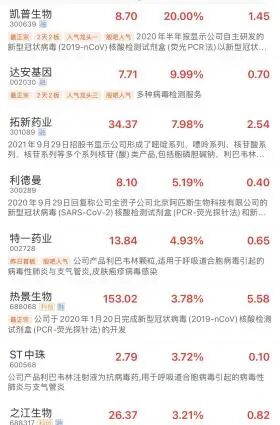
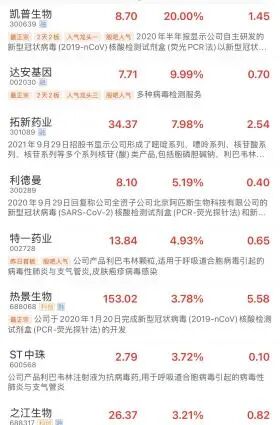
Group 1 - The Nipah virus outbreak in India has led to increased attention on related concept stocks, with several companies responding urgently to the situation [1] - Companies such as Capbio and Daan Gene have reported significant stock price increases, with Capbio rising by 20% and Daan Gene by 9.99% as of January 27 [2] - Various A-share listed companies are disclosing their technology and product layouts related to Nipah virus testing, including Wanfu Bio and Shengxiang Bio, which have developed specific testing kits [3][4] Group 2 - Capbio has developed a Nipah virus nucleic acid testing kit using fluorescence PCR technology, providing essential support for global quarantine and disease control monitoring [4] - Wanfu Bio has launched different product forms of the Nipah virus nucleic acid testing kit, compatible with its molecular POCT platform and other PCR systems [3] - Some companies, such as Hualan Biological and others, have clarified that they do not have any business related to Nipah virus vaccines or products [5][6]

尼帕病毒“扰动”,相关板块大涨,多家公司回应
Zhong Guo Ji Jin Bao· 2026-01-27 14:49
Group 1 - The Nipah virus outbreak in India has raised concerns, particularly in West Bengal, but its impact on China is considered minimal as no cases have been reported in the country [1] - The market has shown increased interest in stocks related to virus prevention and diagnostics, with companies like Capbio and Da'an Gene experiencing significant stock price increases [1] - The Nipah virus has a transmission period of 3 to 14 days, with initial symptoms resembling influenza, making early detection crucial for effective intervention [1] Group 2 - Several A-share listed companies have announced their developments in Nipah virus detection technologies, including Wanfu Bio and Shengxiang Bio, which have launched various testing kits [3][5] - Capbio has developed a Nipah virus nucleic acid detection kit, providing essential support for global quarantine and disease control monitoring [5] - Some companies, such as Hualan Vaccine and Yirui Bio, have clarified that they do not have any products related to Nipah virus prevention or treatment [5][6]


尼帕病毒“扰动”,相关板块大涨,多家公司回应
中国基金报· 2026-01-27 14:39
Group 1 - The Nipah virus outbreak in India has raised attention, particularly in the stock market, with related concept stocks experiencing significant gains. Companies like Capbio and Da'an Gene have seen consecutive price increases [2] - The Nipah virus primarily spreads through direct contact with infected animals, patients, and contaminated materials, with a low survival rate in the environment. The outbreak is mainly concentrated in West Bengal, India, which does not border China, minimizing the impact on China [2] - Early detection of the Nipah virus is crucial for clinical intervention and public health measures, as the incubation period ranges from 3 to 14 days, and initial symptoms resemble those of influenza [2] Group 2 - Several A-share listed companies have disclosed their technology and product layouts related to Nipah virus testing. For instance, Wanfu Bio has launched various forms of Nipah virus nucleic acid test kits compatible with their molecular POCT platform [4] - Shengxiang Bio has actively engaged with local health authorities in India to address the outbreak, developing corresponding detection solutions based on their fluorescence PCR technology [4] - Capbio has developed a nucleic acid test kit for the Nipah virus, providing essential technical support for global quarantine and disease control monitoring [6] Group 3 - Some A-share companies have clarified their positions regarding the Nipah virus, stating they do not have relevant business layouts. For example, Hualan Biological announced that it primarily manufactures human vaccines and does not have products for Nipah virus prevention [7] - Other companies like Yirui Bio, Renhe Pharmaceutical, and CanSino have also confirmed through investor interactions that they do not have related products [7]

致死率最高达75%,印度现尼帕病毒疫情 我国多家上市公司称已有国产检测试剂
Mei Ri Jing Ji Xin Wen· 2026-01-27 13:11
Group 1 - The Nipah virus, classified as a high-priority pathogen by the World Health Organization, has recently caused a new outbreak in West Bengal, India, with a mortality rate ranging from 40% to 75% [1][5] - As of now, there are 5 confirmed cases in West Bengal, with nearly 100 individuals under home quarantine [1] - The outbreak has affected travel plans, with some Chinese tourists canceling trips to Southeast Asia, and health monitoring measures have been intensified at Phuket International Airport for incoming Indian tourists [1][5] Group 2 - Experts indicate that while the risk of the Nipah virus entering China exists, it is currently considered manageable [3][8] - Preventive measures are emphasized, including avoiding contact with bats and pigs, and ensuring food safety [9][8] - Domestic companies have developed testing kits to assist in monitoring and controlling the outbreak, with firms like Shuoshi Biological and Cap Bio providing nucleic acid testing solutions [10][11] Group 3 - The development of targeted drugs and vaccines for the Nipah virus is challenging due to the virus's high danger level and the need for advanced laboratory conditions for research [11] - The sporadic nature of Nipah virus outbreaks complicates the accumulation of clinical trial data necessary for vaccine and drug validation [11] - Potential treatments, such as Favipiravir, have shown some efficacy against the Nipah virus in animal studies and are included in China's treatment guidelines for RNA virus infections [11]