
NSX

Search documents
宾尼法利纳“复活”本田传奇跑车 NSX:保留经典翻灯,还有全碳纤维车身
Xin Lang Cai Jing· 2025-12-04 11:29
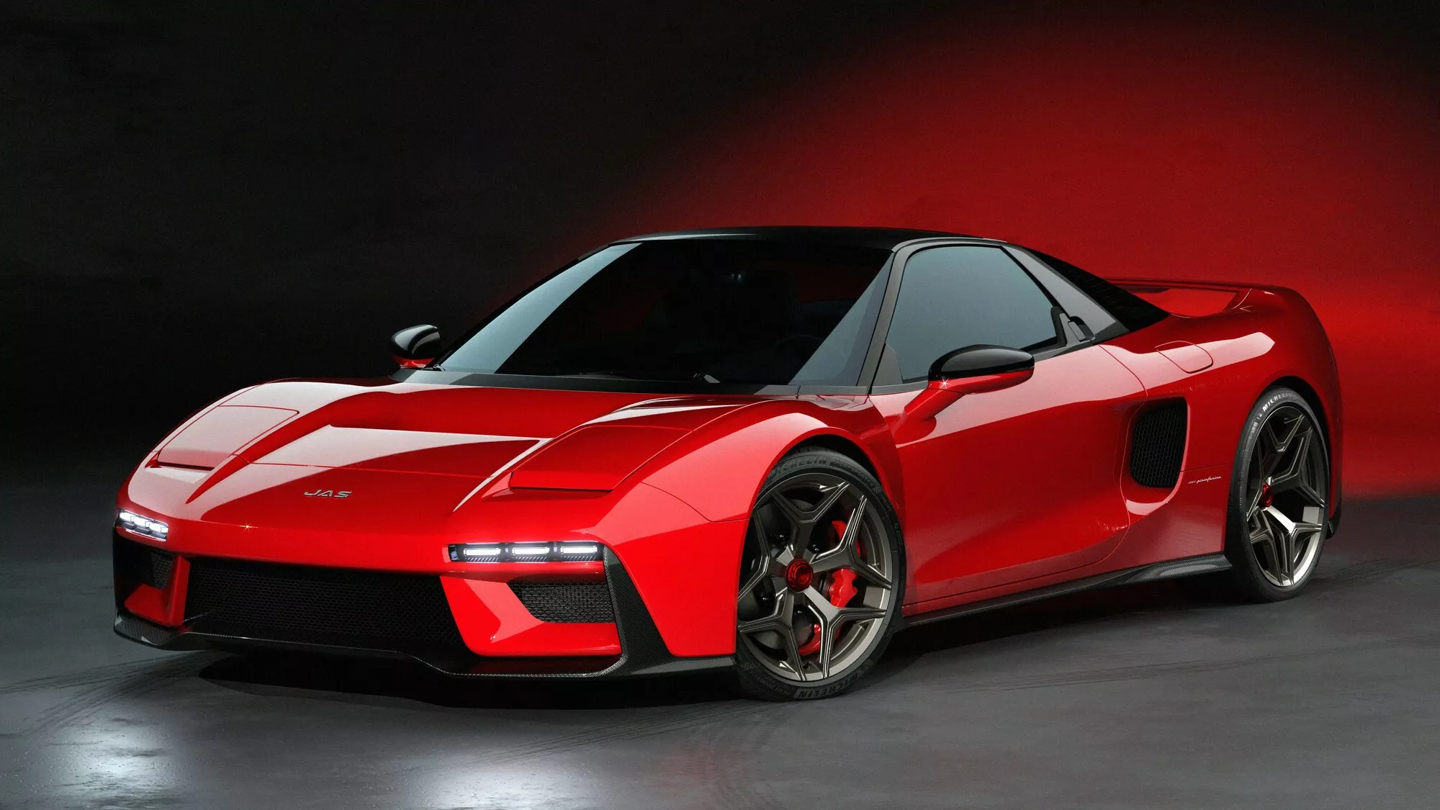
Core Viewpoint - The collaboration between Pininfarina and JAS Motorsport aims to reinterpret the iconic NSX, with the first teaser images of the new model released on December 3, 2023 [1][7]. Design and Features - The new vehicle retains classic features of the original NSX, such as the black cockpit, pop-up headlights, and the curved rear wing and taillight layout, while updating outdated details for a more powerful overall presence [6][12]. - It features a full carbon fiber body with more muscular lines, enlarged air intakes on the rear fenders, and additional cooling vents on the front hood similar to the original NSX-R [6][12]. - The new design improves proportions, addressing the original NSX's narrow rear track and long tail, resulting in a more balanced appearance [6][12]. - The car will carry the JAS badge instead of the Honda logo to avoid brand licensing issues [6][12]. Performance and Specifications - The new model is positioned for road use rather than extreme lightweight racing, featuring a tuned Honda V6 engine expected to exceed the original model's output of 201 kW [6][12]. - It will come with a six-speed manual transmission and will be available in both left-hand and right-hand drive versions, although production numbers and pricing have not yet been disclosed [6][12]. Release Timeline - Pininfarina plans to officially launch the new vehicle in the first half of 2026 [7][12]. - The upcoming year is expected to be exciting for NSX fans, as another design studio, Italdesign, is also previewing its own NSX "remake," which will feature a roof air intake similar to the NSX-R GT [7].


神车停产,又一汽车巨头扛不住了
投中网· 2025-09-04 05:25
Core Viewpoint - The article highlights the decline of traditional Japanese automotive brands, exemplified by the discontinuation of Nissan's GT-R, while emphasizing the rapid growth and dominance of Chinese electric vehicle manufacturers in the market [6][9][17]. Group 1: Decline of Traditional Brands - Nissan's GT-R, a legendary model, has officially ceased production after 18 years, marking the end of an era for traditional high-performance gasoline vehicles [11][12]. - The decline in performance and sales of Japanese automakers is evident, with Nissan reporting a net loss of 115.76 billion yen and a 10% drop in global sales [12][16]. - Other Japanese brands like Mitsubishi and Subaru have also faced similar fates, with iconic models being discontinued due to the shift towards electric vehicles [13][16]. Group 2: Rise of Chinese Electric Vehicles - In contrast, China's new energy vehicle sales surged by 35.5% year-on-year, reaching 12.866 million units, maintaining its position as the world's largest market for ten consecutive years [8][9]. - Chinese brands accounted for 68.6% of passenger car sales in the first seven months of 2025, with a notable increase in domestic sales [8][17]. - Companies like BYD and Leap Motor have reported significant growth in sales, with BYD selling 373,600 vehicles in August alone, marking a 146.4% increase year-on-year [18][20]. Group 3: Market Dynamics and Future Outlook - The automotive market is undergoing a significant transformation, with traditional gasoline vehicles losing ground to electric and smart vehicles, leading to a "mid-life crisis" for many established brands [17][18]. - The shift towards electric vehicles is not just a trend but a necessity for survival, as companies like Volvo and Mercedes-Benz pivot their strategies to adapt to the new market realities [18]. - The competition among new energy vehicle manufacturers is intensifying, with a focus on product quality and profitability rather than merely increasing production [24][28].




最后一台下线,日产GT-R传奇跑车落幕
Zhong Guo Qi Che Bao Wang· 2025-09-01 00:11
Core Viewpoint - The Nissan R35 GT-R, a legendary sports car with an 18-year lifespan, has officially ceased production due to rising development costs driven by stricter environmental and safety regulations [1][6][7]. Group 1: Historical Significance of GT-R - The GT-R series, originating from the Prince Motor Company in the mid-20th century, has a rich history, with the first GT-R model debuting in 1969 and achieving significant racing success [3][4]. - The R35 GT-R, launched in 2007, has seen production of approximately 48,000 units, with over 17,000 sold in Japan [4][6]. Group 2: Rising Costs and Market Challenges - The development costs for the R35 GT-R have nearly doubled, with the base model's price increasing from 7.77 million yen to 14.44 million yen due to regulatory changes [6][9]. - Nissan is currently undergoing a restructuring phase, facing a net loss of 115.7 billion yen for the April-June 2025 quarter and a total loss of 670.9 billion yen for the 2024 fiscal year [9][10]. Group 3: Industry Trends and Future Outlook - The automotive industry is experiencing a challenging environment for sports car development, with several manufacturers, including Mitsubishi and Subaru, also halting production of their performance models [10]. - Nissan's leadership is focused on cost reduction and improving product competitiveness, with plans to cut 500 billion yen in costs by the 2026 fiscal year [9][10].
