
Nexprint

Search documents
拓竹和泡泡玛特和解,免费打印大牌IP的日子正在倒计时
36氪· 2026-03-26 13:46
Core Viewpoint - The 3D printing industry is transitioning from hardware competition to content competition, with intellectual property (IP) becoming a critical factor for success in the market [4][11]. Group 1: Industry Challenges - After years of rapid growth, the 3D printing sector is now facing significant IP infringement issues, highlighted by the recent settlement between Bambu Lab and Pop Mart over unauthorized models [5][6]. - The consumer-grade 3D printing industry has reached a consensus that strong hardware specifications are merely entry points, while a robust community ecosystem is essential for long-term success [6][11]. - Bambu Lab's MakerWorld platform has become the largest 3D model community globally, boasting over 10 million monthly active users and more than 1 million 3D models [6][19]. Group 2: Legal and IP Risks - Hardware manufacturers operating 3D model communities face high legal responsibilities for user-uploaded infringing content, especially from major copyright holders like Disney [9][10]. - The current trend shows that many models uploaded are for personal use and have not yet entered the market, but as community users grow, legal scrutiny is expected to increase [10][21]. - The most downloaded models on MakerWorld are often related to popular IPs, which poses a significant risk of infringement and potential legal action from IP owners [20][21]. Group 3: Community and Business Model - The 3D printing community has historically been fragmented, with users relying on third-party sites for models, but this is changing as companies recognize the commercial value of model forums [13][19]. - MakerWorld has implemented a gamified incentive system to encourage user engagement, rewarding model uploads and downloads with points redeemable for materials [14][19]. - The platform's focus on providing optimized print files for specific machines creates a strong user barrier, enhancing customer loyalty and engagement [17][19]. Group 4: Future Outlook - The 3D printing market is projected to exceed billions in scale, prompting IP holders to take action against infringement, which could reshape the landscape for startups in the industry [22][23]. - The evolution of 3D model communities is expected, with a shift towards exclusive content production by hardware manufacturers, moving away from the open-source model of the past [23].


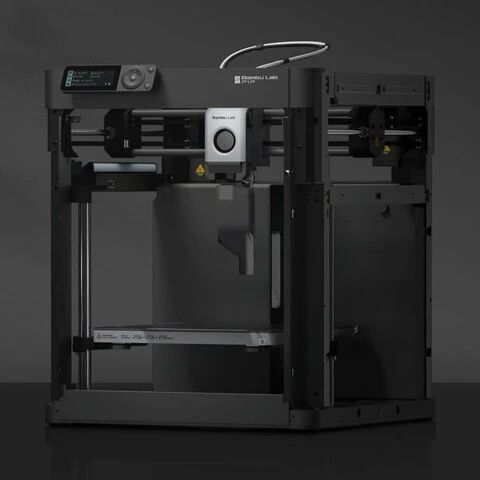
国内3D打印“生态暗战”升级,拓竹指控创想三维等企业侵权
Nan Fang Du Shi Bao· 2025-10-23 10:50
Core Viewpoint - The legal actions taken by MakerWorld against Creality Cloud, Nexprint, and MakerOnline highlight ongoing copyright infringement issues in the 3D printing industry, reflecting an escalating "ecological war" among companies in this sector [1][2]. Group 1: Legal Actions and Infringement Issues - MakerWorld has initiated legal measures against Creality Cloud, Nexprint, and MakerOnline for copyright infringement, including unauthorized use of exclusive models and violation of licensing terms [1][2]. - As of October 20, 2025, MakerOnline has not responded to the allegations, and infringing content remains online, while legal proceedings against Creality Cloud and Nexprint are ongoing [2]. Group 2: Industry Dynamics and Market Growth - The global 3D printing industry is experiencing rapid growth, transitioning from industrial applications to consumer markets, with new opportunities in personal, educational, and entertainment sectors [4]. - The desktop 3D printing segment is emerging as a new category in digital consumption, supported by government policies encouraging innovation and product development [4]. - Analysts predict that the consumer-grade 3D printing market will reach a size of $7.1 billion by 2028, with a compound annual growth rate of 19.2%, driven by maker culture, DIY demand, and personalized product needs [5]. Group 3: Company Overview and Innovations - Within five years, the company has become the leading consumer-grade 3D printer manufacturer globally, establishing a presence in multiple countries including the USA, Japan, and Germany [7]. - The X1 series, launched in 2022, has improved speed and stability in consumer-grade 3D printing, receiving over $7 million in crowdfunding and recognition from TIME magazine [9]. - The company has developed various management tools and community platforms, such as MakerWorld, to lower barriers to entry for users and enhance creative efficiency [9].
