
OS/2

Search documents
「让大象跳舞」的人,走了,苏姿丰曾当他助理,库克曾给他打工
3 6 Ke· 2025-12-29 09:08
Core Insights - Louis V. Gerstner Jr. is credited with saving IBM from near collapse during his tenure as CEO from 1993 to 2002, transforming the company from a struggling giant into a profitable entity [1][4][5] - His leadership style emphasized a shift in corporate culture, focusing on customer satisfaction and cross-department collaboration rather than internal processes [10][12][21] Group 1: Background and Challenges - In 1993, IBM faced significant challenges, including declining sales of mainframes and PCs, resulting in massive losses and a reduced market value [5][9] - By the time Gerstner left in 2002, he had increased IBM's market value from $29 billion to $168 billion, achieving an 800% rise in stock price [7] Group 2: Leadership and Cultural Change - Gerstner, an outsider to the tech-centric culture of IBM, introduced a new approach that prioritized direct communication and customer needs over internal bureaucracy [10][12] - He recognized that IBM's crisis stemmed from an inward-looking culture that neglected customer satisfaction, leading to a focus on compliance rather than problem-solving [10][27] Group 3: Strategic Decisions - One of Gerstner's most controversial decisions was to reject the idea of splitting IBM into separate entities, believing that the company's value lay in providing integrated solutions rather than isolated products [16][17] - He initiated a long-term strategy to transform IBM towards enterprise services and systems integration, which laid the groundwork for future growth in IT outsourcing and consulting [17][19] Group 4: Performance and Accountability - Gerstner linked employee compensation to overall company performance rather than departmental success, fostering collaboration and breaking down silos within the organization [21][22] - He emphasized the importance of quick decision-making and accountability, encouraging a culture where employees were rewarded for completing tasks efficiently [21][27] Group 5: Legacy and Influence - Gerstner's leadership style and decisions have had a lasting impact on the technology industry, shaping a generation of leaders who emerged from IBM, such as AMD's Lisa Su and Apple's Tim Cook [28][30] - His approach to management, which balanced results with a strong sense of values, remains relevant as companies navigate technological transformations today [32][33]


IBM逆转功臣:郭士纳去世
半导体行业观察· 2025-12-29 01:53
Core Viewpoint - Louis Gerstner, former CEO of IBM, passed away at the age of 83, known for revitalizing the company from near bankruptcy to a leader in the tech industry [1][3] Group 1: Leadership and Transformation - Gerstner became the first external CEO of IBM on April 1, 1993, during a time when the company faced potential bankruptcy or breakup [3] - He transformed IBM from a hardware-focused company to a service-oriented business, abandoning plans to split the company into smaller units [3] - Gerstner implemented significant cost-cutting measures, including the sale of non-core assets and the reduction of the workforce by 35,000 employees [3] - He emphasized teamwork across the company and linked compensation to overall company performance rather than individual achievements [3] Group 2: Strategic Focus and Growth - Under Gerstner's leadership, IBM shifted its focus to middleware, which includes software for database and system management, becoming a neutral integrator for enterprise networks [5] - He correctly anticipated the rise of the internet and e-commerce, leading to a decreased emphasis on personal computers and a focus on servers and complex devices [5] - Gerstner's strategic acquisitions, such as the $2.2 billion purchase of Lotus Development Corp., were crucial for enhancing IBM's collaborative capabilities [5] - IBM's service revenue grew from $7.4 billion in 1992 to $30 billion in 2001, and the company's stock price increased from $13 to $80 during his tenure [5] Group 3: Legacy and Impact - Gerstner's leadership is credited with creating a truly integrated entity within IBM, which he considered his most significant legacy [5] - His tenure saw IBM's market capitalization rise from $29 billion to approximately $168 billion [5] - After leaving IBM in 2002, Gerstner became chairman of the Carlyle Group, overseeing its expansion in Asia and Latin America [7]

gerstner: Louis Gerstner, CEO credited with turning around IBM, dies at 83
The Economic Times· 2025-12-28 15:50
Core Insights - Louis Gerstner, who transformed IBM from a struggling company into a technology leader, passed away at the age of 83, as announced by current CEO Arvind Krishna [1][15] - Gerstner's leadership is often cited as a case study in corporate transformation, particularly for his strategic pivot from hardware to services [1][15] Company Transformation - Gerstner became IBM's first outsider CEO on April 1, 1993, during a time when the company faced potential bankruptcy or dismemberment [2][15] - He shifted IBM's focus from hardware production to business services, reversing plans to break the company into smaller units [2][15] - Cost-cutting measures included selling unproductive assets and reducing the workforce by 35,000 employees from a total of 300,000 [3][15] Cultural Changes - Gerstner emphasized teamwork across the company, moving away from loyalty to individual divisions and linking compensation to corporate performance [4][15] - He introduced a culture of accountability, advocating for regular performance assessments rather than annual reviews [4][15] Strategic Focus - A significant change was the abandonment of IBM's bundled product strategy, which limited compatibility with non-IBM products [5][15] - Gerstner prioritized middleware solutions, allowing IBM to serve as an integrator for various systems, regardless of the hardware brand [6][15] Market Impact - Under Gerstner's leadership, IBM's services revenue surged from $7.4 billion in 1992 to $30 billion in 2001 [9][16] - The company's share price increased from $13 to $80 during his tenure, and its market value rose from $29 billion to approximately $168 billion [9][16] Legacy - Gerstner viewed the creation of a truly integrated IBM as his most significant legacy, highlighting the challenges and risks involved in this transformation [10][16]
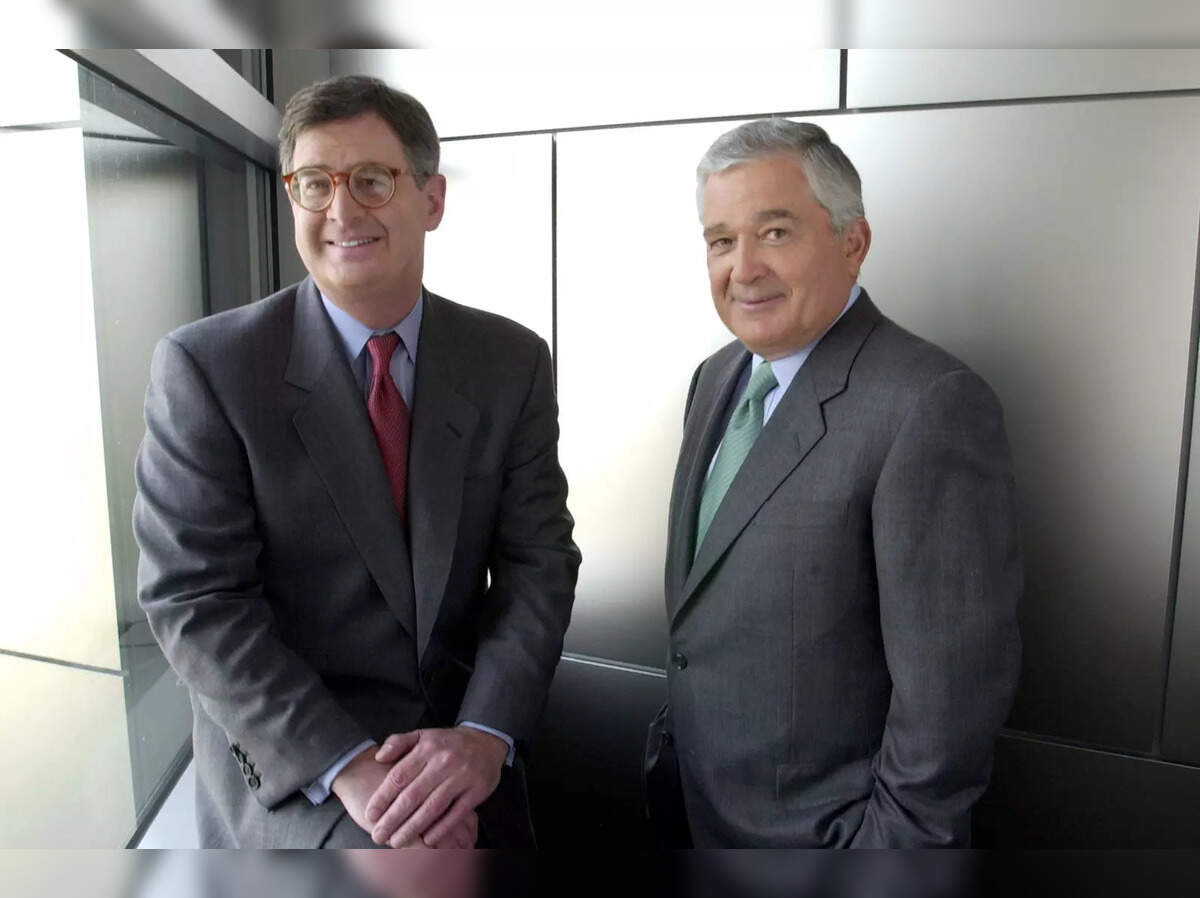
Louis Gerstner, CEO credited with turning around IBM, dies at 83
Yahoo Finance· 2025-12-28 15:28
Core Insights - Louis Gerstner, who transformed IBM from a struggling company into a technology leader, passed away at the age of 83 [1] Group 1: Leadership and Transformation - Gerstner's nine-year tenure as chairman and CEO is often cited as a case study in effective corporate leadership [2] - He became the first outsider to lead IBM in 1993, at a time when the company faced potential bankruptcy or dismemberment [3] - Gerstner shifted IBM's focus from hardware production to business services, reversing plans to break the company into smaller units [3] Group 2: Cost Management and Cultural Change - He implemented significant cost-cutting measures, including selling unproductive assets and reducing the workforce by 35,000 employees [4] - Gerstner emphasized teamwork across the company and linked compensation to corporate performance rather than individual results [5] - He replaced the traditional loyalty to divisions with a culture of accountability and regular performance assessments [5] Group 3: Strategic Product Focus - Gerstner eliminated the practice of selling bundled products that only worked with IBM goods, discontinuing underperforming products like OS/2 [6] - The company shifted its focus to middleware, becoming an integrator for various networks and systems, regardless of the hardware brand [7] - He recognized the importance of the internet and e-business early on, pivoting IBM's strategy towards servers and sophisticated equipment [8]