Olé Original

Search documents
年轻人不爱逛华润万家了?
Xin Lang Cai Jing· 2025-12-17 13:16
Core Viewpoint - China Resources Vanguard, once a retail giant, is facing significant challenges as it struggles to adapt to changing consumer habits and increasing competition from online shopping platforms, leading to a decline in foot traffic and store closures [1][6][12] Group 1: Store Closures and Market Challenges - The closure of the Shijiazhuang Jianhua Street store marks a significant shift, with the store being replaced by JD Seven Fresh, highlighting the competitive pressure from new retail formats [1][13] - Consumer habits have shifted towards online shopping, with many young people preferring the convenience of platforms like Meituan and JD, resulting in decreased visits to traditional supermarkets like China Resources Vanguard [2][4] - The number of China Resources Vanguard stores has been declining, from 3,261 in 2020 to 2,130 currently, indicating a significant contraction in its market presence [5][12] Group 2: Attempts at Transformation - China Resources Vanguard is attempting to revitalize its business by launching store upgrades and enhancing its product offerings, including a focus on fresh produce and local specialties [7][8] - The company has initiated a "Fat Transformation" strategy, which includes optimizing store layouts and increasing the proportion of fresh food to over 50% in some locations [8][9] - Despite initial positive feedback from store upgrades, maintaining customer interest and foot traffic remains a challenge as novelty wears off [10] Group 3: Development of Private Labels - The development of private label products has become a key strategy for China Resources Vanguard, with sales of its private labels increasing by over 40% since 2025 [21][22] - The company has launched multiple private label lines aimed at different consumer needs, including health-focused and budget-friendly options [21][23] - However, establishing brand recognition and consumer loyalty for these private labels remains a challenge, as many consumers are still unaware of the range of products offered [25]

商超自有品牌竞争,价值跃升成为“新赛点”
3 6 Ke· 2025-11-24 02:05
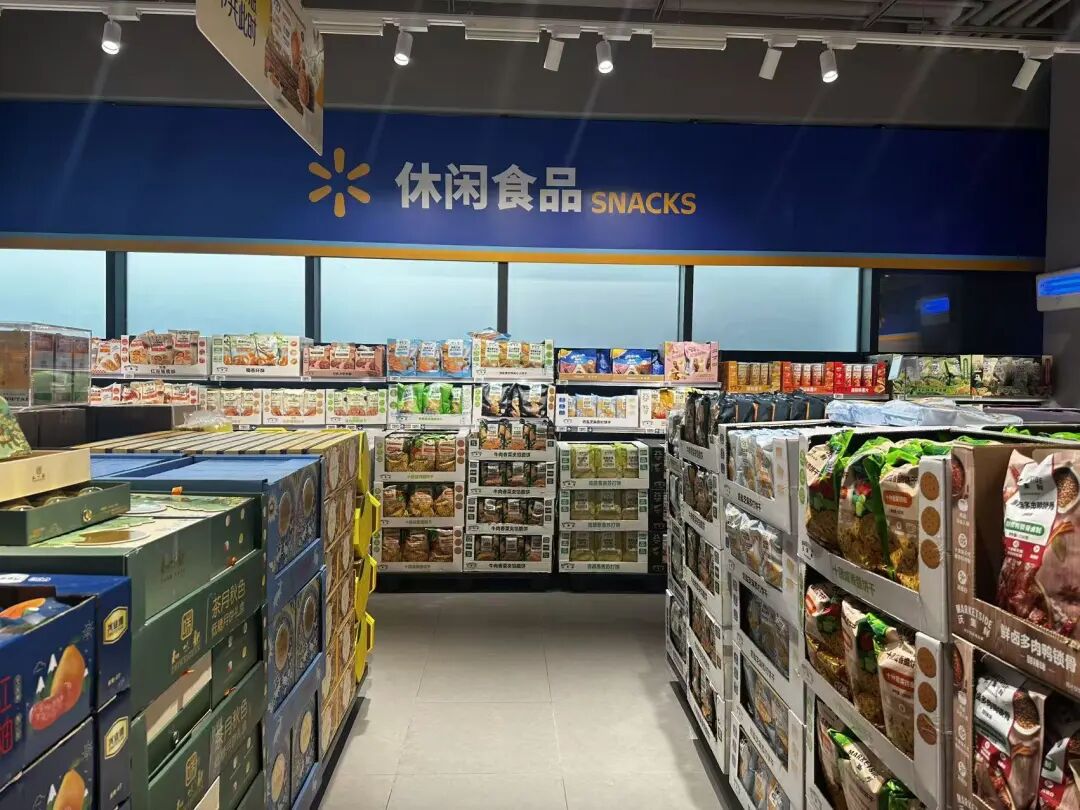
Core Insights - The retail industry is experiencing a significant shift towards private label brands, driven by consumer demand for high quality and cost-effective products [1][2][9] - Private label sales in China have surpassed 380 billion yuan, growing by 17% year-on-year and accounting for 9.2% of the overall retail market [1][8] - Major retailers are increasingly focusing on developing their own brands to enhance product differentiation and improve profit margins [3][5][8] Industry Trends - The average number of new private label products developed by retailers is expected to rise from 83 to 142 annually between 2022 and 2024, indicating rapid growth in this sector [1][8] - Over 45% of urban households in China purchased private label products in the first three quarters of this year, a 10% increase from the previous year [1][8] - The trend towards private labels is not only a response to market competition but also a strategy to enhance supply chain efficiency and consumer loyalty [8][9] Retailer Strategies - Retailers like Walmart and CR Vanguard are leveraging their supply chain advantages to create unique private label offerings that cater to diverse consumer needs [3][5][11] - Walmart's private label "沃集鲜" has been upgraded to include nearly a thousand new or improved products, focusing on stringent selection and quality control [3][11] - CR Vanguard has established a comprehensive matrix of private label brands to target different consumer demographics and preferences [5][8] Market Potential - The private label market in China has significant growth potential, with current market share at only 9.2% compared to 38.7% in Europe and 20.7% in the U.S. [8][9] - The domestic private label retail market is projected to grow at an annual rate of 15% over the next five years [9][10] - Retailers are increasingly focusing on health-oriented products, with sales of health-related private label items expected to grow by over 120% in 2024 [13][15] Challenges - The industry faces challenges such as product homogenization and reliance on supply chains, which can hinder long-term growth [9][10] - Many retailers still operate private label development under procurement departments, lacking the specialized focus needed for successful brand differentiation [9][10] - Continuous product innovation and adaptation to consumer trends are essential for maintaining competitive advantage in the private label market [12][15]