惠宜

Search documents
差点退出国内市场的山姆“亲爹”,彻底开窍了
Sou Hu Cai Jing· 2026-02-24 01:15
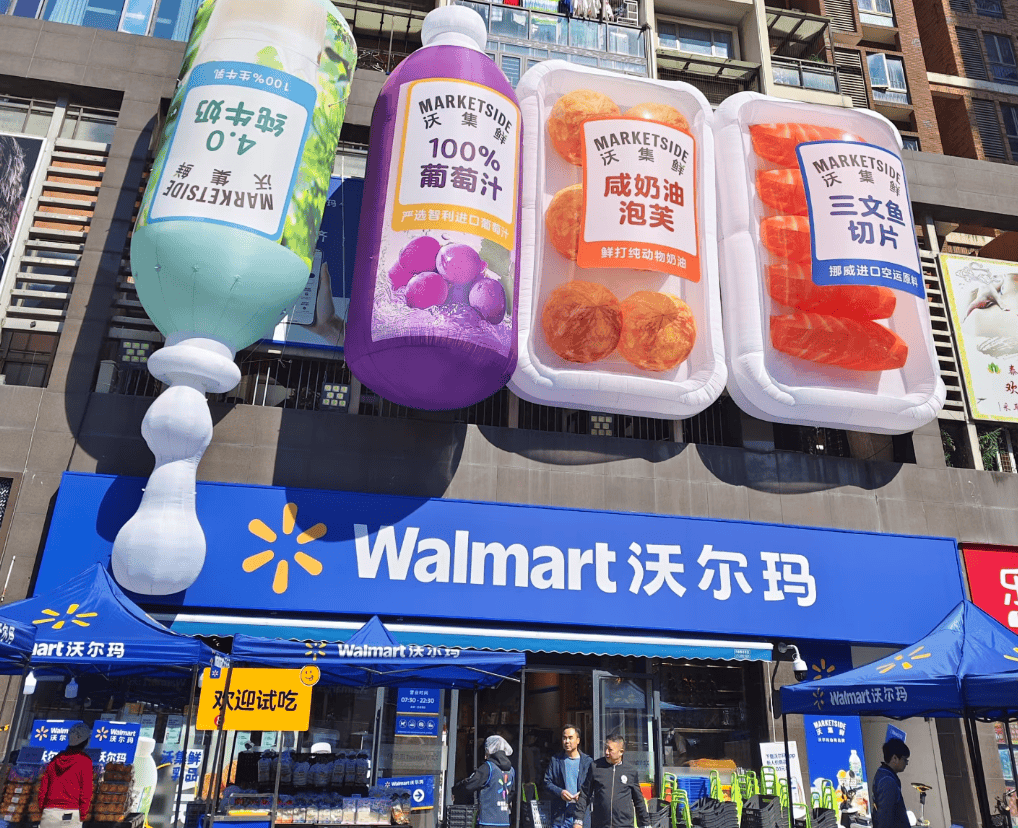
Core Insights - Walmart has successfully transformed its business model by adopting strategies from Sam's Club, leading to a significant turnaround in performance and customer engagement [1][4][18] - The company has achieved a market capitalization of over $1 trillion, becoming the first retail giant to reach this milestone, with a stock price increase of approximately 26% over the past year [2][18] Group 1: Business Transformation - Walmart's revival is attributed to the strategic decision to integrate Sam's Club's core team into its operations, focusing on product selection, store layout, and operational models [18][40] - The introduction of the new private label "沃集鲜" has resulted in a significant increase in product offerings, with around 4,000 SKUs covering various categories, effectively creating a "value alternative" to Sam's Club [21][23] - The company has shifted from large-format stores to smaller community stores, enhancing efficiency and customer experience by focusing on local needs and convenience [27][42] Group 2: Consumer Engagement - Walmart has successfully attracted younger consumers by offering competitive pricing on popular products, positioning itself as a "value haven" for budget-conscious shoppers [7][11] - The implementation of a "Sam's alternative" section allows customers to access popular items without the membership fee, directly addressing consumer pain points [31][40] - The store's trial culture, inspired by Sam's Club, has been adopted to enhance customer experience, allowing shoppers to sample products before purchasing [31][40] Group 3: Competitive Landscape - Walmart's successful adaptation contrasts sharply with other retailers like Yonghui Supermarket, which has struggled to implement effective transformation strategies despite similar attempts [32][36] - The key difference lies in Walmart's ability to leverage its existing supply chain and operational strengths, while competitors have failed to replicate the underlying operational efficiencies [40][42] - The retail landscape is evolving, with Walmart finding its niche in the middle market by balancing quality, price, and customer experience, while other players like Hema and Pinduoduo focus on different market segments [44]


自有品牌,高鑫零售永辉家家悦的“难言之隐”
Ge Long Hui· 2025-12-26 14:06
Core Viewpoint - The Chinese supermarket industry is facing significant challenges, with many companies struggling to adapt to market changes and competition from foreign retailers, leading to declining revenues and profitability [1][5][11]. Industry Overview - The departure of Zhang Jingyi from Yonghui Supermarket highlights the difficulties faced by Chinese supermarkets in recent years, including the impact of e-commerce and the pandemic [1]. - Many Chinese supermarket companies have attempted to innovate and adjust their product offerings, but customer traffic remains low, and profitability is still a major issue [1][5]. Comparison with Foreign Supermarkets - In contrast to the struggles of Chinese supermarkets, foreign retailers like Walmart, Costco, and Metro have maintained strong profitability, with Walmart reporting a revenue of $161.63 billion and a net profit increase of 53.3% in its latest fiscal quarter [6][8]. - In the first half of 2023, over 60% of the 13 listed Chinese supermarket companies reported a decline in revenue, with some facing significant losses [5][9]. Financial Performance of Chinese Supermarkets - Lianhua Supermarket reported a revenue decline of approximately 13.3% in the first half of 2023, continuing a trend of losses that have accumulated to over 2 billion yuan since 2017 [9][10]. - Other companies like Bubugao and Renrenle also reported severe losses, with Bubugao's revenue dropping by 69.29% and a net loss of 449 million yuan [9][10]. Self-Brand Development - The development of private labels is crucial for supermarkets to differentiate themselves and improve profit margins, yet Chinese supermarkets lag significantly behind their foreign counterparts in this area [12][13]. - In the U.S., private label sales grew by 11.3% in 2022, while in China, the private label market share is only about 1% [12][13]. Challenges in Private Label Strategy - Chinese supermarkets have been slow to develop effective private label strategies, often relying on OEM and ODM products rather than creating unique offerings [35][36]. - The lack of dedicated procurement teams for private labels in Chinese supermarkets contrasts sharply with the practices of foreign retailers, which often have specialized teams focused on private label development [36][42]. Future Opportunities - Despite the current challenges, the potential for growth in the Chinese supermarket sector remains, given the country's manufacturing and consumer capabilities [43].

零售商新老势力混战“自有品牌”,谁能更胜一筹?
Mei Ri Jing Ji Xin Wen· 2025-12-09 14:43
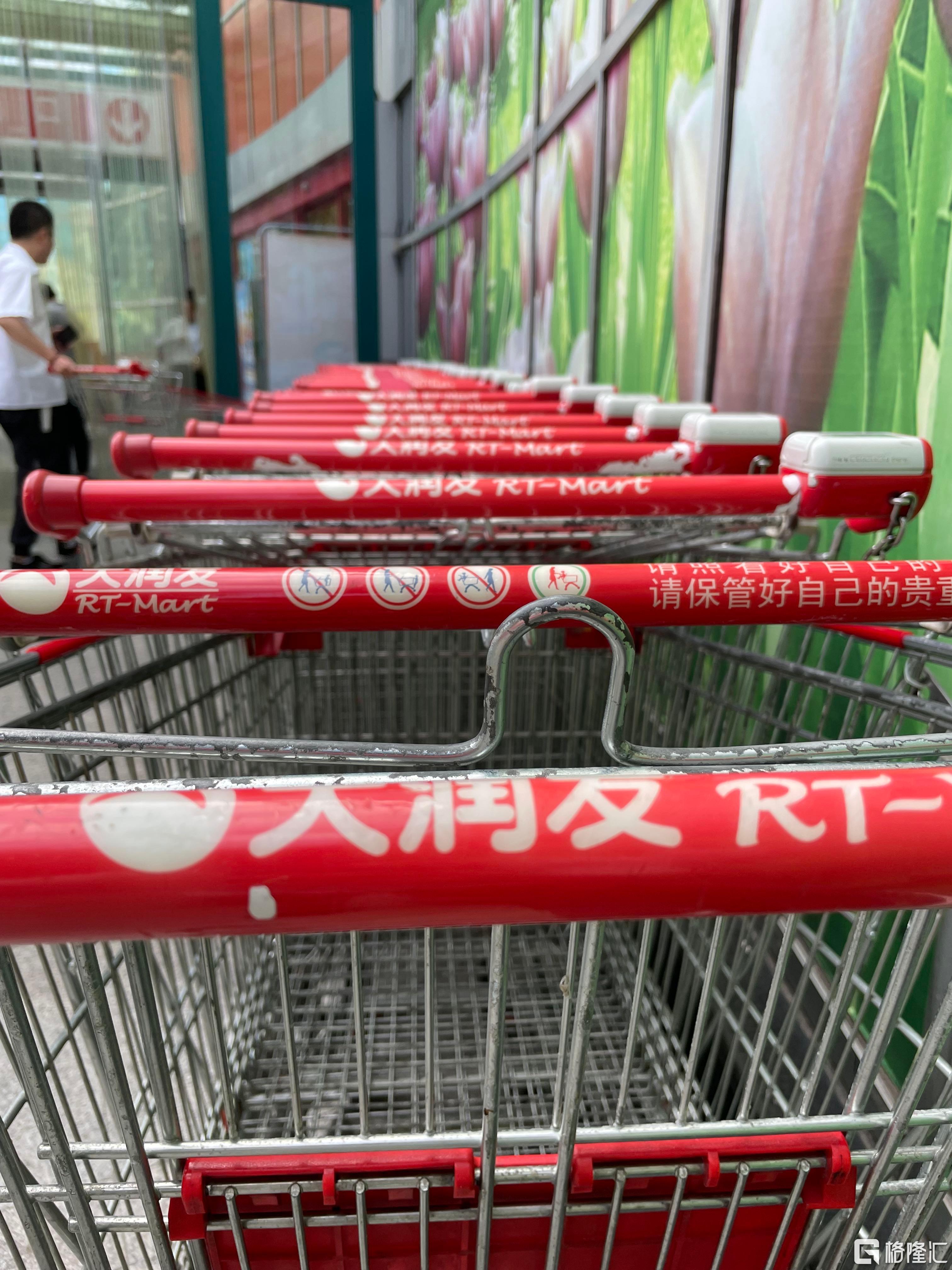
Core Insights - Walmart is developing its private label "Wojixian" as a response to the declining image of its high-end membership store Sam's Club, indicating a strategic shift in its retail approach [1][2] - The competition in the retail market is intensifying, with traditional retailers like Walmart and RT-Mart facing pressure from e-commerce and emerging players [1][4] Group 1: Walmart's Strategy - Walmart's "Wojixian" brand focuses on affordability and health, with products prominently displayed at low price points [2][3] - The company is adopting a strategy similar to RT-Mart, which is also enhancing its private label offerings, emphasizing low prices and health attributes [2][3] - The shift towards private labels is seen as a necessary response to market competition and performance pressures, as evidenced by declining revenues and profits reported by RT-Mart's parent company [3][4] Group 2: Market Competition - New retail players like Hema and Dingdong Maicai have established their private labels as core competitive advantages, launching various products since 2017 [4][5] - The self-owned brand strategy is crucial for retailers to attract customers and improve profit margins by defining product standards and reducing intermediary costs [4][5] - The competition for quality suppliers is intensifying as traditional retailers ramp up their private label initiatives, with companies like Dingdong Maicai investing in direct sourcing and partnerships [5][6] Group 3: Supply Chain and Brand Development - The success of private labels relies heavily on effective supply chain management and the ability to create strong brand value [5][6] - Walmart is currently focusing on supplier selection and has a rigorous evaluation process for potential suppliers, which limits the number of partnerships [6] - The retail landscape is evolving, with established players like Walmart actively learning from newer competitors to enhance their product offerings and market positioning [6]
这10位女性CEO,撑起中国零售半边天
3 6 Ke· 2025-12-01 10:17
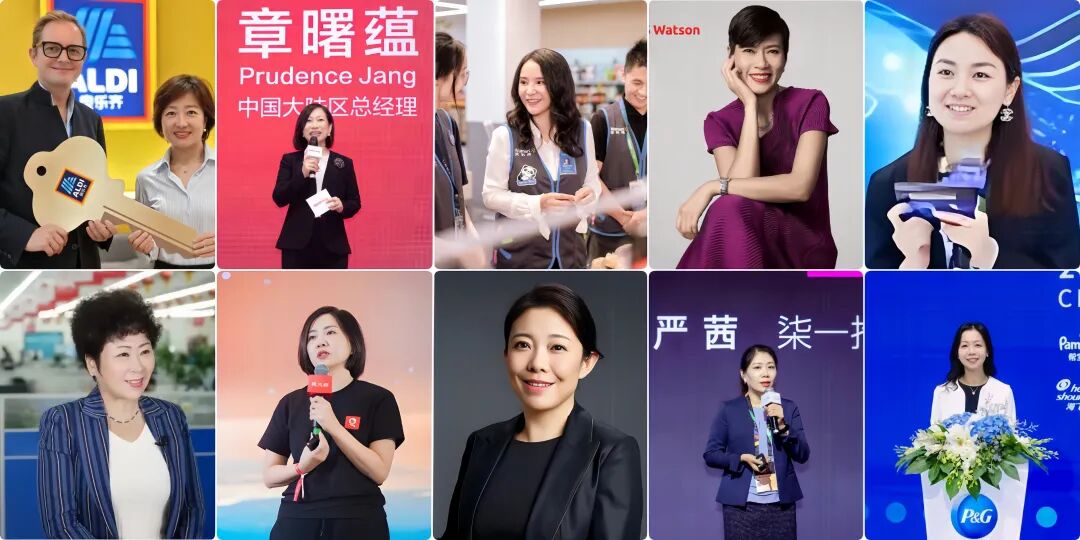
Core Insights - The retail industry in China is entering a "her era" with a significant number of female CEOs leading major companies, highlighting a shift in leadership dynamics [2][31]. Group 1: Leadership Changes - Gao Xin Retail announced Li Weiping as the new CEO, previously serving as CMO at Hema Fresh with an annual salary of 3.36 million [2]. - ALDI China appointed Jacqueline Chen as the new CEO, who has over 20 years of experience in retail and previously held significant roles at Walmart and Metro [5]. - Costco China appointed Zhang Shuyun as the new General Manager, emphasizing aggressive expansion in the Yangtze River Delta region [8]. - Walmart China has seen significant growth under CEO Zhu Xiaojing, with revenues increasing from 87.4 billion to 158.845 billion [10]. - Hema's new CEO, Yan Youlei, aims for rapid expansion, planning to open nearly 100 new stores and achieve over 75 billion in GMV [11]. - 7-ELEVEn China is now led by Yan Qian, who has driven significant growth in store numbers from 3,319 to 4,639 [15]. - Watsons appointed Ni Wenling as CEO, who has extensive experience within the company since 2000 [25]. - Procter & Gamble's Greater China CEO Xu Min is the first locally trained CEO in the company's 184-year history [28]. Group 2: Industry Trends - The rise of female leadership in retail reflects broader trends in gender representation within the industry, with many companies now led by women [2][31]. - The focus on private label products has increased, with ALDI raising its private label share to 90% and launching low-price product lines [5]. - The retail sector is increasingly competitive, with companies like Hema and 7-ELEVEn innovating their business models to meet consumer demands [11][15].
“平移”山姆经验,沃尔玛再造沃尔玛
Jing Ji Guan Cha Bao· 2025-12-01 07:20
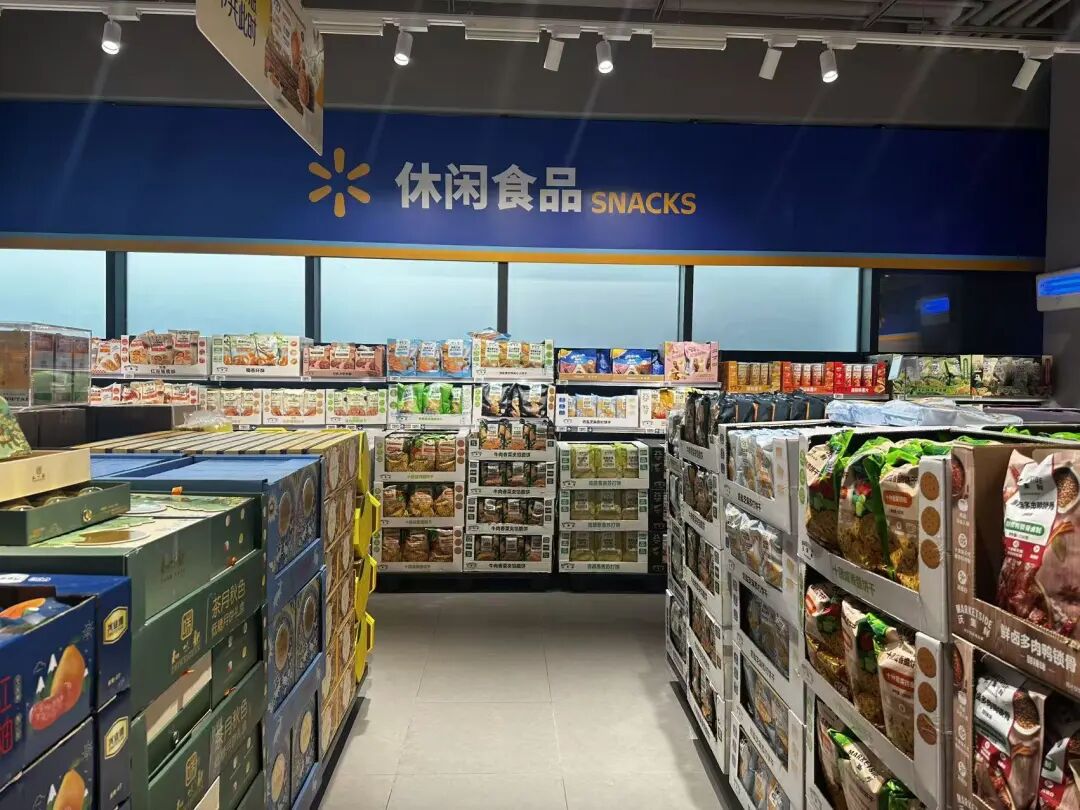
Core Insights - Walmart China is revitalizing its brand by focusing on product offerings and store formats, drawing inspiration from its Sam's Club experience [1][9][10] Group 1: Brand Strategy - Walmart China has upgraded its private label "沃集鲜" (Wojixian), launching nearly 1,000 new products in the past year, covering key categories such as fresh food, groceries, and beverages [1][2] - The company has consolidated its private brands, integrating some products from "惠宜" (Huayi) into the Wojixian brand, while Huayi now focuses on home goods [2][4] - Wojixian products are prominently displayed in stores and online, with significant SKU representation in key categories like snacks and cooking oils [3][4] Group 2: Supply Chain and Partnerships - Walmart is adopting a collaborative approach with suppliers, allowing for various partnership models, including OEM arrangements, to ensure quality and competitive pricing [4][5] - The company has established strict criteria for suppliers, ensuring that only those meeting quality standards can partner with Wojixian [6] Group 3: Store Format Innovation - Walmart is exploring new store formats, including community stores in Shenzhen, which focus on convenience and a curated selection of around 2,000 products [7][8] - The community store model emphasizes a "10-minute walk" concept, catering to high-density urban areas [7] - Walmart is also renovating existing stores to enhance the shopping experience, utilizing data analytics to optimize product offerings and introduce new sections [8] Group 4: Competitive Landscape - Walmart's traditional hypermarket format has faced challenges, leading to store closures, while Sam's Club has seen growth, prompting Walmart to adopt strategies from Sam's [9][10] - The company is differentiating its product offerings from Sam's Club by adjusting pricing and promotional strategies while maintaining a focus on quality [11][12]
“平移”山姆经验,沃尔玛再造沃尔玛
经济观察报· 2025-12-01 07:10
Core Viewpoint - Walmart China is not giving up on its brand and is focusing on product and store type innovations to revitalize its presence, including leveraging experiences from Sam's Club [2][3]. Group 1: Brand Strategy - Walmart China has upgraded its private label "沃集鲜" (Wojixian), launching nearly 1,000 new products in the past year, covering core categories like fresh food, beverages, and snacks [2][5]. - The brand restructuring has integrated some products from the "惠宜" (Huayi) brand into "沃集鲜," while "惠宜" now focuses on home goods [5]. - "沃集鲜" products are prominently displayed in stores and online, indicating a strategic emphasis on this private label [6][7]. Group 2: Store Format Innovation - Walmart has opened community stores in Shenzhen, with five locations established, focusing on a "10-minute walk" concept to cater to urban communities [11]. - The community stores offer around 2,000 selected products, including hundreds of "沃集鲜" items, aligning with the trend of near-field retail [11][12]. - Walmart is also exploring new store formats, including the opening of "龙泉店" and "正大店" in Kunming, which feature a more open layout and a focus on customer experience [12][13]. Group 3: Learning from Sam's Club - Walmart is adopting strategies from Sam's Club, which has been expanding while Walmart's traditional stores have been closing [15][16]. - The company is implementing similar product selection logic as Sam's Club but with differentiated execution, such as varying pricing strategies for similar products [16][17]. - Recent personnel changes indicate a closer alignment between Walmart and Sam's Club operations, with key positions remaining stable to ensure strategic continuity [18].
沃尔玛再造沃尔玛
Jing Ji Guan Cha Wang· 2025-11-30 03:51
Core Insights - Walmart China is upgrading its private label brand "沃集鲜" (Wojixian) with nearly 1,000 new products launched in the past year, focusing on fresh food, beverages, and other core categories [2][3] - The company is facing challenges such as declining foot traffic and revenue, leading to a reduction in the number of Walmart Supercenters from 442 in 2019 to 334 by April 2025 [2][3] - Walmart is shifting its strategy by integrating successful elements from its Sam's Club model into its Walmart Supercenters [10][11] Brand Strategy - Wojixian was launched in 2019, initially focusing on fresh food, and has since integrated some of the packaging food from the 惠宜 (Huayi) brand into its offerings [3] - The brand is prioritized in marketing efforts, with significant promotion through Walmart's official channels, while other brands like Huayi and George have seen reduced visibility [5][6] - Wojixian emphasizes "simple ingredients, collaboration with leading brands, and stable quality-price ratio" as its core principles [5][6] Product Placement and Performance - Wojixian products are prominently displayed in stores and have dedicated sections on Walmart's app, indicating a strategic focus on enhancing visibility and sales [4][5] - In key categories like snacks and cooking oils, Wojixian holds a significant share of the product offerings, showcasing its leading position in core food categories [4] Store Format Innovation - Walmart is exploring new store formats, including community stores in Shenzhen, which focus on convenience and a curated selection of around 2,000 products [8][9] - The community store model aims to cater to urban lifestyles with a "10-minute walk" concept, reflecting a shift towards proximity retailing [8][9] Learning from Sam's Club - Walmart is adopting successful strategies from Sam's Club, which has seen growth while Walmart Supercenters have closed several locations [10][11] - The company is implementing differentiated pricing and promotional strategies based on Sam's Club's product selection logic, while maintaining its unique market positioning [11][12]
商超自有品牌竞争,价值跃升成为“新赛点”
3 6 Ke· 2025-11-24 02:05
Core Insights - The retail industry is experiencing a significant shift towards private label brands, driven by consumer demand for high quality and cost-effective products [1][2][9] - Private label sales in China have surpassed 380 billion yuan, growing by 17% year-on-year and accounting for 9.2% of the overall retail market [1][8] - Major retailers are increasingly focusing on developing their own brands to enhance product differentiation and improve profit margins [3][5][8] Industry Trends - The average number of new private label products developed by retailers is expected to rise from 83 to 142 annually between 2022 and 2024, indicating rapid growth in this sector [1][8] - Over 45% of urban households in China purchased private label products in the first three quarters of this year, a 10% increase from the previous year [1][8] - The trend towards private labels is not only a response to market competition but also a strategy to enhance supply chain efficiency and consumer loyalty [8][9] Retailer Strategies - Retailers like Walmart and CR Vanguard are leveraging their supply chain advantages to create unique private label offerings that cater to diverse consumer needs [3][5][11] - Walmart's private label "沃集鲜" has been upgraded to include nearly a thousand new or improved products, focusing on stringent selection and quality control [3][11] - CR Vanguard has established a comprehensive matrix of private label brands to target different consumer demographics and preferences [5][8] Market Potential - The private label market in China has significant growth potential, with current market share at only 9.2% compared to 38.7% in Europe and 20.7% in the U.S. [8][9] - The domestic private label retail market is projected to grow at an annual rate of 15% over the next five years [9][10] - Retailers are increasingly focusing on health-oriented products, with sales of health-related private label items expected to grow by over 120% in 2024 [13][15] Challenges - The industry faces challenges such as product homogenization and reliance on supply chains, which can hinder long-term growth [9][10] - Many retailers still operate private label development under procurement departments, lacking the specialized focus needed for successful brand differentiation [9][10] - Continuous product innovation and adaptation to consumer trends are essential for maintaining competitive advantage in the private label market [12][15]
零售巨头转身,自有品牌能否再造大润发?
Guan Cha Zhe Wang· 2025-10-17 09:05
Core Insights - The article discusses the strategic shift of RT-Mart towards private label brands in response to the challenges faced in the retail industry, particularly during a downturn in consumer spending [1][5][6] Group 1: Company Strategy - RT-Mart is launching a "Private Label Festival" in October 2025, featuring nearly 500 private label products across various categories, aiming to balance cost control and quality experience [5][10] - The private label strategy includes two main series: "Super Savings," which focuses on cost-effective products, and "RT-Mart Selection," which emphasizes quality and local specialties [5][10] - The company aims to leverage its supply chain to ensure quality control and competitive pricing, moving away from traditional brand partnerships [10][11] Group 2: Market Context - The traditional supermarket model is under pressure from online platforms and new retail formats, leading to a significant decline in the number of physical stores and sales [6][11] - Consumer behavior has shifted towards value-driven purchasing, with a growing demand for high-quality, cost-effective products [6][11] - The retail industry is transitioning from a "channel dividend" to a "supply chain dividend," necessitating a focus on supply chain integration and brand storytelling [11][16] Group 3: Financial Performance - Financial data indicates a decline in revenue for RT-Mart's parent company, with a drop from approximately 83.66 billion yuan to 71.55 billion yuan between 2023 and 2025 [7][10] - The gross profit also decreased slightly, from 20.58 billion yuan to 17.24 billion yuan during the same period [7] Group 4: Competitive Landscape - RT-Mart faces competition from established private label brands like Walmart's "Great Value" and Sam's Club's "Member's Mark," which have already gained market recognition [13][14] - The rise of hard discount chains and online platforms offering low-priced products poses additional challenges to RT-Mart's market position [14][15] - The company must quickly innovate and adapt to consumer preferences to remain competitive in a crowded market [15][16]

奥乐齐中国迎来首位女掌门,挑战有多大?
3 6 Ke· 2025-10-16 02:17
Core Insights - The article discusses the transition of Aldi China as it appoints Jacqueline Chen as the new CEO, indicating a shift towards deeper localization and accelerated expansion beyond Shanghai [1][3][12]. Group 1: Leadership Transition - Christoph Schwaiger, the former CEO of Aldi China, has stepped down, handing over leadership to Jacqueline Chen, who will report directly to the global headquarters [1]. - Chen's appointment signals a focus on local market adaptation and a need to compete more aggressively in the Chinese retail landscape [3][12]. Group 2: Market Strategy - Aldi China has been primarily focused on the Shanghai market since its entry in 2019, with only 79 stores currently, highlighting the need for rapid expansion to keep pace with competitors [3][12]. - The company aims to enhance its brand localization, team localization, and supply chain localization to cater to diverse regional market characteristics and consumer preferences [3][12]. Group 3: Product and Pricing Strategy - Aldi China has increased its private label product share to 90%, which helps in building consumer trust and offers competitive pricing by eliminating middlemen [4][9]. - The company emphasizes a low-price strategy with a significant portion of its SKUs priced at 9.9 yuan or below, aiming to reshape its image as a community supermarket offering good quality at low prices [4][6][11]. Group 4: Competitive Landscape - The retail environment in China is becoming increasingly competitive, with various players like Hema, Meituan's Happy Monkey, and JD's discount supermarkets entering the market, all focusing on quality and affordability [12][13]. - Aldi's unique selling proposition of combining quality with affordability is being challenged as competitors adopt similar strategies, necessitating a swift response from Aldi [12][15]. Group 5: Future Plans - Aldi plans to expand its presence in Jiangsu province, with a target of opening 15 new stores within two years and achieving a local procurement rate of 30% by 2026 [15]. - The company is also working on a supply chain collaboration model to reduce operational costs, aiming for logistics costs to remain below 5% [15].