
Patritumab deruxtecan

Search documents
默沙东又踩了个雷
3 6 Ke· 2025-12-24 00:00
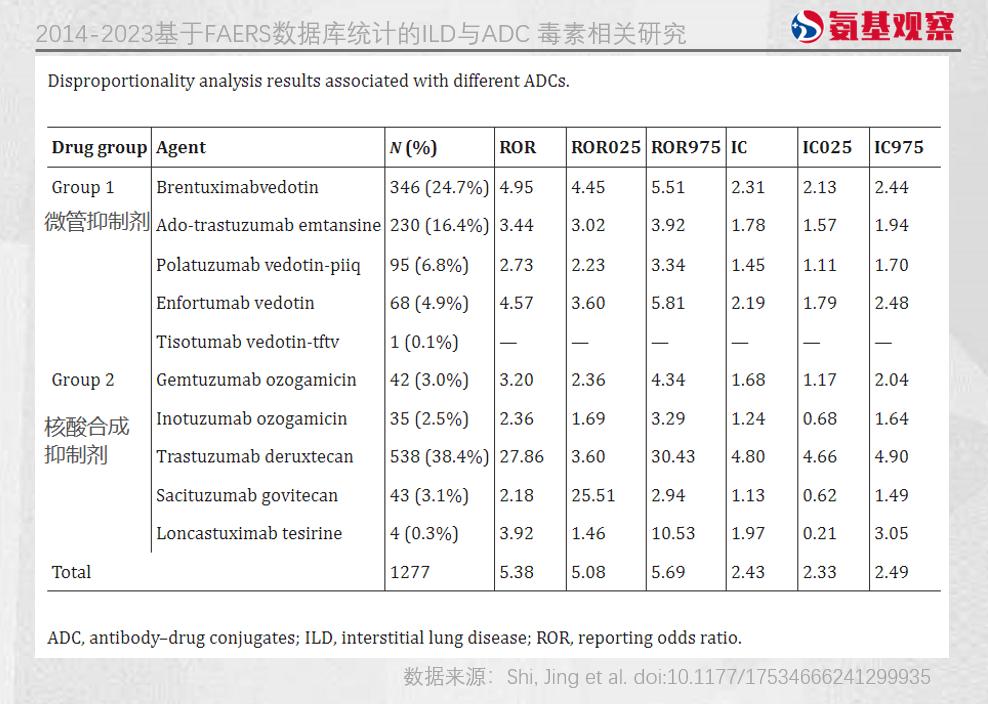
Core Viewpoint - The clinical trial for the B7-H3 ADC drug I-Dxd, developed by Merck and Daiichi Sankyo, has been globally suspended due to a higher-than-expected incidence of grade 5 interstitial lung disease (ILD), which corresponds to fatal outcomes in medical toxicity grading [1][2]. Group 1: Clinical Trial Outcomes - The suspension of the I-Dxd trial represents a significant setback for a $22 billion ADC collaboration project between Merck and Daiichi Sankyo, which had high expectations [2]. - Prior to this, another ADC, Patritumab deruxtecan, was withdrawn from the market due to poor overall survival data, with two patient deaths attributed to ILD during clinical trials [2][3]. - The increasing occurrence of severe ILD has led to a decrease in regulatory tolerance for ADCs, raising concerns about the safety of these therapies [3][7]. Group 2: ADC Safety Concerns - The FDA has begun to scrutinize ADC safety more closely, particularly in light of the recent clinical trial suspensions and the associated fatal adverse reactions [5][16]. - Previous studies indicated that I-Dxd had already shown ILD signals in earlier phases, with 36.5% of patients experiencing grade 3 or higher treatment-related adverse events (TRAEs) in the IDeate-Lung01 trial [5]. - The safety issues surrounding ILD are not isolated to a single drug or design but may be inherent risks associated with the Dxd toxin platform [10][11]. Group 3: Market Implications - Despite the safety concerns, ADCs remain a critical technology in oncology, capable of significantly improving efficacy in late-stage patients [14][15]. - The recent approval of Enhertu for a new indication demonstrates that regulatory bodies may allow for some flexibility in safety standards if the therapeutic benefits are substantial [15][16]. - The competitive landscape for ADCs is shifting, with a growing emphasis on balancing efficacy and safety, particularly in managing systemic exposure to minimize damage to normal cells [16].


2025年ASCO中国之声:映恩生物公布两项ADC药物最新试验结果 首次评估时肿瘤缩小
Mei Ri Jing Ji Xin Wen· 2025-06-05 11:32
Core Viewpoint - The article discusses the preliminary results of clinical trials for DB-1310 and DB-1311 by the Chinese ADC company, InnoCare Pharma, presented at the 2025 ASCO annual meeting, highlighting the potential of these drugs in treating advanced solid tumors and castration-resistant prostate cancer. Group 1: Clinical Trial Results - DB-1310, an HER3 ADC drug, is currently in Phase I/IIa clinical trials, focusing on safety, tolerability, pharmacokinetics, and preliminary anti-tumor activity in patients with advanced/metastatic solid tumors [2] - Among 123 evaluable patients, the preliminary objective response rate (ORR) was 31%, with a disease control rate (DCR) of 84%, indicating that nearly one-third of patients showed tumor shrinkage upon first evaluation [2] - In the subgroup of patients with EGFR mutation non-small cell lung cancer (NSCLC), the ORR reached 44%, and the DCR was 91%, with a median progression-free survival of 7 months and a median overall survival of 18.9 months [3] Group 2: Competitive Landscape - In the ADC field, Chinese companies are leading, with 11 HER3 ADC drugs in clinical stages globally, 8 of which are from domestic firms, including InnoCare Pharma [4] - The Japanese company Daiichi Sankyo reported Phase III trial results for its HER3 ADC, Patritumab deruxtecan, showing a median progression-free survival of 5.8 months and an ORR of 35.2% [4] - The withdrawal of the BLA for Patritumab deruxtecan by Merck and Daiichi Sankyo may impact the competitive landscape for similar drugs being developed by InnoCare Pharma [5][6] Group 3: Future Directions - The company is optimistic about the therapeutic potential of HER3 as a target across various cancers, including breast cancer, melanoma, ovarian cancer, and pancreatic cancer, which are associated with poor prognosis and resistance to existing therapies [6] - DB-1310's molecular design differs significantly from that of Daiichi Sankyo's drug, allowing it to block HER2 and HER3 dimerization and inhibit NRG binding to HER3, suggesting a unique mechanism of action [6] - The company plans to release more data on DB-1310's efficacy in EGFR wild-type lung cancer and breast cancer in the future [6]