PlayStation主机

Search documents
暴涨75%!芯片,突然引爆!
Xin Lang Cai Jing· 2026-02-16 23:45
Core Viewpoint - The global memory chip shortage is significantly impacting corporate profits, disrupting company plans, and driving up prices across various products, including laptops, smartphones, and automobiles, primarily due to the surge in demand from AI data centers [1][2][3] Group 1: Memory Chip Shortage Impact - Major companies like Tesla and Apple have indicated that the shortage of Dynamic Random Access Memory (DRAM) will limit production, with Apple CEO Tim Cook warning of compressed iPhone profit margins [2][8] - The price of a specific type of DRAM surged by 75% from December to January, leading to daily price adjustments by retailers and middlemen, coining the term "RAMmageddon" to describe the impending crisis [2][8] - The shortage is causing significant disruptions in product lines, with companies like Sony considering delaying the launch of the next-generation PlayStation until 2028 or 2029 [3][9] Group 2: Causes of the Shortage - The root cause of the shortage is the expansion of AI data centers, with companies like Alphabet and OpenAI consuming vast amounts of memory chip capacity [2][11] - Major tech firms are investing heavily in AI infrastructure, with projected spending reaching $650 billion by 2026, significantly altering the global memory market [11][12] - The shift towards AI has led to a reduction in the production capacity of standard DRAM, as manufacturers focus on high-bandwidth memory (HBM) for AI accelerators [11][12] Group 3: Industry Response and Future Outlook - Companies are adjusting their supply contracts more frequently, with Samsung moving to quarterly reviews instead of annual ones due to the ongoing crisis [10] - Analysts warn that the DRAM shortage will continue to affect the electronics, telecommunications, and automotive industries throughout the year, with signs of panic buying emerging in the automotive sector [12] - The rising cost of memory is expected to increase the material cost of low-end smartphones, with DRAM potentially making up 30% of their material list, up from 10% at the beginning of 2025 [12]





DRAM涨价压顶,索尼利润仍大增22%,上调全年指引
Hua Er Jie Jian Wen· 2026-02-05 06:44
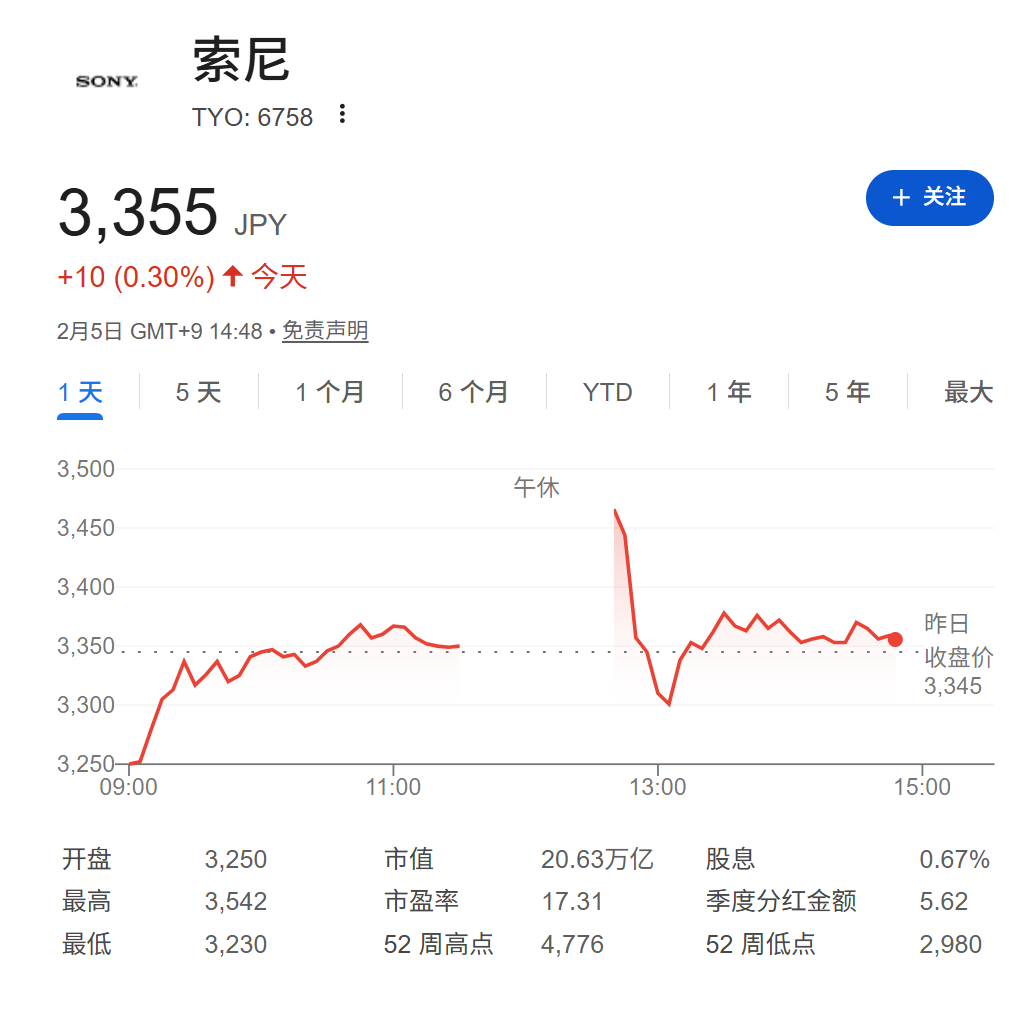
Core Insights - Sony Group has reported strong profit growth despite rising memory chip costs, driven by favorable exchange rates and a diversified business portfolio, while facing supply chain cost challenges in its core gaming hardware business [1][4]. Financial Performance - For the December quarter, Sony's operating profit surged 22% year-on-year to 515 billion yen, exceeding market expectations of 468.9 billion yen. Revenue reached 3.71 trillion yen (approximately 23.68 billion USD), slightly above the forecast of 3.69 trillion yen, marking a 1% year-on-year increase [1]. - Following the earnings report, Sony raised its full-year operating profit forecast to 1.54 trillion yen, an increase of 110 billion yen or 8% from previous estimates. The annual revenue forecast was also raised by 300 billion yen to 12.3 trillion yen, a 3% increase, while maintaining the estimated loss from U.S. tariffs at 50 billion yen [1]. Gaming Business Challenges - The gaming and network services segment reported sales of 1.613 trillion yen, a decrease of 68.7 billion yen year-on-year. This segment, which includes the popular PlayStation console brand, is Sony's largest revenue driver [4]. - Despite benefiting from the transition to digital game purchases and growth in PlayStation Plus subscriptions, hardware shipment growth remains sluggish, with expectations of rising component costs impacting the hardware business this year [4]. Cost Risks from DRAM Prices - The PlayStation console relies on dynamic random-access memory (DRAM) chips, which are currently in short supply due to surging demand from AI and data center operators. According to TrendForce, traditional DRAM contract prices are expected to rise by 90% to 95% this quarter compared to the previous three months [6]. - A leading semiconductor CEO indicated that the memory chip shortage is expected to persist until 2027, adding further cost pressures for Sony [6]. Other Business Segments - Strong performance in the music and imaging segments partially offset the pressures in the gaming business. Sony's music segment saw a 12.6% year-on-year revenue increase, driven by live events, merchandise sales, and streaming services [6]. - The imaging and sensing solutions segment experienced over 20% revenue growth, focusing on the development and manufacturing of semiconductor-based imaging and sensing technologies [6].