RPG游戏

Search documents
2025年度中国游戏产业年会“游戏营销与出海论坛”圆满举办,共探游戏新征程
Xin Lang Cai Jing· 2025-12-22 11:25
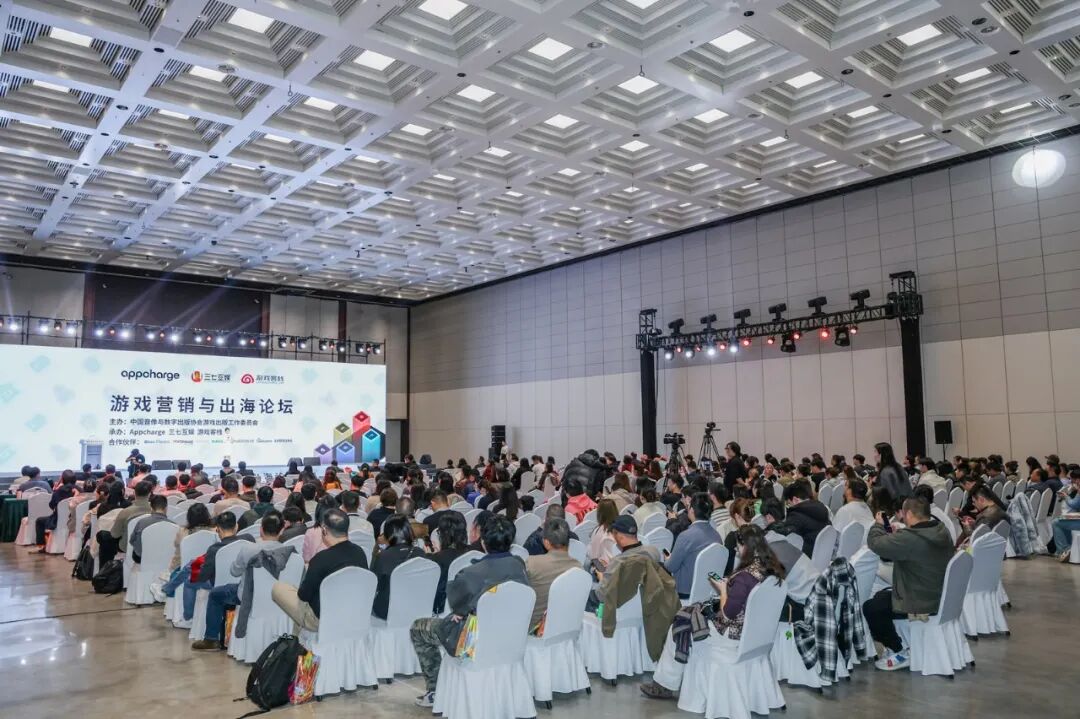
Core Insights - The 2025 China Game Industry Annual Conference's "Game Marketing and Overseas Expansion Forum" attracted over 400 global game publishers and 65 development companies, facilitating effective communication and collaboration in the gaming industry [1][23]. Group 1: Market Trends and Insights - The "2025 China Game Overseas Research Report" indicates that the actual sales revenue of Chinese self-developed games in overseas markets will reach $20.455 billion (approximately 146.4 billion RMB), reflecting a year-on-year growth of 10.23% [3][26]. - The report highlights four major trends in the Chinese game export market: the core role of game technology in driving efficiency and innovation, the importance of cross-industry integration, the shift towards building cross-platform community ecosystems, and the evolution of market competition from single traffic to a comprehensive strength in technology, culture, ecology, and brand [4][26]. Group 2: Payment and Monetization Strategies - Andrew Wong from Appcharge discussed the changing payment rules in global markets and introduced practical solutions for enhancing payment success rates for Chinese mobile game developers, emphasizing the platform's advantages such as global tax compliance and low fees [6][28]. Group 3: Globalization Practices - Zhou Zhihao from 37 Interactive Entertainment shared insights on the characteristics and trends of the current Chinese game export market, focusing on the "SLG+X" category fusion innovation path and the company's collaborative approach to empower development partners [7][29]. - Cassie Zhang from Madhouse provided strategies for successfully entering the South Korean market, leveraging local media partnerships and operational experience to help game companies navigate initial entry barriers [9][31]. Group 4: Marketing and User Engagement - Yoonwon Kim from Kakao discussed the importance of establishing deep connections with Korean users through comprehensive advertising solutions, showcasing successful case studies to enhance brand recognition and user retention [11][33]. - Jeiheon Noh from NAVER outlined strategies for Chinese game companies to effectively penetrate the South Korean market, leveraging NAVER's search engine dominance and diverse advertising products [13][35]. Group 5: New Opportunities in Gaming - DH Shon from Samsung analyzed the saturation of the mobile gaming market and identified television as a new growth opportunity for casual gaming, proposing targeted solutions for game developers to adapt to TV platforms [15][37]. - Jae Kyun Ahn from Moloco shared practical methods for achieving low-cost user acquisition and high conversion rates in the Korean market through AI-driven advertising technology [19][39]. Group 6: Product Showcase and Networking - The "Game Guesthouse - Global New Game Matching Conference" featured 65 game development companies showcasing 91 products across various genres, facilitating connections with over 400 global game publishers [21][43]. - The event aimed to create a "three-in-one" industry ecosystem, focusing on media, overseas traffic forums, and game matching to foster collaboration and opportunities for the global gaming community [21][43].

伽马数据:2024年韩国游戏市场规模预计为25.19兆韩元 同比增长9.7%
智通财经网· 2025-08-04 08:55
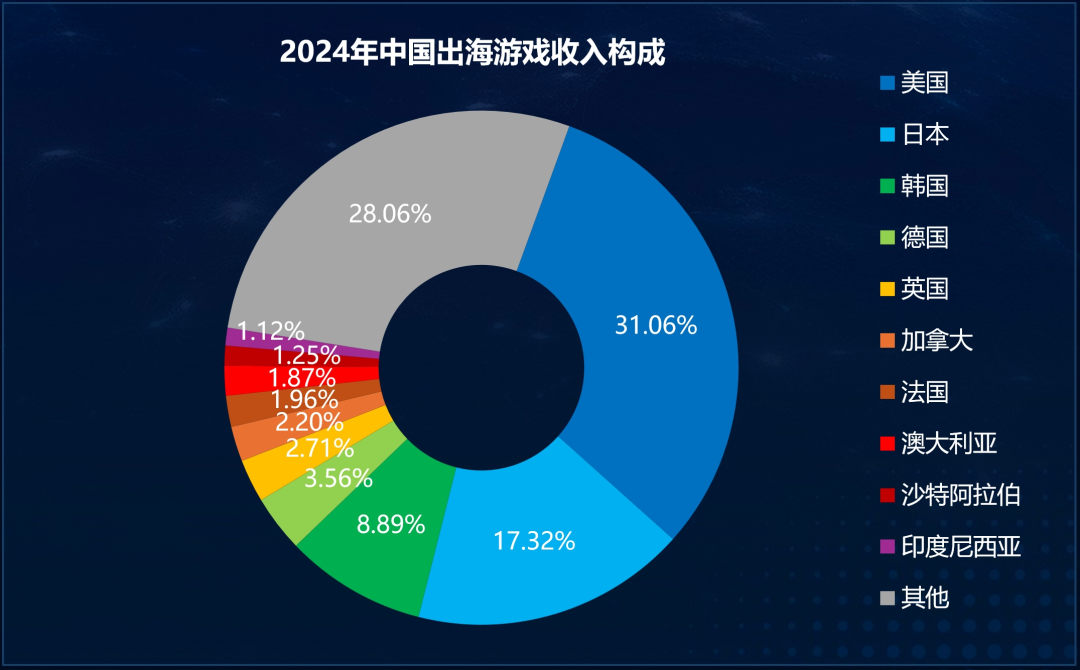
Core Insights - The report highlights that South Korea is the fourth largest gaming market globally and the third largest market for Chinese game developers expanding overseas [1][3][23] - The South Korean gaming market is projected to reach 25.19 trillion KRW in 2024, reflecting a year-on-year growth of 9.7% [5][23] - Mobile games dominate the market with a 59% share, followed by PC games at 26% [7][23] Market Overview - South Korea holds a 7.8% share of the global gaming market, supported by high internet and mobile device penetration [3] - The gaming environment in South Korea is robust, with significant audiences for game streaming, social gaming, and cloud gaming [3] Market Segmentation - RPG games account for 52% of the mobile gaming revenue, while strategy games are experiencing rapid growth [9] - The mobile gaming sector is a key focus for Chinese developers due to its substantial market size [7] Consumer Behavior - 47% of mobile game users complete their first in-game purchase within 30 days of logging in, with 12% making a purchase on the first day [11] - South Korean consumers exhibit a high frequency of credit card usage, averaging 137.5 times per year, facilitating digital payments for in-game purchases [11] Market Entry Barriers - Entering the South Korean gaming market involves high barriers related to language, culture, localization, and legal regulations [12] - Cultural sensitivity is crucial, particularly regarding historical events and local customs, which must be carefully navigated in game content [13] Regulatory Environment - The South Korean government enforces strict regulations on game content, including age ratings and the disclosure of in-game item probabilities [14] - The revised Game Industry Promotion Act mandates real-name age verification for games rated for ages 19 and above [14] Localization and Quality Assurance - Effective localization and quality assurance (QA) are essential for successful game launches and ongoing operations in South Korea [18] - The GRAC (Game Rating and Administration Committee) requires direct rating for adult products, while non-adult products can use international age rating systems [18] Distribution Channels - The main distribution channels in South Korea include international platforms like Google Play and Apple App Store, as well as the local One Store [19] - Google Play holds over half of the market share, while One Store attracts developers with lower revenue-sharing rates [19] Marketing Strategies - Brand and reputation marketing are critical for the success of new games, with users often relying on recommendations from friends or gaming influencers [21] - A diverse media strategy is essential for reaching the target audience effectively [21] Strategic Importance - South Korea serves as a crucial market for Chinese game developers due to its cultural similarities and strong gaming infrastructure [23] - The country has a history of influential gaming IPs that have shaped the gaming landscape in Asia and beyond [23]