Redmi K90标准版

Search documents
2026全球手机市场的冰与火之歌:上游的饥饿游戏与中游的夹缝生存
3 6 Ke· 2026-02-26 00:12
Core Insights - The global smartphone market in 2026 is experiencing significant changes driven by rising storage chip costs, leading to a survival-of-the-fittest scenario among manufacturers [1][3][4] Group 1: Market Dynamics - The demand for high-bandwidth memory (HBM) chips for AI model training has led to a "capacity raid" on mature storage chip production, causing a severe supply crunch [3][4] - Storage chip prices surged by 40%-50% in Q1 2026, with LPDDR4X chips rising from $6 to $25 within six months, severely impacting low-cost manufacturers [3][4] - The smartphone market is witnessing a bifurcation, with high-end models (priced above $600) gaining market share while low-end models (below $200) are rapidly declining [7][8] Group 2: Company Performance - Huawei has regained its position as the market leader in China with 46.7 million units shipped in 2025, benefiting from its self-developed Kirin chips and high localization rate [5][6] - Apple reported a 23% year-on-year increase in iPhone revenue to $85.27 billion in Q1 2026, with a 38% surge in Greater China, leveraging its strong brand and supply chain control [5][6] - Transsion, known as the "King of Africa," issued a profit warning due to rising supply chain costs, highlighting the challenges faced by low-end manufacturers [4][5] Group 3: Strategic Shifts - The smartphone industry is transitioning from a focus on volume growth to value creation, as manufacturers adapt to rising component costs [6][8] - Companies are adjusting their product strategies, such as shifting from high-capacity storage options to more affordable configurations to manage costs without alienating consumers [8][9] - The emergence of AI-driven smartphones is expected to redefine the market, with predictions indicating that AI phone shipments will exceed 50% in China by 2026 [8][9] Group 4: Competitive Landscape - The smartphone market is likened to a "Warring States" period, with major players like Apple and Huawei dominating while smaller brands struggle to survive [9][10] - Companies unable to build ecosystems or control supply chains are increasingly marginalized, with many being categorized as "Others" in market reports [9][10] - The future of the smartphone industry will be shaped by AI capabilities and supply chain dynamics, moving beyond traditional performance metrics [10]




智能手机2025年先扬后抑 2026年AI手机市占率或过半
Xin Lang Cai Jing· 2026-01-02 20:35
Core Insights - The Chinese smartphone market experienced a "first rise, then fall" pattern in 2025, driven by initial consumer demand from the "old-for-new" subsidy policy, followed by a market cooling due to tightening subsidy policies and rising costs [1][3][5] - Industry innovation continues with advancements in battery technology, imaging capabilities, and AI integration, shifting the competition from "parameter competition" to "experience competition" [1][8][10] Market Trends - The initial success of the smartphone market in early 2025 was marked by a significant sales surge during the Spring Festival, with over 4.5 million digital products sold, and smartphone sales reaching 14.1 billion yuan, a 182% year-on-year increase [3] - However, the market faced a 4% year-on-year decline in smartphone sales in Q2 2025 due to inventory adjustments by manufacturers and the diminishing effects of subsidy policies [3][5] - The global rise in storage chip prices, driven by AI demand, has significantly increased costs, with prices for Samsung LPDDR4X memory rising from approximately $6 to $25 per unit, a more than threefold increase [3][5] Pricing and Market Segmentation - Rising costs have led to increased retail prices for smartphones, with Xiaomi's Redmi K90 priced at 2,599 yuan, up 300 yuan from its predecessor [4] - High-end flagship models can better absorb cost increases, while the low-end market faces severe pressure, as price sensitivity among consumers can lead to reduced demand for new devices [4][6] - Forecasts for 2026 indicate a conservative outlook for smartphone production and shipment, with IDC predicting a 2.2% year-on-year decline in shipments to approximately 278 million units [5][6] Structural Changes in the Market - The high-end smartphone market (priced above $600) is expected to grow its market share by 5.4 percentage points to 35.9%, while the low-end market (below $200) is projected to shrink by 4.3 percentage points to 20% [6] - The second-hand smartphone market is anticipated to grow by 20% in 2026, reaching over 100 million units, as consumers may opt for second-hand devices due to rising new device prices [7] Technological Innovations - The industry is focusing on significant upgrades in battery capacity, with major brands adopting 6,000-7,000mAh batteries, and some models featuring batteries as large as 8,300mAh [8] - Imaging technology is advancing with new models featuring 200-megapixel cameras, while AI capabilities are being integrated into devices with high-performance chips [8][10] - The competition is shifting towards AI capabilities and ecosystem integration, with brands needing to differentiate themselves through innovation and emotional engagement with consumers [9][10] Future Outlook - The year 2026 is seen as critical for the Chinese smartphone market, where success will depend on manufacturers' ability to navigate cost pressures and establish emotional connections with consumers [2][5] - IDC forecasts that the shipment of AI-enabled smartphones will reach 147 million units in 2026, representing a 31.6% year-on-year growth and accounting for 53% of the overall market [10][11]
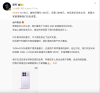
REDMI K90标准版降300到手2899元 雷军:内存涨价实在太多,望理解
Sou Hu Cai Jing· 2025-10-24 02:38
Core Insights - Xiaomi's founder and CEO Lei Jun announced a price reduction for the Redmi K90 standard version, with the 12GB+512GB variant dropping by 300 yuan to a selling price of 2899 yuan, citing high memory price increases as a concern for consumers [1][4] Pricing Strategy - The original price of the 12GB+512GB version was 3199 yuan, and the new price aligns with that of the 16GB+256GB version [4] - The price adjustment was made in response to significant cost pressures from upstream suppliers, which have impacted new product pricing [4] Product Launch - The Redmi K90 standard version was officially launched on October 23, featuring a super pixel display and upgrades in performance, battery life, and multiple functionalities, with a starting price of 2599 yuan [4]