SHEGLAM

Search documents
深挖中东美妆的3个真相:为何高增长与高门槛并行?
FBeauty未来迹· 2026-03-23 12:06
Core Viewpoint - The Middle East beauty market is characterized by strong growth potential and consumer resilience despite ongoing geopolitical tensions, necessitating a nuanced understanding of the region's unique market dynamics [2][3]. Market Overview - The beauty and personal care market in the MENA region has surpassed $46 billion, with projections indicating double-digit growth in key segments like fragrance, hair care, and skin care from 2015 to 2027 [3]. - The changing growth logic in the global beauty market highlights the Middle East as a rare area capable of supporting both scale growth and brand premium [3]. International Beauty Groups in the Middle East - Major beauty groups are increasingly recognizing the Middle East's strategic importance, with companies like L'Oréal, Procter & Gamble, and Amorepacific reporting significant growth in the region [4][5]. - L'Oréal's market share in the Middle East has grown by 10.9%, while Amorepacific's brands have seen a remarkable 41.5% increase [4]. - Procter & Gamble's sales in the IMEA region, which includes the Middle East, contributed 5% to its annual net sales, indicating strong performance [4]. Competitive Landscape - The Middle East beauty market features four main competitors: Western brands, Korean beauty brands, local Middle Eastern brands, and emerging Chinese brands [9]. - Western brands dominate the market due to their established distribution networks and brand recognition, while Korean brands excel through product detail and localization [9][10]. - Local brands leverage cultural relevance and social media influence to connect with consumers, exemplified by brands like Huda Beauty and Moonglaze [13][15]. Challenges for Chinese Brands - Chinese beauty brands are still in the exploratory phase in the Middle East, facing challenges related to brand recognition and consumer trust [18][21]. - Successful entry into the market requires not only product quality but also effective consumer education and localized marketing strategies [21][25]. - The regulatory landscape is complex, with varying compliance requirements across different countries, making it essential for brands to navigate these regulations effectively [22][23]. Consumer Preferences and Market Dynamics - Middle Eastern consumers exhibit a strong preference for high-quality, culturally relevant products, with sensitivity to product details such as scent and texture [26]. - The market's complexity necessitates a deep understanding of local consumer behavior, which differs significantly from other regions [26]. - Brands must establish trust and credibility through compliance, effective communication, and a genuine understanding of local culture to succeed in this market [24][26].






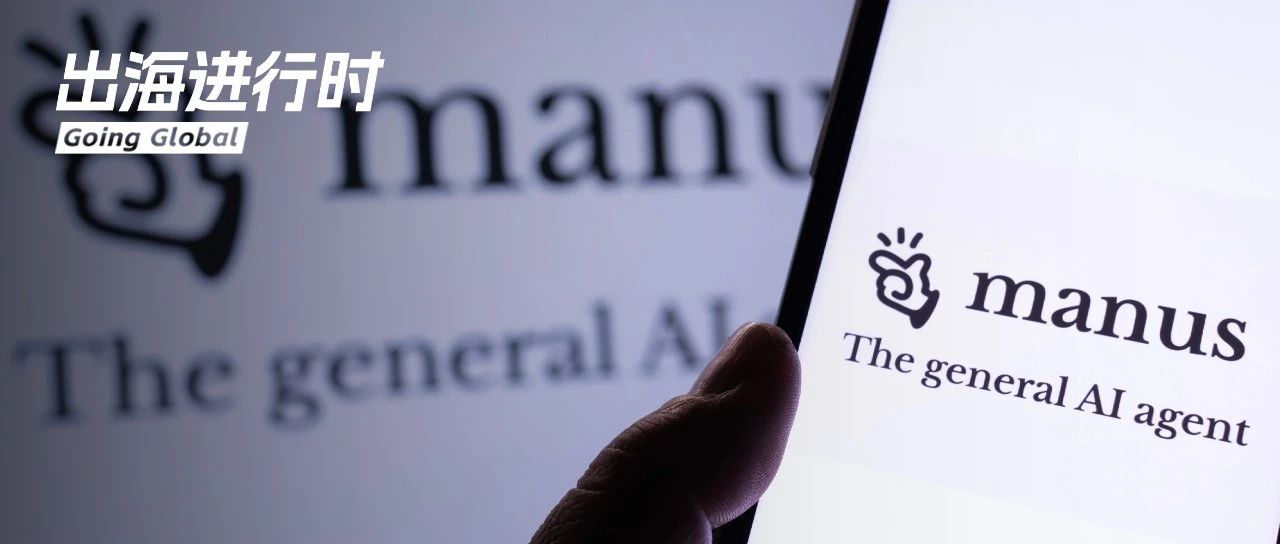
跑到新加坡的Manus,可能白跑了;只剩两家店,优衣库“亲妹妹”败退中国丨Going Global
创业邦· 2025-08-17 11:12
Key Points - The article discusses significant events in the global market, focusing on companies expanding their operations and facing challenges in various regions [2][3]. Group 1: Major Events - TikTok Shop's launch in Japan has faced obstacles, with sellers expressing concerns about the platform's viability in a market that values traditional retail practices [5]. - SHEIN's sales in the UK reached £2.05 billion (approximately $2.77 billion) in 2024, marking a 32.3% increase from the previous year, with pre-tax profits rising from £2.44 million to £3.83 million [6]. - Temu has become the fastest-growing retail brand in Australia, attracting 1.35 million new users in the 2024/2025 fiscal year, with advertising spending doubling in recent months [7][8]. - AliExpress has launched an "overseas hosting" service in Mexico, allowing local merchants to stock products and benefit from various incentives [10][13]. Group 2: Company Developments - Manus is facing scrutiny from U.S. authorities regarding its funding round led by Benchmark, which may lead to the venture capital firm exiting its investment [15][17]. - SHEIN's beauty brand SHEGLAM is set to enter Germany's largest drugstore chain, DM, with plans to launch in up to 1,500 stores [18][20]. - JD.com has completed the acquisition of Hong Kong's Jia Bao supermarket chain, with the transaction reportedly valued at HK$4 billion [21][23]. - Didi's food delivery platform 99Food has launched in Brazil, implementing a strategy to reduce delivery costs and attract customers [24][26]. Group 3: Market Trends - Xiaomi is increasing its investment in the African market, appointing several executives to strengthen its presence [27][29][30]. - Uniqlo's sister brand GU will close its first store in China, although the company states it is not exiting the market [38][39][43]. - Intersport is considering shifting production to China to increase its procurement of private label products [35][37]. - Amazon is testing a low-cost platform in Australia to compete with Temu and SHEIN, reflecting the growing price sensitivity among consumers [44][46]. Group 4: Investment News - Grab plans to invest tens of millions of dollars in autonomous driving company WeRide, aiming to integrate its technology into Grab's fleet management [52]. - Ninja Van is negotiating a new funding round of approximately $80 million, but its valuation has been halved [54]. - Carlyle Group is set to acquire the UK online retailer Very Group, which has been experiencing declining sales [56][58]. - Dubai fintech company Alaan has raised $48 million in a Series A funding round, marking one of the largest A-round financings in the region [59][60].