Scuba卫衣

Search documents
lululemon会是下一个维密吗
3 6 Ke· 2025-09-29 00:25
Core Viewpoint - Lululemon has faced significant challenges in 2025, with disappointing earnings reports indicating a slowdown in revenue growth and a decline in net profit, leading to a sharp drop in stock price and negative analyst ratings [1][3][22] Financial Performance - In the first half of 2025, Lululemon's revenue grew only 6.9% year-over-year to $4.896 billion, while inventory increased by 19.5% [1] - The company's net profit fell by 4% to $685 million, marking the first decline since 2021 [1] - Same-store sales in the Americas, which account for over 70% of revenue, have been declining for several consecutive quarters, and the growth rate in the Chinese market dropped from 26% to 7% year-over-year [1] Market Position and Analyst Sentiment - Analysts from major firms like Barclays, Bank of America, and HSBC have downgraded their ratings or target prices for Lululemon, with Randal Konik highlighting signs of brand decline [3][4] - Lululemon's stock has halved in value this year, making it the worst performer in the S&P 500 [1] Brand Strategy and Competition - Lululemon's attempts to diversify its product offerings, including men's clothing and footwear, have diluted its appeal to its core demographic [3][4] - The brand is compared to Victoria's Secret, which also faced decline after failing to adapt to changing consumer preferences [3][4] Consumer Trends - The shift in consumer preferences towards more relaxed and comfortable clothing has impacted Lululemon's core product, the yoga pant, which has seen a decline in popularity [15][16] - Reports indicate that the market share of leggings has decreased from 47% to 39% in the first quarter of 2023, while wide-leg pants have seen a 40% increase in search interest [15][16] Emerging Competitors - New brands like Vuori and Alo Yoga are gaining traction, with Vuori projected to reach $1 billion in sales this year and Alo Yoga's revenue expected to grow significantly due to effective visual marketing strategies [9][12][14] - Both competitors are strategically opening stores near Lululemon locations, capturing market share from the established brand [14] Future Outlook - Despite current challenges, Lululemon remains a significant player in the market, being the third global sports brand to reach a valuation of $10 billion [21][22] - The company acknowledges the need for innovation and adaptation to maintain its market position amidst evolving consumer preferences and competitive pressures [22]


lululemon诉Costco抄袭,当平替成为全球趋势
3 6 Ke· 2025-07-08 10:28
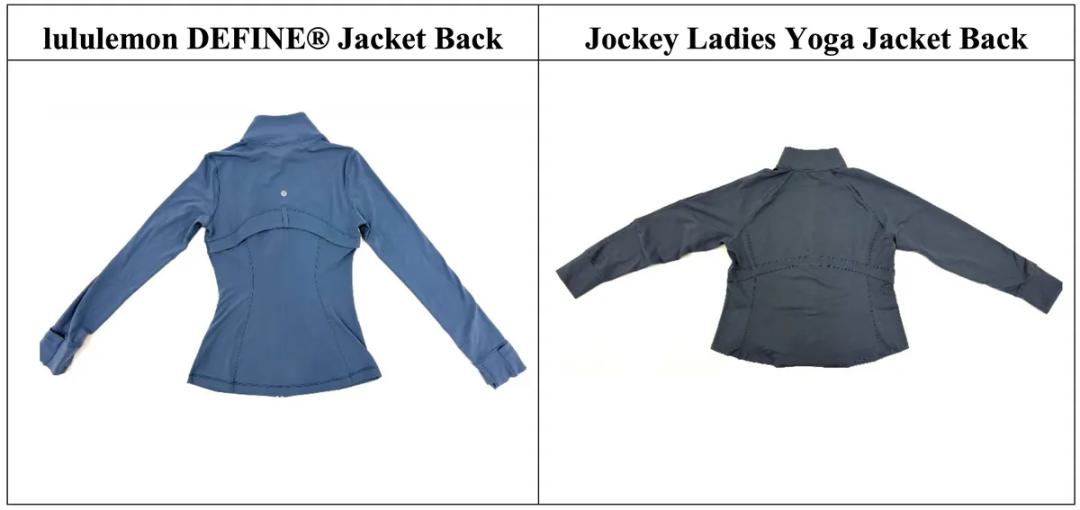
Core Viewpoint - The lawsuit filed by lululemon against Costco's Kirkland Signature and Danskin brands highlights a significant trend in the retail market: the rise of "dupe" culture, where consumers seek affordable alternatives to high-end products, challenging traditional brand value perceptions [8][23][24]. Group 1: Legal Dispute - lululemon filed a lawsuit on July 1, 2025, against Costco's Kirkland Signature and Danskin for selling products that closely mimic lululemon's signature apparel at significantly lower prices [1][3][4]. - Price comparisons reveal stark differences: lululemon's Define jacket ranges from $99 to $168, while Costco's imitation Jockey yoga jacket is priced between $17 and $30 [1]. - The lawsuit reflects a broader trend of consumers gravitating towards affordable alternatives, as evidenced by the rapid sell-out of the alleged infringing products on Costco's website following the lawsuit announcement [8]. Group 2: Rise of "Dupe" Culture - The legal battle is part of a larger consumer-driven trend amplified by social media, where products like the "Walmart Birkin" bag have gained viral popularity, prompting consumers to question the necessity of high-priced luxury items [9][11][13]. - TikTok has played a crucial role in exposing the supply chains of luxury brands, revealing that the production costs of high-end items are often significantly lower than their retail prices, thus fueling the demand for affordable alternatives [14][17]. - The emergence of platforms like Temu and Shein demonstrates the ability to replicate high-end products at a fraction of the cost, further challenging traditional brand loyalty [24][25]. Group 3: Changing Consumer Behavior - Economic pressures and rising living costs have led younger consumers, particularly Gen Z and millennials, to prioritize value over brand prestige, seeking products that meet their aesthetic and emotional needs without the associated brand markup [17][18]. - The shift from "conspicuous consumption" to "self-satisfaction" reflects a deeper change in consumer mindset, where savvy shopping and finding the perfect dupe are celebrated rather than shamed [19][20]. - Retail giants like Costco and Walmart are leveraging their own brands to compete effectively against established luxury brands, indicating a significant shift in the retail landscape [20][21].