Softcare纸尿裤

Search documents
乐舒适增长持续 “非洲尿裤之王”首报告捷
BambooWorks· 2026-03-27 09:31
Core Viewpoint - The company, known as the "King of Diapers in Africa," has successfully countered market skepticism regarding its ability to maintain a leading position in core African and other emerging markets, as evidenced by its strong annual performance report [2]. Financial Performance - The company reported a revenue growth of 24.9% year-on-year, reaching $567 million, with a net profit increase of 27.4% to $121 million [2]. - The gross profit margin improved from 35.2% in 2024 to 35.9% in 2025, indicating enhanced profitability [2]. - Sales from the core African market grew by 22.5% to $545 million, while revenue from Latin America surged by 134% to $22 million over five years [4]. Market Expansion - The company is expanding beyond Africa, seeking growth opportunities in other emerging markets, particularly in Latin America and Central Asia, where revenue has also doubled [4]. - The average selling price of its two main product lines increased by 4% to $7, with baby diapers rising by 4.4% and female hygiene products by 7% [4]. Competitive Landscape - Market skeptics draw parallels between the company and Transsion Holdings, which faced stagnation in revenue and profit in Africa due to price wars and rising component costs [5]. - Analysts note that the African personal care market is projected to grow from $3.8 billion in 2024 to $10 billion in the long term, driven by a high birth rate and low product penetration compared to developed markets [5]. Demographic Advantage - Africa's young population and rapid urbanization present an ideal market for low-cost Chinese consumer brands, which have been relatively ignored by major Western companies [6]. - The company has strategically focused on lower-income markets in East, Central, and West Africa, avoiding competition in wealthier regions like South Africa [6]. Production and Supply Chain - The company established its first factory in Ghana in 2009, which has since become the largest diaper and sanitary napkin manufacturer in Africa, with an annual capacity of 6.3 billion diapers [8]. - The localized production model provides a competitive edge over rivals reliant on imports, especially amid global supply chain disruptions [8]. Stock Performance and Valuation - Following its IPO, the company's stock price has shown resilience, trading at approximately 34.06 HKD, a 30% increase from its listing price [8]. - The current price-to-earnings ratio is around 19 times, reflecting a positive investor sentiment, especially after the recent performance improvements [9].

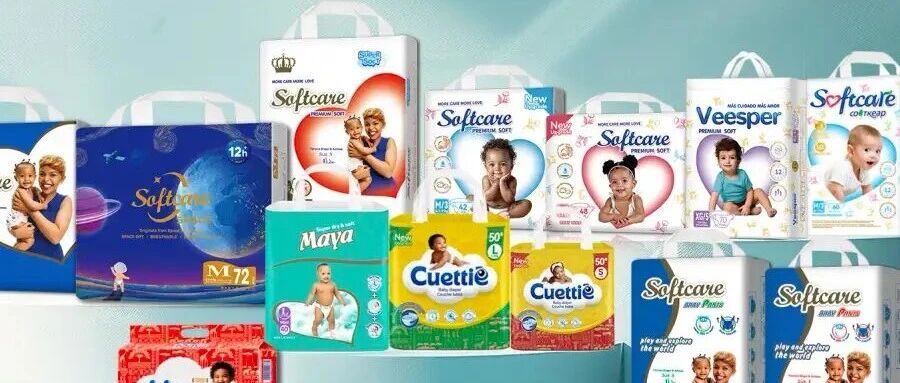
出海的逻辑彻底变了!从非洲纸尿裤、海湾社交软件到北美高端门窗,企业家出海造出全球化奇迹
创业邦· 2025-11-19 03:45
Core Viewpoint - The article discusses the emergence of a new paradigm in globalization, characterized by "entrepreneurs going abroad" rather than traditional "enterprises going abroad," highlighting the shift in how Chinese entrepreneurs are establishing local businesses in foreign markets while leveraging Chinese resources and expertise [5][20][24]. Group 1: Case Studies of Successful Companies - "Leshu Shi" became the first Middle Eastern company to list in Hong Kong, achieving a remarkable 2358 times oversubscription and a first-day stock price surge of 35.8%, reaching a market capitalization of over 21.5 billion HKD [5][22]. - The company has a 20.3% market share in Africa's diaper market, producing 6.3 billion pieces annually, and operates eight factories across Africa [5][22]. - "Yalla," a voice social app founded by Yang Tao, has become a leading platform in the Arab world, successfully integrating local cultural preferences with Chinese internet models [12][15]. - "DOORWIN," founded by Chinese entrepreneur Lei Lili in North America, has successfully penetrated the high-end window and door market, selling to 68 countries and achieving 90% of its sales from North America [17][19]. Group 2: Factors Driving the New Paradigm - The rise of "entrepreneurs going abroad" is driven by structural opportunities in emerging markets, where local supply capabilities are limited, allowing Chinese entrepreneurs to fill market gaps [22][24]. - The outflow of Chinese advantages, including a complete manufacturing system and internet operational experience, enables entrepreneurs to leverage these strengths in global markets [23][24]. - Geopolitical factors, such as the U.S.-China rivalry, have made it beneficial for entrepreneurs to establish local entities abroad to avoid regulatory burdens associated with being identified as Chinese companies [23][24]. Group 3: The Role of Hong Kong - Hong Kong serves as a unique and critical platform for these globally-oriented companies, offering a mature regulatory framework for overseas income and facilitating access to both international and mainland investors [26][29]. - The capital market in Hong Kong is recognized for its openness, making it an ideal listing location for companies with complex identities [26][29]. - The success of companies like "Leshu Shi" in Hong Kong may signal a trend where both Chinese-founded companies abroad and foreign companies focusing on the Chinese market increasingly choose Hong Kong for their listings [29]. Group 4: Broader Implications - The new wave of "entrepreneurs going abroad" signifies a shift in the narrative of China's global presence from merely being the "world's factory" to exporting entrepreneurial spirit and operational capabilities [31][32]. - This trend is expected to reshape global business dynamics, introducing a new category of competition that includes localized enterprises with Chinese backgrounds [33]. - The article emphasizes that while challenges exist, the direction of this entrepreneurial movement is significant, indicating a more decentralized and flexible approach to globalization [35].