
US West Texas Intermediate crude

Search documents
US gas prices top $4 a gallon for first time since 2022 as Iran war drags on
Yahoo Finance· 2026-03-31 10:02
Core Insights - Gasoline prices have reached a national average of $4.02 per gallon, the highest since August 2022, primarily due to the ongoing US-Iran war, which has caused prices to rise by approximately $1 over the past month [1][2] - The surge in oil prices has been significant, with Brent crude and US West Texas Intermediate crude increasing by about 50% each since the conflict began, currently trading at around $107.80 and $102 per barrel respectively [2][6] - Despite government measures to ease fuel prices, such as waiving federal ethanol restrictions and temporary shipping regulations, these actions have not effectively reduced gasoline prices nationwide [3][2] Industry Impact - The national average price for diesel has also escalated, reaching $5.45 per gallon, indicating that truckers are facing even higher costs than regular consumers [3] - Analysts from Goldman Sachs have raised their Brent crude forecast for April from $85 to $115, citing the potential for further price increases if the conflict continues, with predictions of Brent prices reaching $180 or even $200 depending on the duration of the war [6][5] - The ongoing conflict is expected to maintain a risk premium on oil prices, which could lead to further increases in refined product prices, including gasoline, diesel, and jet fuel [5][6]
3 weeks of war, possible rate hikes, and AI's 'show me' phase: What to watch this week
Yahoo Finance· 2026-03-22 11:37
Market Overview - US equities ended the week in the red, with all three major indexes now showing year-to-date losses of over 5% [1] - The Dow lost about 1.0% (approximately 450 points), the S&P 500 fell by 1.5%, and the Nasdaq Composite dropped by 2%, resulting in a total loss of roughly 7% since January 1 [1] Economic Indicators - Attention is focused on inflation and labor market indicators following hawkish comments from Federal Reserve Chair Jerome Powell [2] - Key readings on inflation expectations from the University of Michigan and industrial economy data from S&P Global and the Kansas City Federal Reserve are anticipated [3] Oil Market Dynamics - Oil prices remain above $100, with Brent trading around $107 per barrel and US West Texas Intermediate crude at approximately $98.30, both up about 3% for the week [4] - The ongoing conflict in Iran has significantly impacted tanker traffic through the Strait of Hormuz, raising concerns about energy supply stability [4][5] - QatarEnergy's CEO indicated that repairs to the Ras Laffan LNG terminal could take years, highlighting vulnerabilities in energy infrastructure [6]
Asian stocks rally as oil retreats, US Fed in spotlight
Michael West· 2026-03-18 02:46
Core Viewpoint - Asian shares have rallied as oil prices paused their gains, with markets focusing on the US Federal Reserve meeting to assess the balance between growth and inflation risks amid geopolitical tensions in the Middle East [1] Group 1: Oil Market Dynamics - Oil prices have taken a breather, with Brent crude futures dropping 1% to $102.28 per barrel and US West Texas Intermediate crude falling 1.6% [2] - The Strait of Hormuz remains largely shut, and if it does not reopen, oil prices are expected to rise as Atlantic basin inventories are drawn down [4] - Natasha Kaneva from JPMorgan noted that the current stability in oil prices reflects a temporary buffer due to regional inventory overhangs and policy interventions [3] Group 2: Geopolitical Tensions - A senior Iranian official indicated that the new supreme leader rejected de-escalation offers, suggesting a prolonged conflict that has caused a global oil shock [2] - Israel's intensified military actions, including the killing of Iran's security chief, have escalated tensions, while Iran has renewed strikes on oil facilities in the UAE [1] Group 3: Market Reactions and Economic Outlook - The MSCI's index of Asia-Pacific shares outside Japan rose by 1.2%, with Japan's Nikkei increasing by 2% [3] - Investors are closely watching the US Federal Reserve's policy meeting, with expectations that the Fed will maintain its current policy but may adjust economic forecasts, particularly regarding potential rate cuts [6][7] - The Fed's "dot plot" may indicate no rate cuts for the remainder of the year, reflecting concerns that the Iran conflict could disrupt economic growth and lead to persistent inflation [6][8]


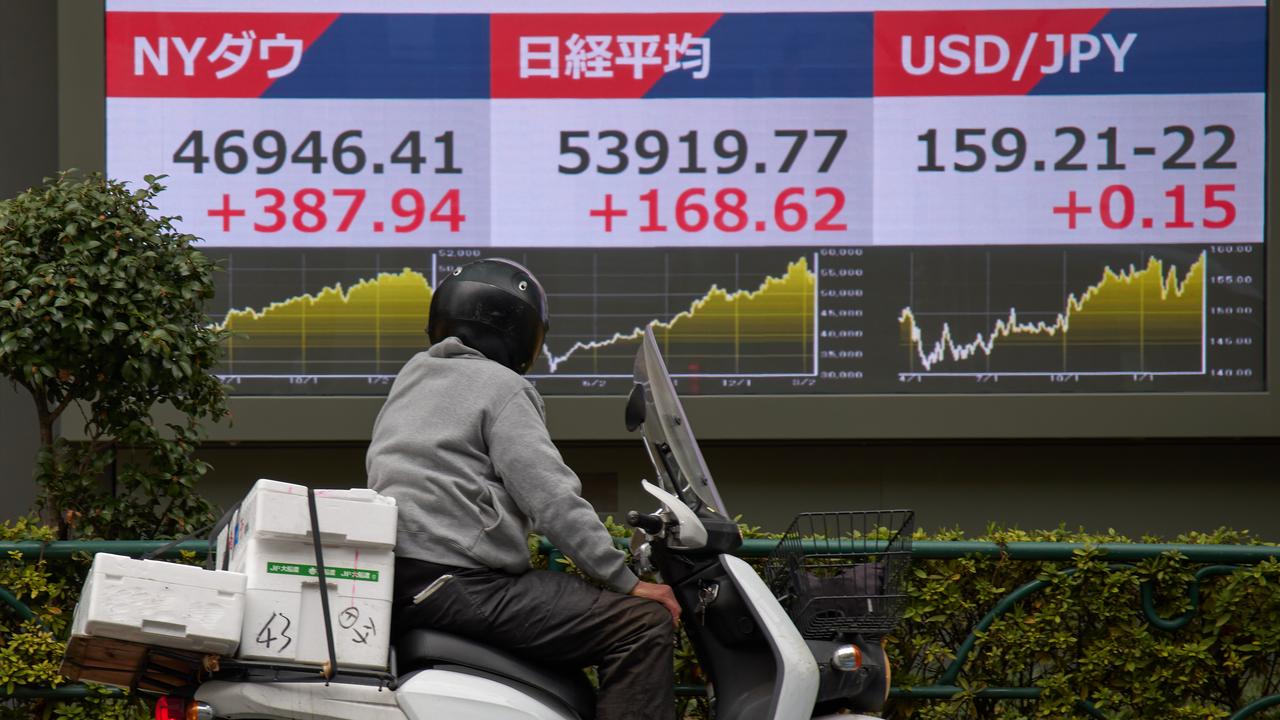
Stock Market Crash: Rs 8 lakh crore wiped out as Sensex plunges 1,700 pts, Nifty below 24,400; 4 factors behind today’s bloodbath
The Economic Times· 2026-03-04 04:14
Market Overview - The Sensex fell by 1,710 points to 78,529, marking its lowest level since April 17 last year, while the Nifty 50 declined nearly 477 points to 24,389, falling below the 24,400 mark for the first time in nearly seven months [1][13] - The decline resulted in a loss of approximately Rs 7.93 lakh crore in total market capitalization, bringing it down to nearly Rs 449 lakh crore [1][13] - Global markets also experienced significant declines, with Japan's Nikkei 225 dropping over 3%, South Korea's Kospi plunging around 8%, and Hong Kong's Hang Seng declining over 2% [1][13][3] Factors Behind the Market Decline - The escalation of the Middle East conflict has significantly impacted global markets, with U.S. President Donald Trump indicating that the conflict may last four to five weeks [4][10] - Brent crude oil prices surged by 1.4% to $82.53 per barrel, while U.S. West Texas Intermediate crude increased by 1.1% to $75.37 per barrel, following the closure of tanker traffic through the Strait of Hormuz due to attacks on vessels [5][6][14] - The Indian rupee fell to a record low of 92.0550 against the U.S. dollar, influenced by rising crude oil prices and geopolitical tensions [8][14] Institutional Investor Activity - Foreign institutional investors (FIIs) sold Indian equities worth Rs 3,295.64 crore, contributing to negative market sentiment, while domestic institutional investors (DIIs) were net buyers, purchasing equities worth Rs 8,593.87 crore [9][14] Economic Implications - The ongoing conflict and rising oil prices pose risks of inflation and a widening trade deficit for India, which imports around 85% of its oil requirements [11][14] - The potential for slower economic growth and its impact on corporate earnings is a concern, particularly if the conflict persists [11][14] Investment Strategy - Investors are advised to remain patient and not panic during periods of uncertainty, as markets can recover from downturns [12][14] - High-quality stocks in sectors such as banking, pharmaceuticals, automobiles, and defense may present attractive long-term investment opportunities [12][14]


Oil rises on OPEC+ output plan, Venezuela worries
Michael West· 2025-12-01 03:04
Group 1: Oil Price Movements - Oil prices increased by as much as 1.5% following OPEC+ members' reaffirmation of a plan to pause production increases in Q1 of next year, with Brent crude futures later rising 0.98% to $62.99 per barrel and US West Texas Intermediate crude up 0.99% to $59.12 per barrel [1][4]. Group 2: OPEC+ Decisions - OPEC+ initially agreed to pause production increases in early November to mitigate fears of a supply glut in the market [2][5]. - The organization emphasized the importance of a cautious approach and maintaining flexibility to pause or reverse additional voluntary production adjustments [4][5]. Group 3: Market Uncertainties - US President Donald Trump's decision to close Venezuelan airspace has introduced new uncertainties in the oil market, particularly affecting Venezuelan crude oil supply risks [5][6]. - Increasing uncertainty surrounding a potential Russia-Ukraine peace deal has shifted market sentiment, reversing previous bearish trends and raising concerns about the influx of sanctioned Russian oil into the market [6].

Stock market today: Dow, S&P 500, Nasdaq futures slide as US-China trade tensions rattle nerves
Yahoo Finance· 2025-10-13 23:33
Market Overview - US stock futures declined as China escalated its trade tensions with the US, causing investor anxiety ahead of the earnings season for major Wall Street banks [1][2] - Dow Jones Industrial Average futures fell approximately 0.6%, S&P 500 futures dropped 0.9%, and Nasdaq 100 futures decreased over 1.2% [1] Trade Relations - China's recent sanctions on five US-linked units of South Korean shipbuilding firm Hanwha Ocean have restricted Chinese companies from engaging in business with them, intensifying the trade conflict [3] - The retaliatory measures from Beijing have dampened hopes of avoiding a full-scale trade war between the US and China [2] Earnings Season - The third quarter earnings season is set to begin with results from major banks including JPMorgan Chase, Citigroup, Goldman Sachs, and Wells Fargo, with analysts anticipating rising profits from these institutions [4] - Wall Street bank stocks have experienced a rally throughout the year, contributing to positive expectations for earnings [4] Economic Reports - The ongoing government shutdown has delayed key economic reports, including the September CPI consumer inflation report, which is now scheduled for release on October 24 [5] - The lack of economic data is expected to place additional emphasis on Federal Reserve Chair Powell's speech at the NABE annual meeting, which may provide insights into the Fed's economic outlook and monetary policy [5][6] Commodity and Cryptocurrency Markets - Critical mineral stocks in Australia surged as US interest in acquiring stakes increased amid rising US-China trade tensions, which may limit access to rare earths from China [6] - The cryptocurrency market experienced significant losses, with Bitcoin dropping nearly 3% to $111,950 and Ether falling 4% to $3,992, resulting in a total market loss of $150 billion due to trade tensions [9][11] - Oil prices also declined, with Brent crude futures falling 2% to $61.93 and US West Texas Intermediate crude dropping 2% to $58.15, reversing earlier gains amid trade uncertainty [9]