VIVE Eagle

Search documents
HTC 2025年营收29亿新台币,为上市以来新低
Sou Hu Cai Jing· 2026-01-08 00:49
宏达电表示,该公司正持续加快 AI 智能眼镜及可穿戴生态布局。旗下 VIVE Eagle 于 2025 年 12 月正式 进入香港地区市场,并同步扩大在台湾地区的渠道布局。 IT之家 1 月 8 日消息,宏达电(HTC)宣布公司 2025 年 12 月营收为 2.92 亿元新台币(现汇率约合 6473.6 万元人民币),环比下降 2.1%,同比下降 26.2%;全年累计营收约 29 亿元新台币(IT之家注: 现汇率约合 6.43 亿元人民币),同比下滑 5.8%,创公司上市以来新低。 此外,HTC 指出,目前自家元宇宙平台 VIVERSE 的月活跃用户数已突破百万,正持续成长为全球创作 者的重要平台之一。 ...
AI眼镜要爆发了?Meta想通吃消费级AI眼镜
3 6 Ke· 2025-10-10 13:04
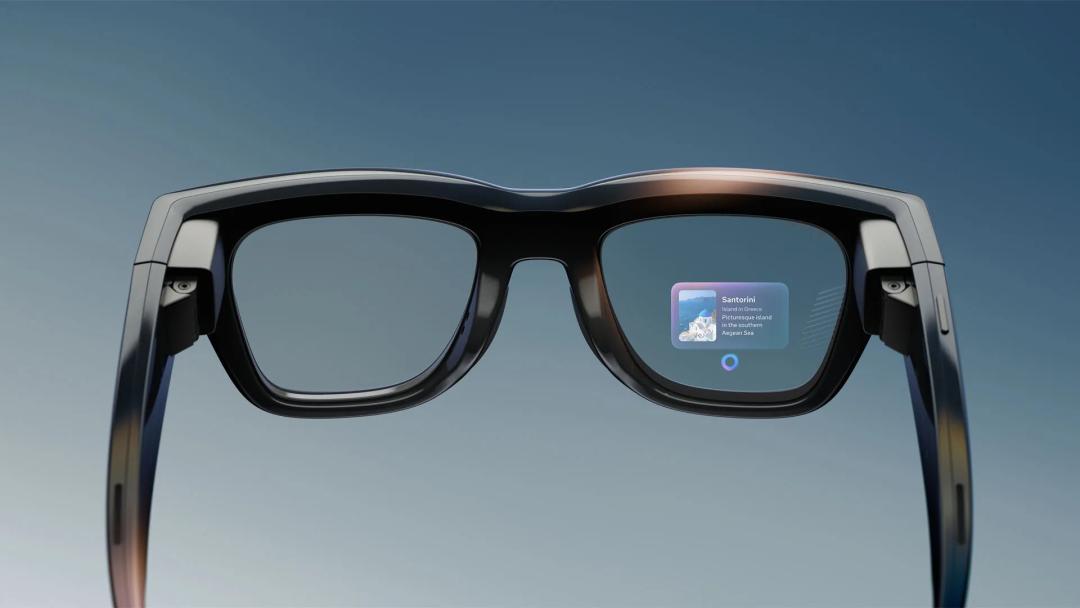
Core Insights - Meta has launched three differentiated AI smart glasses targeting various user needs, emphasizing the importance of smart glasses in enhancing user experience without interrupting reality [1][12] - The introduction of a developer platform allows third-party developers to create applications utilizing the glasses' sensors and AI capabilities, expanding the ecosystem [9][11] Product Overview - The flagship product, Meta Ray-Ban Display, features a high-resolution display priced at $799, with a transparent heads-up display (HUD) that is visible only to the wearer and has a brightness of 5000 nits [2][4] - The second-generation Ray-Ban Meta is priced at $379, offering improved battery life of 8 hours and a 12-megapixel camera capable of 3K video recording [6] - The Oakley Meta Vanguard, priced at $499, is designed for durability and sports use, featuring IP67 water resistance and a battery life of up to 9 hours [8] AI and Developer Platform - Meta's smart glasses incorporate advanced AI features, including real-time translation and environmental recognition to assist users, particularly those with visual impairments [11][12] - The "Wearables Device Access Toolkit" enables developers to create applications that leverage the glasses' capabilities, with initial partnerships including Twitch and Disney [9][12] Market Position and Competition - Meta's smart glasses represent a transition towards augmented reality (AR), with plans for a more advanced AR headset, Orion, expected in 2027 [12] - Chinese brands like Huawei and Xiaomi are emerging in the smart glasses market, offering competitive pricing and localized features, which may challenge Meta's market position [12][13] - The supply chain for smart glasses is heavily concentrated in China, with over 80% of manufacturers located there, providing local brands with cost advantages and faster technology iterations [13]


AI眼镜,这次能成吗?
3 6 Ke· 2025-08-21 11:05
Core Insights - The year 2025 is anticipated to be the "year of AI glasses," with significant growth projected in both global and Chinese markets [1] - Major companies like Xiaomi, Alibaba, and China Telecom are entering the AI glasses market, indicating a competitive landscape [1][2][3] - Despite initial consumer enthusiasm, there are notable concerns regarding product quality and functionality, leading to negative feedback from early adopters [1][11] Group 1: Market Overview - IDC forecasts that global smart glasses shipments will reach 14.5 million units in Q1 2025, with China accounting for 2.9 million units, representing year-on-year growth of 42.5% and 121.1% respectively [1] - Xiaomi's AI glasses sold over 10,000 units within 12 hours of launch, topping sales charts [2] - Alibaba's Quark AI glasses will integrate deeply with its ecosystem, offering unique features compared to existing products [2] Group 2: Product Developments - China Telecom launched its Tianyi AI smart glasses, featuring advanced imaging technology and a competitive price point [3] - HTC introduced the VIVE Eagle AI smart glasses, emphasizing long battery life and high-quality audio capabilities [4] - Li Auto is developing AI glasses in collaboration with Goertek, focusing on advanced imaging and payment functionalities [5] Group 3: Supply Chain Dynamics - The AI glasses market is characterized by a "hundred glasses war," with a focus on resolving core technology issues such as chips and AI capabilities [6] - The cost of AI glasses is significantly influenced by the chip, which accounts for 30% to 40% of the total product cost [6] - Various chip architectures are being explored to balance performance and cost, including SoC and dual-core solutions [6][7] Group 4: Challenges and Consumer Feedback - Early sales data indicates a decline in demand for Xiaomi's AI glasses, with a high return rate of 40% to 50% due to performance issues [11] - Common complaints include poor battery life, slow response times, and inadequate user experience [11][12] - Historical precedents, such as Google Glass and Microsoft's HoloLens, highlight ongoing challenges in the wearable tech space [12][13][14] Group 5: Future Outlook - For AI glasses to succeed, manufacturers must address hardware supply chain issues and enhance AI technology [15] - Consumer concerns include high prices, software performance, and data privacy, which need to be addressed for broader adoption [15] - The concept of "killer applications" for AI glasses is still under exploration, with suggestions for a shift from traditional apps to more streamlined interactions [15]