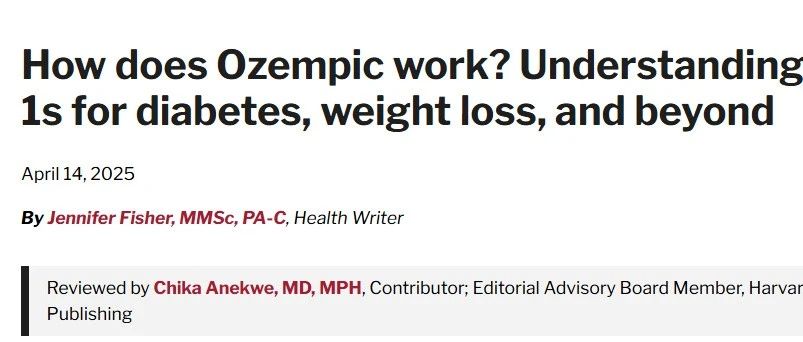
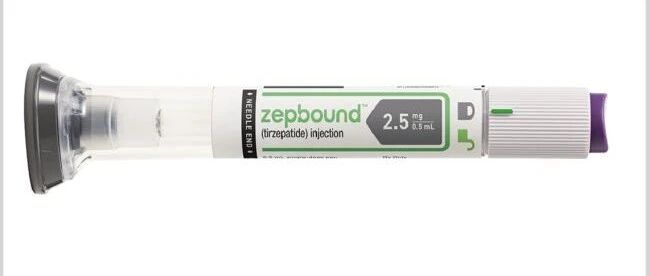
替尔泊肽(Zepbound)

Search documents
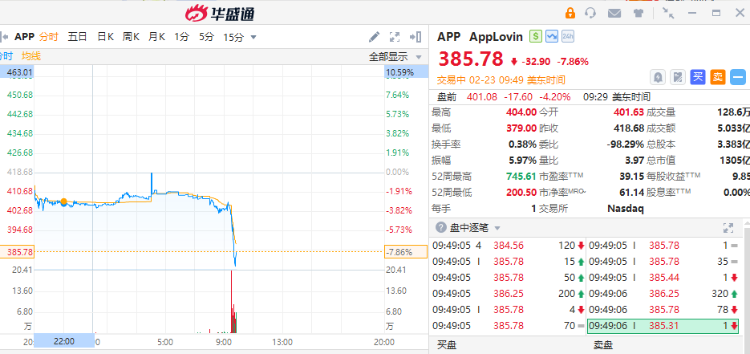
美股异动 | 存储概念Sandisk逆势领涨5%!软件板块再度暴跌,AppLovin大跌超8%
Xin Lang Cai Jing· 2026-02-23 15:32
Core Viewpoint - The U.S. stock market opened lower with significant fluctuations, while the storage concept Sandisk rose by 5%, contrasting with the mixed performance of major tech stocks, where Nvidia increased by over 1% and Tesla, Microsoft, and Amazon fell by more than 2% [1] Group 1: Stock Performance - The three major U.S. stock indices experienced a low opening and volatility [1] - Sandisk, a storage concept stock, led the gains with a rise of 5% [1] - Major tech stocks showed a mixed performance, with Nvidia up over 1% and Tesla, Microsoft, and Amazon down more than 2% [1] Group 2: Software Sector - The software sector faced a significant decline, with AppLovin dropping over 8% [1] - DoorDash saw a decrease of over 7%, while Palantir and CrowdStrike fell by more than 5% [1] - Other companies like ServiceNow and Datadog also experienced declines of over 4% [1] Group 3: Pharmaceutical Sector - Novo Nordisk's stock plummeted by 14% after the company reported that its weight loss drug Cagrisema was less effective than Eli Lilly's Zepbound [1] - In contrast, Eli Lilly's stock rose by 3% following this news [1]


司美格鲁肽多适应症获批,男性使用率或进一步增加
GLP1减重宝典· 2026-02-10 15:59
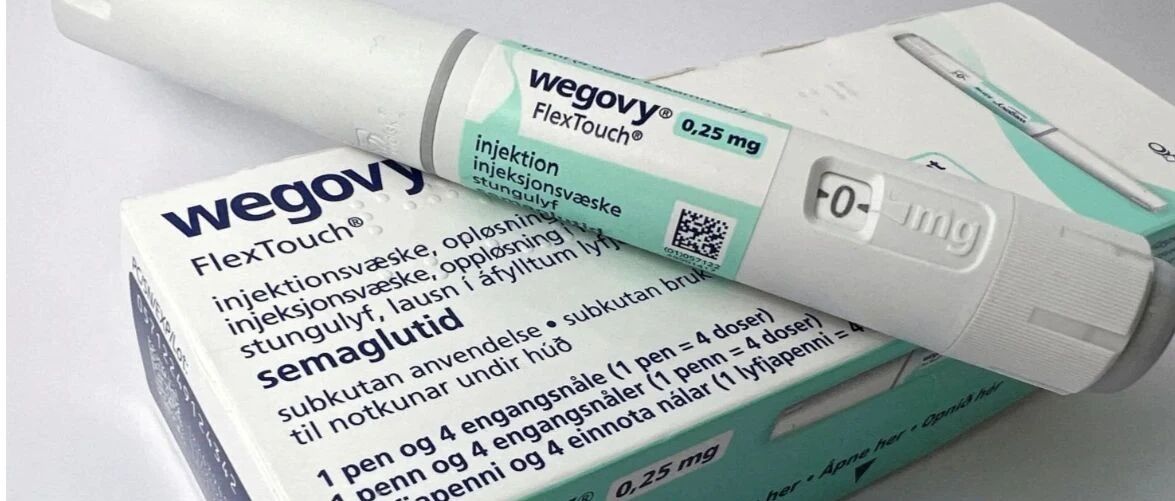
Core Viewpoint - The article discusses the gender differences in the usage of GLP-1 medications for weight loss, highlighting that women are more likely to consider these drugs earlier than men, who tend to prefer diet and exercise for weight management [4][5][6]. Group 1: Gender Differences in Usage - Women account for a higher percentage of prescriptions for GLP-1 medications, with at least 78% of Wegovy prescriptions and 76% of Zepbound prescriptions being for female patients from January to March [6]. - Men are generally less inclined to seek medical help for weight management, often relying on dietary and exercise changes instead [6][7]. - Cultural expectations contribute to the perception that men do not need to be as concerned about obesity, leading to a disparity in the use of weight loss medications [7]. Group 2: Interest in Broader Health Benefits - Men have shown significant interest in the cardiovascular and other health benefits of GLP-1 medications, with Wegovy recently approved for reducing heart disease risk and Zepbound expected to be approved for treating sleep apnea [8]. - The potential for these medications to address multiple health issues may shift the gender balance in their usage, as men begin to see them as more than just weight loss solutions [8]. Group 3: Celebrity Influence - High-profile figures like Boris Johnson and Elon Musk have publicly shared their positive experiences with GLP-1 medications, which may influence public perception and acceptance among men [9][13]. - Johnson noted a significant decrease in appetite and food intake after starting Wegovy, while Musk reported losing 30 pounds with the help of the drug [11][13]. Group 4: Mechanism of Action - GLP-1 medications like semaglutide work by stimulating hormone production that signals satiety to the brain, effectively reducing appetite [10].
Nature:有人靠“胃折叠术”告别司美格鲁肽,“肠道升温”真能逆转代谢吗?
GLP1减重宝典· 2026-01-28 10:35
Core Insights - The article discusses the challenges faced by millions who stop using GLP-1 weight loss drugs due to side effects, high costs, or supply issues, and highlights emerging alternatives for weight management [11][12]. Group 1: Demand for Alternatives Due to GLP-1 Drug Discontinuation - GLP-1 drugs like Semaglutide (Ozempic, Wegovy) and Tirzepatide (Zepbound) have a high discontinuation rate of 37% to 81% within the first year, prompting patients to seek sustainable alternatives [12]. - Factors such as unstable drug supply, annual costs averaging tens of thousands of dollars, and side effects like nausea are driving patients towards traditional weight loss methods [12]. - The popularity of GLP-1 drugs has led to renewed interest in traditional weight loss methods, creating a new treatment paradigm of "drug initiation followed by diverse follow-up" [12]. Group 2: Innovations in Surgical and Endoscopic Techniques - Traditional weight loss surgeries, such as gastric bypass and sleeve gastrectomy, have been shown to achieve long-term weight loss of 30% to 50%, but global surgical penetration remains below 1% due to patient concerns about surgical trauma [13]. - The 2022 international guidelines lowered the BMI threshold for surgery, and institutions like the Mayo Clinic are exploring "drug-surgery sequential treatment" to enhance weight loss outcomes [13]. - Endoscopic techniques are gaining attention, including Endoscopic Sleeve Gastroplasty (ESG) and Gastric Mucosal Ablation (GMA), which are less invasive and have shown promising results [14][15]. Group 3: Challenges in Popularization and Payment Systems - Despite the potential of endoscopic techniques, their global adoption faces challenges such as limited insurance coverage and the need for standardized operational techniques [16]. - The average out-of-pocket cost for ESG is around $6,000, and GMA is not yet covered by insurance [16]. - Establishing multidisciplinary weight management centers is being promoted in countries like Brazil to integrate drug, endoscopic, and surgical resources, enhancing overall treatment quality [16].

Nimbus与礼来达成合作 联合开发新型口服减肥药
Xin Lang Cai Jing· 2026-01-06 15:59
Core Insights - Nimbus Therapeutics has signed a multi-year research and licensing agreement with Eli Lilly to develop AI-driven oral therapies for obesity and other metabolic diseases [1][3] - The agreement includes an upfront payment of $55 million from Eli Lilly to Nimbus, with potential milestone payments up to $1.3 billion if the drug is successfully developed and approved [1][3] - The trend of integrating AI in drug discovery aligns with the FDA's recent push to reduce animal testing [1][3] Company Developments - Nimbus previously licensed an AI-designed compound to Takeda Pharmaceutical in 2022, with a total deal value of up to $6 billion, which is currently undergoing late-stage clinical trials [1][3] - This collaboration marks the second partnership between Nimbus and Eli Lilly, following their previous agreement to develop an oral drug for cardiac metabolic diseases [4][5] - Nimbus, based in Boston, focuses on oral drug development across various fields, including cancer, inflammatory diseases, and metabolic diseases [4][5] Industry Trends - Global pharmaceutical companies are competing to develop oral weight-loss medications as alternatives to injectable drugs like Novo Nordisk's semaglutide (Wegovy) and Eli Lilly's tirzepatide (Zepbound) [2][4] - The weight-loss drug market is projected to exceed $150 billion in annual revenue by the early 2030s [2][4] - The collaboration aims to leverage Nimbus's AI technology for drug candidate selection while Eli Lilly contributes its expertise in metabolic diseases [2][4]

可有效预防糖尿病的发生!替尔泊肽可将患病风险降低94%
GLP1减重宝典· 2025-12-13 14:10
Core Insights - Tirzepatide has been shown to reduce the risk of developing diabetes by 94% in prediabetic patients compared to those taking a placebo [3][5] - A study comparing Tirzepatide and Semaglutide indicates that Tirzepatide may be more effective for weight loss in overweight or obese adults [6][14] Group 1: Tirzepatide Efficacy - In a study tracking over 1,000 overweight or obese prediabetic individuals, those taking Tirzepatide lost nearly 20% of their body weight compared to placebo [5] - The drug targets GLP-1 and GIP hormones, helping to regulate blood sugar levels and appetite [5] - Approximately 81.8% of participants on Tirzepatide lost at least 5% of their body weight, compared to 66.5% on Semaglutide, with a risk ratio of 1.76 [11][13] Group 2: Comparative Study Results - The study included 18,386 participants, with an average follow-up of 165 days, and found similar gastrointestinal adverse event risks between both drug groups [8] - Weight loss percentages at different intervals showed Tirzepatide outperforming Semaglutide: 5.9% vs. 3.6% at 3 months, 10.1% vs. 5.8% at 6 months, and 15.3% vs. 8.3% at 12 months [13] - The findings contribute valuable data for understanding the effectiveness of these weight loss medications and may influence future clinical guidelines [14]
速递|中国血统GLP-1/GIP双靶减肥药,恒瑞Newco公司获6亿美元B轮融资!
GLP1减重宝典· 2025-10-17 15:51
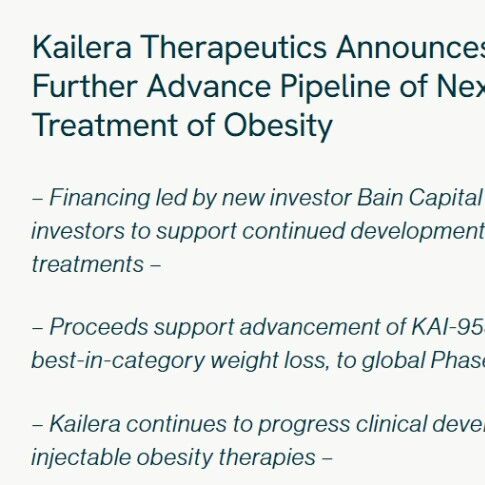
Core Insights - Kailera Therapeutics has completed a $600 million Series B financing to advance its KAI-9531 product into global Phase III clinical trials, following a previous $400 million Series A round, totaling $1 billion in funding [2] - KAI-9531 is a dual-target GLP-1/GIP receptor agonist, initially developed by HengRui Medicine, which licensed global rights (excluding Greater China) to Kailera [4] - Clinical trial results indicate that participants treated with KAI-9531 achieved an average weight loss of up to 17.7%, with 88% of participants losing at least 5% of their body weight [4][5] Financing and Development - The Series B financing was led by Bain Capital, emphasizing Kailera's strong position in the weight loss sector [2] - The total funding of $1 billion positions Kailera as a significant player in the weight loss market [2] Clinical Efficacy - In a Phase II trial published in July 2024, KAI-9531 demonstrated that 91.8% of participants lost at least 5% of their body weight, with an average weight reduction of 16.8% [5] - The safety profile of KAI-9531 aligns with existing GLP-1 treatments, with most adverse events being mild to moderate and gastrointestinal in nature [4][6] Competitive Landscape - The only currently approved GLP-1/GIP dual-target receptor agonist is Zepbound, which received FDA approval in November 2023, showcasing the competitive nature of the market [5] - Kailera is also developing two additional obesity treatment drugs, KAI-7535 and KAI-4729, to further enhance its pipeline [6]

减肥药市场变局:用司美格鲁肽打开市场的诺和诺德为何增速放缓?| 声动早咖啡
声动活泼· 2025-08-27 08:03
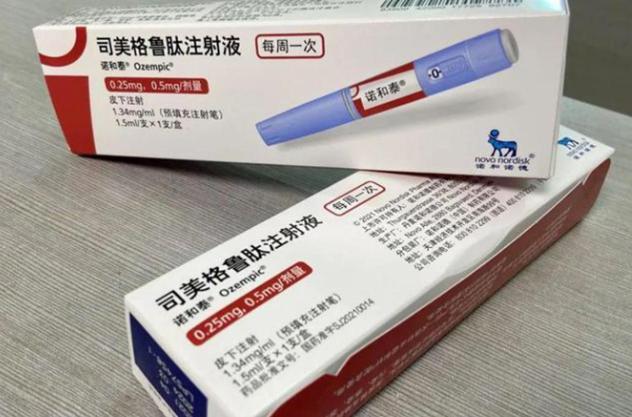
Core Viewpoint - Novo Nordisk, a Danish pharmaceutical giant, has seen significant success with its GLP-1 drugs, Ozempic and Wegovy, but faces challenges in the U.S. market due to increased competition and pricing strategies [3][5][6]. Group 1: Company Overview - Novo Nordisk was established in 1923 and initially focused on insulin and diabetes treatment. It merged with Novo Industri in 1989 to form the current group [2]. - The company produces half of the world's insulin today [2]. Group 2: Product Development and Market Performance - The discovery of GLP-1 hormone in the 1980s led to the development of semaglutide, which mimics GLP-1's effects, resulting in the approval of Ozempic for type 2 diabetes in 2017 and Wegovy for weight loss in 2021 [3]. - Wegovy's sales increased over threefold in 2023, with over 90% of revenue coming from the U.S. market [3][5]. - Despite strong initial sales, Novo Nordisk revised its growth expectations for Wegovy in the U.S. due to a significant slowdown, leading to a stock price drop of over 30% [5][6]. Group 3: Competitive Landscape - Other pharmaceutical companies, including Eli Lilly and Roche, are entering the GLP-1 market, with Eli Lilly's tirzepatide (Zepbound) gaining a market share of nearly 60% in the U.S. by July 2023 [6][7]. - Tirzepatide has shown superior weight loss results compared to semaglutide, achieving a 20% weight reduction over 72 weeks compared to semaglutide's 13% [6]. Group 4: Pricing and Accessibility Issues - Wegovy's monthly cost is $1,300, while Zepbound is priced at $1,080, making it less accessible to patients [7]. - Only one-third of U.S. insurance covers weight loss medications, limiting patient access to Wegovy [7]. - Eli Lilly has introduced a smaller, more affordable version of Zepbound and has a direct-to-consumer sales model, enhancing accessibility [7]. Group 5: Supply Chain and Regulatory Challenges - Wegovy faced supply shortages, with initial doses meeting only 60-90% of prescription demand in the U.S. [8]. - In 2022, semaglutide was listed as a shortage drug, leading to the rise of compounded alternatives, which are significantly cheaper [9]. - Novo Nordisk has been expanding production capacity and has faced legal challenges due to the rise of compounded drugs [10]. Group 6: Patient Retention and Market Dynamics - The one-year discontinuation rate for GLP-1 drugs exceeds 50%, attributed to cost, side effects, and perceived ineffectiveness [11]. - Novo Nordisk is also facing competition from generic versions of semaglutide as patents expire in various markets [11]. Group 7: Strategic Responses - Novo Nordisk has partnered with CVS to ensure Wegovy is the only option for patients using CVS insurance for obesity treatment [12]. - The FDA is expediting the approval of new indications for Wegovy, which may strengthen its market position beyond diabetes and obesity [12].


美企“奉旨山寨”,丹麦原公司市值蒸发近5000亿
Guan Cha Zhe Wang· 2025-07-30 14:46
Core Viewpoint - Novo Nordisk has significantly lowered its 2025 performance guidance, anticipating a substantial decline in sales and profit growth, marking the second downward revision this year [1][3]. Group 1: Financial Performance - The company expects its annual sales growth rate to be between 8% and 14%, down from the previous estimate of 13% to 21% made in May [3]. - Profit growth expectations have also been revised down from 16% to 24% to a new range of 10% to 16% [3]. - In the first half of the year, sales growth was reported at 18%, with operating profit increasing by 29%, excluding currency fluctuations [3]. Group 2: Market Impact - Novo Nordisk's stock price plummeted over 23% following the announcement, resulting in a market capitalization loss exceeding 60 billion euros (approximately 495 billion RMB) [1][4]. - The decline in stock price reflects competitive pressures from rivals like Eli Lilly and the impact of U.S. generic drugs on the market [4][6]. - The FDA's previous allowance for generic versions of Novo Nordisk's weight loss drugs due to "serious shortages" has led to ongoing challenges for the company, despite the FDA terminating this permission [6]. Group 3: Leadership Changes - Following the stock price drop, Novo Nordisk announced a leadership change, appointing Maziar Mike Dusseldorp as the new CEO, replacing Lars Fruergaard Jørgensen [4]. Group 4: Industry Context - The competitive landscape in the U.S. weight loss market is intensifying, with concerns about potential price wars between Novo Nordisk and Eli Lilly [7]. - The ongoing issues with generic drugs and market competition highlight the vulnerability of pharmaceutical companies to regulatory decisions and market dynamics [6][7].
“下一代减肥药”MariTide有望迎“双面突破”! 安进(AMGN.US)迈向价值重估之路
Zhi Tong Cai Jing· 2025-06-19 09:28
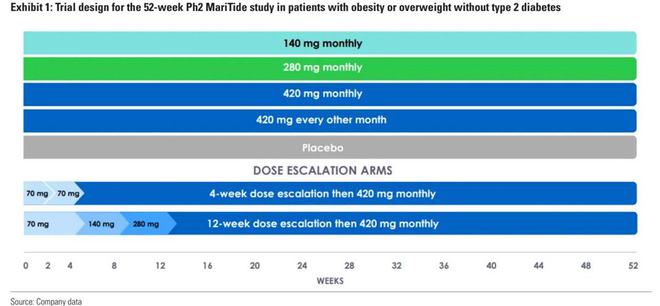
Core Viewpoint - Amgen is set to present complete Phase II clinical data for its next-generation weight loss drug MariTide at the American Diabetes Association (ADA) annual meeting on June 23, 2025, which is expected to be a significant catalyst for the company's stock price and the weight loss drug sector overall [1][2]. Group 1: Clinical Data and Efficacy - The Phase II trial for MariTide targets overweight or obese patients without type 2 diabetes and lasts for 52 weeks, with topline data expected to cover most key metrics [1]. - Goldman Sachs anticipates that the complete data release will provide additional insights not included in the previously released summary data, enhancing understanding of MariTide's clinical characteristics [1][3]. - Initial reports indicate that MariTide achieved nearly a 20% average weight reduction over 52 weeks, surpassing current leading weight loss therapies [4][6]. Group 2: Safety and Tolerability - Concerns regarding gastrointestinal adverse events were noted, particularly in the early stages of the trial, but these events were primarily mild and decreased significantly with dose escalation [6]. - The improvement in gastrointestinal tolerability is viewed positively for MariTide's future clinical acceptance [6]. Group 3: Market Positioning and Future Prospects - Goldman Sachs believes MariTide's lower dosing frequency and milder side effects could position it uniquely in the obesity treatment market, especially in primary care settings [3]. - The company has initiated a Phase III clinical program for MariTide, focusing on obesity-related complications, including cardiovascular outcomes [3][7]. - Future data from the maintenance phase of the Phase II trial, expected in the second half of 2025, will clarify the drug's long-term efficacy and safety [7]. Group 4: Competitive Landscape - Goldman Sachs is closely monitoring other significant obesity-related research data, including results from Eli Lilly and Novo Nordisk's trials, which are expected to be released around the same time as MariTide's data [9][11].

礼来CEO亲自表示:服用替尔泊肽,每天减少摄入800大卡!
GLP1减重宝典· 2025-05-07 03:12
Core Insights - The core viewpoint of the article emphasizes the significant impact of the drug Tirzepatide (Zepbound) on weight loss and its potential effects on the food industry, as well as the growing demand for this medication following its FDA approval in late 2023 [2][10]. Group 1: Drug Efficacy and Impact - Patients using Tirzepatide reportedly reduce their daily caloric intake by approximately 800 calories, equivalent to one meal, contributing to weight loss [1][2]. - In clinical trials, adults taking the highest dosage of Tirzepatide experienced an average weight loss of 22.5% [2]. - A study conducted by Fudan University confirmed that Tirzepatide is safe and effective for weight reduction in Chinese adults, with participants losing an average of 16.1 kg over 52 weeks [6][7]. Group 2: Market Dynamics and Competition - Tirzepatide belongs to the rapidly growing GLP-1 class of drugs, which mimic gut hormones to regulate blood sugar and suppress appetite [5]. - Eli Lilly's main competitor in the GLP-1 space is Novo Nordisk, which produces Ozempic and Wegovy, both containing the active ingredient Semaglutide [8]. - The rise of GLP-1 drugs has led to increased stock prices for companies like Eli Lilly, but there are concerns about potential downstream effects on the food and beverage industry [10].