Welink3智能交互系统

Search documents
2026年中国智能座舱解决方案行业政策、产业链、市场规模、市场结构、竞争格局、重点企业及发展趋势分析研判:AI技术快速迭代推进行业进一步发展,科技企业纷纷加速布局,竞争日益激烈[图]
Chan Ye Xin Xi Wang· 2025-12-27 02:22
Core Insights - The smart cockpit solution is a comprehensive solution for automotive cockpits equipped with intelligent in-car products and systems, serving as the interactive hub and experience terminal for smart vehicles, especially in the context of L3-level autonomous driving and the redefined human-vehicle relationship [1][6] - The market for smart cockpit solutions in China is expected to grow significantly, reaching 154.4 billion yuan by 2025 and 182.8 billion yuan by 2026, driven by rising consumer income and evolving demands for enhanced in-car experiences [6][8] Industry Definition and Classification - Smart cockpits are a key component of smart connected vehicles, integrating driving information and in-car applications to provide a high-tech, efficient experience for users [2][3] - Smart cockpit solutions can be categorized into software solutions, hardware solutions, and other systems, with software solutions projected to account for approximately 32.25% of the market by 2025 [4][8] Market Size and Structure - The smart cockpit solutions market in China is projected to grow from 44.2 billion yuan in 2020 to 154.4 billion yuan in 2025, with software solutions expected to reach about 49.8 billion yuan and hardware solutions about 104.6 billion yuan by 2025 [6][8] - By 2026, the software solutions market is expected to grow to approximately 60.5 billion yuan, while hardware solutions will reach about 122.3 billion yuan [8] Industry Trends - The industry is experiencing rapid evolution, with trends moving towards AI integration, deeper cockpit-driver fusion, and advancements in display technology, driven by policy support and increasing consumer demand for smart driving experiences [19][20] - AI technology is becoming a core engine for upgrading smart cockpit solutions, with AI-driven software solutions expected to capture 15-20% of the market by 2024 and potentially 35-40% by 2030 [10][11] Competitive Landscape - The competitive landscape is shifting from traditional supply chains to a complex ecosystem involving major players from automotive, consumer electronics, internet, software, and semiconductor industries [12][14] - Key players in the smart cockpit solutions market include companies like Joyson Electronics, Nanjing Siwei Zhili Technology, and Baotai Internet of Vehicles, among others [12][13] Key Companies Overview - Joyson Electronics focuses on transforming vehicles into intelligent partners through its self-developed operating system and AI architecture, providing differentiated cockpit solutions [16][17] - Nanjing Siwei Zhili Technology specializes in full-stack smart cockpit solutions, with significant revenue contributions from both software and integrated solutions [18] - Baotai Internet of Vehicles offers comprehensive smart cockpit and connected vehicle solutions, emphasizing a combination of software, hardware, and cloud services to meet diverse customer needs [19]


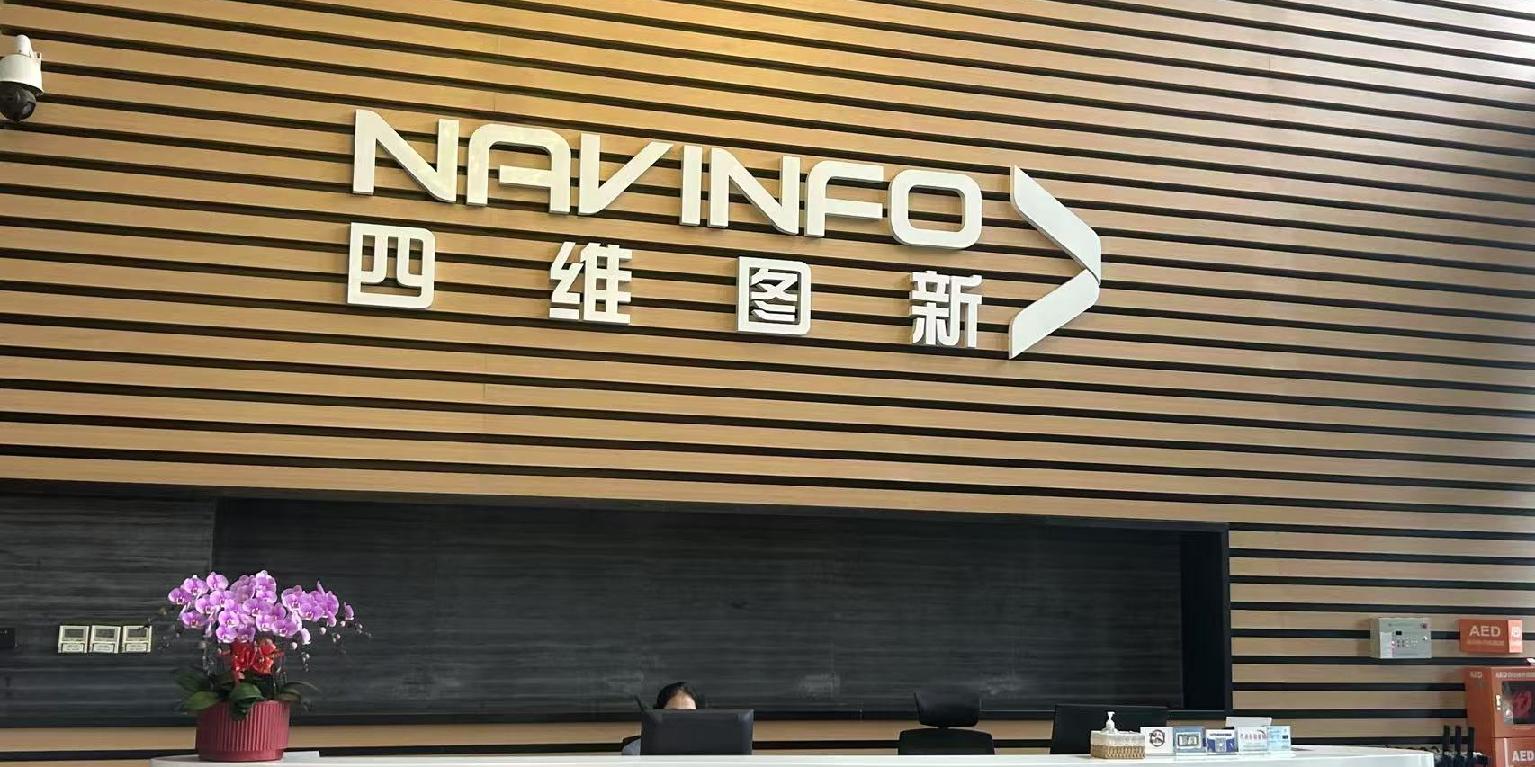
拟自建工厂摆脱“大客户依赖” 四维智联冲刺港股IPO
Jing Ji Guan Cha Wang· 2025-07-03 15:10
Core Viewpoint - Four-dimensional Zhihui, a subsidiary of Four-dimensional Tuxin, has submitted its IPO application to the Hong Kong Stock Exchange, aiming to navigate the reshuffling in the intelligent connected vehicle industry while facing significant financial challenges [2]. Group 1: Company Overview - Four-dimensional Zhihui, established in 2018, focuses on providing comprehensive software and hardware solutions for intelligent cockpits, including AI assistants and navigation systems [3]. - The company ranks tenth among domestic primary intelligent cockpit solution providers, with a market share of only 0.1% [2]. Group 2: Financial Performance - From 2022 to 2024, Four-dimensional Zhihui is projected to incur cumulative losses of 847 million yuan, averaging annual losses of 280 million yuan, with an operating cash flow of only 89.88 million yuan in 2024 [2][4]. - Revenue figures for Four-dimensional Zhihui from 2022 to 2024 are 539 million yuan, 477 million yuan, and 479 million yuan, respectively, while losses increased from 203 million yuan to 378 million yuan during the same period [4]. Group 3: Customer Dependency - The company has a high customer concentration, with the top five clients contributing to 92.2% of revenue by 2024, including major shareholders like Four-dimensional Tuxin and Didi [4]. - Didi alone contributed approximately 1.726 billion yuan to Four-dimensional Zhihui's revenue in 2024, accounting for 37.2% of total revenue [4]. Group 4: Research and Development - Four-dimensional Zhihui's R&D expenditures from 2022 to 2024 were 113.1 million yuan, 103.4 million yuan, and 209.6 million yuan, with R&D spending as a percentage of revenue rising from 21% to 43.8% [5]. - The company is focusing on solutions based on computing power chips, indicating a commitment to maintaining high R&D investments amid increasing competition in the intelligent cockpit sector [5]. Group 5: Supply Chain and Production - Four-dimensional Zhihui relies heavily on external suppliers for hardware production, which affects its profitability and production quality [6]. - The company aims to establish its own assembly factory to enhance control over production processes and reduce dependency on external suppliers, thereby lowering production costs and supply chain risks [7].