Windows XP

Search documents
Win11 被 WinXP 吊打?微软六代系统“对决”,Bug11 几乎全线垫底……
程序员的那些事· 2026-01-19 01:36
Core Viewpoint - Windows 11 has been criticized for high resource usage, strict hardware requirements, and poor performance compared to older versions, with a recent test showing it ranked last in multiple performance metrics [1][35]. Performance Comparison - A YouTuber conducted a comparison test using six generations of Windows on outdated hardware, revealing that Windows 11 consistently performed poorly, even compared to Windows XP and 8.1 [1][35]. - The test utilized a Lenovo ThinkPad X220 from 2012, featuring an Intel Core i5-2520M processor, 8GB of RAM, and a 256GB mechanical hard drive, which inherently favored older systems [3][5]. Boot Speed - Windows 8.1 had the fastest boot time, while Windows 11 was significantly slower, suffering from prolonged loading times even after booting [6][8]. Storage Usage - Windows XP had the lowest storage usage at 18.9GB, while Windows 11 consumed 37.3GB, indicating its bulkiness. Interestingly, Windows 7 and Vista had even higher storage requirements [9]. Memory Management - Windows XP excelled in memory management, using only 0.8GB of RAM when idle, whereas Windows 11 averaged 3.3GB, attributed to numerous background services [11][13]. Browser Performance - In a test of how many browser tabs could be opened, Windows 11 managed only 49 tabs, while Windows 8.1 opened 252 tabs, showcasing a significant performance gap [14][16]. Battery Life and Media Processing - Windows 11 was the first to shut down in battery life tests, while Windows XP had the longest battery life. The differences were minimal, around two minutes [17]. - In audio export tests, Windows 11 ranked fifth, and in video rendering, it again placed last, with Windows 10 taking the top spot [19]. Application Launch Speed - Windows 11 performed poorly in application launch speed tests, ranking last in all five tested applications [21]. Web Browsing and File Transfer - Windows 11 ranked third in web image loading tests but fell to last place in switching to Google images and Microsoft account login pages [24]. - It achieved second place in file transfer tests, only behind Windows 10 [26]. Benchmark Performance - In CPU-Z tests, Windows XP had the best single-core performance, while Windows 7 excelled in multi-core performance. Windows 11 had slightly better single-core results but was underwhelming in multi-core tests [27]. - Windows 11 ranked third in CrystalDiskMark tests, while Windows XP was the top performer [29]. - In Cinebench R10 tests, Windows 8.1 secured second place in single-core performance, while Windows 11 ranked fourth [31]. Overall Summary - Windows 11 did not win any tests and was described as having a "disastrous performance." Windows 8.1 was declared the overall winner, praised for its speed and stability despite previous criticisms [35]. - The testing hardware was outdated, which may not accurately reflect Windows 11's performance on modern systems, particularly with the absence of SSDs, which significantly enhance system performance [35].


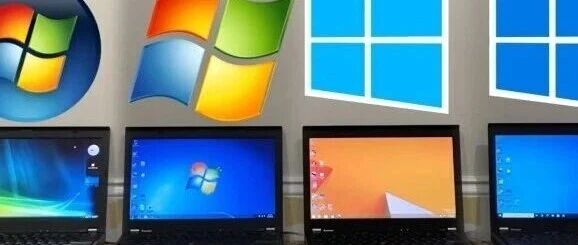
最年轻的Win11,被24岁的WinXP吊打了?六代系统同台“对决”,Win11几乎全线垫底……
猿大侠· 2026-01-11 04:11
Core Viewpoint - Windows 11 has been criticized for high resource usage, strict hardware requirements, and poor performance compared to older versions, particularly in a recent test where it ranked last across multiple benchmarks [1][33]. Group 1: Performance Testing Results - In boot speed tests, Windows 8.1 performed the best, while Windows 11 was the slowest, experiencing significant delays even after booting [6][8]. - Windows XP won the storage usage test with only 18.9GB used, while Windows 11 consumed 37.3GB, making it appear bloated [9]. - In memory management, Windows XP used only 0.8GB of memory while Windows 11 averaged 3.3GB, attributed to numerous background services [11]. - Windows 11 could only open 49 browser tabs in a test, ranking last, while Windows 8.1 opened 252 tabs [16]. - In battery life tests, Windows 11 was the first to shut down, while Windows XP had the longest battery life, with differences being minimal [17]. - Windows 11 ranked last in audio export and video rendering tests, with Windows 10 performing the best overall [19]. Group 2: Software and Benchmark Performance - In application launch speed tests, Windows 11 consistently ranked last across five different applications [21]. - Windows 11 managed to secure third place in web image loading tests but fell back to last in other web-related tests [24]. - In file transfer tests, Windows 11 achieved second place, just behind Windows 10 [26]. - In CPU-Z tests, Windows 11 showed slightly better single-core performance but lagged in multi-core performance compared to older systems [27]. - Windows 11 ranked third in CrystalDiskMark tests, while Windows XP took the top spot [29]. Group 3: Overall Assessment - The overall performance of Windows 11 was deemed "disastrous," with no wins in any of the tests conducted, leading to Windows 8.1 being declared the champion [33]. - The testing hardware was criticized for being outdated, which may not accurately reflect Windows 11's performance on modern systems [33]. - Despite the unfairness of the test conditions, the results have led to a reevaluation of Windows 8.1, with users expressing nostalgia for its performance [34].
用了20+年的Windows激活方式,被一夜作废,Win11/Win10电话激活突然失效,微软没公告、没通知
3 6 Ke· 2026-01-04 12:14
Core Viewpoint - Microsoft has quietly discontinued the phone activation method for Windows, which has been a crucial offline activation option for many users, especially in secure environments where internet access is restricted [1][3][6]. Group 1: Activation Methods - Microsoft has traditionally offered two activation methods: online activation via the internet and phone activation for offline scenarios [3]. - Phone activation has been a reliable method since the Windows XP era, essential for organizations that cannot connect to the internet [3][10]. - The removal of the phone activation option effectively eliminates the last remaining offline activation method, following the previous removal of unofficial KMS activation [3][6]. Group 2: User Experience and Reactions - Users have reported that when attempting to use phone activation, they receive an automated message directing them to activate online instead [6]. - Despite the automated response, Microsoft's official support documentation still claims that phone activation is available, creating confusion among users [4][6]. - The discontinuation of phone activation has led to significant backlash from users, who feel that Microsoft is increasingly making the Windows operating system reliant on online services, detracting from its functionality as a local operating system [7][8]. Group 3: Impact on Specific Environments - The removal of phone activation poses a structural challenge for environments such as government units, industrial control systems, and other secure networks that cannot connect to the internet [10]. - These environments previously relied on a specific activation process that is now rendered obsolete, leading to operational difficulties [7][10].
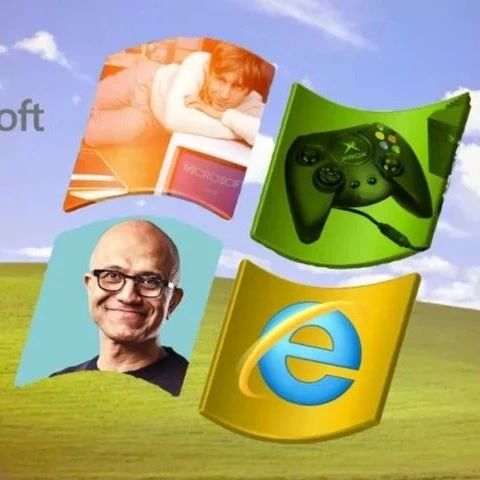
微软的「50岁生日」,过得真不容易
36氪· 2025-04-08 14:36
Core Viewpoint - Microsoft has navigated through numerous challenges over its 50-year history, demonstrating resilience and adaptability, ultimately becoming one of the most valuable and stable technology giants in the world [4][11][75]. Group 1: Historical Milestones - In the late 1970s, Microsoft secured a pivotal contract with IBM by acquiring and repackaging the QDOS operating system, which laid the foundation for its dominance in the PC industry [15][19]. - The 1990s saw Microsoft engage in a controversial "browser war" against Netscape, where it bundled Internet Explorer with Windows, leading to significant market share but also legal challenges [26][30]. - The launch of Windows XP in the early 2000s marked a turning point, as it became the most successful operating system in Microsoft's history, achieving a peak market share of 76% [35]. Group 2: Strategic Decisions - Microsoft made a significant gamble by entering the gaming market with the launch of Xbox in 2001, which, despite initial losses of approximately $4 billion, established a strong foothold in the gaming industry [45][49]. - The transition of leadership from Steve Ballmer to Satya Nadella in 2014 marked a cultural shift within Microsoft, focusing on cloud computing and open-source collaboration, which revitalized the company's growth [50][62]. - Under Nadella, Microsoft made a strategic investment in OpenAI, recognizing the potential of AI and integrating it into its core products, which positioned the company at the forefront of the AI revolution [67][74]. Group 3: Current Position and Future Outlook - Microsoft has successfully transformed itself from a software-centric company to a leader in cloud computing and AI, showcasing its ability to adapt to changing technological landscapes [75]. - The partnership with OpenAI has not only enhanced Microsoft's product offerings but also injected a renewed sense of innovation and competitiveness into the company [73][74]. - As Microsoft celebrates its 50th anniversary, it stands as a testament to resilience, strategic foresight, and the ability to reinvent itself, ensuring its relevance in the tech industry for the next fifty years [75].