TechCrunch

Search documents
Meta unveils new smart glasses with a display and wristband controller
TechCrunch· 2025-09-18 00:25
Core Insights - Meta has launched a new pair of smart glasses called Ray-Ban Meta Display, featuring a built-in display for apps, alerts, and directions, controlled by a wristband called Meta Neural Band [1][2][4] - The glasses are priced at $800 and are expected to be available for purchase in a couple of weeks [2] - This product represents Meta's ongoing efforts to create consumer smart glasses that can perform tasks traditionally done on smartphones, aiming to reduce reliance on competitors' devices [3][12] Product Features - The Ray-Ban Meta Display builds on the success of the original Ray-Ban Meta smart glasses, which have sold millions of units in partnership with EssilorLuxottica [4] - The glasses include an AI assistant, cameras, speakers, and microphones, allowing users to connect to the internet and access social media apps [4][5] - Users can display Meta apps like Instagram, WhatsApp, and Facebook, as well as view directions and live translations [5] Technology and Control - The Meta Neural Band, which resembles a Fitbit without a screen, allows users to navigate apps using subtle hand gestures, with a battery life of 18 hours and water resistance [5][6] - The device utilizes electromyography (EMG) to detect signals between the brain and hand for gesture control, positioning it as a new interface for device interaction [6] Market Position and Competition - Meta aims to be first to market with a functional smart glasses product, although the Ray-Ban Meta Display is less advanced than the previously showcased Orion smart glasses, which featured augmented reality capabilities [11] - There is anticipation that competitors like Google and Apple will release their own smart glasses in the future, potentially integrating them with their operating systems, which could pose a challenge for Meta [12]



Meta unveils its new Oakley Meta Vanguard smart glasses for athletes
TechCrunch· 2025-09-18 00:15
Core Insights - Meta has launched the Oakley Meta Vanguard smart glasses, priced at $499, aimed at athletes, with availability starting October 21, 2025 [1] Product Features - The glasses feature a large unified front lens, capable of capturing video in up to 3K resolution, and include a 12-megapixel camera with a 122-degree wide-angle lens [2] - A programmable button allows users to trigger custom AI prompts via the Meta AI app, designed for comfortable use with helmets [3] - Battery life extends up to nine hours, with six hours of continuous music playback, and a charging case provides an additional 36 hours of charge [4] - The glasses include open-ear speakers that are six decibels louder than previous models, and a five-microphone array optimized for reducing wind noise [6] - They have an IP67 dust and water resistance rating, the highest among Meta's smart glasses, and feature Oakley PRIZMTM Lens technology for enhanced protection against sun, wind, and dust [7] Integration and Compatibility - The glasses can integrate with Garmin smartwatches, allowing users to access stats like heart rate and pace during activities, and can also work with Strava for performance metrics overlay on captured videos [9] Availability and Variants - Oakley Meta Vanguard will be available in multiple regions including the U.S., Canada, U.K., and several European countries, with plans for launches in Mexico, India, Brazil, and the UAE later this year [12] - The glasses come in four frame and lens color options [11] Competitive Context - This announcement follows the earlier release of the Oakley Meta HSTN smart glasses, which were positioned as the first product for athletes, and coincides with the introduction of new Ray-Ban branded smart glasses with enhanced features [13]

Eric Baker's long, winding road to taking StubHub public
TechCrunch· 2025-09-17 23:33
Core Insights - StubHub went public with an IPO price of $23.50, closing 6% below that price, which values the company at over $7 billion, highlighting the perseverance of its co-founder Eric Baker [1] Company History - StubHub was co-founded by Eric Baker and Jeff Fluhr in 2000 during their time at Stanford, shortly after the dotcom bubble burst [1] - Baker was pushed out of the company in 2004 due to differences in vision with Fluhr [2] - In 2005, Baker founded Viagogo in London, aiming to merge it with StubHub in the future [3] - In 2019, eBay spun off StubHub, and Baker acquired it for $4.05 billion with backing from investors [3] Impact of COVID-19 - The COVID-19 pandemic severely impacted StubHub, leading to a collapse in revenue due to the cancellation of live events [4][6] - The company managed to survive the pandemic and saw a significant rebound in revenue as live events resumed [6] Recent Performance - StubHub's revenue grew by 10% to $397.6 million in Q1 2025 compared to the same period last year, driven by high-demand events like Taylor Swift's Eras Tour and the Super Bowl [6] - Baker reflected on the company's journey and challenges faced, including the impact of COVID-19 [7] Ownership Structure - Eric Baker owns 4.7% of StubHub, while investors Madrone Partners, WestCap, and Bessemer Venture Partners hold 24.5%, 12.3%, and 8.8% respectively [7]
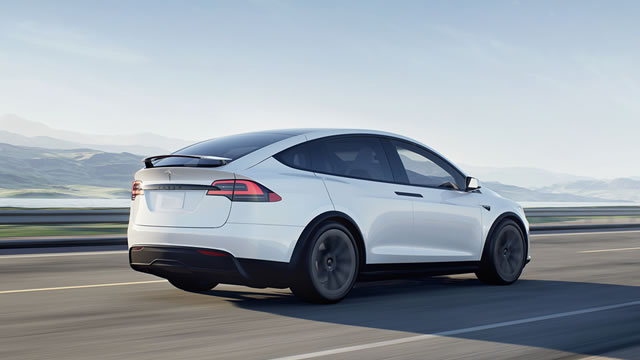
Tesla is redesigning its door handles following safety probe, Bloomberg investigation
TechCrunch· 2025-09-17 20:23
Core Viewpoint - Tesla is redesigning its door handles to enhance safety and prevent occupants from being trapped inside the vehicles following incidents reported to the NHTSA [1][3]. Group 1: Safety Concerns - The NHTSA has opened an investigation into Tesla's door handles after receiving nine complaints from owners regarding failures [3]. - Issues identified include the reliance on electronic locks that may fail without battery power and the difficulty in accessing manual door releases [3]. Group 2: Design Changes - Tesla's chief designer, Franz von Holzhausen, indicated that the company is working on a solution that combines electronic and manual door releases into a single button [3]. - The decision to rethink door handle design aligns with safety concerns raised in China, although no final regulatory action has been taken there [2].

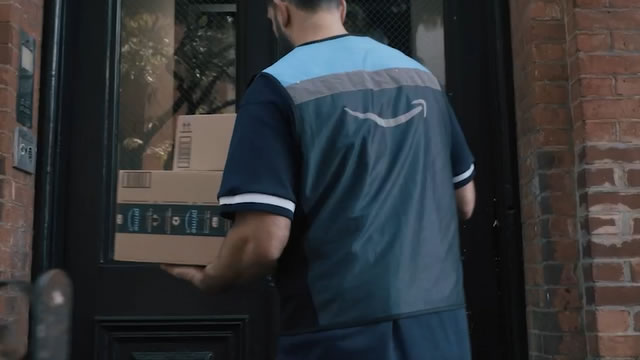
Amazon launches AI agent to help sellers complete tasks and manage their businesses
TechCrunch· 2025-09-17 14:18
Amazon announced on Wednesday that it’s introducing an always-on AI agent that will help sellers on its platform run their businesses. The company is updating Seller Assistant, its AI tool for third-party sellers, to help handle tasks on the seller’s behalf. “Our agentic AI capabilities are designed to work seamlessly throughout the entire selling experience, which means sellers can go from handling every task themselves to collaborating with an intelligent assistant that works proactively on their behalf a ...

Lyft and Waymo are partnering to bring robotaxis to Nashville
TechCrunch· 2025-09-17 13:10
Core Insights - Waymo has partnered with Lyft to launch a robotaxi service in Nashville by 2026, with testing of all-electric autonomous Jaguar I-Pace vehicles starting soon and public access expected next year [1][2] Expansion Plans - This partnership marks Waymo's continued expansion of its robotaxi services beyond Phoenix to cities including Atlanta, Austin, Los Angeles, and San Francisco, with future plans for Miami, Washington D.C., Dallas, and Denver [2] Operational Model - The agreement reflects Waymo's strategy to transition from being a sole operator to an autonomous vehicle technology provider, as seen in its previous collaborations with Uber in Atlanta and Austin, where Waymo handled vehicle testing and support while Uber managed fleet services [3] Fleet Management - In the Nashville partnership, Lyft will manage fleet services, including vehicle maintenance and infrastructure, through its subsidiary Flexdrive, and is investing in a dedicated AV facility [4] Customer Access - Unlike the Uber partnership, Nashville robotaxi customers will have two options to access rides: directly through the Waymo app initially, and later through the Lyft app as the service expands [5][6] Previous Collaborations - Waymo and Lyft have collaborated before, notably in 2019, when they integrated a limited number of self-driving vehicles into Lyft's network in Phoenix as part of Waymo's commercial robotaxi service ramp-up [8]


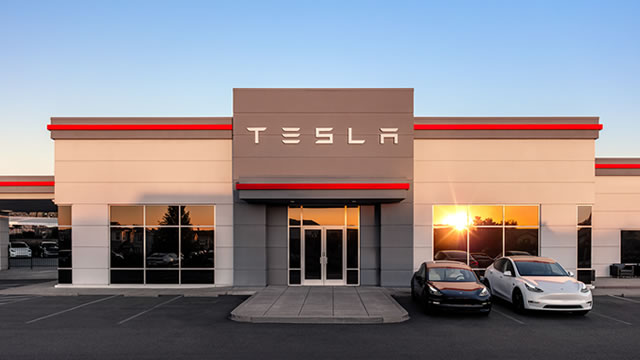
Tesla is recalling Powerwall 2 batteries over fire risk
TechCrunch· 2025-09-16 19:20
Core Points - Tesla is recalling Powerwall 2 home batteries in Australia due to reports of fires causing minor property damage, as stated by the Australia Competition and Consumer Commission (ACCC) [1] - The recall affects an unspecified number of Powerwall 2 units manufactured in the U.S. and sold between November 2020 and June 2022, with the cells produced by an unnamed third-party supplier [1] - No injuries have been reported in connection with the fires [1] Product Details - The Powerwall 2 contains 14 kWh of lithium-ion batteries and is typically installed with solar panels to store excess power generated during the day [2] - Customers can enroll their batteries in a virtual power plant to support the grid during peak loads, which extends the warranty to up to 15 years and provides access to time-of-use rates to help reduce energy bills [2] Recall Process - Homeowners will be notified via the Tesla app if their Powerwall is part of the recall, and the company is discharging the batteries to mitigate fire risks [3] - Recalled batteries will be replaced at no cost, and the company will consider compensation for lost energy savings on a case-by-case basis, as indicated by the ACCC [3]
Rivian breaks ground on $5B Georgia factory ahead of construction in 2026
TechCrunch· 2025-09-16 18:03
Core Insights - Rivian has officially begun construction on its factory in Georgia, which is expected to produce up to 400,000 electric vehicles annually once fully operational [1][2] - The factory is projected to create 7,500 permanent jobs and an additional nearly 8,000 indirect jobs through local suppliers and vendors [3][4] - The company plans to invest approximately $5 billion in the Georgia facility, with vehicle production anticipated to start in 2028 [7][14] Construction Timeline - A ceremonial groundbreaking event was held, attended by CEO RJ Scaringe and Georgia officials, although actual construction is not expected to start until the first quarter of 2026 [2][5] - Current activities are focused on preparatory work, including electrical and water system installations and access road construction [2] Job Creation and Economic Impact - The factory is expected to generate 2,000 construction jobs during its building phase [3] - Rivian has already created 47 full-time jobs and invested around $80 million in the project as of June 30 [3] Historical Context - Rivian announced plans for the Georgia factory shortly after its IPO in 2021, aiming for a larger production capacity than its existing Illinois facility [6] - The project faced delays due to local opposition and supply chain challenges, but was prioritized again in late 2024 after securing a $6.6 billion loan from the Department of Energy [11][12] Future Plans - Rivian aims for the new factory to serve a global market by 2028, indicating significant growth ambitions [14]

Waymo's Tekedra Mawakana on Scaling Self-Driving Beyond the Hype
TechCrunch· 2025-09-16 17:35
Autonomous vehicles have long been touted as “just around the corner,” but the reality of bringing self-driving cars to the streets is far from simple. At TechCrunch Disrupt 2025 — October 27–29 at Moscone West in San Francisco — Waymo co-CEO Tekedra Mawakana joins the Disrupt Stage for a wide-ranging conversation on the true state of AVs and where the industry goes from here. Inside the self-driving reality checkWhile headlines often highlight crashes, controversies, or overblown promises, Mawakana has sp ...
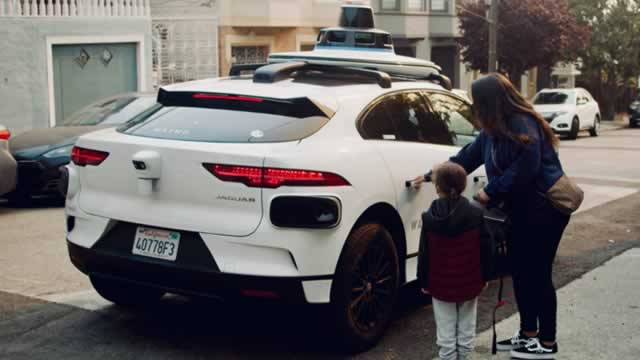
Waymo approved to start testing autonomous vehicles at San Francisco International Airport
TechCrunch· 2025-09-16 16:39
Core Points - Waymo has received a permit to test its autonomous vehicles at San Francisco International Airport (SFO), marking a significant step towards launching a commercial service [1][2] - The permit allows Waymo to conduct testing in three phases, starting with autonomous mode tests, followed by passenger service trials, and ultimately offering paid rides [3] - Waymo's expansion includes operations at Phoenix's Sky Harbor airport since 2023 and plans to explore additional locations at SFO in the future [2][4] Summary by Sections Testing and Operations - Waymo has signed a "Testing and Operations Pilot Permit" with SFO after extensive negotiations, allowing the company to begin testing its autonomous vehicles [1] - The relationship between Waymo and SFO has improved since initial rejections in 2023, leading to the current permit for mapping the airport [2] Phased Approach - The testing will occur in three phases: 1. Testing in autonomous mode with a trained specialist [3] 2. Testing passenger service with employees and airport staff [3] 3. Offering paid rides at the airport's "Kiss & Fly area" [4] Future Plans and Expansion - Waymo aims to provide rides to and from SFO, which is a strategic location given its proximity to Silicon Valley [4] - The company has been expanding its service area and partnerships, indicating a growing presence in the autonomous vehicle market [4]