Berkshire Hathaway(BRK.B)

Search documents
Todd Combs, Key Investment Manager, Just Left Berkshire Hathaway for JPMorgan Chase. Does the Shakeup Bode Well For the Stock?
The Motley Fool· 2025-12-15 10:45
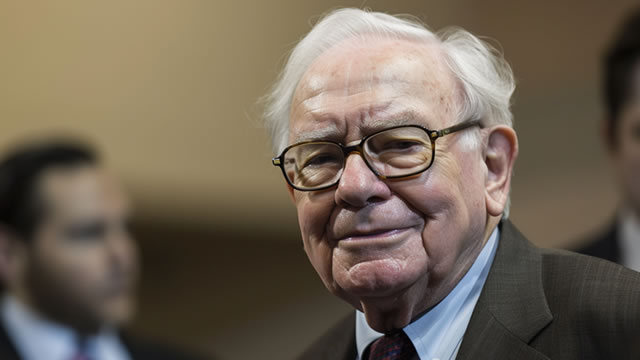
Core Insights - Berkshire Hathaway is undergoing significant management changes following Warren Buffett's announcement of his retirement after 60 years as CEO [2][3] - Todd Combs, who managed a portion of Berkshire's $312 billion equities portfolio and served as CEO of GEICO, is leaving to join JPMorgan Chase [2][6] - Greg Abel has been appointed as the new CEO, raising questions about his leadership style and the future direction of the company [3][5] Management Changes - Todd Combs' departure is notable as he was a key figure in managing about 10% of Berkshire's investment portfolio and overseeing GEICO, the largest insurance brand [5][9] - Adam Johnson, CEO of NetJets, will now also oversee consumer products, service, and retailing businesses at Berkshire [7] - Nancy Pierce will take over as CEO of GEICO, while Marc Hamburg, the CFO, is set to retire in 2027 [7] Future Outlook - The transition period may lead to uncertainty among investors, particularly regarding the stability of other key personnel like Ted Weschler [10][11] - Greg Abel's performance will be closely scrutinized as he assumes more responsibility for the company's decisions [11] - Despite the changes, there is confidence in Abel's capabilities as a capital allocator, given Buffett's endorsement [12]


1 Risky ETF to Avoid Buying in December
The Motley Fool· 2025-12-15 10:15
Core Viewpoint - December is historically a favorable month for stocks, with the S&P 500 averaging a gain of 0.6% over the past 20 years, but the Financial Select Sector SPDR ETF (XLF) may face increased risks as the month progresses [1][2]. ETF Performance and Historical Context - The Financial Select Sector SPDR ETF has increased by nearly 3% month-to-date and has averaged a December gain of 1.47% since 2010, indicating that December weakness is not typical for this fund [4][5]. Holdings and Sector Risks - U.S. Bancorp and Moody's, significant holdings in the ETF, have historically underperformed in the latter half of December, which could pose risks to the ETF's performance [6]. - The recent Federal Reserve interest rate cuts may negatively impact banks and insurance companies, which constitute over 40% of the ETF's holdings, leading to potential lower returns [8][9]. - A decrease in consumer holiday spending could adversely affect the ETF, as four of the top five U.S. credit card issuers are among its top holdings [9]. Key Holdings and Leadership Changes - Berkshire Hathaway is the largest holding in the ETF, accounting for 11.6% of its weight, but its performance has been hampered this year, with shares only up 9.21% [10]. - The retirement of CEO Warren Buffett and recent executive departures at Berkshire could introduce additional challenges for the ETF in December [11].
Meet the Stock Warren Buffett Has the Utmost Confidence In -- He Was a Buyer for 24 Consecutive Quarters
The Motley Fool· 2025-12-15 08:06
Core Insights - Warren Buffett has spent nearly $78 billion on stock repurchases since July 2018, indicating a strong belief in the intrinsic value of Berkshire Hathaway [1][21] - Buffett is set to retire at the end of the year after 60 years of leadership, during which he has achieved a cumulative return of almost 5,942,000% for Berkshire Hathaway's Class A shares [2] - Despite a historically expensive stock market, Buffett has been selective in his investments, focusing on companies with sustainable competitive advantages and strong capital-return programs [5][7] Investment Strategy - Buffett's investment philosophy emphasizes value; he only buys when he believes he is getting a good deal [5] - In recent years, Buffett has sold more stocks than he has purchased, totaling nearly $184 billion in net selling over the last 12 quarters [6] - Notable recent purchases include 17,846,142 Class A shares of Alphabet (GOOGL), reflecting confidence in the company's advertising and cloud services [9][10][11] Company Performance - Alphabet holds a dominant position in global internet search, capturing 89% to 93% of the market share, which enhances its advertising pricing power [10] - Google Cloud is expected to drive significant sales and cash flow growth, with an annual sales growth rate exceeding 30% [11] - Domino's Pizza has been a consistent investment for Buffett, with a focus on brand trust and transparency, alongside a strong growth strategy [13][14][15] Share Repurchase Activity - Berkshire Hathaway's board amended buyback rules in July 2018, allowing for unlimited repurchases if the company maintains at least $30 billion in cash and believes its stock is undervalued [19] - Between July 2018 and June 2024, Buffett has repurchased shares for 24 consecutive quarters, although there has been a 16-month period without any purchases due to high share premiums [21][22] - The share premium to book value has increased to between 60% and 80% during the period of inactivity, indicating a cautious approach to valuation [22] Long-term Confidence - Buffett has consistently expressed confidence in Berkshire Hathaway as a long-term investment, emphasizing the company's ability to thrive in various economic cycles [23][24]

知止不殆,不贪方能长赢|财富漫谈
重阳投资· 2025-12-15 07:52
Core Viewpoint - The article emphasizes the importance of controlling drawdowns in investment funds to achieve long-term success, suggesting that lower volatility often correlates with higher returns [4][7][17]. Fund Performance Analysis - From January 1, 2020, to November 20, 2025, the median return of Chinese equity mutual funds was approximately 44.78%, with an annualized compound return of about 6.45% and a median drawdown of 45.12% [5][6]. - Funds with severe drawdowns (60-80%) accounted for 12.53% of the total, with an average return of 26.8%. In contrast, funds with smaller drawdowns (15-30%) represented 10.25% and achieved an average return of 72.25% [6][7]. - The data indicates that 81.28% of funds experienced drawdowns greater than 30%, with over 50.38% facing drawdowns exceeding 45% [6]. Drawdown and Return Relationship - There is an inverse relationship between drawdown magnitude and average return; larger drawdowns lead to lower average returns. For instance, a drawdown of over 30% requires a rebound of 43% to break even [7][8]. - Funds with drawdowns between 15% and 30% achieved the highest average returns, while those with minimal drawdowns (0-15%) had lower average returns [7]. Investor Behavior and Market Dynamics - Investors often struggle to profit from highly volatile funds due to emotional reactions, leading to premature buying and selling decisions [8][10]. - The case of "Wooden Sister" (Cathie Wood) illustrates how significant volatility can lead to substantial losses for latecomers who buy at market peaks [8][10]. Investment Philosophy - The article draws parallels between investment strategies and philosophical teachings from "Tao Te Ching," advocating for moderation and the avoidance of excessive greed [17][20]. - It highlights that enduring volatility is essential for long-term investment success, as evidenced by successful investment firms that manage to withstand significant drawdowns [15][16]. Conclusion - The key takeaway is that achieving a balance between risk and return is crucial in investment, and understanding the costs associated with pursuing higher returns is essential for long-term success [22][23].


X @Investopedia
Investopedia· 2025-12-14 20:00
Berkshire Hathaway Class A vs. Class B Shares: We’ll discuss Berkshire Hathaway’s history, why the company has two class shares, and its advantages and disadvantages. https://t.co/n3yp3dpR1K ...
End of 'The Berkshire Way'? Combs' departure isn't only big change as Buffett transition nears
CNBC· 2025-12-13 14:11
Core Insights - Todd Combs' unexpected departure from Berkshire Hathaway has garnered significant attention, coinciding with Warren Buffett's impending transition of CEO responsibilities to Greg Abel [1][2] - Combs will join JPMorgan Chase to lead a $10 billion Strategic Investment Group as part of a $1.5 trillion initiative aimed at enhancing growth and innovation in U.S. companies [2][3] - The changes at Berkshire signal a shift towards a more conventional corporate structure as it prepares for its first leadership transition in decades [10][15] Personnel Changes - Todd Combs, who joined Berkshire in 2010, has been recognized for his contributions, particularly in improving GEICO's operations [3][4] - Nancy Pierce has been appointed as the new CEO of GEICO, moving up from her role as Chief Operating Officer [7] - The position of portfolio manager left by Combs remains unfilled, with uncertainty about how responsibilities will be distributed among existing managers [8][9] Management Structure - Greg Abel is expected to take on overall portfolio responsibility, but the extent of delegation to Ted Weschler is unclear [8] - Berkshire is moving away from its traditionally decentralized management style, with Abel exercising more oversight over non-insurance operations [10][12] - Adam Johnson has been appointed as President of Consumer Products, Service, and Retailing businesses, indicating a more structured management approach [12] Legal and Financial Changes - Berkshire has appointed its first general counsel, Michael O'Sullivan, marking a shift from reliance on external law firms [13] - Chief Financial Officer Marc Hamburg will retire next June after 40 years, with Charles Chang set to succeed him [14] Market Reaction - Berkshire's stock has shown resilience, with a slight decline of nearly 1% following the news, but remains down over 7% from its all-time highs in May [15][16]

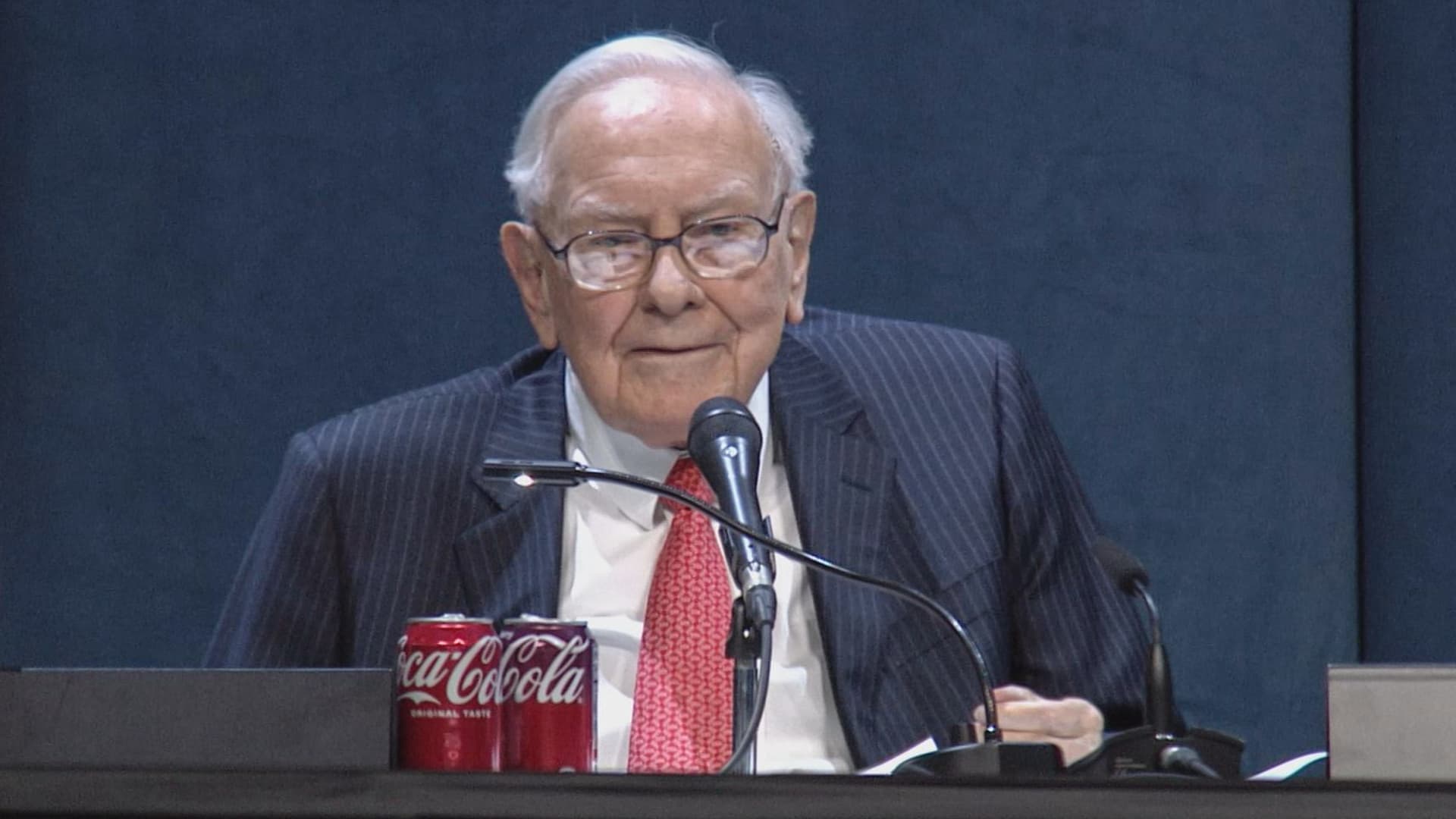
End of 'The Berkshire Way'? Combs departure isn't only big change as Buffett transition nears
CNBC· 2025-12-13 14:08
Core Insights - Todd Combs' unexpected departure from Berkshire Hathaway has garnered significant attention, coinciding with Warren Buffett's upcoming transition of CEO responsibilities to Greg Abel [1][2] - Combs will join JPMorgan Chase to lead a $10 billion Strategic Investment Group as part of a $1.5 trillion initiative aimed at enhancing growth and innovation in U.S. companies [2][3] - The changes at Berkshire signal a shift towards a more conventional management structure as it prepares for its first leadership transition in decades [10][15] Personnel Changes - Todd Combs, who joined Berkshire in 2010, has been recognized for his contributions, particularly in improving GEICO's operations [3][4] - Nancy Pierce has been appointed as the new CEO of GEICO, moving up from her role as Chief Operating Officer [7] - The role of portfolio manager previously held by Combs remains unfilled, with uncertainty about how responsibilities will be distributed among existing managers [8][10] Management Structure Evolution - Greg Abel is expected to take on overall portfolio responsibility, but the extent of delegation to other managers like Ted Weschler is unclear [8][10] - Berkshire is moving away from its traditionally decentralized structure, with Abel exercising more oversight over non-insurance operations [10][12] - Adam Johnson has been appointed as President of Consumer Products, Service, and Retailing businesses, indicating a more structured management approach [12] Legal and Financial Leadership - Berkshire has appointed its first general counsel, Michael O'Sullivan, marking a shift from reliance on external law firms [13] - Chief Financial Officer Marc Hamburg will retire next June after 40 years, with Charles Chang set to succeed him [14] Market Reaction - Berkshire's stock has shown resilience, with shares falling nearly 1% but remaining down over 7% from their all-time highs in May [15][16]

Warren Buffett's Biggest Artificial Intelligence Bets in 2026: 23% of Berkshire Hathaway's $311 Billion Stock Portfolio Is in These 2 AI Stocks
The Motley Fool· 2025-12-13 10:30
Core Insights - Berkshire Hathaway, led by Warren Buffett, has transitioned from being tech-adverse to becoming a significant institutional investor in technology stocks, particularly in AI-related companies like Apple and Alphabet [1][2] Group 1: Apple - Apple has not effectively leveraged its resources to establish AI leadership, despite being a major tech company [3] - The rollout of Apple Intelligence has been perceived as haphazard, limited to newer products and enhancing select apps, running mostly in the background [5][6] - The company has not developed a standout AI software, including its digital assistant Siri, which is expected to receive an AI upgrade [6][8] - Corporate culture may contribute to Apple's AI lag, as it prefers in-house development and selective partnerships, aiming for a smooth and stable iOS ecosystem [9][10] Group 2: Alphabet - Alphabet has fully embraced AI and aims to be a leader in the technology, with its deep-learning efforts dating back to the Google Brain project in 2011 [11] - AI is integrated into many of Alphabet's products, enhancing user experience in search functions and Google Docs [13][14] - The company has developed specialized AI hardware, such as tensor processing units (TPUs), and offers these as a service via Google Cloud [16] - Alphabet's Google Cloud unit saw a 34% year-over-year revenue increase to over $15 billion in Q3, driven by strong demand for AI tools and services [17][18]



Charlie Munger Said, 'If You Try And Print Too Much Money, It Eventually Causes Terrible Trouble,' Hoped For A 'Happy Outcome' For The U.S.
Yahoo Finance· 2025-12-12 21:30
When asked about inflation and the future of interest rates, Charlie Munger was frank during the 2022 Daily Journal Corporation’s (NASDAQ:DJCO) annual meeting. As usual, the longtime business partner of Warren Buffett and vice chairman of Berkshire Hathaway (NYSE:BRK, BRK.B)) kept things honest, blunt, and rooted in history. Munger Warns Of Real Economic Risks When a mechanical engineer from Germany asked whether we could see a major rise in interest rates like we did between 1950 and 1980, Munger ackn ...
How BRK.B's Consumer Products Arm Drives Its Manufacturing Business
ZACKS· 2025-12-12 17:25
Core Insights - Berkshire Hathaway's manufacturing operations are crucial for its long-term growth strategy, significantly contributing to revenues, earnings stability, and diversification [1] Manufacturing Operations - The manufacturing segment includes industrial, building, and consumer products, providing reliable cash flows that help mitigate fluctuations in financial markets and insurance results [1] Consumer Products Group - The consumer-products group encompasses brands like Forest River, Duracell, Jazwares, Richline, Larson-Juhl, and various apparel and footwear operations [2] - This sub-segment accounts for approximately 19-20% of revenues and 14% of earnings, with earnings showing continuous improvement despite revenue fluctuations [3] Strategic Importance - Consumer products offer strategic diversification and cyclical resilience, with strong market positions allowing effective pass-through of input-cost inflation, thereby enhancing earnings quality [4] - The segment aligns with Warren Buffett's investment philosophy, focusing on durable earnings power, strong returns on equity, and skilled management [5] Competitor Analysis - Procter & Gamble leverages its portfolio of daily-use products for steady organic growth through innovation and brand investment [6] - Coca-Cola is evolving into a total beverage company, achieving margin expansion through integrated marketing and advanced analytics [7] Stock Performance - Shares of Berkshire Hathaway (BRK.B) have increased by 9.4% year to date, outperforming the industry [8] Financial Metrics - The consumer-products group contributes up to 20% of manufacturing revenues and 14% of earnings, with strong brands helping to offset cost inflation [9] - BRK.B trades at a price-to-book value ratio of 1.53, slightly above the industry average of 1.5, and carries a Value Score of D [10] Earnings Estimates - The Zacks Consensus Estimate for BRK.B's fourth-quarter 2025 EPS remains unchanged at 4.89, with similar stability in estimates for 2026 [12] - Revenue estimates for 2025 and 2026 indicate year-over-year increases, while EPS estimates show a decline [13]