GM(GM)

Search documents
如何看待高成长与经典价值?柏基“传奇基金经理”詹姆斯·安德森2019年深度撰文︱重阳荐文
重阳投资· 2025-12-08 07:33
Core Viewpoint - The article discusses the evolving perspectives on growth and value investing, highlighting the need to reassess traditional investment principles in light of modern economic realities and the success of high-growth companies [5][6][7]. Group 1: Growth vs. Value - There is an acknowledged and widening divergence between growth and value investing, with traditional value principles struggling to account for the sustained high growth of companies like Microsoft, Google, and Amazon [7][8]. - The underlying economic structure has shifted, suggesting that reliance on historical value metrics may no longer be sufficient for investment success [7][8]. - Despite the differences, there are fundamental commonalities between growth and value investing, particularly in the importance of honest long-term cash flow estimation and risk management [8][9]. Group 2: Historical Context and Evolution - Historically, there has been a lack of literature supporting growth investing compared to the extensive documentation of value investing, which has created a bias in the investment community [13][14]. - The belief that "value will ultimately prevail" remains entrenched, despite evidence that growth strategies have outperformed passive indices over the long term [14][15]. - The past decade has seen a significant deviation from Graham's observations, with high-growth stocks yielding substantial returns, contrary to his predictions [18][19]. Group 3: Case Studies - Microsoft serves as a prime example of a company that has achieved remarkable long-term growth, with revenue increasing from $60 billion in 2008 to $110 billion in 2018, showcasing a compound annual growth rate of 24% [20]. - Google also exemplifies this trend, with its revenue growing from $21.8 billion in 2008 to $136.8 billion in 2018, reflecting the potential of high-growth companies to deliver exceptional returns [21]. - The article contrasts Coca-Cola's stagnation in stock value over the past 20 years with Facebook's growth trajectory, suggesting that the latter may align more closely with modern investment principles [70][75]. Group 4: Future Investment Landscape - The future of investing will likely be shaped by structural changes in the global economy, necessitating a shift in focus from short-term financial metrics to long-term transformative trends [40][41]. - The concept of "creative destruction" is becoming increasingly relevant, indicating that traditional investment strategies may need to adapt to a rapidly changing economic environment [41][42]. - Companies that can leverage network effects and platform positions may exhibit "super-linear growth," challenging traditional value investment assumptions [61][62].





2026 展望:在汽车行业不确定的前路中导航-Autos & Shared Mobility -2026 Outlook Navigating the Auto Industry's Uncertain Road Ahead
2025-12-08 02:30
Summary of the Auto Industry and Shared Mobility Conference Call Industry Overview - The report focuses on the **North American Auto Industry** and **Shared Mobility** for the year 2026, highlighting a cautious outlook due to an anticipated 'EV Winter' expected to persist through 2026 [1][4][10]. Key Points and Arguments 1. **Sales Forecasts**: - The 2026 US Auto sales forecast is set at **15.9 million** units, reflecting a **1.0% year-over-year decline**. This includes **14.9 million** Internal Combustion Engine (ICE) vehicles (+1.0% y/y) and **1.0 million** Electric Vehicles (EVs) (-20% y/y) [5][11][25]. 2. **Market Dynamics**: - The **2025 US Auto sales** showed unexpected resilience, driven by pre-buying before tariff implementations and the expiration of consumer tax credits for battery electric vehicles (BEVs) [4][10]. - Factors contributing to the cautious outlook include: - Continued lack of affordability due to the expiration of EV tax credits and rising average transaction prices (ATPs) [5][10]. - Tightened credit standards, particularly affecting subprime borrowers, although some modest loosening has been noted recently [5][10]. - Inflationary pressures from tariffs expected to impact consumer prices through the first quarter of 2026 [5][10]. 3. **Consumer Behavior**: - There is pent-up demand in the market, with US Auto SAAR still below pre-COVID levels and an aging car parc averaging nearly **13 years** [5][10]. - Rate cuts may marginally improve affordability for consumers [5][10]. 4. **Scenario Analysis**: - **Bull Case**: Forecasts a SAAR of **17.5 million** (+8.7% y/y) if consumer confidence improves and OEMs focus on core ICE/hybrid offerings [12][25]. - **Bear Case**: Projects a SAAR of **14.5 million** (-9.9% y/y) if credit availability tightens further and consumer affordability worsens [12][25]. 5. **Stock Ratings Changes**: - **General Motors (GM)** upgraded to **Overweight** with a target price of **$90**, citing strong execution and capital allocation strategies [8][48]. - **Tesla (TSLA)** downgraded to **Equal-weight** with a target price of **$425**, reflecting high expectations and near-term headwinds [8][51]. - **Rivian (RIVN)** and **Lucid (LCID)** downgraded to **Underweight** due to negative EV outlooks [8][54]. Additional Insights - The report emphasizes the importance of monitoring policy updates regarding tariffs and consumer health indicators such as unemployment and inflation [12][13]. - The **EV market** is expected to face significant headwinds, with a projected **20% decline in volume** and a penetration rate of **6.5%** for BEVs in 2026 [10][31]. - Companies with diversified sourcing and regional manufacturing strategies are seen as better positioned amid geopolitical tensions and market shifts [47]. Conclusion - The North American auto industry is navigating a complex landscape with mixed signals for 2026. While there are opportunities for companies with strong execution and adaptability, significant challenges remain, particularly in the EV segment. Investors are advised to remain selective and focus on companies that can effectively manage costs and capitalize on market dynamics.





Trump’s Market Maelstrom: Where Policy Meets Panic (and Profit)
Stock Market News· 2025-12-07 18:00
Group 1: Tariff Implications - The Supreme Court is reviewing the legality of President Trump's tariffs, with a decision expected in early 2026, potentially affecting $90 billion in tariff revenue for fiscal year 2025 [2] - U.S. households are projected to incur an additional cost of $1,100 in 2025 due to tariffs, with an estimated income loss of $1,700 per household [3] - The apparel sector, particularly Lululemon Athletica Inc. (LULU), has seen significant stock declines, with shares down over 50% year-to-date in 2025 due to tariff impacts [3] Group 2: Market Reactions - The auto industry has experienced volatility due to tariffs, with a 25% tariff on non-compliant vehicles causing significant stock drops for major automakers like General Motors and Ford [6] - Following a potential tariff pause, automaker stocks rebounded, indicating the market's sensitivity to tariff announcements [6] - The U.S. stock market experienced a significant crash in April 2025 due to new tariff policies, with the S&P 500 dropping 4.84% [10] Group 3: Consumer Impact - New tariffs could lead to a 107% increase in prices for Italian pasta, potentially causing a pasta shortage in American supermarkets by January 2026 [9] - The meatpacking industry, dominated by major players like JBS and Tyson Foods, is under scrutiny for rising food prices, which have been exacerbated by tariff policies [8] Group 4: Overall Market Volatility - Analysts note that 2025 has been characterized by unusual market volatility driven by tariffs, rate uncertainty, and geopolitical tensions [10] - Despite significant market declines, the S&P 500 managed a 17% overall advance in 2025, showcasing the market's resilience [10] - The market's reaction to tariff announcements often involves initial declines followed by recoveries, indicating a complex relationship between policy and investor sentiment [12]



特朗普松绑油耗标准:全球车企抢跑“油电同强时代”
智通财经网· 2025-12-06 09:08
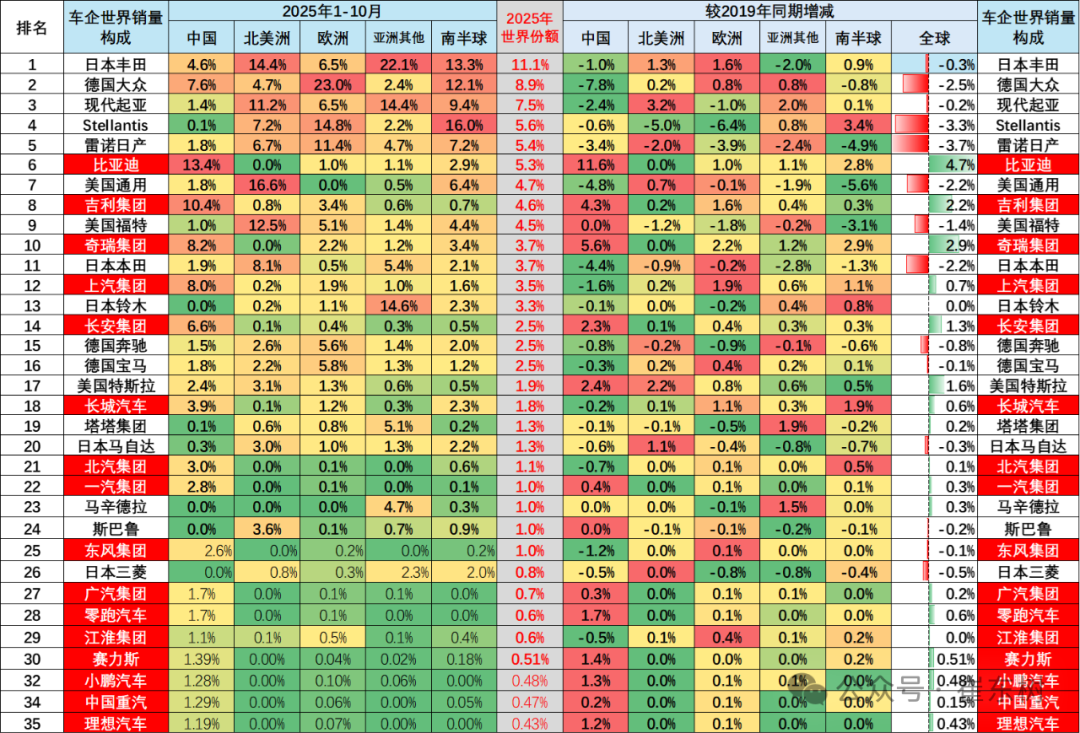
Core Viewpoint - The proposal by former President Trump to terminate strict fuel economy standards set by the Biden administration poses a significant challenge to Europe's aggressive policies on banning fuel vehicles, highlighting a shift in the automotive industry's dynamics towards a more sustainable and diversified future led by China's oil-electric hybrid strategy [1][9]. Group 1: Policy Changes and Impacts - Trump's proposal aims to reduce the average cost of purchasing new cars by $1,000, potentially saving Americans $109 billion over five years [3]. - The new fuel efficiency standard proposed by Trump's administration requires vehicles to achieve approximately 34 miles per gallon by 2031, compared to Biden's target of 50 miles per gallon [2]. Group 2: Industry Dynamics - The automotive industry's core profits are derived from fuel vehicles, and the transition to electric vehicles represents a significant restructuring of interests, with traditional automakers facing survival pressures due to lost profits from engine manufacturing and after-sales services [4]. - The shift in stance among U.S. automakers from supporting electric vehicle initiatives to opposing stringent regulations reflects the industry's struggle with profit erosion amid changing policies [4]. Group 3: European Market Challenges - European automakers are under severe pressure from the EU's legislation to ban fuel vehicles by 2035, which is seen as overly ambitious and detrimental to businesses [5]. - The EU's "Fit for 55" plan aims for a 55% reduction in new car carbon emissions by 2030, with a complete transition to zero emissions by 2035, but this has led to some companies planning to abandon engine development altogether [5]. Group 4: Global Automotive Trends - The trend of oil-electric hybrid strategies is gaining traction globally, with Asian automakers, particularly Chinese brands like BYD, Geely, and Chery, significantly increasing their market share [7][8]. - The global automotive market remains predominantly fuel-based, with 73% of vehicles still using fuel, indicating that a rapid transition to electric vehicles is unlikely in the short term [8]. Group 5: China's Strategic Position - China's oil-electric hybrid strategy is viewed as a successful model, with the recent release of the 3.0 roadmap emphasizing the continued importance of internal combustion engines alongside electric vehicles [10]. - By 2040, it is projected that 85% of new passenger vehicles in China will be electric, with a significant market still remaining for non-pure electric models, positioning Chinese automakers as key players in the global automotive technology landscape [10].



别克至境世家售43.99万~46.99万元
Zhong Guo Qi Che Bao Wang· 2025-12-06 04:47
Group 1: Product Launch - Buick has launched its luxury new energy flagship MPV, the "至境世家," with two models priced at 439,900 yuan and 469,900 yuan respectively [1][2] - Customers can place orders through various platforms and enjoy limited-time benefits if they complete the order and pick-up by specified dates [1] Group 2: Vehicle Specifications - The vehicle features a large body size of 5260×2023×1820mm and a long wheelbase of 3160mm, designed to provide a villa-like spaciousness [4] - It incorporates advanced design elements such as a low drag coefficient of 0.258 and a unique cloud platform-style air suspension system [4] Group 3: Interior and Comfort - The interior is equipped with high-end materials, including Nappa leather seats and a wool carpet, enhancing the luxury feel [6][8] - The vehicle offers a spacious cabin with a length exceeding 3.6 meters, ensuring comfort for all passengers [8] Group 4: Health and Safety Features - The "五恒" health cabin technology provides a comfortable environment with constant temperature, humidity, oxygen, cleanliness, and quietness [10] - The vehicle has achieved high safety standards, targeting C-NCAP 2024 five-star ratings and featuring a robust body structure with a high percentage of high-strength steel and aluminum [22][24] Group 5: Performance and Efficiency - The "至境世家" is powered by a dual-motor hybrid system, delivering 462kW and 775Nm of torque, with a 0-100 km/h acceleration time of just 5.8 seconds [14] - It boasts a comprehensive range of 1320 km and a pure electric range of 224 km, making it suitable for both urban commuting and long-distance travel [15] Group 6: Advanced Technology - The vehicle features an AI-powered digital space with multiple screens and advanced entertainment options, enhancing the user experience [12] - It includes a high-level driver assistance system, providing seamless navigation and parking capabilities [19][20] Group 7: Market Positioning - The launch of "至境世家" marks a significant milestone for Buick in the MPV segment, aiming to attract high-net-worth families and solidify its position in the new energy vehicle market [27]

今日新闻丨别克至境世家上市,售价43.99-46.99万元!广汽丰田11月销量64905辆!
电动车公社· 2025-12-05 16:05
Group 1 - Buick's new model, the Buick Zhijing, was launched on December 5, with a price range of 439,900 to 469,900 yuan [1][3] - The exterior design of the Buick Zhijing is inspired by Gulfstream aircraft, featuring a closed front grille and split headlight assembly, with dimensions of 5260mm in length, 2000mm in width, and 1835mm in height, and a wheelbase of 3160mm [3] - The interior includes a three-spoke steering wheel, an entertainment screen for the passenger, and a high-end "Xiaoyao Zhixing" advanced driver assistance system, along with various comfort features such as ventilated, heated, and massage seats [5][10] Group 2 - GAC Toyota reported sales of 64,905 vehicles in November, maintaining a strong presence in the market [1][10] - GAC Toyota has successfully balanced its fuel vehicle lineup while expanding its electric vehicle offerings, with the pure electric model, the Platinum Smart 3X, achieving over 10,000 deliveries for two consecutive months [12] - For the first 11 months of the year, GAC Toyota's total sales reached 704,024 vehicles, reflecting a year-on-year growth [12]

How is General Motors Planning to Rebuild Its Profitability?
ZACKS· 2025-12-05 15:01
Core Insights - General Motors Company (GM) aims to restore North American margins to the 8-10% range despite economic and regulatory challenges, with a focus on strategic adjustments and operational recalibration [1][8] Group 1: Margin Restoration Strategies - GM plans to reduce net tariff burdens through future trade agreements and internal cost-management efforts, identifying significant opportunities to mitigate tariff-related pressures [2] - The company anticipates that stabilizing warranty-related cash outflows will lead to improved margins as accruals catch up over time, particularly moving into 2026 and 2027 [2] - By combining tariff reductions, warranty improvements, and a disciplined electric vehicle (EV) strategy, GM believes it can rebuild margins and enhance long-term profitability in North America [4][8] Group 2: Electric Vehicle Strategy - GM is adjusting its electric vehicle capacity to align with actual consumer demand rather than compliance-driven production, reflecting a shift towards a more natural growth model in the EV market [3][8] Group 3: Competitive Landscape - Tesla's automotive margins increased from 15% to 15.4% in Q3 2025, driven by lower material costs and higher production volumes [5] - Ford Motor Company has seen a more than 20% increase in combined earnings from software and physical services over the past three years, supported by balanced revenue across various segments [6] Group 4: Performance and Valuation - GM's shares have outperformed the Zacks Automotive-Domestic industry, gaining 58.6% year-to-date compared to the industry's 50.1% growth [7] - From a valuation perspective, GM appears undervalued, trading at a forward sales multiple of 0.38, significantly lower than the industry's 3.36 [10] Group 5: Earnings Estimates - The Zacks Consensus Estimate for GM's EPS has narrowed by 21 cents for 2025 and 38 cents for 2026 over the past 30 days, indicating adjustments in earnings expectations [9]

通用要吃“回头草”,自动驾驶告别“大跃进”
3 6 Ke· 2025-12-05 12:16
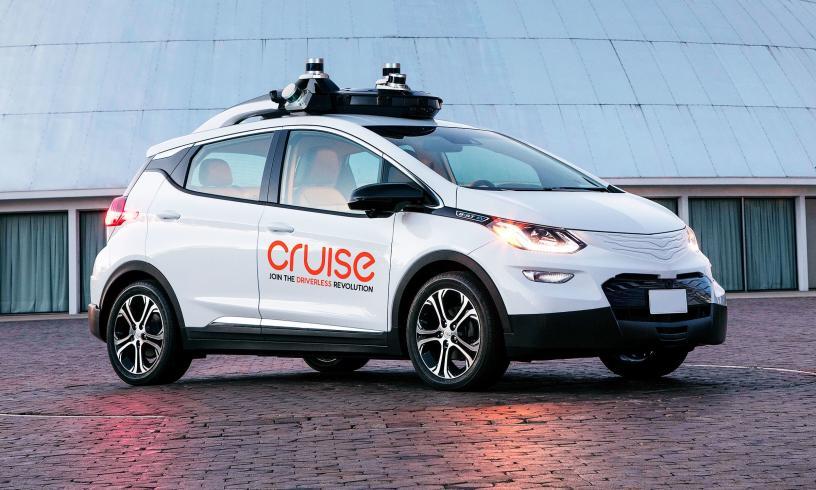
Core Insights - General Motors (GM) has re-hired Ronalee Mann, who previously held key positions at Cruise and Tesla, to lead a new autonomous driving program, reporting directly to GM's Chief Product Officer Sterling Anderson [1] - The journey of GM in autonomous driving reflects the broader challenges faced by traditional automakers in adapting to new technologies over nearly a decade, from aggressive investments to significant operational cutbacks [1] Investment and Development History - In 2016, GM acquired a majority stake in the startup Cruise for approximately $581 million, allowing it to operate independently, which was seen as a strategic move to foster innovation [2] - Cruise gained significant traction, attracting major investments, including $2.25 billion from SoftBank's Vision Fund and $750 million from Honda, with a total valuation exceeding $30 billion by 2021 [2] - GM positioned Cruise as a core engine for its future in fully autonomous driving, driven by optimistic forecasts regarding technological breakthroughs [2] Challenges and Setbacks - Discrepancies between technological aspirations and real-world performance became evident, culminating in a serious incident in October 2023 that led to the revocation of Cruise's autonomous driving permits [4] - The incident highlighted systemic issues in predicting complex urban traffic scenarios, which are critical for Level 4 (L4) technology commercialization [4] - Financial pressures mounted, with Cruise accumulating losses exceeding $8 billion since its acquisition, including approximately $1.9 billion in losses in the first three quarters of 2023 alone [4] Strategic Shift - Following the operational setbacks, GM initiated significant layoffs and restructuring within Cruise, including the departure of key executives [5] - GM's decision to fully integrate Cruise into its operations and abandon the autonomous taxi business marks a stark contrast to its earlier aggressive investment strategy, indicating a shift in understanding the timeline for disruptive technology [5] Industry-Wide Adjustments - Traditional automakers globally are recalibrating their strategies in autonomous driving, reflecting a collective realization of the complexities and long timelines involved in commercialization [6] - Ford's experience mirrors GM's, having invested heavily in Argo AI, which ultimately ceased operations after significant losses, leading to a strategic pivot towards technologies that provide immediate user benefits [6][8] - Volkswagen has adopted a more diversified approach, combining internal development with external partnerships, focusing on integrating software capabilities into its core operations [9] - Toyota's strategy emphasizes a cautious, diversified investment approach, balancing internal R&D with investments in various startups to mitigate systemic risks [10] Conclusion - The collective experiences of these automotive giants underscore a consensus that the path to commercializing autonomous driving is more complex and prolonged than previously anticipated, shifting the competitive focus towards integrated engineering capabilities and cost management [11]
The Trump Market Tango: A Volatile Pas de Deux of Policy and Profit
Stock Market News· 2025-12-05 06:00
Group 1: Automotive Industry - President Trump announced a proposal to weaken Corporate Average Fuel Economy (CAFE) standards, reducing the target to approximately 34.5 mpg from 50.4 mpg by 2031, aimed at alleviating financial pressures on automakers [3] - European automotive shares surged following the announcement, with Renault up 6.1%, Porsche Holdings up 5.7%, and Mercedes up 4.7% on December 4, 2025 [3] - Traditional automakers in the U.S. also saw gains, with General Motors (GM) closing at $75.29, up 0.80%, and Ford closing at $13.14, up 0.38% on December 4, 2025 [4] Group 2: Pharmaceutical Industry - President Trump announced negotiated lower prices for GLP-1 weight loss drugs, potentially reducing out-of-pocket costs to around $150 from a list price of $1,000 [5] - Eli Lilly's stock closed at $1,014.49 on December 4, 2025, down 1.85%, following earlier comments about price cuts [6] - Novo Nordisk's stock closed at $47.99 on December 4, 2025, after experiencing fluctuations due to market reactions to Trump's comments [7] Group 3: Tariffs and Trade - Trump threatened new tariffs on Chinese goods, causing Chicago soybean futures to fall by 9 to 10 cents/bushel on December 3, 2025, due to uncertainty about Chinese demand [9] - The proposal to send Americans $2,000 "dividend" checks from tariff revenues has raised questions about the legality and feasibility, with annualized tariff revenue estimates around $400 billion [10] - The Supreme Court is currently deliberating the legality of Trump's tariffs, which could impact the proposed dividend checks and the market's response [10] Group 4: Market Volatility - The market is characterized by volatility due to rapid policy changes, with analysts noting that the auto industry prefers stability for long-term planning [12] - The "Trump factor" leads to market movements driven more by headlines than fundamental economic indicators, creating an environment where quick reactions are essential [12] - The overall market remains on high alert, with specific stocks celebrating favorable policy shifts while broader sectors experience fluctuations [14]


Univest Securities, LLC Congratulates Its Client General Enterprise Ventures, Inc. (NYSE American: CITR) on Its Uplisting to the NYSE American
Globenewswire· 2025-12-04 19:45
Core Company Insights - General Enterprise Ventures, Inc. has successfully uplisted to the NYSE American, marking a significant corporate milestone that enhances its visibility and access to institutional capital [1] - The company specializes in environmentally safe fire-prevention technologies under the CitroTech brand, which is strategically positioned to benefit from the growing demand for safer and sustainable fire suppression solutions [2][12] - CitroTech technology is supported by extensive research, patents, and third-party environmental certifications, ensuring its effectiveness and safety [3][4] Product and Market Positioning - CitroTech is recognized under the U.S. EPA's Safer Choice program, making it the only fire inhibitor to receive this designation, and it is also UL GreenGuard Gold certified [4][5] - The product line boasts over 80 global patents and numerous environmental accreditations, highlighting its proprietary technology and compliance with safety standards [6][7] - CitroTech can be applied to all new construction lumber, targeting high-value markets such as industrial infrastructure, wildfire mitigation, and energy storage systems [8][9] Strategic Partnerships and Financial Support - Univest Securities has developed a strategic partnership with General Enterprise Ventures since early 2025, assisting in raising approximately $20 million through private placements to support the company's operations and growth [10] - This collaboration reflects a strong alignment of vision and commitment to creating value, laying a solid foundation for future support [10] Industry Context - The global fire prevention and suppression industry is expanding, driven by increasing demand for environmentally sustainable technologies and stricter regulations on traditional firefighting chemicals [2][8]