Novo Nordisk(NVO)

Search documents
Novo Nordisk issues statement on illegal mass compounding and deceptive advertising by Hims & Hers
Globenewswire· 2026-02-05 15:46
Core Viewpoint - Novo Nordisk has issued a statement regarding Hims & Hers' illegal mass-marketing of an unapproved and untested semaglutide pill, emphasizing the risks to patient safety and the need for legal action to protect its intellectual property and the integrity of the drug approval framework [1][2]. Group 1: Legal and Regulatory Actions - Hims & Hers' actions are described as illegal mass compounding, which poses significant risks to patient safety [2]. - Novo Nordisk plans to take legal and regulatory action to safeguard patients and its intellectual property [2]. Group 2: Industry Standards and Safety Concerns - The American Diabetes Association®'s Obesity Association™ has published new standards discouraging the use of compounded GLP-1s due to concerns over safety, quality, and effectiveness [3]. - Compounded semaglutide is not FDA-approved and may contain impurities and untested doses, raising safety concerns [4]. Group 3: Product Information - Only Novo Nordisk manufactures the FDA-approved Wegovy® pill, which utilizes SNAC technology for oral semaglutide absorption [4]. - Wegovy® is available in all doses and is in full supply across the US [4].


超3000股下跌 美股三大指数走低!芯片巨头盘中暴跌超10% 谷歌母公司也跌了6%|美股开盘
Mei Ri Jing Ji Xin Wen· 2026-02-05 15:26
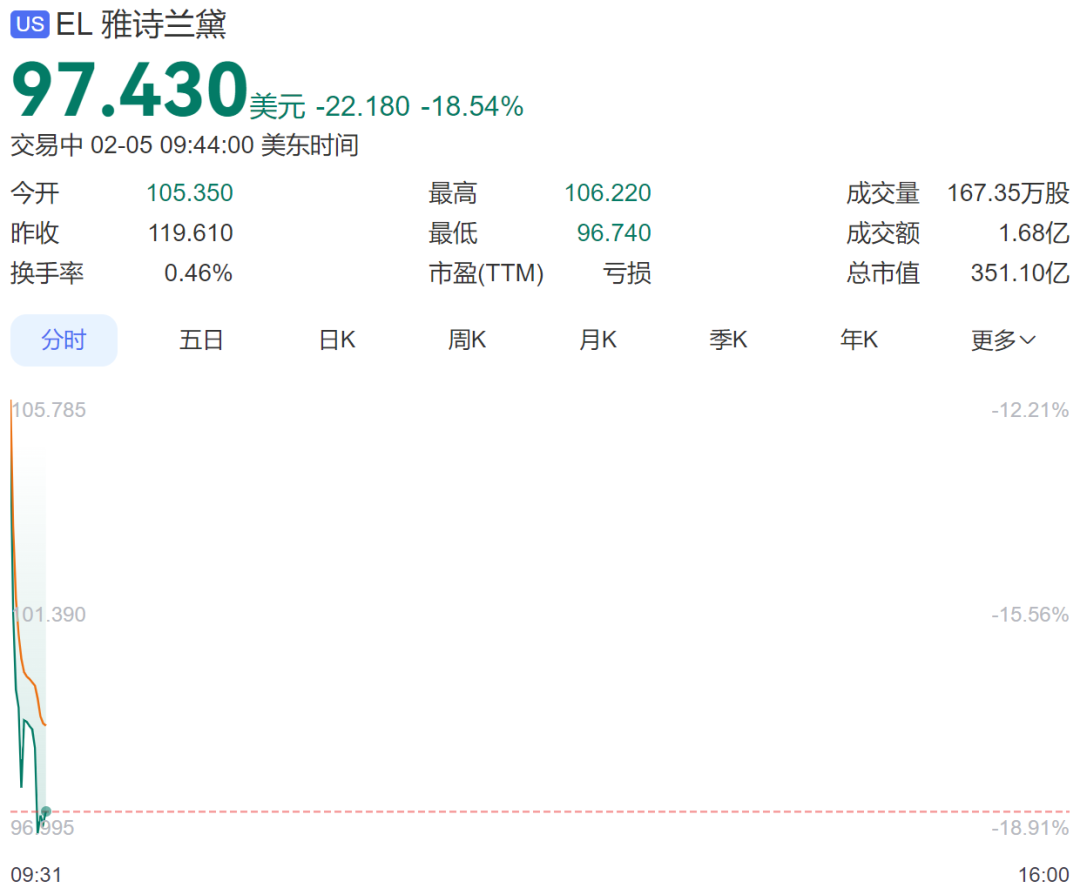
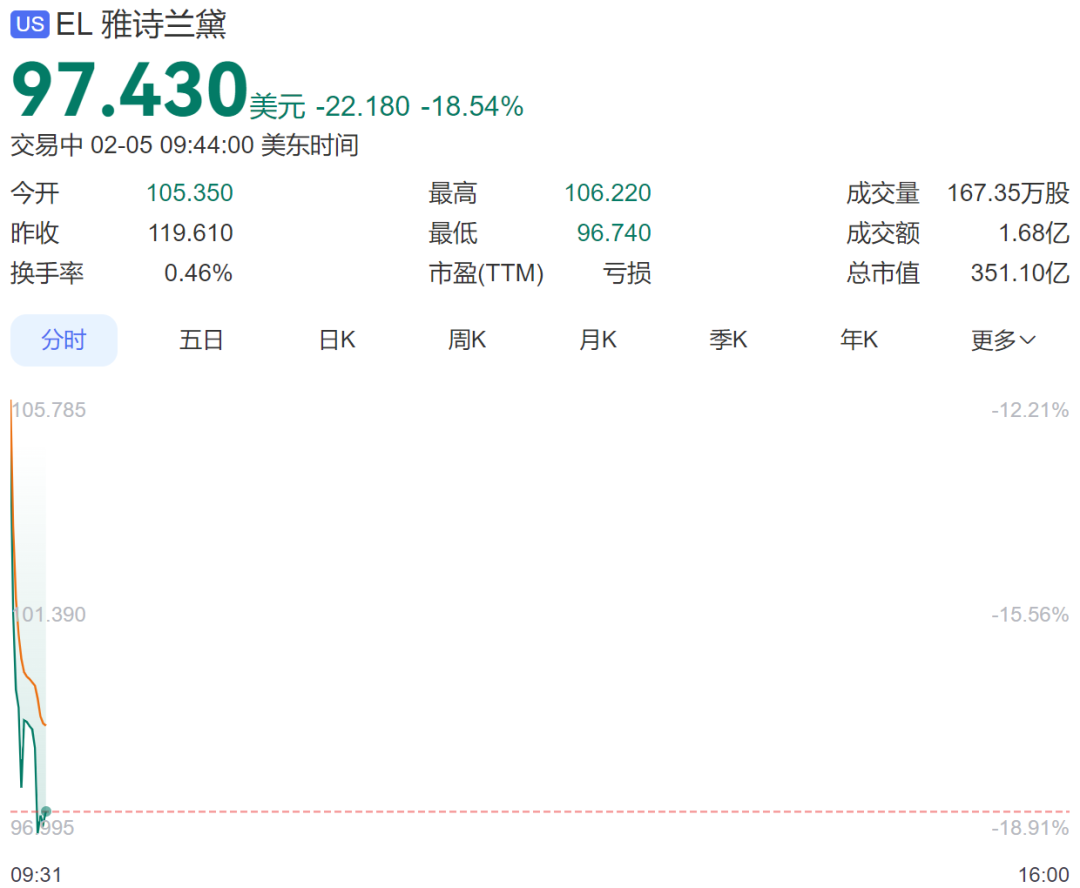
Market Overview - On February 5, U.S. stock indices opened lower, with the Nasdaq down 1.58%, the Dow down 0.5%, and the S&P 500 down 1.04%. Over 3,000 individual stocks declined [1] - The Nasdaq China Golden Dragon Index rose by 0.58%, closing at 7504.59 points [4][5] Company-Specific Developments - Google shares fell over 6% due to concerns over high capital expenditure guidance [1] - NIO's stock increased by over 7% as the company reported its first quarterly adjusted operating profit [1] - Qualcomm's shares dropped over 10% following a weak Q2 earnings guidance [1] - Coupang, a South Korean e-commerce giant, saw its stock decline by over 9% after confirming a data breach affecting 165,000 users [1] - Estée Lauder's stock plummeted 18% due to increased marketing costs and lower-than-expected earnings guidance for the year [1] - Cryptocurrency-related stocks also fell, with Strategy down over 7%, Coinbase down over 4%, and Circle down over 2% [4] Commodity Market - Gold prices fell significantly, with spot gold down 3.16% at $4811.27 per ounce, and silver down over 16% at $73.695 per ounce [7] - Morgan Stanley predicts that gold prices could rise to $6300 per ounce by the end of 2026, driven by strong demand from central banks and investors [9] - Brent crude oil prices decreased by 2.97% to $67.40 per barrel, while WTI crude oil fell to $63.17 per barrel, down 3.02% [9] Employment Trends - In January, U.S. companies announced a significant increase in layoffs, with a total of 108,435 job cuts, marking a 118% year-over-year increase and the highest for January since 2009 [11]



超3000股下跌,美股三大指数走低!芯片巨头盘中暴跌超10%,谷歌母公司也跌了6%|美股开盘
Mei Ri Jing Ji Xin Wen· 2026-02-05 15:21
Market Overview - On February 5, US stock indices opened lower, with the Nasdaq down 1.58%, the Dow down 0.5%, and the S&P 500 down 1.04%. Over 3,000 individual stocks declined [1] - The Nasdaq China Golden Dragon Index rose by 0.58%, closing at 7504.59 points [3] Company-Specific Developments - Google shares fell over 6% due to concerns over high capital expenditure guidance [1] - NIO's stock increased by over 7% as the company reported its first quarterly adjusted operating profit [1] - Qualcomm's shares dropped over 10% following a weak Q2 earnings forecast [1] - Coupang, a South Korean e-commerce giant, saw its stock decline by over 9% after confirming a data breach affecting 165,000 users [1] - Estée Lauder's stock plummeted 18% due to increased marketing costs and lower-than-expected earnings guidance for the year [1] Sector Performance - Weight loss drug stocks faced setbacks, with Novo Nordisk down over 4% and Eli Lilly down over 3% [1] - Cryptocurrency-related stocks also fell, with Strategy down over 7%, Coinbase down over 4%, and Circle down over 2% [2] Commodity Market - Gold prices fell significantly, with spot gold down 3.16% to $4811.27 per ounce, and silver down over 16% to $73.695 per ounce [9] - Brent crude oil decreased by 2.97% to $67.40 per barrel, while WTI crude oil fell to $63.17 per barrel, down 3.02% [11]




Novo Nordisk(NVO) - 2025 Q4 - Earnings Call Transcript
2026-02-05 14:17
Financial Data and Key Metrics Changes - The company reported a net profit of DKK 100 billion for 2025, with cash from operations reaching nearly DKK 120 billion, indicating strong cash conversion [16] - The company experienced a 10% growth in 2025, with U.S. operations growing by 8% and international operations by 14% [5][18] - The company is guiding for a top-line decline of between -5% and -13% for 2026, driven by extraordinary effects including loss of exclusivity (LOE) in international operations and declining prices [17][18] Business Line Data and Key Metrics Changes - The obesity care segment added DKK 76 billion in sales over the past five years, with a 31% growth captured in the obesity market [4][7] - The launch of the Wegovy pill has been described as one of the best launches in pharma history, with 50,000 new prescriptions translating to approximately 170,000 patients [10][8] - The company captured 73% growth in international operations for obesity products, while U.S. growth was 15% [7] Market Data and Key Metrics Changes - The obesity market has doubled, and the company has captured significant market share despite challenges in China due to regulatory restrictions on promoting obesity-specific products [6][7] - The company noted that Wegovy's performance in China was below expectations due to restrictions on e-health channels [6] Company Strategy and Development Direction - The company is focusing on innovation and has a robust pipeline in diabetes and obesity, with significant readouts and regulatory decisions expected in 2026 [14][15] - The company is committed to maintaining a consistent dividend payout ratio of 50% and has initiated a share buyback program of DKK 15 billion [17] Management's Comments on Operating Environment and Future Outlook - Management acknowledged a year of disappointment due to profit warnings but expressed optimism about future growth driven by strong U.S. and international operations [5] - The management highlighted the importance of demonstrating the efficacy of the Wegovy pill to maintain a competitive edge in the market [26] Other Important Information - The company is adjusting its pricing strategy in response to market dynamics, with a focus on volume growth despite anticipated price declines [30][32] - The company is exploring regulatory approvals for the Wegovy pill in the EU and UK, with plans to leverage FDA approval for entry into emerging markets [36] Q&A Session Summary Question: Can you discuss the Oral Wegovy launch and marketing support? - The company has heavily invested in marketing, including a Super Bowl ad, and is focused on achieving high initial prescription numbers to leverage first-mover advantage [22][26] Question: How do you view pricing pressure in the U.S. market? - Management acknowledged ongoing price declines for GLP-1s and indicated that pricing strategies are being adjusted based on market conditions [30][32] Question: What is the status of Wegovy pill regulatory filings outside the U.S.? - The company has filed for regulatory approval in the EU and UK, with plans to use these approvals to facilitate entry into emerging markets [36] Question: How will the company address the gentle decline in Ozempic prescriptions? - The company plans to revitalize the Ozempic brand and is exploring new marketing strategies to boost its presence in the market [38] Question: How does the company plan to ensure the obesity market does not become a race to the bottom? - Management emphasized the importance of segmentation in the obesity market and the need to demonstrate value to payers for higher-priced treatments [77][84]
Novo Nordisk(NVO) - 2025 Q4 - Earnings Call Transcript
2026-02-05 14:17
Financial Data and Key Metrics Changes - The company reported a net profit of DKK 100 billion for 2025, with cash from operations reaching nearly DKK 120 billion, indicating strong cash conversion [16] - The company experienced a 10% growth in 2025, with U.S. operations growing by 8% and international operations by 14% [5][18] - The company is guiding a top-line decline of between -5% and -13% for 2026, driven by extraordinary effects including loss of exclusivity (LOE) in international operations and declining prices [17][18] Business Line Data and Key Metrics Changes - The obesity care segment added DKK 76 billion in sales over the past five years, with a 31% growth in the obesity market [4][7] - The launch of the Wegovy pill has been described as one of the best launches in pharma history, with 50,000 new prescriptions translating to approximately 170,000 patients [10][28] - The company captured 73% growth in international operations for obesity products, while U.S. growth was 15% [7] Market Data and Key Metrics Changes - The company noted that the Chinese market underperformed due to regulatory restrictions on promoting obesity-specific products, impacting sales of Wegovy [6] - The overall obesity market has doubled, with the company capturing significant market share despite competitive pressures [7] Company Strategy and Development Direction - The company is focusing on innovation in diabetes and obesity, with multiple product readouts and regulatory decisions expected in 2026 [14][15] - The company is committed to maintaining a consistent dividend payout ratio of 50% and has initiated a share buyback program of DKK 15 billion [17] - The company is exploring opportunities in rare diseases and adjacent markets to diversify its portfolio while maintaining a strong focus on obesity treatments [68][73] Management's Comments on Operating Environment and Future Outlook - Management acknowledged a year of disappointment due to profit warnings but expressed optimism about robust growth in 2024 and beyond [5] - The management highlighted the dynamic nature of the obesity market and the need for strategic adjustments in response to competitive pressures [62][66] - The company is optimistic about the long-term potential of the Wegovy pill and its ability to capture market share despite pricing pressures [52][80] Other Important Information - The company is facing pricing pressures in the U.S. market, with expected mid-teens price declines offset by volume growth [30][32] - The company is actively managing its capital allocation, with significant investments in manufacturing capacity and business development [16][17] Q&A Session Questions and Answers Question: Can you discuss the Oral Wegovy launch and current levels of awareness in the U.S.? - The company has heavily invested in advertising, including a Super Bowl ad, and is seeing strong initial uptake with 88% of new patients opting for the 1.5 mg dose [22][26][28] Question: How do you view pricing pressures in the market? - Management acknowledged ongoing price declines for GLP-1s and indicated that pricing strategies are being adjusted based on market dynamics [30][32] Question: What is the status of Wegovy pill regulatory approvals outside the U.S.? - The company has filed for regulatory approval in the EU and UK, with plans to leverage FDA and EMA approvals for further market access [36][37] Question: How does the company plan to address the gentle decline in Ozempic prescriptions? - The company is revitalizing the Ozempic brand and exploring new market strategies to enhance its presence [38][39] Question: How does the company ensure the obesity market isn't a race to the bottom? - Management emphasized the importance of segmentation in the obesity market and the potential for higher-value treatments for specific patient populations [78][80]
Novo Nordisk(NVO) - 2025 Q4 - Earnings Call Transcript
2026-02-05 14:15
Financial Data and Key Metrics Changes - The company reported a net profit of DKK 100 billion for 2025, with cash from operations reaching nearly DKK 120 billion, indicating strong cash conversion [14] - The company experienced a 10% growth overall, with 8% growth in the U.S. and 14% in international operations, although this was below initial forecasts [4][16] - The company has maintained a consistent dividend payout ratio of 50%, proposing a dividend increase for the upcoming AGM, marking 30 consecutive years of dividend growth [15] Business Line Data and Key Metrics Changes - The obesity care segment added DKK 76 billion in sales over the past five years, with a 31% growth in the obesity market [3][5] - The launch of the Wegovy pill has been described as one of the best launches in pharma history, with 50,000 new prescriptions translating to approximately 170,000 patients in the U.S. [6][8] - The company captured 73% growth in international operations related to new launches of Wegovy, while U.S. growth was 15% [5] Market Data and Key Metrics Changes - The obesity market has doubled, with the company capturing significant market share despite challenges in China due to regulatory restrictions on promoting obesity-specific products [5] - The company noted that Wegovy's performance in China was below expectations due to restrictions on e-health channels, impacting sales [5] Company Strategy and Development Direction - The company is focusing on innovation and has a robust pipeline in diabetes and obesity, with significant readouts and regulatory decisions expected in 2026 [12][13] - The company is investing in building manufacturing capacity and pursuing business development opportunities, particularly in the obesity segment [14][15] - The company aims to leverage the first-mover advantage of the Wegovy pill and is committed to maintaining strong marketing support to ensure continued growth [26][30] Management's Comments on Operating Environment and Future Outlook - Management acknowledged a disappointing year due to profit warnings but expressed optimism about future growth driven by strong U.S. and international performance [4] - The management highlighted the competitive landscape in the obesity market, emphasizing the importance of weight loss efficacy in product perception [7] - The company is adjusting its strategies in response to competitive pressures and is optimistic about the potential of its pipeline products [39][42] Other Important Information - The company initiated a share buyback program of DKK 15 billion, reflecting its commitment to returning value to shareholders [15] - The company is facing pricing pressures in the U.S. market, with expectations of mid-teens price declines offset by volume growth [31][34] Q&A Session Summary Question: Can you discuss the Oral Wegovy launch and marketing support? - The company has heavily invested in marketing, including a Super Bowl advertisement, and is focused on quickly increasing patient numbers to leverage first-mover advantages [26][30] Question: How do you view pricing pressures in the U.S. market? - The company acknowledged ongoing price declines for GLP-1s and indicated that pricing strategies are being adjusted based on market dynamics [31][34] Question: What is the regulatory approval status for the Wegovy pill outside the U.S.? - The company has filed for regulatory approval in the EU and UK, with plans to leverage FDA approval for further international registrations [37] Question: How will the company address the gentle decline in Ozempic prescriptions? - The company plans to revitalize the Ozempic brand and is exploring new marketing strategies to boost its performance [39] Question: How does the company ensure the obesity market remains profitable? - The company is focusing on segmentation within the obesity market and is prepared to price products based on the value they provide to patients [84][87]
Exclusive: Hims and Hers Health launches copy of Wegovy pill at $49
Reuters· 2026-02-05 13:33
Core Viewpoint - Hims and Hers Health will offer Novo Nordisk's new Wegovy pill at an introductory price of $49 per month, which is approximately $100 less than the current market price [1] Group 1: Company Overview - Hims and Hers Health is an online telehealth company that is expanding its product offerings by including Wegovy, a weight loss medication from Novo Nordisk [1] Group 2: Pricing Strategy - The introductory price of $49 per month for Wegovy is positioned to attract customers by being significantly lower than the existing market price [1]


口服司美格鲁肽片:诺和诺德(NVO.US)在2026的开年王炸
智通财经网· 2026-02-05 10:27
Core Insights - Novo Nordisk's oral semaglutide tablet has established its dominance in the diabetes and obesity market, with prescriptions exceeding 26,000 by January 23, 2026, signaling a strong market entry [1] - The company is refocusing its strategy on diabetes and obesity, moving away from a previously diversified business model, and anticipates that oral weight loss medications will capture significant market share [1] - The oral semaglutide, branded as Wegovy Pill, has quickly become a leading product in the obesity market since its launch on January 5, 2026 [1] Group 1: Product and Market Dynamics - Oral semaglutide is the first oral macromolecule drug approved for adult type 2 diabetes treatment, having previously received FDA approval in 2019 [2] - The psychological preference for oral medications over injections among chronic disease patients enhances treatment adherence, which is crucial for efficacy [2] - Novo Nordisk's SNAC technology has successfully addressed the challenges of oral peptide delivery, creating a favorable environment for the drug to be absorbed effectively [3] Group 2: Clinical Evidence - The PIONEER clinical trial series has provided comprehensive data supporting the efficacy and safety of oral semaglutide, demonstrating superior glycemic control compared to other treatments [4][5] - In head-to-head trials, oral semaglutide showed significant advantages over DPP-4 inhibitors and was non-inferior to injectable liraglutide in glycemic control, with a slight edge in weight loss [5] - The PIONEER 6 trial indicated that oral semaglutide not only met cardiovascular safety standards but also showed potential in reducing cardiovascular and all-cause mortality risks [5] Group 3: Strategic Positioning in China - Oral semaglutide, marketed as Nuohexin, was launched in China in January 2025, marking a significant advancement for diabetes treatment in the region [6] - The drug's approval as a monotherapy allows for earlier intervention in diabetes management, addressing treatment inertia caused by the reluctance to use injectable therapies [6] - Patent protection has been reinforced by favorable court rulings, providing Novo Nordisk with a competitive edge against domestic generic manufacturers [6] Group 4: Digital Health Initiatives - Novo Nordisk is collaborating with local health tech companies to enhance diabetes management through a comprehensive digital health ecosystem, integrating medication with patient support services [7] - This initiative aligns with China's healthcare policies aimed at improving chronic disease management at the grassroots level, positioning oral medications as a key tool in achieving these goals [7] Conclusion - The introduction of oral semaglutide represents a transformative shift in the management of metabolic diseases, with the potential to significantly improve patient adherence and outcomes [8]
口服司美格鲁肽片:诺和诺德在2026的开年王炸
华尔街见闻· 2026-02-05 09:56
Core Insights - Novo Nordisk's oral semaglutide tablet has established its dominance in the diabetes and obesity market, with weekly prescriptions surpassing 26,000 by January 23, 2026, showcasing strong market momentum [1][2] - The company is refocusing its strategy on core areas of diabetes and obesity, moving away from a previously diversified business model, and anticipates that oral weight loss medications will capture significant market share [2][7] Product Launch and Market Performance - The oral semaglutide, branded as Wegovy Pill, launched in the U.S. on January 5, 2026, quickly became a leading product in the obesity market, with prescriptions increasing from 3,071 in the first four days to over 18,000 by January 16, and further to 26,109 by January 23 [1][2] - The preference for oral medications over injections among chronic disease patients is expected to enhance treatment adherence, which is crucial for achieving therapeutic efficacy [2] Technological Innovation - Novo Nordisk's SNAC technology has successfully addressed the challenges of oral peptide delivery, which has historically been difficult due to the gastrointestinal environment that degrades peptides [4] - SNAC works by creating a temporary non-covalent bond with the peptide, enhancing its lipophilicity and allowing it to penetrate the intestinal barrier, thus entering the bloodstream effectively [4] Clinical Evidence - The PIONEER clinical trial series has provided robust data supporting the efficacy and safety of oral semaglutide, demonstrating superior glycemic control compared to other diabetes medications [5][6] - In head-to-head trials, oral semaglutide showed significant advantages over DPP-4 inhibitors and comparable efficacy to injectable formulations, challenging the traditional belief that oral medications are less effective [6] Market Strategy in China - The oral semaglutide, branded as 诺和忻, was launched in China in January 2025, marking it as the first approved GLP-1 oral medication in the country, which is expected to significantly impact diabetes treatment [7] - The company has secured patent protection for semaglutide, which will provide a competitive edge against domestic generic manufacturers, despite their interest in developing similar products [7] Digital Health Initiatives - Novo Nordisk is collaborating with local Chinese health platforms to enhance diabetes management through a comprehensive digital health strategy, integrating medication with patient services to improve treatment adherence and outcomes [8] Future Outlook - The introduction of oral semaglutide is seen as a pivotal moment in the management of metabolic diseases, with the potential to simplify long-term health management for patients [9]
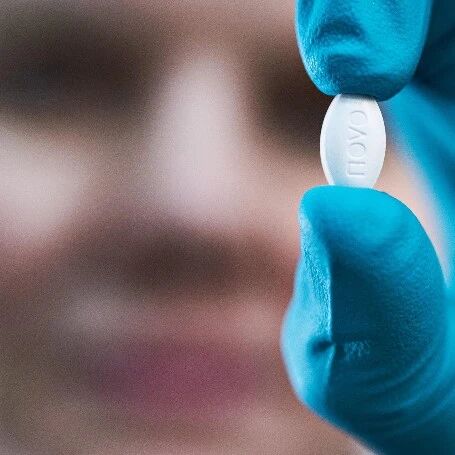
Novo reports first Ozempic sales drop in greater China region
Reuters· 2026-02-05 07:18
Core Insights - Sales of Novo Nordisk's diabetes drug Ozempic in the greater China region experienced a decline for the first time last year due to increased competition from rival products [1] Company Summary - Novo Nordisk's flagship product, Ozempic, has faced challenges in maintaining its market position in the greater China region [1] - The decline in sales indicates a shift in the competitive landscape for diabetes medications in this market [1] Industry Summary - The diabetes drug market in greater China is becoming increasingly competitive, impacting sales of established products like Ozempic [1] - Rival companies are likely introducing new products or strategies that are affecting Novo Nordisk's market share [1]