Novo Nordisk(NVO)

Search documents
Novo Nordisk receives FDA warning regarding US inspection in 2025
Reuters· 2026-03-10 13:44
Core Viewpoint - Novo Nordisk received a warning letter from the U.S. Food and Drug Administration (FDA) regarding an inspection at its Plainsboro site in early 2025, but the company is confident in resolving the issues without impacting production or forecasts [1]. Company Summary - The warning letter was issued following an inspection conducted by the FDA at Novo Nordisk's facility in Plainsboro, New Jersey [1]. - The company has initiated a corrective and preventative action plan and is keeping the FDA informed about its progress [1]. - Novo Nordisk does not anticipate any negative effects on its production or previously shared forecasts as a result of this warning [1].


Novo Nordisk: Buying The Dip Before Volume Dominance
Seeking Alpha· 2026-03-10 13:04
Group 1 - The author of the article is a seasoned consulting specialist at a leading Central Asian bank, bringing five years of experience in delivering strategic insights and analysis for private banking clients [1] - The career began in 2020 after graduating from a top Central Asian university, focusing on corporate valuation, due diligence for investment opportunities, and crafting accurate forecasts for long-term investment strategies [1] - The establishment of Novo Capital aims to provide out-of-consensus information that can lead to alpha generation, emphasizing the importance of discussing investment ideas [1] Group 2 - The article expresses the author's personal opinions and indicates a beneficial long position in the shares of NVO, either through stock ownership or derivatives [2] - There is no compensation received for the article other than from Seeking Alpha, and no business relationship exists with any company mentioned [2]
全球药王易主
21世纪经济报道· 2026-03-10 11:24
Core Viewpoint - The global pharmaceutical industry is experiencing a new competitive landscape as multinational companies release their 2025 performance reports, with Johnson & Johnson leading in total revenue at $94.193 billion, followed by Eli Lilly with a remarkable growth rate of 44% [1][2]. Group 1: Financial Performance of Major Pharmaceutical Companies - Johnson & Johnson achieved total revenue of $94.193 billion, with its innovative pharmaceuticals and medical technology segments generating $60.401 billion (+6%) and $33.792 billion (+6.1%) respectively [2]. - Eli Lilly reported a total revenue of $65.179 billion, marking a significant growth of 44% [2]. - Roche, Merck, Pfizer, AbbVie, AstraZeneca, and Novartis also showed upward revenue trends, contributing to the steady growth of the global pharmaceutical industry [1][2]. Group 2: Strategic Adjustments and Leadership Changes - Sanofi appointed Belén Garijo as the new CEO, focusing on enhancing the productivity and innovation capabilities of the R&D department [3]. - Merck announced a reorganization of its pharmaceutical business into two segments: oncology and specialty, aiming to maintain its leadership in cancer treatment [3]. - The global pharmaceutical industry is expected to see continued growth differentiation, with only Eli Lilly providing a double-digit revenue growth forecast for 2026 [3]. Group 3: Competition for the "King of Drugs" Title - In 2025, Eli Lilly's Tirzepatide secured the title of "King of Drugs" with a revenue contribution of $36.5 billion, while Merck's Keytruda generated $31.68 billion, marking a 7% increase [6][7]. - Novo Nordisk's Semaglutide followed closely with $36.1 billion in sales, reflecting over 10% growth [7]. - The GLP-1 drug market is becoming increasingly competitive, with both Eli Lilly and Novo Nordisk dominating the landscape [8]. Group 4: Performance in the Chinese Market - AstraZeneca maintained its leading position in the Chinese market with a revenue of $6.654 billion, representing a 4% increase [12]. - Roche and Novartis were among the top three companies in terms of revenue growth in China, with Roche achieving a 10% increase [13]. - Companies are increasingly focusing on local partnerships and innovations to enhance their market presence in China [14]. Group 5: Patent Expiration and New Growth Opportunities - Many multinational pharmaceutical companies are facing significant risks due to impending patent expirations, with some companies exposed to risks as high as 70% [16]. - The industry is witnessing a surge in business development activities, with 142 innovative drug transactions reported in 2025, marking a new high [17]. - Companies are increasingly seeking new growth avenues through mergers, acquisitions, and collaborations to mitigate the impact of patent cliffs [19].




Ozempic maker Novo Nordisk gets another downgrade. The end's in sight for its duopoly status, says TD Cowen.
MarketWatch· 2026-03-10 09:48
Group 1 - Novo Nordisk received a broker downgrade due to concerns over its duopoly status in diabetes and weight loss markets being threatened [1]
Hims & Hers: Not Selling Yet


Seeking Alpha· 2026-03-09 21:51
Group 1 - Hims & Hers (HIMS) shares experienced a significant surge of up to 55% in pre-market trading following news of a renewed partnership with Novo Nordisk (NVO) [1] - Tech Contrarians, an investing group led by former technology sector engineers, provides institutional-level company research to individual investors, focusing on high-focus stocks and offering various investment resources [1] Group 2 - The article emphasizes the importance of exclusive insights, curated watchlists, and live portfolio tracking for investors interested in the technology sector [1]
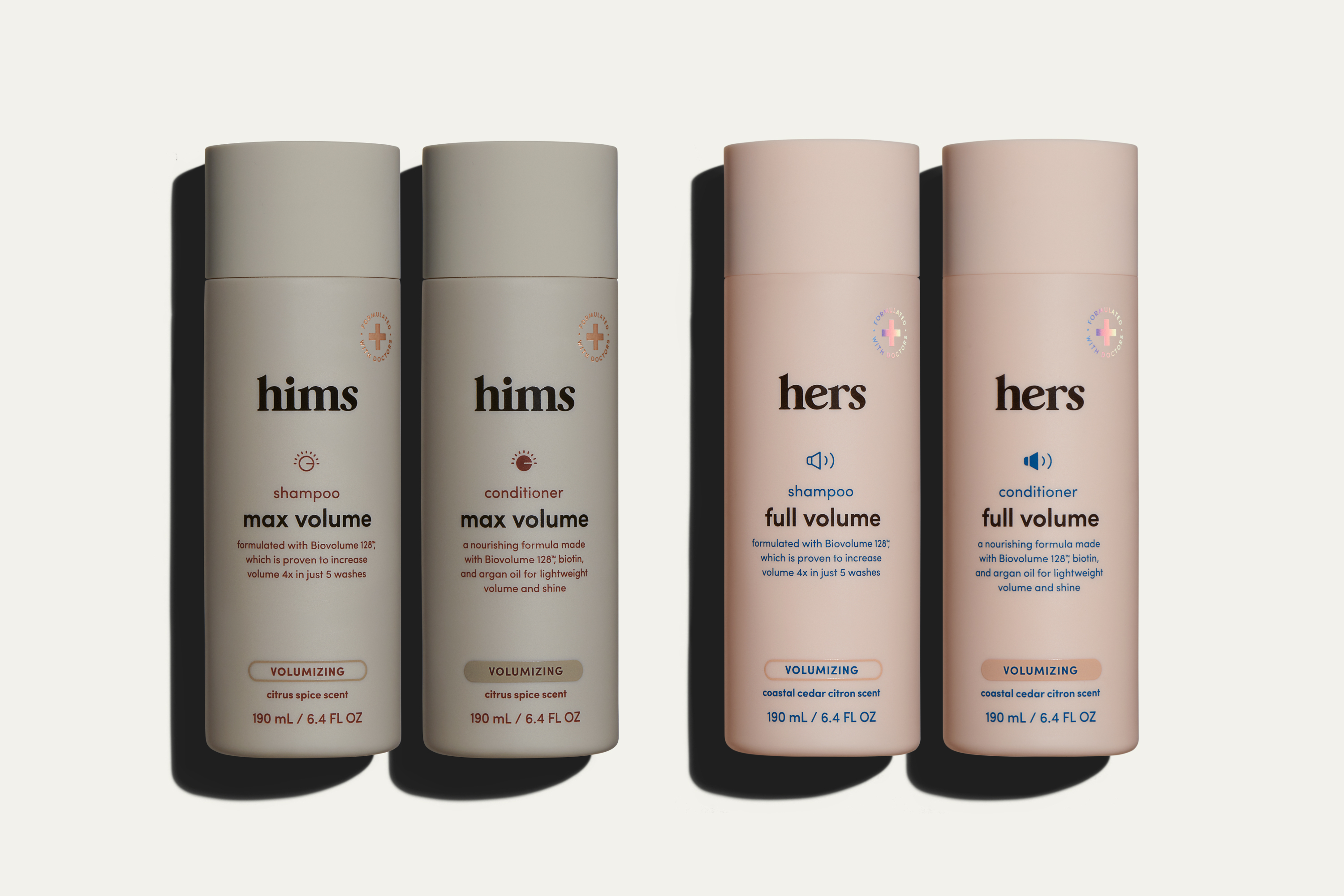
Hims & Hers Health Inc. (NYSE:HIMS) Expands Telehealth Offerings Through Strategic Partnership
Financial Modeling Prep· 2026-03-09 20:11
Core Insights - Hims & Hers Health Inc. has formed a significant partnership with Novo Nordisk to offer weight-loss medications, marking a strategic shift and enhancing its healthcare solutions portfolio [1][3] - The collaboration resolves a previous legal dispute and positions Hims & Hers to capitalize on the growing demand for accessible and affordable weight loss treatments in the U.S. [1][3] Partnership Details - The partnership allows Hims & Hers to provide U.S. customers access to FDA-approved GLP-1 treatments, including semaglutide injections and tablets, which are expected to impact the U.S. weight loss market significantly [2] - Hims & Hers will continue to offer compounded semaglutide on a limited basis and will cease promoting compounded GLP-1s in its marketing materials [3] Stock Performance - Following the announcement of the partnership, HIMS stock increased to $21.95, reflecting a 39.45% rise, with daily fluctuations between $20.99 and $23.51 [2] - The company's market capitalization is approximately $4.82 billion, with a trading volume of 109.37 million shares [2] Future Prospects - CEO Andrew Dudum expressed enthusiasm about the partnership, emphasizing the evolving U.S. weight loss landscape with more affordable, FDA-approved medications and flexible dosing options [3] - The collaboration positions Hims & Hers to enhance its competitive edge against other telehealth companies like Teladoc Health and Amwell [1]
Hims & Hers stock: why today's gains are unlikely to be sustainable
Invezz· 2026-03-09 17:27
Core Viewpoint - Hims & Hers stock experienced a significant increase of nearly 50% following a settlement and partnership with Novo Nordisk, but this rally is unlikely to be sustainable due to various challenges the company faces [1]. Group 1: Stock Performance - Hims & Hers shares are down approximately 38% compared to their year-to-date high despite the recent gains [1]. - The stock's recent surge has erased losses from a previous patent litigation, but concerns remain about the sustainability of this rally [1]. Group 2: Margin and Profitability Concerns - The company previously controlled the entire supply chain for its compounded GLP-1 products, allowing for higher profit margins, but will now act as a middleman for Novo Nordisk, leading to a significant reduction in profit per customer [1]. - The expected profit per customer is anticipated to shrink as Hims & Hers will sell branded Wegovy and Ozempic at Novo Nordisk's self-pay prices, which range from $149 to $299 [1]. Group 3: Competitive Landscape - Hims & Hers faces intense competition as it no longer has a unique low-cost product, with major players like Amazon, Ro, and Noom entering the GLP-1 market [1]. - The company must increase marketing expenditures, which already account for about 40% of its revenue, to maintain market share in a crowded field [1]. Group 4: Regulatory and Operational Risks - Although the lawsuit from Novo Nordisk has been resolved, Hims & Hers is still under investigation by the SEC regarding public disclosures related to compounded semaglutide, which could result in fines or mandated changes [1]. - The FDA has indicated ongoing restrictions on mass-marketed compounded drugs, posing a risk if the company attempts to return to compounding in the future [1]. Group 5: Supply Chain and Valuation Issues - The partnership with Novo Nordisk places Hims & Hers at the mercy of Novo Nordisk's production capacity, which has faced shortages in the past [1]. - The stock's recent rally may have priced in all the positive news while overlooking the slow growth reality of being a standard pharmacy distributor [1].
Hims & Hers Health Shares Skyrocket on Novo Nordisk Deal, but Is the Stock Still a Buy?
Yahoo Finance· 2026-03-09 16:44
Core Viewpoint - Hims & Hers Health has reached an agreement with Novo Nordisk to sell its popular GLP-1 weight loss drugs, leading to a significant increase in its stock price, raising questions about the timing for potential investors [1]. Group 1: Company Relationship - Hims & Hers and Novo Nordisk have experienced a tumultuous relationship, with a previous partnership that ended due to Hims allegedly not fulfilling its obligations by selling compounded versions of Novo's drugs illegally [2]. - Hims had previously argued it had the legal right to sell personalized versions of the drugs during a shortage, but the FDA declared the drug was no longer in shortage in February 2025, complicating the situation [3]. Group 2: Legal and Business Developments - The new agreement allows Hims to offer Ozempic injections and Wegovy pills, while still providing some personalized compounded semaglutide drugs when medically necessary, although it will not advertise this option [4]. - The lawsuit initiated by Novo Nordisk against Hims will be dropped as part of this new agreement, removing a significant overhang for Hims [5]. Group 3: Market Implications - The agreement with Novo Nordisk signifies a return to collaboration, highlighting the reach of Hims' platform and is expected to drive growth, albeit at a lower gross margin [5].
Novo Nordisk Is Slashing Prices for Ozempic and Wegovy. Here's Why That Might End Up Helping the Stock
Yahoo Finance· 2026-03-09 16:20
Core Viewpoint - Novo Nordisk is planning to significantly reduce the list prices of its GLP-1 treatments, which may help regain market share despite concerns about profitability and competition in the weight loss market [2][4][5]. Pricing Strategy - Starting in 2027, Novo Nordisk will cut the list price of its GLP-1 medications by up to 50%, bringing the monthly cost down to $675 from $1,349 for Wegovy [4]. - This price reduction aims to make treatments more accessible for patients with high deductibles, although the company may offset some of the price decline by reducing rebates [4]. Competitive Landscape - The price cut comes amid increased pressure from the government to lower drug prices and heightened competition from Eli Lilly, whose weight loss drug Zepbound is priced at around $1,100 per month and has shown better weight loss results than Wegovy [5]. - By lowering prices, Novo Nordisk may regain market share from Eli Lilly and provide current patients with less incentive to switch to competitors [6]. Growth Prospects - Novo Nordisk is currently facing growth challenges, forecasting a potential double-digit decline in the upcoming year [7]. - The company has strong profit margins of approximately 33%, allowing it to sacrifice some profit for market share growth [7]. - While a 50% price reduction may seem significant, the overall impact may be mitigated by lower rebates, suggesting that the financial implications may not be as drastic as they appear [7].
Hims & Hers stock price is surging today. A surprising deal with Novo Nordisk is the reason why
Fastcompany· 2026-03-09 15:27
Core Insights - Hims & Hers Health's stock price has surged following the announcement of a partnership with Novo Nordisk to sell GLP-1 weight-loss drugs, including Wegovy [1] - The partnership marks a significant turnaround in the relationship between Hims & Hers and Novo Nordisk, which was contentious just a month prior [1] Company Developments - Hims & Hers has confirmed the agreement with Novo Nordisk, indicating a strategic move to capitalize on the growing market for GLP-1 medications in the US [1] - Andrew Dudum, CEO of Hims & Hers, expressed optimism about the growth opportunities presented by the expanding range of branded GLP-1 medications [1] Market Reaction - The stock price increase of Hims & Hers reflects investor confidence in the potential success of the partnership with Novo Nordisk [1] - The announcement is expected to have a positive impact on Hims & Hers' market position and revenue streams [1]