Novo Nordisk(NVO)

Search documents
医药生物行业双周报2026年第5期总第154期:年报密集披露期已至,国内政策端持续释放积极信号-20260316
Great Wall Glory Securities· 2026-03-16 09:43
Investment Rating - The investment rating for the pharmaceutical and biotechnology industry is "Positive" and the rating has been maintained [1] Core Insights - The report highlights that the domestic policy environment is continuously releasing positive signals, with the 2026 government work report explicitly listing biomedicine as a "new pillar industry" [6][25] - The report indicates that the pharmaceutical and biotechnology industry index declined by 2.99%, underperforming the CSI 300 index, with medical consumables and in vitro diagnostics showing positive growth [5][15] - The report emphasizes the importance of focusing on "independent innovation" and "policy benefits" as the main investment themes in the pharmaceutical and biotechnology sector [7] Industry Review - The pharmaceutical and biotechnology industry index experienced a decline of 2.99%, ranking 14th among 31 primary industries, and underperformed the CSI 300 index, which declined by 0.88% [5][15] - The valuation of the pharmaceutical and biotechnology industry as of March 13, 2026, is 30.34x (TTM overall method, excluding negative values), down from 31.06x in the previous period, indicating a downward trend [20] - Among the sub-industries, the top three in terms of PE (TTM overall method, excluding negative values) are vaccines (54.84x), hospitals (41.28x), and medical consumables (39.52x), while the lowest is pharmaceutical circulation (14.66x) [20] Important Industry News - The 2026 government work report has been released, emphasizing biomedicine as a "new pillar industry" and proposing to further expand pilot programs in biotechnology and accelerate the development of innovative drugs and medical devices [6][25] - The "14th Five-Year Plan" outlines multiple references to the pharmaceutical industry, reinforcing support for innovative drugs and related sectors [25][26] - Notable approvals include the global first cAMP biased GLP-1 receptor agonist "Elnoglutide Injection" by Hangzhou Xianweida Biotech and a $30 billion investment by Eli Lilly in China [6][33][42] Investment Recommendations - The report suggests focusing on high-quality pharmaceutical assets with differentiated innovation capabilities and sustainable potential, particularly those benefiting from the high-quality development of innovative drugs and supportive policies [7] - It is recommended to pay attention to innovative drug companies with strong clinical advancement capabilities and global cooperation potential, as their valuation systems are expected to upgrade from single product logic to platform logic [7]



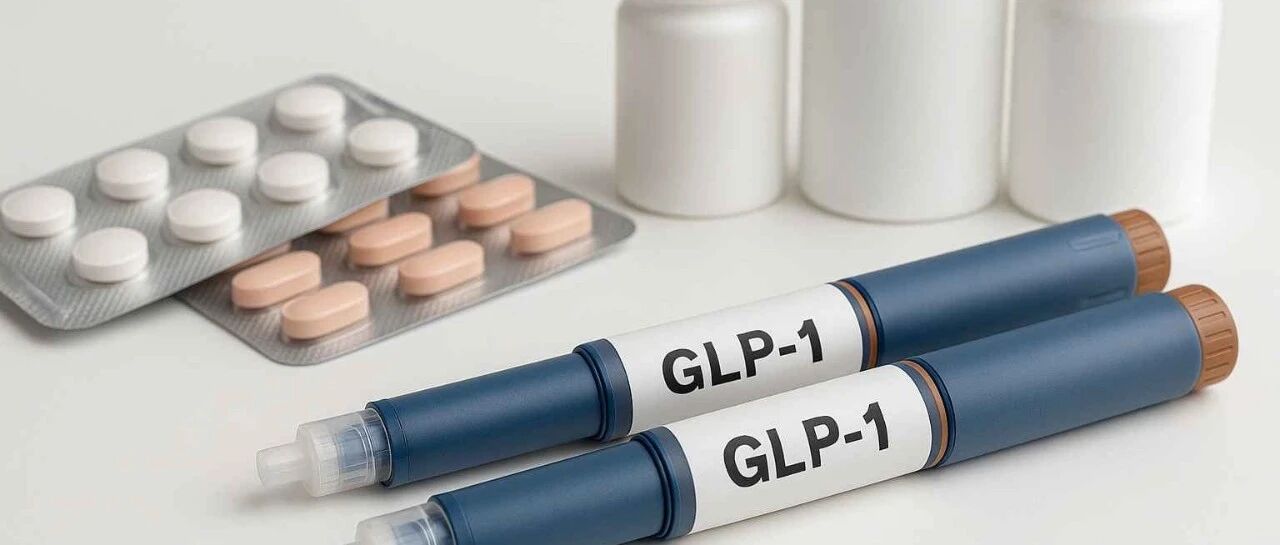
减肥药太多,中国胖子要不够用了
GLP1减重宝典· 2026-03-14 12:41
Core Viewpoint - The Chinese weight loss drug market is rapidly evolving from a two-player competition between foreign companies to a multi-player landscape that includes local innovations and subsequent entrants [2] Group 1: Market Dynamics - The approval and market entry of multiple GLP-1 drugs in China, including Wegovy and Mounjaro, indicate a shift towards a competitive environment with various players [2][3] - The first tier of products includes established players like Novo Nordisk and Eli Lilly, which have proven market capabilities and are targeting self-paying consumers in China [3] - The second tier consists of local innovative drugs like Innovent's Ma Shidu and Senwa's Enoglutide, which aim to differentiate themselves through efficacy and commercialization speed [5] Group 2: Competitive Landscape - The influx of new drugs leads to increased competition for doctors, patients, and distribution channels, creating a challenging environment for new entrants [9] - Upcoming oral GLP-1 drugs, such as Eli Lilly's orforglipron, could change the competitive dynamics by lowering barriers to use and shifting focus to convenience and cost [7] - Multi-target products are raising the efficacy standards, with candidates like UBT251 showing significant weight loss results, indicating a push for better performance in the market [7] Group 3: Future Outlook - The market is expected to favor products that demonstrate clear efficacy, convenient administration methods, competitive pricing, and additional metabolic benefits [11] - Many projects may struggle to reach the market due to the crowded landscape, with only a few types of products likely to survive [11][12] - The window for new entrants is narrowing as the market becomes increasingly saturated with established and upcoming competitors [12]


反弹50%只是开始?深度复盘HIMS与药王的“世纪大和解”
格隆汇APP· 2026-03-13 10:16
Core Viewpoint - Hims & Hers (HIMS) has transitioned from a risky player in the healthcare sector to a legitimate distributor of Novo Nordisk's products following a significant settlement, which has led to a dramatic increase in its stock price and a re-evaluation of its market position [6][7][8]. Group 1: Historical Context - The conflict between HIMS and Novo Nordisk was characterized by strategic confrontations and legal battles, with HIMS leveraging regulatory loopholes to introduce its own version of semaglutide injections at a significantly lower price [10][11]. - HIMS experienced a stock price surge of up to 400% from September 2024 to February 2025, driven by strong demand for GLP-1 drugs despite ongoing legal challenges [13]. - A brief collaboration in April 2025, where HIMS began distributing Novo Nordisk's official products, ended in June 2025 when Novo Nordisk accused HIMS of unethical practices, leading to a sharp decline in HIMS's stock price [15][16]. Group 2: Settlement and Market Reaction - The settlement on March 9, 2026, marked a turning point, with Novo Nordisk withdrawing all lawsuits against HIMS and allowing it to become an official online distributor, resulting in a 51% stock price increase shortly after the announcement [7][20]. - The resolution of legal risks has led to a significant shift in market perception, with institutional investors showing renewed interest in HIMS, as evidenced by large block trades following the settlement [25]. Group 3: Future Ambitions - HIMS aims to transform from a mere online pharmacy to a leading health brand, as indicated by the appointment of Casey Pfeiffer, a former Eli Lilly executive, as Chief Communications Officer [33][35]. - The company's strategy focuses on leveraging brand equity and a subscription model to dominate the direct-to-consumer healthcare market, moving away from its previous reliance on gray market products [35]. Group 4: Market Dynamics - Major investment banks have revised their target prices for HIMS, with Bank of America doubling its target to $23 and Citigroup raising its target to $24, reflecting a shift in sentiment as the risk premium decreases [28][29][31]. - The competitive landscape in the D2C healthcare sector is intensifying, with potential challenges from larger internet companies and macroeconomic uncertainties that could impact HIMS's profitability and market valuation [44].


小核酸行业系列报告(一):小核酸成药之路:ListeningtotheSoundofSilence:小核酸成药之路
Tai Ping Yang Zheng Quan· 2026-03-13 10:11
Investment Rating - The report does not explicitly state an investment rating for the small nucleic acid industry Core Insights - Small nucleic acid drugs have transitioned from technical validation to commercial realization, with projected sales of approximately $3.1 billion for ASO and $4.2 billion for siRNA by 2025 [3] - The development paths of ASO and siRNA are shaped by their mechanistic differences, with ASO utilizing a single-strand structure for direct delivery into target cells, while siRNA relies on carrier systems for effective delivery due to its larger size and strong negative charge [3] - Continuous evolution in chemical modifications and delivery platforms has improved the stability, targeting, safety, and convenience of small nucleic acid drugs, expanding their application from rare diseases to chronic conditions [3] - Current advancements in liver-targeting technologies are paving the way for the next phase of delivery to extrahepatic tissues, with future valuations of small nucleic acid companies focusing on platform capabilities and expansion into chronic disease treatments [3] Summary by Sections Small Nucleic Acids Unlock Gene Expression Regulation - Small nucleic acid drugs can target previously undruggable proteins by intervening at the gene expression level, significantly broadening the potential therapeutic targets [9][11] Pathways to Small Nucleic Acid Drug Development - The report outlines the dual pathways of ASO and siRNA, highlighting their distinct mechanisms and therapeutic applications [12][30] Mechanistic Differences: ASO vs. siRNA - ASO employs RNase H-mediated degradation and splicing regulation to inhibit protein expression, while siRNA utilizes the RISC mechanism for mRNA degradation [20][26] Chemical Modifications and Stability - The report details the evolution of chemical modifications across four generations, enhancing the stability and specificity of ASO and siRNA [32][36] Delivery Breakthroughs - The challenges of delivering small nucleic acids across cellular barriers are discussed, emphasizing the need for effective delivery systems [40][44] Safety Optimization - Innovations in toxicity management for ASO and siRNA are crucial for supporting long-term use and chronic disease management [62][64] Commercialization and Boundary Expansion - The report emphasizes the transition from liver-targeted therapies to exploring delivery strategies for other tissues, indicating a strategic shift in the industry [60][61]




药渡每周渡选-20260313
药渡数据· 2026-03-13 02:57
Investment Rating - The report does not explicitly state an investment rating for the industry Core Insights - The global biopharmaceutical industry is experiencing a surge in capital market activities, with significant collaborations and financing deals, including a $1.18 billion global rights authorization for a dual antibody by Deqi Pharmaceuticals and a $1.53 billion exclusive license agreement between China National Pharmaceutical Group and Sanofi [4][10] - Clinical advancements are notable in metabolic, oncology, and immunology fields, with Roche's Fenebrutinib showing a 51% reduction in annual relapse rate for multiple sclerosis and promising results from various drugs targeting obesity and cancer [5][8] - The industry is witnessing a strategic shift towards accelerated capitalization and upgraded R&D models, with companies focusing on core technology platform development and AI-driven drug discovery becoming a trend [5][10] Summary by Sections Global Biopharmaceutical Industry Dynamics - The capital market is seeing dense collaboration and financing activities, with multiple companies securing significant funding and partnerships [4] - Notable financing events include Candid's $505 million merger for NASDAQ listing and various companies completing rounds of financing exceeding hundreds of millions [10][11] Major Events in the Global Biopharmaceutical Industry - Deqi Pharmaceuticals authorized global rights for its CD3/CD19 dual antibody, potentially earning up to $1.18 billion [6] - Clinical data from Hansoh Pharmaceutical's obesity treatment showed a 19.3% average weight reduction in a Phase III trial, indicating strong efficacy [6][8] - China National Pharmaceutical Group's exclusive licensing deal with Sanofi for a JAK/ROCK inhibitor could yield up to $1.53 billion [6] Important Clinical Developments/Results - Roche's Fenebrutinib demonstrated a 51% reduction in annual relapse rate for multiple sclerosis in Phase III trials [8] - Kanfang Biologics' Cardonili achieved a 100% overall survival rate at 24 months in cervical cancer patients during Phase II trials [8] - Petrelintide, also from Roche, showed a 10.7% average weight loss in obese patients over 42 weeks in Phase II trials [8] Important Financing and Transaction Events - The report highlights multiple significant financing and strategic collaboration events, including a $400 million strategic financing for Teva Pharmaceuticals and various companies completing substantial funding rounds [10][11] - Five and Boao's IPO application in Hong Kong and other companies securing large investments indicate a trend towards increased capital influx in the biopharmaceutical sector [11][12]



Novo Nordisk (NVO) Sees a More Significant Dip Than Broader Market: Some Facts to Know
ZACKS· 2026-03-12 22:46
Company Performance - Novo Nordisk's stock price decreased by 2.09% to $38.02, underperforming the S&P 500's daily loss of 1.52% [1] - Over the past month, shares have depreciated by 20.33%, significantly worse than the Medical sector's loss of 3.1% and the S&P 500's loss of 2.25% [1] Financial Projections - The upcoming earnings per share (EPS) for Novo Nordisk is projected at $0.86, indicating a 6.52% decrease from the same quarter last year [2] - The Zacks Consensus Estimate for revenue is $11.23 billion, reflecting a 1.99% increase from the previous year [2] - For the full year, projected earnings are $3.33 per share and revenue is $43.91 billion, representing declines of 15.91% and 6.13% respectively from the prior year [3] Analyst Estimates and Rankings - Recent changes to analyst estimates for Novo Nordisk are crucial for investors, as positive revisions can indicate a favorable business outlook [3] - The Zacks Rank system, which evaluates estimate changes, currently ranks Novo Nordisk at 4 (Sell), with the EPS estimate moving 0.36% lower over the past month [5] Valuation Metrics - Novo Nordisk's Forward P/E ratio is 11.68, which is lower than the industry average Forward P/E of 15.66 [6] - The Large Cap Pharmaceuticals industry, part of the Medical sector, has a Zacks Industry Rank of 205, placing it in the bottom 17% of over 250 industries [6]
Is Hims & Hers Really the Growth Stock to Buy That It Appears?
247Wallst· 2026-03-12 14:46
Core Viewpoint - Hims & Hers has transitioned from compounded GLP-1 drugs to selling branded Wegovy and Ozempic directly, resolving legal issues and restoring investor confidence, leading to a significant stock price rebound of 64% since the announcement [1][2] Group 1: Company Developments - Hims & Hers agreed to sell branded Wegovy and Ozempic while discontinuing most compounded GLP-1 advertising, resolving a patent lawsuit with Novo Nordisk [1] - The company had seen its shares drop over 75% due to regulatory scrutiny and legal challenges but has now regained legitimacy with the new distribution rights [1] - The pivot to branded products enhances Hims' credibility as a healthcare partner and removes concerns about counterfeit safety and patent violations [1] Group 2: Market Response - Following the announcement, Hims' stock surged by 64%, including a remarkable 40% gain in a single day [1] - Analysts have responded positively, with Needham upgrading its rating to Buy with a target price of $30, while other firms have raised their price targets [1] - Revenue projections for Hims are robust, with expectations of $2.35 billion in 2025, reflecting a 59% year-over-year increase [1] Group 3: Risks and Challenges - Despite the positive developments, Hims is now heavily reliant on Novo Nordisk as a single supplier for its growth, which poses risks if production issues arise or if Novo changes its strategy [1][2] - The stock's current valuation is high, and analysts caution that any issues with patient retention or slower adoption of branded products could negatively impact share prices [1] - Historical context shows that previous collaborations with Novo have faced challenges, raising concerns about the sustainability of the current partnership [1]

Hims & Hers Health And Novo Nordisk: A Corporate Remarriage That May Work Out Profitably (NYSE:HIMS)
Seeking Alpha· 2026-03-12 14:25
Core Viewpoint - The article analyzes whether Hims and HERS Health, Inc. (HIM) stock is overpriced due to short-term euphoria from its partnership with Novo Nordisk and short-covering, or undervalued by the market due to perceived instability [1] Group 1 - The focus is on identifying potential high-return investments (5–10 baggers) in small- and mid-cap companies through fundamental analysis [1] - The analysis emphasizes early-commercial-stage life sciences companies, insurers, homebuilders, and select consumer-facing businesses as key areas of interest [1]

一张照片,千亿变局:马斯克点燃的战火,烧到了谁的家门口?
和讯· 2026-03-12 09:09
Core Insights - The global competition for the title of "king of drugs" in the GLP-1 weight loss market has shifted, with Eli Lilly's tirzepatide surpassing Novo Nordisk's semaglutide by a narrow margin of $4 billion in sales, marking a significant industry reshuffle [2][3] - Pfizer, previously absent from the GLP-1 market, is making a strategic entry by acquiring rights to the GLP-1 drug, enoglutide, from a Chinese company, aiming to capitalize on the burgeoning Chinese market [4][8] Group 1: Market Dynamics - The GLP-1 market is experiencing intense competition, with Eli Lilly's tirzepatide achieving a 25.5% weight loss in clinical trials, outperforming Novo Nordisk's semaglutide, which recorded a 23.0% weight loss [3][4] - Novo Nordisk's stock plummeted over 15% following disappointing results from its next-generation weight loss drug, CagriSema, which failed to meet expectations [3][4] - A price war has erupted in China, with Novo Nordisk slashing prices for semaglutide by nearly 50%, while Eli Lilly's tirzepatide saw an 80% price reduction, indicating a desperate bid for market share [3][4] Group 2: Pfizer's Strategic Shift - Pfizer's entry into the GLP-1 market is driven by necessity, as the company faces significant revenue losses from expiring patents on key products, with an estimated $20 billion in sales at risk by 2026 [10][11] - The company has abandoned its own GLP-1 development efforts after a series of failures and is now focusing on acquiring existing products to quickly establish a presence in the market [12][13] - Pfizer's strategy includes leveraging the Chinese market, where it aims to capture a significant share of the growing demand for weight loss medications, positioning itself as a latecomer with a pragmatic approach [15][20] Group 3: Competitive Strategies - Novo Nordisk is adopting a defensive strategy, focusing on maintaining its 60% market share in China while investing heavily in oral GLP-1 technology to fend off competition [16] - Eli Lilly is aggressively expanding its market presence by integrating advanced technologies and securing favorable pricing strategies, including inclusion in China's healthcare reimbursement system [17] - Pfizer's approach is characterized by a focus on external partnerships and a light asset model, allowing it to avoid the pitfalls of extensive R&D while rapidly entering the market [18][19]

Novo Holdings announces 2025 Annual Results
Globenewswire· 2026-03-12 07:00
Core Viewpoint - Novo Holdings reported strong financial results for 2025, achieving a return of 9.2% in Constant Exchange Rates (CER), despite facing significant currency depreciation and headwinds in the life sciences industry [1][2][8]. Investment Portfolio Performance - The Investment Portfolio generated a total income and investment returns of DKK 21 billion (€2.8 billion) in 2025, with DKK 15 billion (€2.0 billion) from dividends and DKK 5.8 billion (€0.8 billion) from investment assets [7]. - The total assets under management decreased to DKK 694 billion (€93 billion) in 2025 from DKK 1,060 billion (€142 billion) in 2024, primarily due to a drop in the market value of Novo Nordisk A/S [7]. - The Investment Portfolio grew from DKK 216 billion (€29 billion) in 2024 to DKK 226 billion (€30 billion) in 2025 [7]. Life Science Investments - Life Science Investments accounted for 52% of the total portfolio, closing the year with DKK 124 billion (€17 billion) in investment assets, generating a return of -0.3% in DKK and 9.8% in CER [5][6]. - In 2025, Novo Holdings deployed DKK 13 billion (€1.8 billion) into life sciences, welcomed 12 new companies, and exited 36 companies, ending the year with 170 companies in the portfolio [4][5]. Capital Investments - Capital Investments, making up 48% of the portfolio, delivered a strong performance with DKK 114 billion (€15 billion) in investment assets and returns of 6.4% in DKK and 9.8% in CER [6][7]. - The strategy focused on investing in less cyclical, resilient businesses with high recurring revenue, which proved beneficial amid market volatility [6]. Historical Performance - The total return on the Investment Portfolio for 2025 was 2.3% in DKK and 9.2% in CER, compared to 14.8% in CER for 2024 [7][8]. - Over the past five years, the average return was 8.0% in CER, and over ten years, it was 8.9% in CER, both exceeding benchmarks [7][8].