Novartis(NVS)

Search documents
2025年中国过敏性疾病药物行业系列报告(三):精准医疗时代慢性自发性荨麻疹药物靶向治疗新突破
Tou Bao Yan Jiu Yuan· 2025-11-17 13:09
Investment Rating - The report does not explicitly state an investment rating for the chronic spontaneous urticaria (CSU) drug industry in China. Core Insights - The chronic spontaneous urticaria drug market in China is projected to grow from CNY 12.4 billion in 2019 to CNY 16.9 billion in 2024, with a compound annual growth rate (CAGR) of 6.4%. It is expected to further increase at a CAGR of 16.2%, reaching CNY 41.7 billion by 2030 [5][12][14]. - The existing treatment landscape for CSU primarily includes second-generation antihistamines, with varying sales performance among different drugs. Innovative monoclonal antibody therapies are emerging, with several companies focusing on IL-4R and IgE targets [5][24][30]. Summary by Sections Market Overview - The report focuses on the chronic spontaneous urticaria drug industry in China, exploring disease mechanisms, drug patterns, and research and development progress to understand the current market size and future growth [3][4]. Treatment Patterns - The first-line treatment for CSU is standard-dose second-generation antihistamines. If symptoms are uncontrolled, combination therapy or increased dosage may be considered. If still ineffective, omalizumab can be added [5]. Market Size and Growth - The CSU drug market in China is expected to grow significantly, with a market size of CNY 12.4 billion in 2019, increasing to CNY 16.9 billion by 2024, and projected to reach CNY 41.7 billion by 2030 [12][14]. Drug Sales Performance - Sales of second-generation antihistamines show varied trends: - Loratadine has faced sales fluctuations due to generic competition. - Cetirizine maintains stable sales due to formulation innovations. - Ebastine has seen a significant decline due to national procurement policies. - Desloratadine has experienced continuous growth due to new formulations and market expansion [5][17][20]. Innovation in Drug Development - The report highlights a rich pipeline of innovative monoclonal antibody therapies for CSU treatment, with companies like Sanofi and others focusing on IL-4R and IgE targets, some of which are in clinical phases [5][24][30]. Epidemiology - The number of CSU patients globally and in China is on the rise, with projections indicating 73.5 million cases worldwide and 29.7 million in China by 2030 [8][11]. Competitive Landscape - The competitive landscape for second-generation antihistamines in China is characterized by significant disparities in sales among leading companies, with a clear market hierarchy [20][21]. Monoclonal Antibody Market - In the global CSU monoclonal antibody market, Sanofi's Dupixent shows strong performance, while Novartis's Omalizumab faces challenges and needs optimization to maintain its leading position [24][25][27]. Candidate Drugs in China - The Chinese market for CSU monoclonal antibodies features multiple candidates with diverse targets and clinical stages, indicating a dynamic and competitive environment [30].





医药生物行业双周报:创新为源,临床为鉴,效率为盾聚焦三大投资方向-20251117
Great Wall Glory Securities· 2025-11-17 11:03
Investment Rating - The investment rating for the pharmaceutical and biotechnology industry is "Positive" and the rating has been maintained [1] Core Views - The report emphasizes three core investment directions: 1) Breakthroughs in cutting-edge technologies (e.g., First-in-class drugs in oncology, weight loss, autoimmune fields, and innovative devices like brain-machine interfaces); 2) Clinical validation and commercialization potential (focus on the progress of domestic innovative drugs going abroad and the clinical development progress post-BD transactions); 3) Efficiency advantages in the industry chain (CXO leaders and high-value consumables' global layout) [8] Industry Review - The pharmaceutical and biotechnology industry index increased by 0.81%, ranking 21st among 31 primary industries, outperforming the CSI 300 index which decreased by 0.27% [5][16] - The sub-industries of pharmaceutical circulation and in vitro diagnostics saw significant gains of 7.61% and 5.32% respectively, while medical research outsourcing and medical devices experienced declines of 3.49% and 1.76% [5][16] - As of November 14, 2025, the industry PE (TTM overall method, excluding negative values) was 30.89x, up from 30.67x in the previous period, indicating an upward valuation trend that remains below the average [21] - The top three PE ratios among the sub-industries were for vaccines (50.42x), hospitals (43.67x), and medical devices (37.84x), while pharmaceutical circulation had the lowest valuation at 15.46x [21] Important Industry News - The National Health Commission and others issued implementation opinions to promote and regulate the application of "AI + healthcare" [7] - The NMPA released a new version of the "Medical Device Production Quality Management Specifications" [7] - Novartis received NMPA approval for its first radioligand therapy drug "Pluvicto®" for dual indications [7] - Sanofi's innovative targeted nano-antibody "Cablivi®" was approved by NMPA for treating immune-mediated thrombotic thrombocytopenic purpura [7] - The U.S. government reached a drug price control agreement with Eli Lilly and Novo Nordisk, leading to significant price reductions for GLP-1 drugs [7]


超越青蒿素,克服耐药性!首个非青蒿素抗疟疾药物即将上市
生物世界· 2025-11-16 03:34
Core Viewpoint - The article highlights the significant advancements in malaria treatment, particularly focusing on the development of a new drug, Ganaplacide–Lumefantrine (GanLum), by Novartis, which shows promise against drug-resistant malaria strains [8][10]. Group 1: Historical Context and Current Situation - In 1972, Chinese scientists, led by Tu Youyou, extracted artemisinin from sweet wormwood, significantly reducing malaria mortality rates and earning Tu the Nobel Prize in 2015 [2]. - The compound artemisinin led to the development of artemether-lumefantrine, marketed as Coartem, which became a first-line treatment for malaria and has saved millions of lives since its approval in 1999 [3][5]. - Malaria, caused by Plasmodium parasites transmitted through mosquito bites, infects hundreds of millions globally each year, resulting in nearly 600,000 deaths, primarily among children under five [5]. Group 2: New Drug Development - Novartis announced promising results from Phase 3 clinical trials for GanLum, a new imidazopyridine-based antimalarial drug, which targets the internal protein transport system necessary for the survival of the malaria parasite in human red blood cells [8]. - The clinical trial involved 1,688 malaria patients across 12 African countries, showing GanLum cleared artemisinin-resistant malaria mutations in about 47 hours, compared to 71 hours for artemether-lumefantrine [8]. - GanLum achieved a cure rate of 97.4%, surpassing the 94% cure rate of the standard treatment, with comparable safety profiles [8]. Group 3: Implications and Future Prospects - GanLum is expected to be effective in areas with known artemisinin resistance and can also be used in regions without resistance to slow down the development of drug resistance [10]. - Novartis is currently seeking regulatory approval for GanLum, with expectations for market availability within 12-18 months, marking the first new class of antimalarial drug approved since artemether-lumefantrine [11].


美国与瑞士达成贸易协议,将瑞士商品关税下调至15%
财联社· 2025-11-14 18:37
Group 1 - The Swiss government announced a trade agreement with the US, reducing tariffs on Swiss products from 39% to 15%, impacting approximately 40% of Swiss exports [1] - Swiss companies are committed to investing $200 billion in the US by the end of 2028, with a significant portion expected to come from the pharmaceutical and life sciences sectors [1][2] - The agreement sets a 15% tariff ceiling for Swiss pharmaceutical companies, protecting them from potential high tariffs under the upcoming "national security tariffs" [2] Group 2 - The trade agreement will also lower import tariffs on industrial goods, fish, seafood, and certain agricultural products deemed "non-sensitive" by Switzerland [2] - In 2024, the trade surplus between Switzerland and the US is projected to be $38.3 billion, expanding to $55.7 billion in the first seven months of 2025 [2] - The reduction in tariffs is expected to significantly benefit Swiss small and medium-sized manufacturers, providing them with competitive conditions in the US market [2] Group 3 - The KOF economic research institute forecasts that the economic growth rate for Switzerland in 2026 will be 0.9%, but this could exceed 1% due to the tariff reductions [3]


Interim Report for the period July - September 2025: BioArctic
Prnewswire· 2025-11-13 07:19
Core Insights - BioArctic is expanding its portfolio through new projects and partnerships, particularly highlighting its collaboration with Novartis, which is expected to enhance its treatment offerings for neurodegenerative diseases [3][10]. Financial Performance - For the third quarter of 2025, BioArctic reported net revenues of SEK 133.3 million, a significant increase from SEK 76.6 million in the same period last year. Royalties from Leqembi accounted for SEK 117.2 million, up from SEK 69.8 million [6]. - The company experienced an operating loss of SEK 28.8 million, compared to a loss of SEK 26.1 million in the previous year. The profit for the period was SEK -86.9 million, compared to SEK -19.6 million [6]. - Cash flow from operating activities improved to SEK -41.2 million from SEK -80.3 million, with cash and cash equivalents at SEK 1,882.0 million, up from SEK 804.5 million [6]. Product Development and Market Expansion - Leqembi sales showed a quarter-on-quarter growth of approximately 14%, adjusted for stocking effects in China. The drug is now approved in over 50 countries, with recent approvals in Australia, Canada, and India [4]. - Regulatory approval for monthly intravenous maintenance treatment in China was achieved, marking the fifth market for this dosing regimen. The US also approved weekly subcutaneous maintenance dosing for Leqembi Iqlik [5][6]. - BioArctic's pipeline includes ongoing studies for Exidavnemab and other early projects targeting neurodegenerative diseases, with expectations for results after summer 2026 [11]. Strategic Collaborations - The collaboration with Novartis includes an upfront payment of USD 30 million and aims to combine BioArctic's BrainTransporter technology with Novartis' proprietary antibody for neurodegenerative treatments [6][10]. - The partnership is seen as a significant step in enhancing treatment options for patients and expanding the company's reach in the neurodegenerative disease market [7][10]. Research and Development - New data on lecanemab was presented at the AAIC congress, focusing on long-term efficacy and safety, as well as real-world evidence [6]. - BioArctic is also venturing into Huntington's disease research, aiming to develop disease-modifying treatments, which currently have no available options [12].

New, effective anti-malaria drug could help fight rising resistance, says Novartis
Reuters· 2025-11-12 22:07
Core Insights - A new antimalarial drug developed by Novartis is reported to be as effective as existing treatments, addressing the issue of rising drug resistance [1] Company Summary - Novartis has presented final-stage trial results for its new antimalarial drug, indicating its potential to combat increasing drug resistance in malaria treatments [1] Industry Summary - The introduction of Novartis's new drug could significantly impact the antimalarial market, especially in regions where drug resistance is becoming a critical challenge [1]
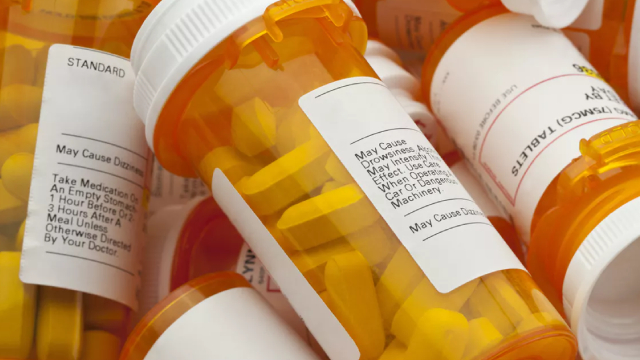
Novartis Phase III trial for next-generation malaria treatment KLU156 (GanLum) meets primary endpoint, with potential to combat antimalarial resistance
Globenewswire· 2025-11-12 22:00
Core Insights - Novartis announced positive results from the Phase III KALUMA study for KLU156 (ganaplacide/lumefantrine, or GanLum), demonstrating a 97.4% PCR-corrected cure rate, surpassing the 94.0% rate of the current standard of care [1][7] - GanLum is positioned as a significant advancement in malaria treatment, particularly effective against drug-resistant strains [4][6] Study Details - The KALUMA trial involved 1,688 participants across 34 sites in 12 African countries, with GanLum administered once daily for three days [2][9] - The treatment showed high efficacy against mutant malaria parasites and rapid response against mature gametocytes [2][4] Drug Mechanism and Development - GanLum combines ganaplacide, which disrupts the malaria parasite's protein transport systems, and a new formulation of lumefantrine [5][6] - The drug was developed with support from Medicines for Malaria Venture (MMV) and is part of a broader initiative to combat malaria [8][11] Regulatory and Market Implications - Novartis plans to seek regulatory approvals for GanLum, which has already received Fast Track and Orphan Drug Designations from the FDA [6][7] - If approved, GanLum would be the first major innovation in malaria treatment since the introduction of artemisinin-based therapies [7][8] Industry Context - The announcement comes amid increasing concerns over antimalarial drug resistance in Africa, highlighting the urgent need for new treatment options [3][9] - Novartis has committed significant resources to malaria research and development, with over USD 500 million invested since 2021 [11][12]

Germany Dermatophytic Onychomycosis Treatment Market Share, Growth, Size, Industry Trends, Analysis, Segments, and Forecast 2025 to 2032
Medium· 2025-11-11 04:57
Market Overview - The global Dermatophytic Onychomycosis Treatment Market was valued at approximately USD 4.5 billion in 2024 and is projected to reach USD 7.8 billion by 2032, with a CAGR of 7.1% from 2025 to 2032 [2][17]. Technological Advancements - Artificial intelligence is enhancing diagnostic accuracy and streamlining drug discovery processes, leading to earlier and more accurate diagnoses of fungal infections [3][4]. - AI is also accelerating the development of novel antifungal agents and personalized treatment strategies through data analysis [5][21]. Treatment Landscape - The treatment options for dermatophytic onychomycosis include topical and oral antifungal medications, laser therapy, and photodynamic therapy, each with varying efficacy and patient compliance [6][9]. - There is a growing emphasis on developing therapies that offer improved efficacy, reduced treatment duration, and fewer side effects compared to traditional options [9][12]. Market Drivers - Increasing healthcare expenditure, robust R&D activities, and favorable regulatory support for new treatments are driving growth in the market [15][16]. - The aging global population and rising aesthetic concerns are contributing to the increasing prevalence of onychomycosis [17][19]. Regional Insights - North America leads the market with a significant share, driven by high awareness and advanced healthcare infrastructure, expected to grow at a CAGR of approximately 6.9% [29]. - The Asia Pacific region is emerging as the fastest-growing area, projected to expand at a CAGR of approximately 8.2% due to rising healthcare expenditure and improving access to medical facilities [30]. Key Players - Major companies in the dermatophytic onychomycosis treatment market include Pfizer Inc., Novartis AG, Bausch Health Companies Inc., and others [11]. Future Outlook - The market outlook from 2025 to 2032 appears promising, characterized by continued innovation and market expansion, with a focus on patient-centric solutions and technological integration [17][21].




前瞻布局小核酸黄金赛道,把握“技术突破+商业兑现”双主线
2025-11-11 01:01
Summary of Key Points from the Conference Call Industry Overview - The small nucleic acid drug market is rapidly developing, with companies like Namer and IONIS raising their commercialization revenue guidance, indicating significant market potential as product lines expand from rare diseases to chronic diseases [1][2][3] - The small nucleic acid sector has seen a continuous rise in stock prices since mid-year, reflecting investor optimism about the future of small nucleic acid drugs [1][2][3] - Domestic enthusiasm for small nucleic acid drug development is high, with several companies achieving breakthroughs in business development transactions [1][3] Core Insights and Arguments - IONIS is expected to launch nearly 10 products between 2025 and 2028, covering both rare and chronic diseases, such as LGA kidney disease [1][2][15] - Major pharmaceutical companies like Novartis and Sanofi are actively investing in the small nucleic acid field through business development and acquisitions, indicating confidence in the market [2][11][12] - The small nucleic acid technology primarily includes ASO (Antisense Oligonucleotides) and siRNA (small interfering RNA), with siRNA products dominating since 2018 [2][5] Advantages of Small Nucleic Acid Drugs - Small nucleic acid drugs target approximately 70% of human genes, significantly higher than the 0.05% targeted by small molecules and antibodies, providing a broader application space [4] - They offer higher treatment efficiency, greater specificity, and lower toxicity compared to traditional therapies, making them suitable for a wider range of diseases [4] - The long half-life of small nucleic acids allows for less frequent dosing, improving patient compliance [4] Market Trends - The small nucleic acid drug market is experiencing rapid growth, with 19 products launched after 2018, representing 83% of the total, and 13 launched after 2020, representing 57% [8] - The market is expanding from rare diseases to chronic diseases, which not only broadens the market space but also highlights the advantages of reduced dosing frequency [8] Patent and Technology Landscape - Many patents for small nucleic acid modification technologies are expiring or about to expire, while some base modification patents remain valid [6] - The delivery technology for small nucleic acids aims to protect them from degradation, achieve precise targeting, and promote cellular uptake [7] Notable Companies and Developments - Annamira has diversified its pipeline beyond rare diseases into cardiovascular, metabolic, and neurological diseases, showing strong revenue growth [14] - Sanofi has made significant investments in small nucleic acid drugs, including a $3.395 billion acquisition of a small nucleic acid drug from a subsidiary [12] - Domestic companies like Shengnuo Pharmaceutical, Frontier Bio, Tencent BoYao, and Yuekang Pharmaceutical are making notable progress in the small nucleic acid sector [17] Future Outlook - IONIS plans to launch multiple products across various therapeutic areas, including hepatitis B and cardiovascular diseases, from 2025 to 2028 [15] - Companies are increasingly focusing on innovative delivery technologies and expanding their pipelines to capture a larger market share in the small nucleic acid space [16][17]
Novartis opens new plant in California to make cancer drugs
Reuters· 2025-11-10 14:34
Core Viewpoint - Swiss drugmaker Novartis has opened a new 10,000-square-foot factory in Carlsbad, California, to produce cancer treatments, as part of its commitment to invest billions in expanding U.S. operations [1] Company Summary - The new facility in Carlsbad is specifically designed for the manufacturing of cancer therapies [1] - This investment is part of Novartis's broader strategy to enhance its production capabilities in the United States [1] Industry Summary - The establishment of the new factory reflects the growing emphasis on domestic production of pharmaceuticals, particularly in the oncology sector [1] - Novartis's investment aligns with industry trends focusing on increasing local manufacturing to meet rising demand for cancer treatments [1]