Novartis(NVS)

Search documents
What to Expect From These Drug/Biotech Players This Earnings Season?
ZACKS· 2026-02-16 20:16
Industry Overview - The fourth-quarter 2025 reporting season for the Medical sector is nearing its final stretch, with only a few pharma and biotech companies left to report [1] - As of February 11, 73.3% of companies in the Medical sector, representing 91% of the sector's market capitalization, reported quarterly earnings, with 86.4% exceeding both earnings and sales estimates [2][10] - Overall, fourth-quarter earnings in the medical sector are expected to decrease by 0.6%, while sales are projected to rise by 10.4% compared to the previous year [4] Company Performance Johnson & Johnson - Reported strong fourth-quarter results, beating estimates for both earnings and sales [3] Novartis - Beat earnings estimates but faced revenue pressure due to generic competition for key drugs like Entresto and Promacta [3] Bristol Myers Squibb - Beat both earnings and sales estimates and issued encouraging guidance [3] Gilead Sciences - Earnings exceeded both top and bottom lines, supported by higher sales of HIV and Liver Diseases drugs [3] Bausch Health - Mixed performance with two earnings beats and two misses in the last four quarters, delivering a four-quarter average negative surprise of 6.26% [5] - Scheduled to report on February 18, with an Earnings ESP of -8.84% and a Zacks Rank 3 [7] Amicus Therapeutics - Disappointing earnings track record with three misses and one beat in the last four quarters, averaging a negative surprise of 20.21% [8] - Set to be acquired by BioMarin, with its lead drug Galafold showing solid uptake [9] BioMarin Pharmaceutical - Impressive track record, beating earnings estimates in each of the last four quarters with an average surprise of 66.51% [11] - Scheduled to report with an Earnings ESP of -3.23% and a Zacks Rank 3, driven by strong demand for its dwarfism drug Voxzogo [12] Insmed - Poor earnings track record with four consecutive misses, averaging a negative surprise of 20.64% [13] - Scheduled to report on February 19, with an Earnings ESP of +7.01% and a Zacks Rank 3 [14] - Lead drug Arikayce gaining traction, with a new drug approval marking a significant milestone [15] Madrigal Pharmaceuticals - Missed earnings expectations in three of the last four quarters, with an average negative surprise of 17.17% [16] - Scheduled to report on February 19, with an Earnings ESP of -852.37% and a Zacks Rank 4 [16][17]



NVS Reports Positive Late-Stage Data on Kidney Disease Drug Vanrafia
ZACKS· 2026-02-13 16:20
Core Insights - Novartis (NVS) announced positive results from the late-stage III ALIGN study for its kidney disease drug Vanrafia (atrasentan) [1][9] - The ALIGN study demonstrated that Vanrafia effectively slows the decline of kidney function in patients with IgA nephropathy [3][4] Study Results - Vanrafia showed a significant difference in estimated glomerular filtration rate (eGFR) change from baseline compared to placebo, with a 2.39 ml/min/1.73m² difference at week 136 and a 2.59 ml/min/1.73m² difference at week 132 [3][4] - The study included a subgroup of patients receiving SGLT2 inhibitors, who also exhibited similar benefits [4] Regulatory Status - Vanrafia received accelerated approval in the United States and China in 2025 for reducing proteinuria in adults with IgA nephropathy, with plans for traditional approval in 2026 [5][9] Product Portfolio - Novartis' renal portfolio includes Fabhalta (iptacopan), which is approved for treating adults with paroxysmal nocturnal hemoglobinuria and has also received accelerated approval for IgA nephropathy [6] - Fabhalta generated sales of $155 million in Q4 and $505 million in 2025 [7] Market Context - 2026 is a critical year for Novartis due to the patent expiry of its cardiovascular drug Entresto, which is the largest in its history [8] - Novartis shares have increased by 52.9% over the past year, outperforming the industry growth of 20.6% [8]

Novartis Says Vanrafia Drug Slows Kidney Function Decline
WSJ· 2026-02-13 06:57
Core Insights - The pharmaceutical company announced that phase 3 trials demonstrated that Vanrafia effectively slowed the decline in kidney function for adults suffering from progressive autoimmune kidney disease, specifically IgA nephropathy [1] Group 1 - The phase 3 trials indicate a positive outcome for Vanrafia in treating IgA nephropathy [1] - The drug targets a specific demographic, namely adults with progressive autoimmune kidney disease [1] - The results may position the company favorably in the competitive landscape of kidney disease treatments [1]

Novartis Vanrafia® Phase III data support slowing of kidney function decline in patients with IgA nephropathy
Globenewswire· 2026-02-13 06:15
Core Insights - Novartis announced final results from the Phase III ALIGN study, demonstrating that Vanrafia (atrasentan) significantly slows the decline in kidney function in adults with IgA nephropathy (IgAN) [1][3][9] - The study showed a difference of 2.39 ml/min/1.73m in estimated glomerular filtration rate (eGFR) change from baseline compared to placebo at Week 136, with a nominal p-value of 0.057 [1][9] - Vanrafia is positioned as a foundational therapy for IgAN, with a consistent safety profile and the ability to integrate into existing treatment plans [3][8] Study Results - At Week 132, Vanrafia demonstrated a 2.59 ml/min/1.73m change in eGFR from baseline compared to placebo, with a nominal p-value of 0.039 [2][9] - The ALIGN study provides the longest follow-up period in pivotal Phase III studies for IgAN, confirming the efficacy of Vanrafia across multiple timepoints and measures of kidney function [3][9] Product Information - Vanrafia is the first and only selective endothelin A receptor antagonist approved for primary IgAN, administered as a once-daily oral treatment [7][8] - It can be used alongside existing supportive care without the need for titration and does not require a Risk Evaluation and Mitigation Strategy (REMS) program [8] Company Commitment - Novartis is advancing its multi-asset IgAN portfolio, which includes Fabhalta (iptacopan) and investigational compound zigakibart, aiming to address significant unmet needs in kidney health [4][11] - The company has a legacy of over 40 years in kidney disease treatment and is focused on developing therapies that target the underlying causes of kidney diseases [11][12]

Novartis starts construction on new research facility in San Diego, US
Yahoo Finance· 2026-02-09 10:31
Core Insights - Novartis has begun construction on a new global biomedical research center in San Diego, California, which is expected to enhance its drug discovery capabilities and is set to open in 2029 [1][5] - The facility will cover approximately 466,000 square feet and accommodate around 1,000 employees, connecting with other Novartis research locations in Basel, Switzerland, and Cambridge, Massachusetts [1][3] Group 1: Research Focus - The center will support end-to-end drug discovery across various therapeutic areas, including age-related diseases, global health, neuroscience, oncology, and regenerative medicine [2] - It will enhance expertise in gene and cell therapies, RNA-based therapies, biologics, targeted protein degradation, and new delivery systems [2][6] Group 2: Technological Integration - Advanced AI and computational technologies will be incorporated throughout the center's operations, facilitating the sharing of insights and innovations across Novartis' global research network [3][6] Group 3: Investment and Expansion - The San Diego facility is part of Novartis' $23 billion investment plan in the US, which includes a manufacturing hub in North Carolina and several other expansion projects across the country [4] - The company is also planning additional radioligand therapy manufacturing sites in Texas and Florida, further expanding its capabilities in this area [4][6] Group 4: Strategic Goals - The new research center aims to strengthen Novartis' scientific leadership and accelerate the discovery of transformative medicines for patients worldwide [5] - It is designed to create a unified research center within a leading life sciences ecosystem, focusing on genetics and human biology in key therapeutic areas [6]
90亿+美金押注MCE赛道:巨头抢滩,为何Biotech寥寥?
Tai Mei Ti A P P· 2026-02-09 08:47
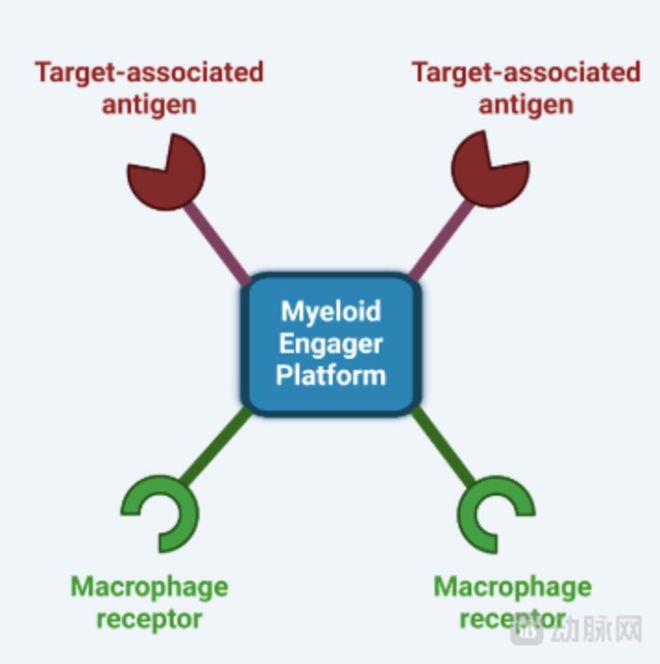
Core Insights - The global MCE (Myeloid Cell Engager) market has surpassed $9 billion in cumulative transaction value from 2022 to 2025, with major pharmaceutical companies like Novartis, Eli Lilly, and GSK actively entering the field through collaborations and acquisitions [1][20] - The year 2025 is anticipated to be a pivotal year for MCE, with significant deals such as Sanofi's $1.9 billion acquisition of Dren Bio and GSK's collaboration with LTZ Therapeutics valued at over $1.5 billion [1][19][12] - Despite the enthusiasm from large pharmaceutical companies, there are only a handful of biotech firms with a clear focus on MCE, raising questions about the early-stage technology and the limited number of players in the field [1][20] Industry Dynamics - The bottleneck in immunotherapy has led to a renewed focus on myeloid cell therapies, as traditional T-cell therapies face limitations in solid tumors [2][22] - Research indicates that myeloid cells, such as macrophages and dendritic cells, play a crucial role in the immune response within the tumor microenvironment, prompting a shift towards targeting these cells for therapeutic purposes [2][3] - The MCE approach utilizes bispecific antibodies to bridge tumor cells and myeloid cells, enhancing the immune response against tumors while addressing the limitations of T-cell therapies [5][7] Competitive Landscape - The MCE market is characterized by a three-tier structure: core biotech firms with proprietary technology, multinational corporations (MNCs) accelerating development through partnerships, and companies with foundational immunology expertise poised to enter the market [9][10] - Key players in the biotech sector include Dren Bio, which focuses on Dectin-1 activation, and LTZ Therapeutics, which employs a dual-pathway activation strategy involving myeloid and NK cells [10][11] - Companies like Elpiscience and Glenmark are also exploring innovative approaches to enhance myeloid cell engagement, indicating a diverse range of strategies within the MCE landscape [14][17] Market Potential - The demand for MCE therapies is driven by the substantial market size in oncology and autoimmune diseases, with the global solid tumor treatment market projected to reach $272 billion by 2032 [22] - MCE therapies are expected to address unmet needs in solid tumors, offering a differentiated mechanism compared to traditional therapies, which often face safety and efficacy challenges [22][23] - The potential for MCE to complement existing therapies like CAR-T and PD-1 inhibitors highlights its strategic importance in the evolving landscape of immunotherapy [23][24] Future Outlook - The success of MCE as a next-generation immunotherapy will depend on clinical trial outcomes and the ability to overcome technical challenges related to safety and efficacy [22][24] - The next 3-5 years will be critical for MCE, as clinical data will determine its viability and potential to reshape treatment paradigms in oncology and beyond [24]


Novartis breaks ground on new global Biomedical Research center in San Diego to accelerate drug discovery
Globenewswire· 2026-02-06 17:00
Core Insights - Novartis has commenced construction on a new global Biomedical Research center in San Diego, California, aimed at enhancing drug discovery capabilities and scientific infrastructure [1][3] - The facility, covering approximately 466,000 square feet, is expected to accommodate around 1,000 employees and will integrate with Novartis' global research sites [2][8] - The investment in this center is part of a broader USD 23 billion investment in the U.S. to expand research and development and advanced manufacturing capabilities [7][8] Company Developments - The new research center will focus on key therapeutic areas such as neuroscience and oncology, leveraging advanced technologies including AI and data analytics [3][6] - This facility will enhance Novartis' existing research efforts in San Diego, which has a legacy of over 25 years in research and development [4][5] - The center aims to foster collaboration with biotech, academic, and technology partners in the region, reinforcing San Diego's position as a leader in life sciences [4][5] Industry Impact - The establishment of the research center is expected to create high-quality jobs and contribute to the local economy by translating scientific breakthroughs into impactful medicines [4] - The facility will support end-to-end drug discovery across various disease areas and technology platforms, including gene and cell therapies, RNA-based therapies, and biologics [4][8] - Novartis' investment reflects a commitment to driving innovation and improving patient care on a global scale [5][6]
诺华制药(NVS.US)全球首创自免新药在中国申报上市
智通财经网· 2026-02-06 06:52
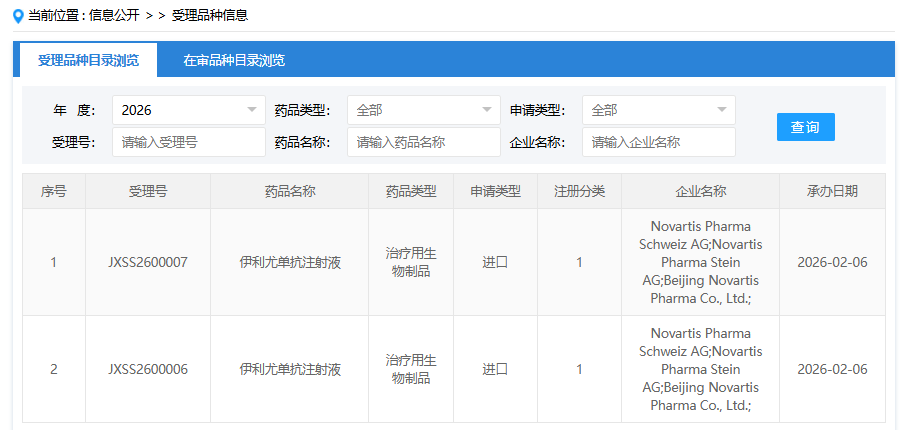
Core Viewpoint - Novartis has submitted a market application for Ianalumab in China, a fully human monoclonal antibody targeting BAFF-R, which has dual mechanisms of depleting B cells and inhibiting BAFF-R, aimed at treating various autoimmune diseases [1]. Group 1 - Ianalumab is the first anti-BAFF-R antibody to complete Phase III studies [1]. - The drug is indicated for conditions such as Sjögren's syndrome, immune thrombocytopenia (ITP), and systemic lupus erythematosus (SLE) [1]. - The application was officially submitted on February 6, 2026, under the registration number JXSS2600007 [2]. Group 2 - The drug is classified as a therapeutic biological product and is imported [2]. - The application involves multiple entities, including Novartis Pharma Schweiz AG, Novartis Pharma Stein AG, and Beijing Novartis Pharma Co., Ltd [2].
海盐凝聚“核力”打造同位素产业高地
Xin Lang Cai Jing· 2026-02-05 23:23
Core Viewpoint - The establishment of a radioactive drug production project by Novartis in Haiyan marks a significant step towards the large-scale production of radioligand drugs, particularly Lu-177, with an expected production start by the end of 2026 [1][2]. Group 1: Project Developments - Novartis has obtained a Class A radiation safety license for its radioactive drug production project, which has completed its main construction and is set to begin production by the end of 2026 [1]. - The first production line for Lu-177 at Novartis is currently being installed and is expected to be operational within the year, with an anticipated annual output value exceeding 2 billion yuan [2]. - The project has a total investment of 1.06 billion USD and covers an area of 18.8 acres, with construction completed six months ahead of schedule [2]. Group 2: Industry Growth and Investment - Haiyan has established a 1900-acre isotope industrial park, attracting 31 projects with a total investment exceeding 10 billion yuan, aiming to create the largest isotope industry demonstration base in China [1]. - Other companies, such as Faber New Heaven and Zhejiang Aisotuo Technology, are also setting up operations in Haiyan, focusing on various aspects of nuclear medicine and isotope production [2][3]. Group 3: Domestic Production and Export - The Qinshan Nuclear Power Plant has successfully developed the technology for the commercial production of carbon-14 isotopes, achieving the first batch export to Europe in September 2025 [4]. - The plant has scaled up production of key medical isotopes, including Co-60, C-14, Lu-177, Y-90, and Sr-89, and aims to achieve domestic production of Mo-99 and I-131 by 2028 [4]. Group 4: Future Prospects - Haiyan is planning to advance the development of high-energy accelerator isotope production projects, which are expected to significantly increase the availability of rare isotopes like Ac-225 [7]. - The anticipated annual production of 20 curies of Ac-225 could position the isotope industry in Haiyan as a future trillion-yuan industry [7].
Novartis: Value Price, Growth Pipeline
Seeking Alpha· 2026-02-05 10:51
Core Viewpoint - There is a potential opportunity for value investing within the pharmaceutical industry, specifically with Novartis (NVS) stock [1] Company Analysis - Novartis is highlighted as a stock that may be undervalued amidst the current focus on tech and AI companies [1] - The analysis emphasizes the importance of earnings, technological disruption, policy shifts, and capital flows in identifying mispriced opportunities in the market [1] Investment Strategy - The approach combines top-down macroeconomic analysis with bottom-up stock selection and real-time positioning [1] - The analyst shares insights on high-conviction ideas and contrarian views, focusing on both growth and value names [1]