
Novartis(NVS)

Search documents
Novartis agrees to acquire Excellergy, Inc., building on allergy leadership with next-generation anti-IgE innovation
Globenewswire· 2026-03-27 06:00
Core Viewpoint - Novartis has announced an agreement to acquire Excellergy, Inc., enhancing its immunology strategy in food allergies and other IgE-driven diseases with the lead asset Exl-111, a next-generation anti-IgE therapy in Phase 1 [1][2][3] Group 1: Acquisition Details - The acquisition will involve a payment of up to USD 2 billion in upfront and milestone payments, expected to close in the second half of 2026, pending regulatory approvals [4] - Exl-111 is designed to provide faster and deeper suppression of IgE signaling, potentially improving symptom control and convenience for patients [3][2] Group 2: Product and Mechanism - Exl-111 builds on established IgE biology and aims to dissociate receptor-bound IgE, which could lead to enhanced disease control across various allergic conditions [3][2] - Preclinical studies and early clinical data suggest a differentiated profile for Exl-111, with sustained exposure consistent with its half-life-extended design [3] Group 3: Strategic Importance - The acquisition reflects Novartis's commitment to advancing innovative science in immunology, particularly in the field of allergic diseases [5] - Novartis aims to leverage its expertise in IgE biology to enhance its existing allergy portfolio and address a range of IgE-mediated diseases, including food allergies and chronic urticaria [2][3]



Novartis agrees to acquire Excellergy, Inc., building on allergy leadership with next-generation anti-IgE innovation
Globenewswire· 2026-03-27 06:00
Core Viewpoint - Novartis is set to acquire Excellergy, Inc. to enhance its immunology strategy, particularly in food allergies and other IgE-driven diseases, with the lead asset Exl-111 showing promise in improving symptom control and convenience [1][2][3] Group 1: Acquisition Details - Novartis will pay up to USD 2 billion in upfront and milestone payments for the acquisition of Excellergy, with the transaction expected to close in the second half of 2026, pending regulatory approvals [4] Group 2: Product and Mechanism - Exl-111 is a half-life extended, high-affinity anti-IgE antibody currently in Phase 1, designed to dissociate receptor-bound IgE and achieve faster, deeper pathway suppression compared to conventional therapies [1][3] - The acquisition builds on Novartis's established expertise in IgE biology and aims to complement its existing allergy portfolio across various allergic conditions [2][3] Group 3: Strategic Importance - The proposed acquisition reflects Novartis's commitment to advancing innovative science to provide meaningful benefits to patients suffering from allergic diseases [3] - Exl-111 has the potential to support earlier symptom relief and broader use in conditions such as food allergies, chronic spontaneous urticaria, and allergic asthma, including pediatric populations [3]
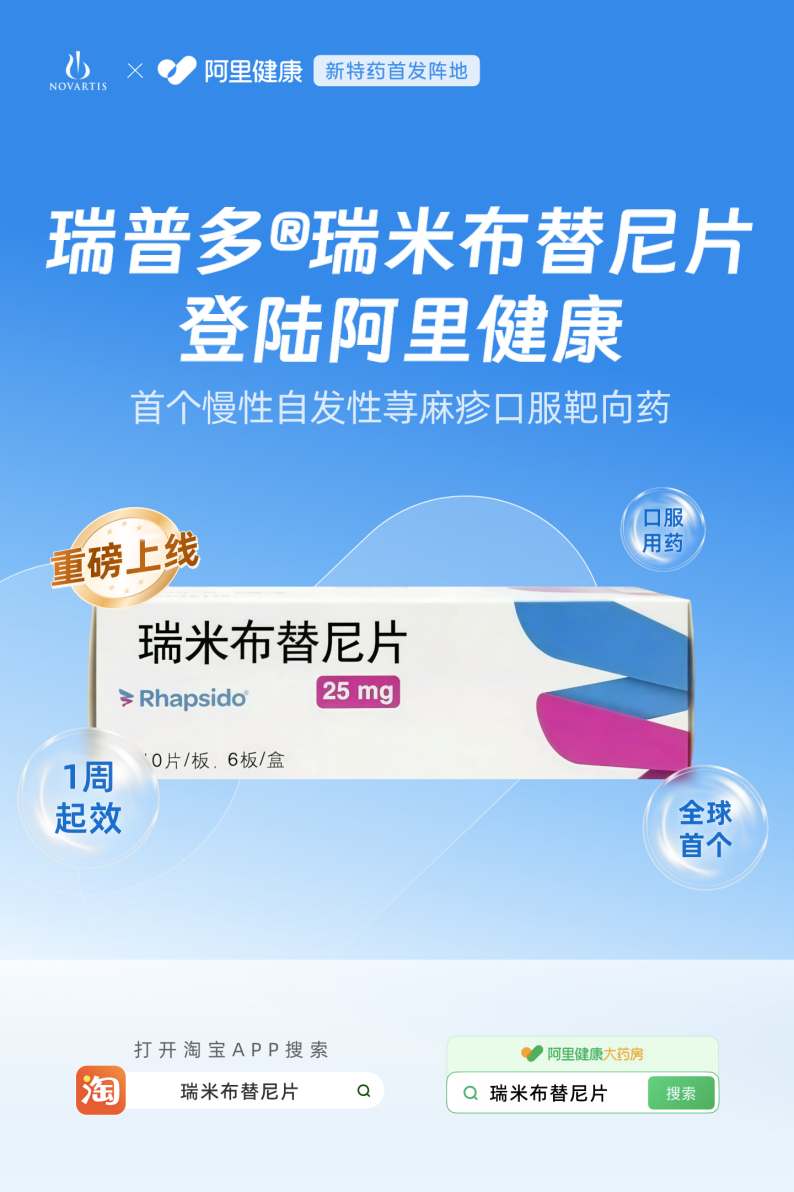
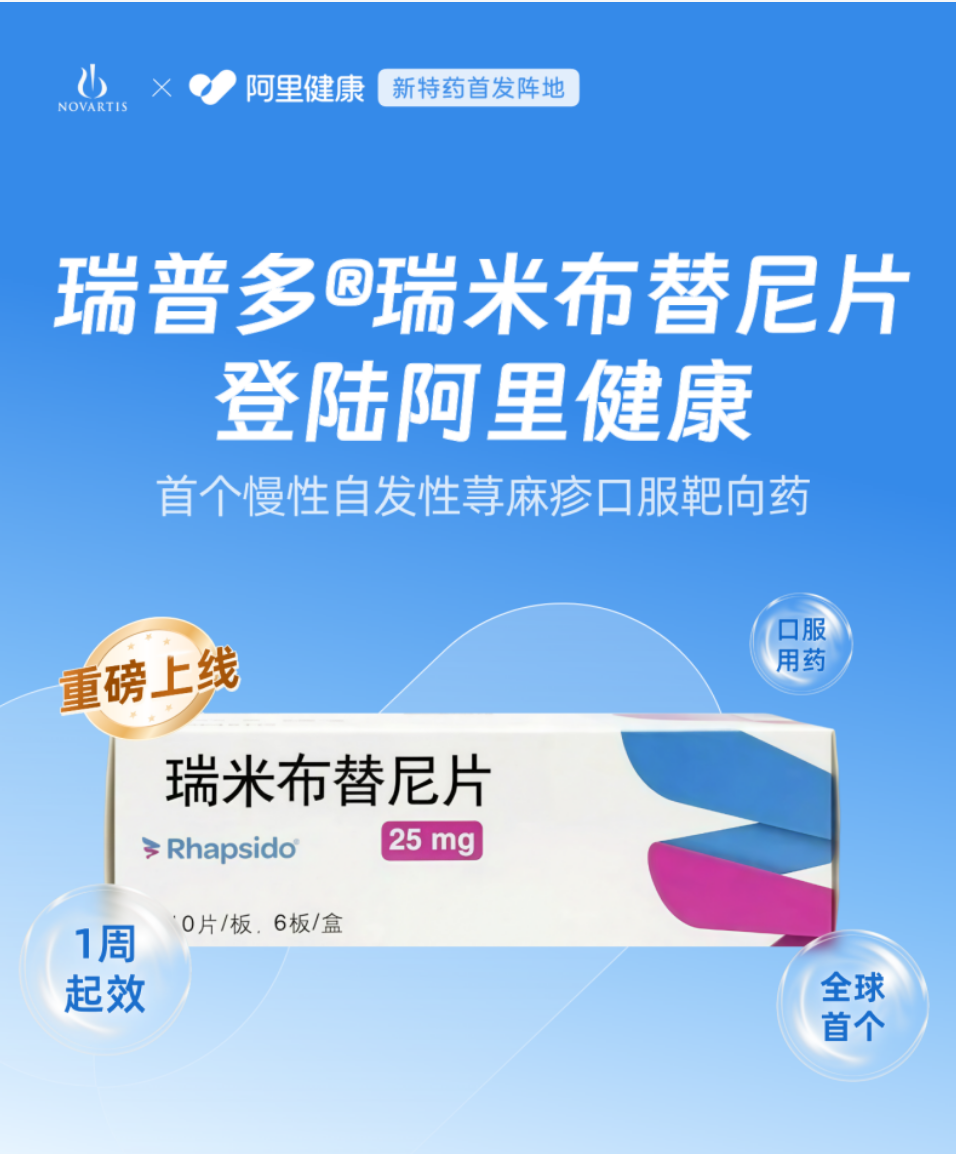
阿里健康与诺华达成数字化慢病合作,共建慢性荨麻疹院外管理新模式
Jiang Nan Shi Bao· 2026-03-26 19:05
Core Viewpoint - Alibaba Health has partnered with Novartis to establish a digital chronic disease management collaboration in the field of Chronic Spontaneous Urticaria (CSU), leveraging Alibaba Health's digital platform to provide integrated services for patients, including disease education, medication guidance, and comprehensive health management [3][6]. Group 1: Partnership Details - The collaboration focuses on Novartis' oral targeted drug, Remibrutinib (brand name: Ruipuduo), which aims to address the clinical challenges faced by CSU patients [3][6]. - The partnership will utilize Alibaba Health's "full-cycle chronic disease management system" to create an "out-of-hospital second clinic" for patients [7]. Group 2: Market Context - CSU affects over 10 million patients in China, characterized by recurrent hives and severe itching, often leading to anxiety and social withdrawal [6]. - Current first-line treatments, such as antihistamines, are ineffective for over 50% of patients, highlighting the need for new therapeutic options like Remibrutinib [6]. Group 3: Treatment Efficacy - Remibrutinib is a highly selective BTK inhibitor that provides a new treatment option by blocking the release of signals that cause itching and hives, offering rapid onset and sustained efficacy [6]. - Clinical trials indicate that patients using Remibrutinib can see significant symptom improvement within one week, with sustained benefits over a 52-week treatment period [6].

国盛医药小核酸药物行业专题:奇点已至:小核酸药物迈向平台多维布局新纪元
GOLDEN SUN SECURITIES· 2026-03-26 06:24
Investment Rating - The report does not explicitly state an investment rating for the small nucleic acid drug industry Core Insights - The small nucleic acid drug market is experiencing strong and sustained growth, projected to increase from $2.7 billion in 2019 to $5.7 billion by 2024, with a compound annual growth rate (CAGR) of 16.2% [4] - By 2029 and 2034, the market is expected to reach $20.6 billion and $54.9 billion, respectively, with a CAGR of 29.4% from 2024 to 2029 and 21.6% from 2029 to 2034 [4] - The report highlights the expansion of small nucleic acid drugs from liver-targeting to brain and fat-targeting applications, with ongoing clinical progress in areas such as lipid reduction, weight loss, and hypertension [5] Summary by Sections Section 1: Restructuring the Modern Pharmaceutical Landscape - Small nucleic acids are chemically synthesized short nucleic acid sequences that regulate gene expression levels, providing a direct method for disease treatment [3][14] - The main types of small nucleic acid drugs include small interfering RNA (siRNA), antisense oligonucleotides (ASO), and aptamers, each functioning through different mechanisms to modulate gene expression and protein levels [3][14] Section 2: Commercialization and Business Development - The global small nucleic acid drug market is projected to grow significantly, with 23 approved small nucleic acid drugs as of March 2026, including 12 ASO drugs and 8 siRNA drugs [41] - The number of transactions and total transaction value in the small nucleic acid field is on the rise, with a transaction value of $32.21 billion and 46 transactions in 2025 [47][50] Section 3: New Indications and Extensions - Small nucleic acid drugs are expanding their therapeutic applications beyond liver targets to include brain and fat targeting, with ongoing clinical trials in various conditions [5][57] - The report lists several companies involved in the development of small nucleic acid drugs, including domestic firms like Frontline Bio and Reborn Bio, as well as international companies like Alnylam and Arrowhead [7][41]




阿里健康和诺华达成合作 加速瑞普多®瑞米布替尼片数字化慢病服务落地
Jin Rong Jie· 2026-03-25 08:55
Core Insights - Alibaba Health and Novartis have announced a digital chronic disease collaboration in the field of Chronic Spontaneous Urticaria (CSU) [1] - The partnership will leverage Novartis' oral targeted drug, Rimegepant (brand name: Rupu Duo®), alongside Alibaba Health's digital platform to provide integrated services for patients, including disease education, medication guidance, and comprehensive health management [1] Group 1: Disease Context - In China, CSU affects over 10 million patients, characterized by recurrent hives and severe itching, often leading to anxiety and social withdrawal [3] - Current first-line treatment with antihistamines fails to effectively control symptoms in over 50% of patients [3] Group 2: Treatment Innovation - Rimegepant is a highly selective BTK inhibitor that blocks the release of signals causing itching and hives, offering a rapid, long-lasting, and convenient treatment option [4] - Clinical studies show that patients using Rimegepant experience significant symptom improvement within one week, with sustained benefits over a 52-week treatment period [4] Group 3: Patient Management Approach - Alibaba Health will utilize its established "full-cycle chronic disease management system" to create an "outpatient second clinic" for patients [4] - This system includes regular follow-ups by health managers, personalized dietary advice, online consultations for side effects, and community-based doctor-led discussions to enhance patient engagement and treatment adherence [4]
政策红利持续释放,跨国药企密集加码在华布局
第一财经· 2026-03-24 03:30
Core Viewpoint - The article emphasizes the strategic importance of the biopharmaceutical industry in China's "14th Five-Year Plan," highlighting opportunities for multinational pharmaceutical companies to engage in the "Healthy China" initiative and the need for a supportive innovation ecosystem [3][5]. Group 1: Policy and Market Environment - The "14th Five-Year Plan" outlines a health-first development strategy, positioning biopharmaceuticals as a new pillar industry, which presents significant opportunities for both domestic and foreign enterprises [3][5]. - The Chinese government has committed to building a "Healthy China" by 2035, with a focus on optimizing the business environment and expanding market access for foreign investments, particularly in healthcare [5][6]. - The removal of foreign investment restrictions in the manufacturing sector is expected to enhance the operational landscape for foreign pharmaceutical companies in China [5][6]. Group 2: Multinational Pharmaceutical Companies' Responses - Executives from multinational pharmaceutical companies expressed intentions to expand their operations in China, particularly in advanced fields like cell therapy, and to increase local production capabilities [3][7]. - Novartis plans to invest over 3.3 billion yuan in China, focusing on expanding its R&D and production facilities in Beijing and Shanghai [7][8]. - AstraZeneca announced the establishment of a production base for radiolabeled drugs in Guangzhou and plans to enhance collaboration with local partners in advanced biopharmaceuticals [7][8]. Group 3: Innovation Ecosystem and Collaboration - There is a collective call from multinational companies for a more robust innovation ecosystem that aligns with clinical needs, emphasizing the importance of integrating various stakeholders, including patients, healthcare institutions, and regulatory bodies [3][10]. - The need for a supportive intellectual property protection system and a clinical trial data protection framework that aligns with international standards is highlighted as essential for fostering innovation [10][12]. - Companies stress the importance of a value-based evaluation system for new drugs and technologies, advocating for better integration of health technology assessments (HTA) to measure effectiveness and cost-efficiency [12][13].


Novartis Promises Growth Despite 'Historic' Patent Cliffs - I Broadly Agree (NYSE:NVS)
Seeking Alpha· 2026-03-23 20:41
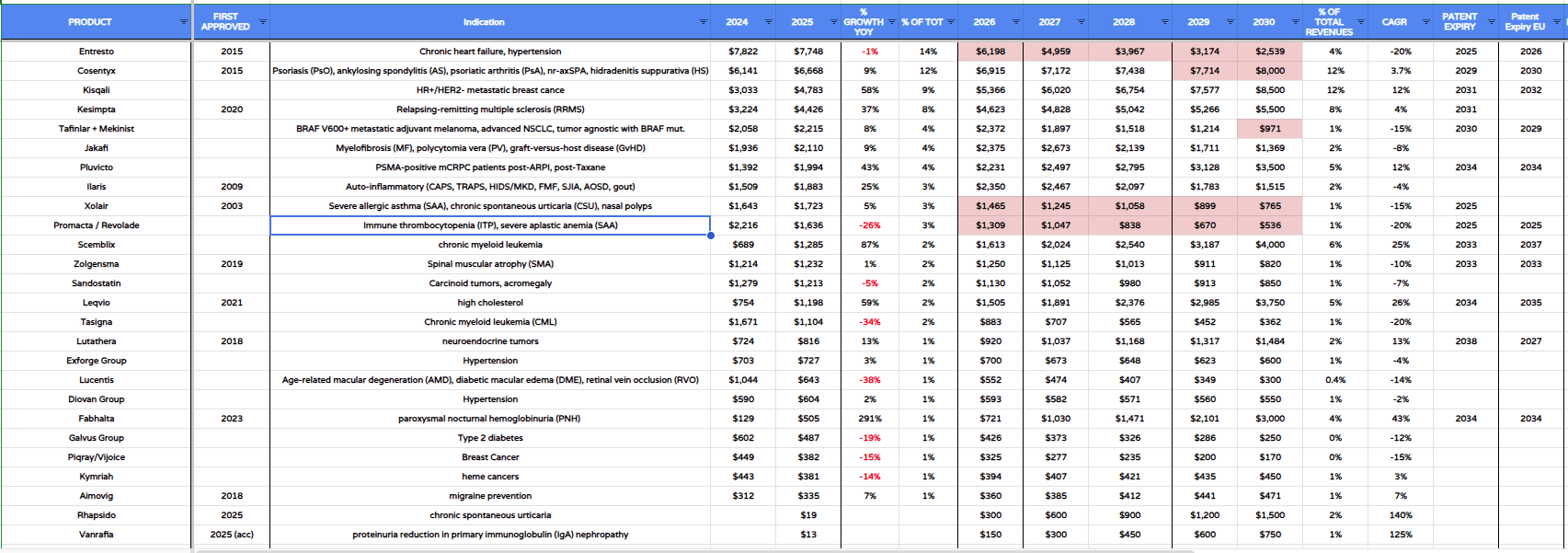
Core Insights - Novartis has announced the acquisition of Pikavation Therapeutics for $2 billion upfront, potentially rising to $3 billion with milestone payments, to enhance its pipeline in oncology [1] - The acquisition focuses on SNV4818, a pan-mutant-selective PI3Kα inhibitor aimed at treating HR+/HER2- breast cancer and other solid tumors, indicating a strategic move towards precision medicine [1][3] - Despite the potential of SNV4818, Novartis' stock has declined nearly 10% following the announcement, reflecting market skepticism [4] Company Strategy - The acquisition aligns with Novartis' strategy to strengthen its oncology portfolio, particularly in targeting PI3Kα, a well-established driver in HR+/HER2- breast cancer [2] - SNV4818 employs new mutant-selective chemistry to improve tolerability and efficacy, positioning it as a next-generation treatment option [3] Market Context - Novartis currently markets Piqray, a PI3Kα-targeting drug that generated $382 million in revenue last year, although it saw a decline of approximately 15% year-on-year [5] - The competitive landscape includes Eli Lilly's STX-478, which highlights the increasing interest and investment in PI3Kα inhibitors within the pharmaceutical industry [1][5]
跨国药企集体加仓中国
21世纪经济报道· 2026-03-23 10:13
Core Viewpoint - Multinational pharmaceutical companies are significantly increasing their investments in China, shifting their strategy from merely selling drugs to innovating and producing in China, reflecting confidence in the Chinese market and its role in global supply chains [1][9][16]. Investment Trends - AstraZeneca plans to invest over 100 billion RMB (approximately 15 billion USD) in China by 2030, focusing on drug production and R&D [1]. - Novartis announced an investment of over 3.3 billion RMB in China, aiming to expand its R&D and production capabilities [6]. - Eli Lilly has committed to a total investment of 3 billion USD over the next decade [1]. Strategic Focus - The investment focus of multinational companies is on high-barrier, high-growth areas such as cell and gene therapy (CGT), radioligand therapy (RLT), GLP-1 weight loss/metabolism, and RSV vaccines [2]. - Companies are establishing local production capabilities to enhance their ability to innovate and deliver new therapies [5]. Local Collaboration - AstraZeneca is collaborating with Tsinghua University to establish a joint research center for AI drug development, indicating a deeper integration into the local innovation ecosystem [13]. - Novartis is expanding its clinical research scale in China and exploring partnerships with local innovative companies, with potential investments exceeding 80 billion RMB [7]. Regulatory Environment - The Chinese government is enhancing its regulatory framework, which is crucial for the high-quality development of the biopharmaceutical industry [9][10]. - Recent reforms in drug approval processes and dynamic adjustments in the medical insurance catalog are creating a more predictable policy environment for multinational companies [9]. Health Strategy - GSK's report emphasizes the need for a modernized prevention system and a shift in health investment from cost control to strategic investment in public health [15][16]. - The focus is on proactive health management and the integration of innovative treatments into the healthcare system to improve overall health outcomes [15]. Conclusion - The evolving role of multinational pharmaceutical companies in China signifies a strategic shift towards innovation and collaboration, positioning China as a key player in the global biopharmaceutical landscape [16].


Novartis presents new data on early symptom relief and long-term control in complex skin diseases at AAD 2026
Globenewswire· 2026-03-23 06:15
Core Insights - Novartis will present over 20 abstracts from its immunology portfolio at the American Academy of Dermatology (AAD) Annual Meeting, showcasing advancements in treatments for chronic spontaneous urticaria (CSU) and hidradenitis suppurativa (HS) [1][2][3] Immunology Portfolio Highlights - New data on Rhapsido (remibrutinib) will be presented, focusing on early symptom improvement in CSU patients, with significant changes in daily itch and hives severity scores observed as early as week 1 [2][4] - Long-term efficacy data for Cosentyx (secukinumab) will be shared, reinforcing its continuous use in HS and psoriasis, including a matched adjusted indirect comparison of its safety and flare prevention against bimekizumab [4][5] Key Abstracts - Notable abstracts include: - "Early symptom improvement with remibrutinib in chronic spontaneous urticaria" (Abstract 71668) [3] - "Flare prevention and safety of secukinumab vs bimekizumab in hidradenitis suppurativa" (Abstract 76852) [5] - "Effectiveness of Secukinumab in Preventing Psoriatic Arthritis in Patients with Moderate to Severe Psoriasis" (Abstract 73859) [5] Commitment to Innovation - Novartis emphasizes its dedication to advancing science in immunology, aiming to provide relief for patients with autoimmune diseases through a robust pipeline and innovative treatments [6]
医药行业深度报告:多发性硬化症全球累及患者群体庞大,BTK抑制剂有望成为新型治疗方案
Ping An Securities· 2026-03-23 05:51
Investment Rating - The industry investment rating is "Outperform the Market," indicating an expected performance exceeding the market by more than 5% within the next six months [54]. Core Insights - The global population affected by multiple sclerosis (MS) is substantial, with over 2 million patients worldwide, particularly prevalent in Europe and the United States. The disease primarily affects individuals aged 20-40, with a significant economic burden, as the costs in the U.S. alone exceed $24 billion [3][6]. - Current therapies for MS include CD20 monoclonal antibodies, which dominate the market. Notably, Roche's Ocrelizumab is projected to generate approximately $9 billion in sales by 2025, while Novartis's Ofatumumab is expected to reach $4.426 billion [3][17]. - BTK inhibitors are emerging as a promising new treatment option for MS, targeting both adaptive and innate immune mechanisms. Several companies, including Sanofi, Roche, and Novartis, are advancing their BTK inhibitors through clinical trials, with significant results expected in the near future [3][24][30][34]. Summary by Sections 1. Global Patient Population of Multiple Sclerosis - MS is characterized by inflammatory demyelination in the central nervous system, with symptoms including vision loss and motor impairment. The disease typically begins between the ages of 20 and 40, with a global prevalence of approximately 2.99 million patients as of 2022 [6][10]. 2. BTK Inhibitors as a New Treatment Option - BTK inhibitors are significant due to their ability to modulate B cell and myeloid cell activity, making them potential treatments for MS. Several BTK inhibitors are in clinical development, with promising results from trials conducted by companies like Sanofi and Roche [24][30][34]. 3. Investment Recommendations - The report recommends focusing on companies with advanced pipelines in the MS treatment space, particularly those with BTK inhibitors in late-stage clinical trials, such as Novartis's Remibrutinib and Innovent Biologics's Orelabrutinib [50].
