
Petrobras(PBR)

Search documents
Petrobras sells 20 million liters of diesel at auction in southern Brazil, sources say
Reuters· 2026-03-11 20:40
Core Insights - Petrobras, the Brazilian state-run oil firm, sold 20 million liters of diesel at an auction in Rio Grande do Sul, pricing it at up to 1.78 reais ($0.3450) per liter above current local distributor prices [1][1][1] - The increase in diesel prices is attributed to the U.S.-Israeli attacks on Iran, posing a threat to Brazil's agricultural sector, particularly affecting soybean harvesting and corn planting [1][1][1] - Despite the rise in diesel prices, Petrobras has not altered its pricing strategy, although domestic prices have increased due to imports and local refineries aligning with global oil prices [1][1][1] - The auction was initiated in response to reports of a diesel shortage in Rio Grande do Sul, aimed at stabilizing market conditions [1][1][1]


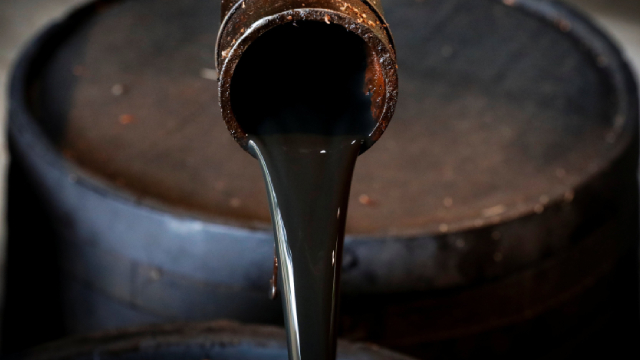
PBR Invests $28.7M in Libra Rocks Project to Boost Mero Field Research
ZACKS· 2026-03-11 14:50
Core Insights - Petrobras (PBR) has announced a strategic investment of $28.7 million in the Libra Rocks project to enhance geological modeling and scientific understanding of the Mero offshore oil field in Brazil's Santos Basin [1][10] - The Mero field is a key asset for Brazil, achieving a production capacity of 770,000 barrels of oil per day (BOPD), making it the third-largest pre-salt field in the country [3][10] - The investment reflects Petrobras' commitment to deepwater exploration and the use of advanced technologies, including artificial intelligence and digital modeling, to address geological challenges [2][13] Investment and Strategic Importance - The Mero field is crucial for Brazil's energy security and global oil supply, with significant reserves and long-term production potential [5] - Petrobras reported an average total production of 2.4 million BOPD in 2025, an 11% increase from the previous year, largely driven by pre-salt developments like Mero [4] Collaborative Scientific Initiative - The Libra Rocks project involves collaboration with leading Brazilian universities, including the University of Brasília and the Federal University of Paraná, engaging over 150 researchers [6][7] - The initiative aims to cultivate future energy scientists by providing more than 90 scholarships for various levels of academic research [7] Geological Challenges and Innovations - The Mero field presents extreme geological conditions, with depths of 5,000 to 6,000 meters below sea level, complicating drilling and production [9] - The project will utilize AI for advanced geological modeling, improving the speed and accuracy of reservoir analysis [13][14] - Digital rock technology will create 3D models of reservoir rock samples, allowing for detailed studies of microstructures and fluid behavior [15][16] Operational Enhancements - The Libra Rocks project aims to reduce uncertainty in production forecasts and improve well placement strategies, potentially leading to increased recovery efficiency [17][18] - Enhanced geological insights will help optimize the location of new wells and anticipate CO2 entry and oil loading within the reservoir [18] Broader Scientific Contributions - The project will contribute to understanding the geological processes that shaped the South Atlantic region, potentially influencing exploration strategies globally [19][21] International Consortium - The Mero field is operated by Petrobras, with significant stakes held by international partners including Shell and TotalEnergies, ensuring a combination of expertise and investment [22][23][25] Future Outlook - The Libra Rocks project positions Petrobras at the forefront of offshore exploration technologies, aiming to unlock deeper insights into Brazil's energy assets [26][27]

Brazil's Petrobras to auction 20 million liters of diesel amid shortage reports, sources say
Reuters· 2026-03-10 21:09
Core Viewpoint - Petrobras plans to auction 20 million liters of diesel in response to reported shortages, indicating a significant impact on Brazil's agricultural sector due to rising diesel prices linked to geopolitical tensions [1] Business - The auction is set to take place in the southern Rio Grande do Sul state, highlighting regional supply challenges [1] - Rising diesel prices are identified as an immediate threat to Brazil's farm sector, particularly affecting producers of the record soybean crop and corn planting [1]

Brazil stocks hover near record highs as commodities, banks drive gains
Invezz· 2026-03-10 15:54
Group 1 - Brazil's benchmark Ibovespa index remains above 181,000 points, reflecting strong investor interest despite global volatility [1][1] - Petrobras shares declined due to falling global oil prices, while Vale posted modest gains, highlighting the impact of commodity-linked companies on the index [1][1] - Major financial institutions like Itaú Unibanco, Banco do Brasil, and Bradesco significantly influence the Ibovespa, indicating the banking sector's dominance in Brazil's capital markets [1][1] Group 2 - Investors are closely monitoring Brazil's fiscal outlook and interest rate expectations, which are crucial for long-term capital flows into Brazilian assets [1][1] - Upcoming US economic data, particularly employment figures, could influence global financial conditions and market expectations for the Federal Reserve's policy trajectory [1][1] - The resilience of the Ibovespa amidst geopolitical tensions and global economic risks underscores the strength of Brazil's equities market [1][1]


Petrobras Q4 Earnings Beat as Output Growth Offsets Oil Drop
ZACKS· 2026-03-10 14:20
Core Insights - Petrobras (PBR) reported fourth-quarter earnings per ADS of 72 cents, exceeding the Zacks Consensus Estimate of 57 cents, and improved from the previous year's profit of 49 cents, driven by upstream production growth and higher downstream earnings [1][9] Financial Performance - Consolidated net income for Petrobras was $4,750 million, up from $3,083 million a year earlier, while adjusted EBITDA rose to $11,107 million from $7,165 million [2] - Revenues increased by 13.4% year-over-year to $23,608 million, surpassing the Zacks Consensus Estimate of $23,062 million [2][9] Dividend and Capital Expenditure - Petrobras announced plans to distribute RMB 8.1 billion in dividends and equity interests [3] - Capital investments and expenditures totaled $6,313 million, compared to $5,731 million in the prior-year quarter [11] Segment Performance Upstream - Average oil and gas production reached 3,109 thousand barrels of oil equivalent per day (MBOE/d), an increase from 2,628 MBOE/d in the same period of 2024, with Brazilian production improving by 18.6% to 3,081 MBOE/d [4] - Upstream revenues improved to $14,329 million from $13,388 million year-over-year, despite a nearly 15% drop in average Brent prices to $63.69 per barrel [5][9] - The upstream segment recorded a net income of $3,099 million, up 48% from $2,094 million in the fourth quarter of 2024 [6] Downstream - Downstream revenues totaled $22,298 million, a 15.6% increase from $19,291 million year-over-year, driven by higher domestic sales volumes [7] - The downstream unit's profit surged to $576 million from $15 million in the fourth quarter of 2024, supported by increased revenues and higher product prices [7][9] Cost and Financial Position - Sales, general, and administrative expenses rose to $1,991 million, a 31% increase from the previous year, while total operating expenses decreased by 25.9% due to a significant reduction in other expenses [8] - Petrobras' net debt increased to $60,593 million from $52,240 million a year ago, with cash and cash equivalents at $6,471 million [12]

Petrobras Limits Diesel Sales as Brazil Prices Lag Global Market
ZACKS· 2026-03-10 13:10
Core Insights - Petrobras has refused additional diesel volume requests from fuel distributors due to a widening price gap between domestic and global markets [1] - Diesel sold by Petrobras is currently about 85% cheaper than imported cargoes, influenced by geopolitical tensions affecting global fuel prices [2] - The pricing gap is impacting Brazil's agricultural sector, particularly during critical harvest and planting seasons [3] Domestic Pricing Dynamics - The pricing imbalance has disrupted normal fuel trading patterns in Brazil, discouraging imports and pressuring private refiners [2] - Petrobras will not immediately pass short-term global price volatility to domestic consumers while assessing broader oil price trends [2] Supply Chain Implications - Petrobras controls approximately 55% of Brazil's diesel production, significantly influencing domestic pricing and supply dynamics [4] - The steep discount on Petrobras fuel has diverted buyers from imported cargoes, altering fuel flows and potentially straining logistics networks [4] Regional Supply Concerns - Farmers in Rio Grande do Sul are facing difficulties securing diesel supplies during peak harvest periods, although sufficient fuel stocks are reported [5] - The national oil regulator is investigating complaints from rural producers, with market participants suggesting that pricing uncertainty is a key issue [5] Market Outlook - The standoff between Petrobras, distributors, and fuel buyers highlights the challenges of managing domestic fuel prices amid global volatility [6] - The growing gap between domestic and international diesel prices risks distorting supply flows, with rising supply concerns as farmers harvest soybeans and prepare for corn planting [6][7]

Petrobras rejects extra diesel orders as prices in Brazil lag global market
Reuters· 2026-03-09 22:37
Core Viewpoint - Petrobras is rejecting additional diesel orders from fuel distributors as domestic prices fall significantly below global levels, impacting the agricultural sector during harvest season [1] Company Summary - Petrobras is currently selling diesel at a price that is 85% cheaper than imports, which is causing a significant imbalance in the market [1] - The company is only supplying the contractually obligated amount of diesel to distributors and is not allowing extra orders to prevent distributors from profiting from future price increases [1] - CEO Magda Chambriard stated that Petrobras does not pass short-term global price volatility onto consumers and is evaluating the new oil price levels before making any adjustments [1] Industry Summary - The steep discount on Petrobras diesel is diverting buyers from imported cargoes and private refiners, leading to logistical strains and supply imbalances [1] - In Rio Grande do Sul, farmers are experiencing difficulties in sourcing diesel, despite the oil regulator ANP stating that there are sufficient stocks for regular supply [1] - The issue is attributed to buyers wanting to purchase at current Petrobras prices while sellers are asking for higher prices to hedge against potential future increases [1]
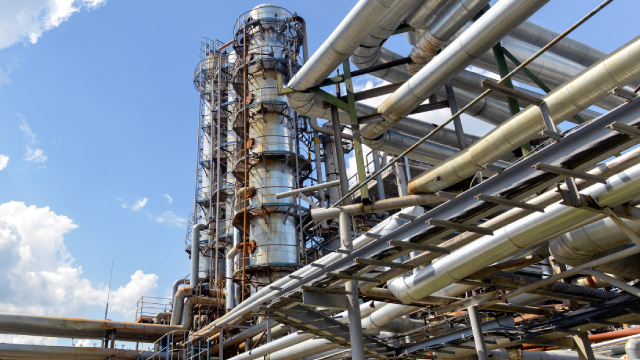
Petrobras Speeds Up Buzios Output With Faster Platform Ramp-Up
ZACKS· 2026-03-09 17:20
Core Insights - Petrobras is accelerating production increases from its offshore platforms in the Búzios field to strengthen output growth while maintaining efficient field management [1][2] Production Acceleration - The company is prioritizing faster ramp-up operations at the P-78 platform, which is already producing, and the P-79 platform, which is nearing final commissioning [3] - A key milestone was achieved at P-78 with the first gas injection completed just 61 days after first oil production, setting a new operational record compared to the previous 79 days for the P-66 platform [4][9] Strategic Importance of Gas Injection - Gas injection is crucial for sustaining output levels in offshore reservoirs, as it maintains reservoir pressure and enhances oil recovery rates [5] - By completing gas injection earlier than usual, Petrobras is positioning the platform to reach production targets more quickly, potentially shortening the time to peak production [5] Future Production Capacity - While ramping up existing platforms, Petrobras does not expect the next two platforms, P-80 and P-81, to begin production earlier than scheduled, with operations set for early 2027 [6] - Each new platform is designed with a production capacity of approximately 180,000 barrels of oil per day, underscoring the scale of investment in the Búzios field [7] Reservoir Management - Petrobras has successfully reduced the annual decline rate in its major oil fields from 12% to about 4% starting in 2024, enabling the company to expand production [8][10] - This improvement allows new platforms to contribute to meaningful production growth rather than merely offsetting natural declines, reflected in record production levels last year [10] Overall Production Outlook - The accelerated ramp-up of existing platforms and the addition of new units are expected to lead to a substantial rise in production from the Búzios field [11] - Two major platforms entering operation this year will enhance Brazil's production capacity, while two more scheduled for early 2027 are expected to consolidate this higher production level [12]

CADE approves IG4’s acquisition of controlling stake in Braskem
Yahoo Finance· 2026-03-09 12:13
Core Viewpoint - Brazil's anti-trust regulator CADE has approved IG4 Capital's acquisition of a controlling interest in Braskem from Novonor, marking a significant shift in ownership within the petrochemical sector [1][2]. Group 1: Acquisition Details - The deal is valued at approximately 20 billion reais, involving credit secured by Braskem shares held by major Brazilian banks [2]. - IG4 Capital will share control of Braskem with Petrobras, which is the second-largest shareholder, while Novonor will retain a minor 4% stake in the company [3]. - The acquisition will involve a debt-to-equity swap, allowing IG4 to gain control without a direct share purchase [3]. Group 2: Regulatory Approval Process - CADE's approval is set to become official unless an appeal is filed within 15 days by any third party or CADE's administrative tribunal [2]. - The ruling also permits the acquisition of Novonor-linked credit rights by Shine I FIDC, which is backed by Braskem shares and is part of Novonor's asset restructuring plan [4]. - CADE conducted a thorough review starting in February due to concerns about the implications of integrating an investment fund into Braskem's capital structure [5]. Group 3: Novonor's Financial Strategy - Novonor is undergoing judicial recovery and aims to divest most of its holdings in Braskem while keeping a small stake as part of its recovery strategy [6].

Petrobras (PBR) Reports 2025 Results Amid 14% Brent Drop as Output Hits 1M BPD Milestones
Yahoo Finance· 2026-03-08 16:01
Core Insights - Petrobras (NYSE:PBR) reported financial results for 2025, achieving a net income of $19.6 billion and an adjusted EBITDA of $42.5 billion despite a 14% year-over-year decline in Brent crude prices to $69 per barrel [1][2] - The company increased total oil production by 11%, reaching 1 million barrels per day at both the Búzios and Tupi/Iracema fields, which contributed to its strong financial performance [1][2] - Petrobras incorporated 1.7 billion barrels of oil into its proven reserves, achieving its highest reserve replacement level in a decade, ensuring sustained production capacity for the future [3] Financial Performance - Net income for 2025 was reported at $19.6 billion, with an adjusted EBITDA of $42.5 billion, highlighting strong cash flow management [2] - The company's downstream and logistics sectors achieved peak performance, with refineries operating at a 92% utilization rate [2] - High-value products such as diesel, gasoline, and aviation fuel constituted approximately 74% of total sales, indicating a strong product mix [2] Operational Highlights - Total oil production increased by 11%, reaching significant milestones in production capacity [1] - The company invested over $20 billion in 2025, marking a 22% increase year-over-year, with a focus on exploration and production [3] - The expansion into renewable energy included initiatives for sustainable aviation fuel and green diesel [2] Strategic Outlook - Management reaffirmed a commitment to capital discipline, production growth, and operational excellence for 2026 [3] - The incorporation of 1.7 billion barrels into proven reserves strengthens the long-term outlook for production capacity [3]