
Peloton(PTON)

Search documents
Peloton recalls over 800,000 exercise bikes
NBC News· 2025-11-07 12:07
Product Recall - Peloton is recalling approximately 800,000 of its original bike model due to seat breakage incidents [1] - The seat broke and came off during use, leading to injuries [1] - In 2023, Peloton recalled 2 million bikes due to similar issues, resulting in 13 injuries [1] Company Statement - Peloton emphasizes the integrity of its products and the well-being of its members as top priorities [1] Safety Advisory - Officials are advising users to stop using the affected bikes and contact the company for a free replacement [1]



Peloton第一财季扭亏为盈 上调全年调整后EBITDA预期
Ge Long Hui A P P· 2025-11-07 02:06
Core Insights - Peloton reported a 6% year-over-year decline in revenue for Q1 of fiscal year 2026, totaling $551 million, which exceeded market expectations of $540 million [1] - The company achieved a net profit of $13.9 million, a significant improvement from a loss of $0.9 million in the same period last year [1] - Earnings per share were $0.03, surpassing forecasts [1] User Metrics - As of the end of the quarter, Peloton had 2.732 million paid subscribers, a decrease of 164,000 or 6% year-over-year, but 2,000 more than the upper end of guidance [1] Financial Outlook - Peloton raised its full-year adjusted EBITDA guidance to a range of $425 million to $475 million, above the previous expectation of $400 million to $450 million [1]
Peloton Promotes New Equipment Amid Recall of Old Bikes
PYMNTS.com· 2025-11-07 01:48
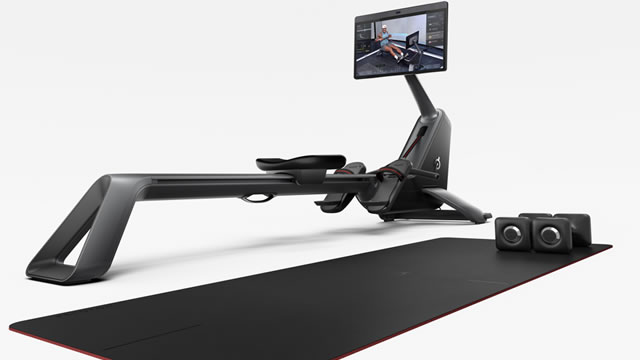
Core Insights - Peloton is facing a recall of certain Original Series Bike+ models due to reports of seat post breakage, affecting 833,000 bikes in the U.S. and 44,800 in Canada [2][3] - The recall is expected to cost the company approximately $16.5 million [4] Product Launch and Strategy - Peloton launched a new product lineup on October 1, which includes the Cross Training Series bike, treadmill, rowing machine, and an AI-assisted feature called Peloton IQ [5] - The new products are designed to help members achieve their wellness goals and include features like a swivel screen for easier exercise transitions and advanced computer vision for real-time suggestions [6] Market Response and Engagement - Since the launch of the new series, Peloton has observed a favorable shift towards premium products, particularly in treadmill and Plus line sales, attributed to excitement around advanced features [7] - Recent additions to Peloton's offerings include the Breathwrk app, micro-stores, a retail partnership with Johnson Fitness & Wellness, and a loyalty program called Club Peloton, which has engaged 500,000 members [8]

Peloton(PTON) - 2026 Q1 - Earnings Call Transcript
2025-11-06 23:00
Financial Data and Key Metrics Changes - Total revenue for Q1 was $551 million, comprising $152 million from connected fitness products and $398 million from subscription revenue, outperforming guidance by $6 million [19] - Paid connected fitness subscriptions decreased by 6% year-over-year to 2.732 million, with average net monthly churn improving to 1.6%, a 20 basis point improvement year-over-year [18][19] - Total gross profit was $284 million, a decrease of 7% year-over-year, with total gross margin at 51.5%, down 30 basis points year-over-year [20][21] - Adjusted EBITDA was $118 million, a 2% improvement year-over-year, and free cash flow increased to $67 million, significantly outperforming prior expectations [24][25] Business Line Data and Key Metrics Changes - Connected fitness products revenue decreased by $7 million, or 5% year-over-year, while subscription revenue decreased by $28 million, or 7% year-over-year [19] - Connected fitness products gross margin was 6.9%, negatively impacted by a $13.5 million inventory accrual, but would have been 15.8% excluding this charge [21][57] - Subscription gross margin increased to 68.6%, an 80 basis point improvement year-over-year [21] Market Data and Key Metrics Changes - The connected fitness market in the U.S. is still declining year-over-year, but the rate of decline has decelerated to low single digits [50] - The overall wellness economy in the U.S. is estimated to exceed $2 trillion, indicating a significant market opportunity beyond connected fitness [52] Company Strategy and Development Direction - The company is focusing on product innovation, wellness expansion, and new distribution channels, including a new retail partnership with Johnson Fitness and Wellness [12][13] - The launch of the Peloton Cross Training Series and Peloton IQ aims to enhance member engagement and outcomes, with a shift towards premium products [9][10] - The company is committed to operational discipline and business excellence, targeting at least $100 million in run rate cost savings by the end of fiscal 2026 [16] Management's Comments on Operating Environment and Future Outlook - Management expressed confidence in achieving positive operating income on a full-year basis in fiscal 2026, despite external challenges [32] - The anticipated financial impact of the recent recall is reflected in the guidance, with expectations for a small drag on subscriptions but overall revenue impact expected to be immaterial [4][40] - The company remains focused on execution and believes it offers an unmatched ecosystem of products and experiences to help members invest in their health and well-being [16] Other Important Information - The company has expanded its retail presence significantly, now having 10 micro stores in the U.S. and a retail presence in 46 states [12] - The acquisition of Breathwork aims to enhance mental fitness offerings, which are now included in all-access subscriptions [10][11] Q&A Session Summary Question: What is the market opportunity for the new commercial business unit? - Management highlighted a large market opportunity with low share and emphasized the strategic combination of Precor's commercial-grade equipment and Peloton's software and community [32][33] Question: Are there any plans in the next five years to provide for dividends? - Management indicated it is early to discuss dividends but emphasized the importance of deleveraging and maximizing capital allocation options in the future [35][36] Question: Can you compare the recent recall to the previous one? - Management explained that the recent recall was based on different models and incidents, with a small anticipated headwind to paid connected fitness net churn due to elevated subscription pauses [38][40] Question: How do you see churn normalizing post-price increase? - Management noted that while there was an initial spike in cancellations, churn has moderated back to normal levels, with expectations for flat churn over the year despite a temporary increase in Q2 [41][44] Question: What is the overall demand environment? - Management acknowledged continued softness in connected fitness equipment demand but remains optimistic about long-term growth potential in the wellness economy [50][52]
Peloton Stock Rallies After Q1 Earnings: Here's Why
Benzinga· 2025-11-06 22:48
Core Insights - Peloton Interactive, Inc. reported first-quarter earnings that exceeded analyst expectations on both revenue and earnings per share [1][2] Financial Performance - Quarterly earnings were three cents per share, surpassing the consensus estimate of one cent [2] - Quarterly revenue reached $550.8 million, exceeding the Street estimate of $539.81 million [2] Operational Highlights - The company emphasized disciplined execution and focus leading up to the launch of new equipment and Peloton IQ, as stated by CEO Peter Stern [3] - Peloton's gross margin was reported at 51.5%, which is a decrease of 30 basis points year-over-year and 50 basis points below guidance, attributed to a $13.5 million accrual for Bike+ seat post inventory costs [5] Subscription Metrics - The total number of paid connected fitness subscriptions was 2.732 million, reflecting a decrease of 164,000 or 6% year-over-year, but still 2,000 above the high end of the guidance range [5] Market Reaction - Following the earnings report, Peloton's stock price increased by 10.86%, reaching $7.44 in extended trading [4]
Peloton(PTON) - 2026 Q1 - Quarterly Report
2025-11-06 22:11
Revenue Performance - Total revenue for the three months ended September 30, 2025, was $550.8 million, a decrease of 6.5% compared to $586.0 million for the same period in 2024[18] - Connected Fitness Products revenue was $152.4 million, down from $159.6 million year-over-year, while Subscription revenue decreased from $426.3 million to $398.4 million[18] - Revenue from North America was $494.4 million, representing 89.7% of total revenue, while international revenue was $56.5 million, accounting for 10.3%[41] - The company recognized $75.6 million in revenue from deferred revenue during the three months ended September 30, 2025, compared to $80.6 million in 2024[44] - As of September 30, 2025, deferred revenue was $86.9 million, down from $91.7 million as of June 30, 2025[43] - For the three months ended September 30, 2025, total revenue was $550.8 million, a decrease of 6.0% from $586.0 million in the same period of 2024[119] Profitability - Gross profit for the quarter was $283.7 million, representing a gross margin of approximately 51.5%, compared to $303.8 million in the prior year[18] - Net income for the quarter was $13.9 million, compared to a net loss of $0.9 million in the prior year, marking a significant turnaround[18] - The company reported a basic earnings per share of $0.03 for the quarter, compared to a loss per share in the same period last year[18] - Adjusted gross profit for Connected Fitness Products was $283.7 million, down from $297.9 million year-over-year, reflecting a decrease of 4.5%[119] - Income before income taxes for the three months ended September 30, 2025, was $14.6 million, compared to a loss before income taxes in the same period of 2024[119] Expenses and Cost Management - Operating expenses totaled $242.4 million, a reduction of 16.7% from $291.2 million in the same quarter last year[18] - Total cash restructuring charges for the three months ended September 30, 2025, were $4.7 million, compared to $2.9 million for the same period in 2024, reflecting a 62.1% increase[53] - Non-cash restructuring charges amounted to $7.0 million for the three months ended September 30, 2025, up from $5.1 million in 2024, representing a 37.3% increase[53] - Sales and marketing expenses for the three months ended September 30, 2025, were $(66.8) million, compared to $(81.9) million in the same period of 2024[119] Cash and Liquidity - Cash and cash equivalents increased to $1,149.6 million as of September 30, 2025, up from $772.1 million a year earlier[20] - Cash and cash equivalents as of September 30, 2025, totaled $1,103.6 million, indicating strong liquidity[232] Assets and Liabilities - Total assets as of September 30, 2025, were $2,170.1 million, an increase from $2,125.3 million at the end of June 2025[17] - Total liabilities decreased slightly to $2,517.2 million from $2,539.1 million in the previous quarter[17] - The accumulated deficit as of September 30, 2025, was $(5,588.7) million, an improvement from $(5,602.6) million at the end of June 2025[17] Debt and Financing - The carrying amount of the 2029 Convertible Senior Notes was $343.9 million as of September 30, 2025, with an effective interest rate of 5.97%[71] - The Company issued $350.0 million of 5.50% Convertible Senior Notes due 2029 in May 2024, with net proceeds of approximately $342.3 million after discounts[61] - The Company entered into a Third Amended and Restated Credit Agreement providing for a $1.0 billion term loan facility due on May 30, 2029[84] - The Term Loan has an effective interest rate of 10.7% as of September 30, 2025, down from an initial rate of 12.4%[93] - Total interest expense related to the Term Loan for the three months ended September 30, 2025, was $26.6 million[95] - The Company has total outstanding borrowings of $987.5 million under the Third Amended and Restated Credit Agreement as of September 30, 2025[90] Tax and Regulatory Matters - The effective tax rate for the three months ended September 30, 2025, was 4.79%, compared to an effective tax rate of (2,576.65)% for the same period in 2024[110] - The Company maintains a valuation allowance on the majority of its deferred tax assets, indicating a likelihood that these assets will not be utilized[111] - The One Big Beautiful Bill Act, signed into law on July 4, 2025, made permanent the immediate expensing of domestic research and experimental expenditures for tax years beginning after December 31, 2024[112] Legal Matters - The Company is involved in multiple ongoing legal actions, including the 2023 Securities Litigation and various derivative actions against its officers and directors[106][107][109] - The court granted defendants' motion to dismiss the second amended complaint in the 2023 Securities Litigation with prejudice on September 30, 2024[108] Inventory Management - Total inventories, net as of September 30, 2025, were $237.7 million, an increase from $205.6 million as of June 30, 2025, indicating a 15.6% rise[58] - The Company recorded inventory reserves of $113.2 million as of September 30, 2025, primarily for excess accessories and apparel inventory[60]
Peloton posts bullish holiday forecast, betting that shoppers will spend big on new product lineup
CNBC· 2025-11-06 21:33
Core Insights - Peloton reported a net income of $13.9 million for the quarter ending September 30, marking its second consecutive profitable quarter, compared to a loss of $900,000 in the same period last year [1] - The company expects revenue for the current quarter to be between $665 million and $685 million, slightly up from the previous year and above Wall Street expectations [2] - Peloton raised its full-year adjusted EBITDA outlook to between $425 million and $475 million, exceeding analyst expectations [3] Financial Performance - Peloton's revenue for the first fiscal quarter was $551 million, down about 6% from $586 million a year earlier, but it beat analyst expectations [5][11] - The latest recall cost the company $13.5 million during the reported quarter, contributing to a 0.3 percentage point decline in gross margin [4][5] Product and Market Strategy - Under new CEO Peter Stern, Peloton has focused on cost cuts and growth, relaunching its product assortment and introducing a commercial equipment line [6] - The revamped product lineup includes features such as an AI-powered tracking camera and hands-free control, aimed at attracting holiday shoppers [7] - Despite the new product launch, it remains uncertain how well they are performing, as the first fiscal quarter ended just before their release [8] Consumer Behavior and Market Conditions - Consumers are being cautious with spending on big-ticket items in an unstable economic environment, which may impact Peloton's sales [9] - Investors are keen to learn about the performance of new products and the financial impact of the latest recall during the upcoming conference call [9]

Peloton Stock Falls After 800,000 Bikes Recalled Over Seat Issue
Forbes· 2025-11-06 21:20
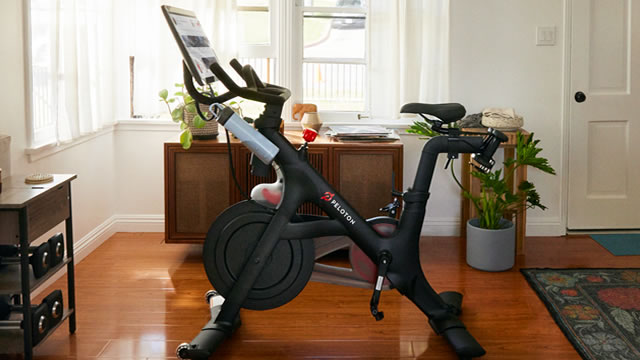
Core Viewpoint - Peloton's stock price fell by 6% following the announcement of a voluntary recall of approximately 833,000 exercise bikes due to a potential safety issue with the seat post that could lead to injuries or falls [1][2]. Product Recall Details - The recall affects the Peloton Original Series Bike+ model PL02, sold between December 2019 and July 2022, with impacted bikes having serial numbers starting with "T" [1]. - The Consumer Product Safety Commission indicated that the seat post issue poses "fall and injury hazards" [1]. Injury Reports - Peloton has received three reports of seat breakages, resulting in two reported injuries [2]. - The recall also includes about 44,800 bikes sold in Canada, although no breakage reports have been received from that market [2]. Company Background - Peloton went public in 2019 and experienced rapid growth during the COVID-19 pandemic, with revenues increasing from $915 million in 2019 to $1.82 billion in 2020, and reaching $4.02 billion in 2021 [3]. - However, revenue declined to $2.7 billion in 2024, and the stock price has significantly decreased from its peak of $162 per share in December 2020, with a 24% decline year-to-date as of Thursday [3]. Previous Recalls - This is the second significant recall for Peloton due to a similar seat post issue, with over 2.2 million bikes recalled in 2023 for related hazards [4]. - Prior to the 2023 recall, there were 35 reported instances of seat breakages, including 13 injuries such as fractured wrists and lacerations [4].
Peloton’s (NASDAQ:PTON) Q3 Sales Top Estimates, Stock Soars
Yahoo Finance· 2025-11-06 21:10
Core Insights - Peloton reported Q3 CY2025 revenue of $550.8 million, a 6% year-on-year decline, but exceeded analyst estimates by 2.1% [1][7] - The company provided optimistic guidance for the next quarter, projecting revenue of $675 million at the midpoint, which is 2.2% above analyst expectations [1] - Peloton's GAAP profit was $0.03 per share, surpassing analysts' consensus estimates by $0.03 [1][7] Company Overview - Peloton, initially a Kickstarter campaign, is a fitness technology company recognized for its at-home exercise equipment and interactive online workout classes [4] Revenue Performance - Over the trailing 12 months, Peloton's sales totaled $2.46 billion, indicating stagnation compared to five years ago, reflecting poor business quality [5] - The company has faced challenges in consistently increasing demand, with a 6% annual revenue decline over the last two years [6] Financial Metrics - Adjusted EBITDA for the quarter was $118.3 million, with a margin of 21.5%, exceeding analyst estimates [7] - Operating margin improved to 7.5%, up from 2.1% in the same quarter last year, while free cash flow margin rose to 12.2%, up from 1.8% [7] - The company reaffirmed its full-year revenue guidance of $2.45 billion and EBITDA guidance of $450 million, both above analyst estimates [7] Subscriber Dynamics - Connected fitness subscribers reached 2.73 million, down 168,000 year-on-year, indicating a decline in monetization despite a higher subscriber count compared to revenue growth [8]
Peloton(PTON) - 2026 Q1 - Quarterly Results
2025-11-06 21:01
Peloton Announces Q1 2026 Financial Results, Raises Full Year 2026 Adjusted EBITDA Guidance Cash Provided by Operating Activities was $72 million; Free Cash Flow* was $67 million, an increase of $57 million year-over-year NEW YORK, NY – November 6, 2025 – Peloton Interactive, Inc. today reported financial results for the quarter ended September 30, 2025. Q1 FY2026 Financial Highlights "In this quarter leading up to the launch of our new equipment lineup and Peloton IQ, our team once again demonstrated the p ...