
Volvo

Search documents
Heavy-Duty Autonomous Vehicles Market Report 2025-2034 | Autonomous Vehicles Revolutionizing Transportation with AI and Real-time Data; ICE Segment Forecast to Generate $100 Billion in Revenue by 2034
GlobeNewswire News Room· 2025-04-18 10:18
Market Overview - The Global Heavy-duty Autonomous Vehicle Market reached USD 43.8 billion in 2024 and is projected to expand at a CAGR of 14.3% from 2025 to 2034, driven by rising demand for enhanced safety features and self-driving technology adoption [2][4]. Technological Advancements - Autonomous heavy-duty vehicles utilize advanced sensors, artificial intelligence, and real-time data analysis to navigate efficiently, significantly reducing accident risks and enhancing road safety [3][4]. - The integration of AI-driven decision-making and real-time connectivity is making autonomous trucks and buses essential in logistics, mining, construction, and public transportation [4]. Market Segmentation - The market is segmented by propulsion types, with internal combustion engine (ICE) vehicles holding a 60% market share in 2024, expected to generate USD 100 billion by 2034 [5]. - By vehicle type, trucks dominated the market with a 68.8% share in 2024, primarily due to their extensive use in logistics, mining, and manufacturing [6]. Regional Insights - North America generated USD 14.6 billion in the heavy-duty autonomous vehicle market in 2024, with government initiatives shaping regulatory frameworks to support testing and deployment [7]. Industry Drivers - The emphasis on sustainability and operational efficiency is accelerating the adoption of heavy-duty autonomous vehicles, addressing labor shortages and optimizing fleet management [4]. - Rapid developments in 5G connectivity, cloud-based monitoring, and machine learning algorithms are propelling the industry forward [4].



2024年市场收缩下,TomTom 继续领跑欧洲导航软件市场
Counterpoint Research· 2025-04-17 03:08
根据 Counterpoint 最新《欧洲车载导航系统追踪报告》 ,TomTom 2024年以14%的市场份额保持欧洲车 载导航软件市场领导者地位,Joynext 与Elektrobit 分别以13%和12%的份额位居二、三位。 欧洲车载导航系统供应商销售份额对比,2024 vs 2023 数据来源:Counterpoint Research 《2024欧洲车载导航系统追踪报告》 Google 市场份额显著提升至6%,同比增长34%,这得益于Renault, Volvo, Cadillac 和Polestar 等主流汽车 品牌搭载谷歌汽车服务(GAS)的车型数量增加。 分析师观点 针对市场动态,Counterpoint 高级分析师Mohit Sharma指出 :"虽然电动汽车销售放缓给欧洲导航软件 市场带来挑战,但搭载车载导航功能的车型数量仍在增加,这项配置正逐步渗透至经济型和小型车领 域。" 市场展望: 尽管TomTom 成功卫冕冠军,但欧洲车载导航市场2024年规模较2023年出现下滑,主要归因于欧洲电动 汽车销量下跌——电气化是车载导航普及的关键驱动因素。 由于电动汽车销量下滑,2024年欧洲车载导航软 ...
Tesla Loses Steam In Q1 While US EV Sales Climb: The Winners And Losers
Benzinga· 2025-04-14 20:36
Core Insights - Tesla's market share in the U.S. electric vehicle sector has declined, with a reported 8.6% decrease in overall U.S. sales year over year [4][6] - The U.S. electric vehicle market saw a total of 296,227 units sold in the first quarter, representing an 11.4% increase year over year [2] - Tesla remains the leader in the U.S. EV market, but faces increasing competition from brands like Ford and General Motors [4][6] Sales Performance - Tesla sold 128,100 units in the first quarter, while Ford and Chevrolet sold 22,500 and 19,186 units respectively [4] - General Motors' Chevrolet brand experienced a significant sales increase of 114.2% year over year [5] - Porsche led the growth among brands with a 249% increase, followed by Toyota at 196% [5] Market Trends - The overall U.S. EV market sold 1.3 million new vehicles in 2024, marking a 7.3% increase year over year [3] - Tesla's U.S. auto market share has dropped to approximately 3%, down from 5% in 2023 [7] - Cox Automotive predicts volatility in U.S. electric vehicle sales for the remainder of 2025 due to potential changes in automotive tariffs and the expiration of EV credits [7] Top-Selling Models - The top-selling EV models in the U.S. for the first quarter included the Tesla Model Y (64,051 units) and Model 3 (52,520 units) [5][6] - The Ford F-150 Lightning outperformed the Tesla Cybertruck in sales during the quarter [6]

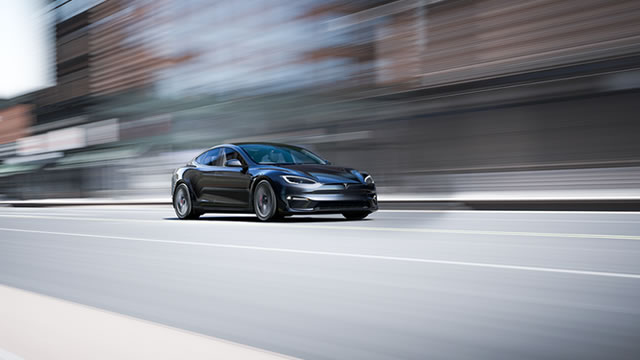
2025年全球自动驾驶行业洞察报告
亚瑟·D·利特尔咨询公司· 2025-04-08 01:50
Investment Rating - The report does not explicitly provide an investment rating for the autonomous mobility industry Core Insights - The autonomous mobility sector is experiencing a paradigm shift with increasing integration of autonomous vehicles (AVs) into daily life, driven by advancements in technology and changing consumer preferences [8][10] - Despite a challenging venture-funding environment, real-world testing and deployment of AVs are expanding globally, particularly in the US and China, with notable developments in the Gulf Cooperation Council (GCC) region [13][14][16] - The successful commercialization of AVs requires an ecosystem approach, emphasizing collaboration among public and private sectors, technology providers, and transport agents [17][24] Industry Dynamics - The autonomous driving sector is pursuing commercialization despite a sluggish venture-funding environment, with trends including the exploration of robobuses and robotaxis as part of mobility-as-a-service (MaaS) offerings [13][14] - AV companies are scaling up testing and commercial pilot efforts globally, with significant activity in the US and China, while the GCC is emerging as a hotspot for AV pilots [14][16] - Financial struggles persist in the AV industry, with a shift in investor focus towards targeted applications like trucking and last-mile delivery, as companies seek profitability through specific use cases [18][20] Use Case of the Semester - Autonomous buses, or robobuses, are being integrated into urban transportation systems, offering efficiency and safety improvements while addressing driver shortages [44][45] - Successful integration of robobuses faces challenges such as safety, connectivity, and consumer acceptance, necessitating a thorough piloting process [46][48] - The deployment of robobuses requires careful planning and execution, including regulatory approvals, infrastructure modifications, and operational testing [52][55] City of the Semester: Beijing - Beijing is recognized for its rapid advancement in AV deployment, with over 300 autonomous delivery vehicles fulfilling over 4 million orders by January 2024 [70][71] - The city has established a supportive regulatory environment, advanced testing infrastructure, and public awareness initiatives to facilitate AV integration [71][89] - Beijing's digital infrastructure, including high-speed 5G networks and smart traffic management systems, supports the growth of autonomous mobility [87][90] Interview of the Semester - The interview with Dr. Tony Han, CEO of WeRide, highlights the industry's transition from testing to commercialization, emphasizing technological advancements and regulatory developments [91][92]

Trump's 25% auto tariffs are in effect. What investors need to know
CNBC· 2025-04-03 11:54
Core Viewpoint - The implementation of President Trump's 25% tariffs on imported vehicles is expected to significantly impact the automotive industry and investor sentiment, with potential long-term effects on earnings and market dynamics [1][2][3]. Industry Impact - The tariffs apply to vehicles not assembled in the U.S., affecting 46% of the approximately 16 million vehicles sold domestically in the previous year [2]. - Analysts express concerns that prolonged tariffs could lead to a recession in the automotive sector, with significant negative implications for company earnings [2][3]. - The tariffs are anticipated to increase vehicle prices, with estimates suggesting new vehicle prices could rise by as much as $10,000 if costs are fully passed on to consumers [20]. Company-Specific Effects - Automakers such as Volvo, Mazda, Volkswagen, and Hyundai are identified as most at risk, with over 60% of their U.S. sales being imported [11]. - General Motors (GM) is projected to face the highest exposure to tariffs, with estimates indicating a potential 79% drop in earnings before interest and taxes (EBIT) and an 81% decline in earnings per share (EPS) [13]. - Ford is expected to see a 16.5% hit to EBIT and a 23% decline in EPS due to the tariffs [14]. - Tesla, Rivian Automotive, and Lucid Group are positioned more favorably as their vehicles are assembled in the U.S., insulating them from the tariffs [15][16]. Market Dynamics - U.S. auto sales in the first quarter exceeded expectations as consumers rushed to purchase vehicles before the tariffs took effect [17]. - S&P Global Mobility forecasts that U.S. light-vehicle sales could decline to between 14.5 million and 15 million units annually if tariffs remain in place, down from approximately 16 million in 2024 [18]. - Entry-level vehicles, which typically have lower profit margins, are particularly vulnerable to price increases due to the tariffs [18][19]. Supply Chain Considerations - The concept of a fully U.S.-sourced vehicle is deemed unrealistic, as even domestically assembled vehicles rely on a global supply chain for parts [7][8]. - Automakers are awaiting clarity on potential tariffs for auto parts, which could further complicate their supply chain and financial outlook [6][10].

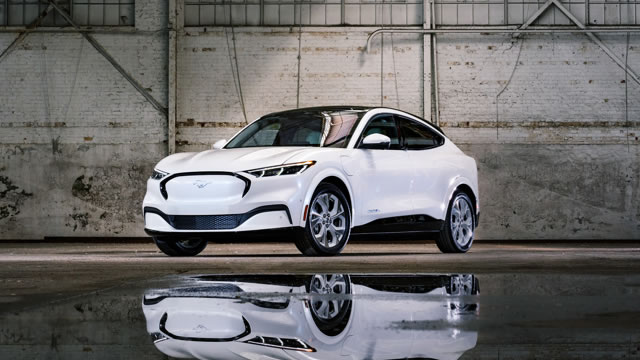
CAT's Off-Highway Trucks to Use LiDAR Tech in Quarry & Aggregate Sites
ZACKS· 2025-03-31 14:36
Core Insights - Caterpillar Inc. has partnered with Luminar Technologies to integrate LiDAR technology into its autonomous solutions, marking a significant advancement in industrial automation [1][4] - Luminar's LiDAR technology is recognized for its high performance and is being adapted for use in heavy industrial equipment, expanding its application beyond the automotive sector [3][5] Group 1: Partnership and Technology Integration - The collaboration will enhance Caterpillar's autonomous trucks by improving obstacle detection and navigation capabilities [1][7] - Luminar's LiDAR technology is the first of its kind to be standard in a global production vehicle, showcasing its reliability and effectiveness [3] - The technology will initially be implemented in Caterpillar's Cat Command for hauling, specifically targeting quarry and aggregate operations [4] Group 2: Industry Leadership and Market Expansion - Caterpillar has over 30 years of experience in autonomy and automation, with its autonomous trucks having covered over 334 million kilometers and moved more than 9.3 billion tons of material [6] - The integration of Luminar's technology is expected to enhance Caterpillar's competitive edge and support customers in achieving safer and more sustainable operations [7][8] - BHP Group is actively collaborating with Caterpillar to trial innovative energy solutions and battery-electric trucks, indicating a shift towards sustainable practices in mining [9][10]


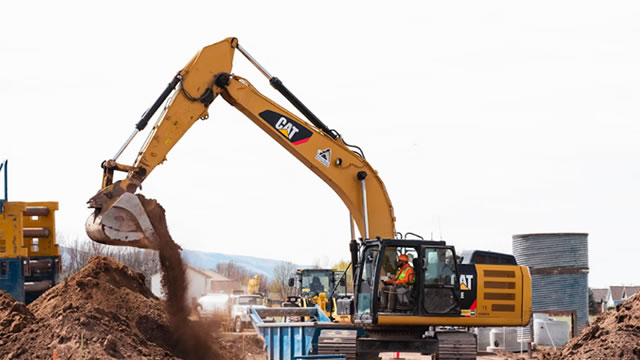
EV Stocks Soared This Week, but Tesla Lags Competitors
The Motley Fool· 2025-03-21 20:28
Core Viewpoint - The electric vehicle (EV) market is experiencing a positive shift, with significant stock price increases for several companies, while Tesla's stock remains flat due to anticipated sales declines in early 2025 [1][2]. Group 1: Company Performance - Luminar Technologies reported a 45% sequential revenue increase to $22.5 million in Q4 2024, with cash reserves of $232.7 million. Revenue is projected to grow by 10% to 20% in 2025, driven by a tripling of LiDAR shipments, although the company expects to incur losses of $5 million to $10 million [3][4]. - Lucid Group is actively trying to capture market share from Tesla by offering a $4,000 discount for customers trading in Tesla vehicles, despite its ongoing financial losses [5]. - EVgo's stock has benefited from the rise in growth stocks, although the company reported a loss of $127 million from continuing operations in 2024 on $256.8 million in revenue, raising questions about its market differentiation and demand sustainability [6][7]. Group 2: Market Dynamics - Tesla's stock has seen a slight decline while competitors like Luminar and Lucid have gained, indicating a shift in market perception that Tesla may not dominate the EV market as previously thought [8]. - The overall EV market is showing signs of recovery, but the long-term profitability of new entrants remains uncertain, as many have yet to demonstrate sustainable profit generation [9].



Luminar Technologies(LAZR) - 2024 Q4 - Earnings Call Transcript
2025-03-20 21:00
Financial Data and Key Metrics Changes - Revenue for Q4 was $22.5 million, up 45% quarter-over-quarter and 2% year-over-year, primarily driven by higher sensor sales [31][32] - Gross profit for the quarter was $12.5 million on a GAAP basis and $14 million on a non-GAAP basis, with positive gross margin achieved due to several factors including reversal of prior contract losses [33][34] - The company ended the year with $233 million in cash and liquidity, including $183 million in cash and marketable securities [36][37] Business Line Data and Key Metrics Changes - Over 4,000 Iris sensors were shipped in Q4, totaling over 9,000 for the calendar year, with the majority shipped to Volvo [32] - The transition from Iris to Luminar Halo is expected to streamline operations and enhance efficiency, focusing on a unified product platform [21][22] Market Data and Key Metrics Changes - The automotive industry is experiencing a shift towards integrating lidar and advanced technologies, with more automakers planning to adopt these technologies by the end of the decade [9][10] - The Western automotive market is projected to account for 90% of global lidar volume, positioning Luminar as a leader in this segment [15][58] Company Strategy and Development Direction - Luminar is focusing on a unified product platform with Luminar Halo, moving away from multiple product developments to streamline operations and reduce costs [21][22] - The company aims to capitalize on the growing demand for high-performance lidar solutions as the industry shifts towards level three autonomous driving capabilities [30][60] Management's Comments on Operating Environment and Future Outlook - Management expressed optimism about the long-term expansion of the lidar market despite near-term challenges, emphasizing the importance of safety and performance in vehicle technology [29][30] - The company is guiding for modestly negative gross margins in 2025, driven by lower sensor sales and production challenges, but expects to improve free cash flow through cost reduction efforts [41][43] Other Important Information - Luminar has invested nearly $2 billion over the past decade to develop its technology platform, which positions the company for future growth [24] - The company is actively exploring alternatives to mitigate tariff impacts on its products shipped from Mexico to the U.S. [45][82] Q&A Session Summary Question: Update on NVIDIA's Hyperion platform and Luminar's role - Management confirmed ongoing collaboration with NVIDIA and expects to continue as the reference lidar sensor for the Hyperion platform, highlighting the advantages of Luminar Halo [51][52] Question: Competitive dynamics in the lidar market, especially regarding Chinese suppliers - Management acknowledged rapid development in the Chinese lidar market but emphasized the differences in product requirements between Western and Eastern ecosystems, positioning Luminar as a premium player [55][58] Question: Specific customer development milestones for 2025 - Management indicated that detailed milestones are in place for key OEM customers, focusing on transitioning to Luminar Halo and maturing component subassemblies [66] Question: Impact of operational streamlining on Volvo series production - Management assured that the transition to a unified product focus would not materially impact current series production with Volvo [70] Question: Cash burn and profitability timeline - Management confirmed that cash burn might be around $200 million in 2025, with profitability expected shortly after 2026, contingent on successful market introduction of Luminar Halo [75][76] Question: Tariff risks and mitigation strategies - Management discussed ongoing evaluations of the tariff landscape and potential impacts on gross profit, emphasizing the company's global footprint as a strategic advantage [81][84]
Zeekr Intelligent Technology(ZK) - 2024 Q4 - Earnings Call Transcript
2025-03-20 17:01
Financial Data and Key Metrics Changes - ZEEKR Group achieved total sales of 500,000 vehicles in 2024, with a 46.9% year-over-year increase in total revenue reaching RMB75 billion [5][23] - Vehicle revenue grew by 63% year-over-year, totaling RMB55 billion, while vehicle gross margin improved to 17.3% in Q4 and 15.6% for the full year [6][24] - The net loss decreased from RMB82.6 billion in 2023 to RMB57.9 billion in 2024, marking a 30% year-over-year decline [26] - Free cash flow for 2024 reached RMB1.5 billion, setting a record high [27] Business Line Data and Key Metrics Changes - The ZEEKR brand delivered over 222,000 vehicles in 2024, an 87% year-over-year increase, making it the best-selling premium battery electric vehicle brand in China [6][22] - Lynk & Co brand delivered 280,000 units, a nearly 30% year-over-year increase, achieving the highest sales in its history [5][6] - The average selling price for the ZEEKR brand is close to RMB300,000, while Lynk & Co's average selling price reached over RMB200,000 [9][11] Market Data and Key Metrics Changes - ZEEKR Group aims to deliver 710,000 vehicles in 2025, with a target of 40% delivery growth [7][29] - The company plans for around 10% of annual sales to come from international markets in 2025 [16] - The Lynk & Co brand's new energy vehicle segment showed a rapid growth with over 58% penetration rate [11] Company Strategy and Development Direction - ZEEKR Group aims to become the world's leading premium new energy vehicle group with annual sales of 1 million units within two years [7] - The company plans to launch three new models for the ZEEKR brand and two for the Lynk & Co brand in 2025 [10][12] - The integration of Lynk & Co and ZEEKR brands is expected to enhance operational efficiency and reduce costs [32] Management's Comments on Operating Environment and Future Outlook - Management acknowledges intense competition in the Chinese energy vehicle market and plans to leverage synergies from the integration of Lynk & Co and ZEEKR [44][45] - The company is confident in achieving its sales targets backed by improved manufacturing efficiencies and gross margin [58] - Management expects to maintain a vehicle margin of around 15% for the full year 2025 [30] Other Important Information - R&D expenses for 2024 reached RMB9.7 billion, with a focus on improving operational efficiency [24] - The company aims to reduce R&D expense ratio to around 6% and SG&A ratio to around 8% in the next two years [30][31] - ZEEKR Group is the only company in the industry with full stack in-house development capabilities across various technological domains [13] Q&A Session Summary Question: What are the conditions for breakeven in 2025? - Management highlighted the importance of controlling costs and integrating Lynk & Co to achieve breakeven, while acknowledging market conditions are unpredictable [41][44] Question: What is the outlook for 2026? - Management aims to create a luxury brand group selling close to 1 million cars globally in the luxury new energy vehicle sector by 2026 [45] Question: How will the new models stand out in a crowded market? - The company plans to equip new models with advanced technologies and maintain competitive pricing to differentiate them [65][66] Question: What is the progress on autonomous driving technology integration? - Both brands will share a unified ADAS solution, with plans to integrate technologies as soon as possible [72][73] Question: Will Lynk & Co adopt ZEEKR's super electric hybrid technology? - Currently, there are no plans for Lynk & Co to use this technology, but both brands will share components for efficiency [76] Question: What is the current status of the export business? - The company targets that overseas sales will make up over 10% of global sales performance in 2025 [81] Question: What is the expected gross margin for Q1 2025? - Management targets a vehicle business gross margin of 15% for Q1 2025, with improvements expected from synergies [86][90]
An AI model from over a decade ago sparked Nvidia's investment in autonomous vehicles
TechCrunch· 2025-03-18 20:56
Core Insights - Nvidia's CEO Jensen Huang highlighted the company's commitment to autonomous vehicles during his keynote at GTC 2025, linking it to the historical impact of AlexNet on deep learning and computer vision [1][3][4] Automotive Industry Impact - The introduction of AlexNet in 2012, which achieved 84.7% accuracy in the ImageNET competition, inspired Nvidia to invest heavily in self-driving technology, marking over a decade of development in this area [2][3][4] - Nvidia has established partnerships with various automakers and tech companies, including a recent expanded collaboration with GM, to enhance the development of autonomous vehicles [4] - Major automotive companies such as Tesla, Wayve, and Waymo utilize Nvidia GPUs for their data centers, while others leverage Nvidia's Omniverse for creating digital twins of factories [5] Technology Utilization - Nvidia's Drive Orin system-on-chip, based on the Ampere architecture, is employed by companies like Mercedes, Volvo, and Toyota for their automated driving systems [5] - The safety-focused operating system, DriveOS, is also being adopted by Toyota and other manufacturers, further embedding Nvidia's technology in the automotive sector [5][6]

