中国南方电网有限责任公司

Search documents
“乘数效应”打造10万亿市场 海洋经济成中国经济增长“蓝色引擎”
Yang Shi Wang· 2025-07-20 00:50
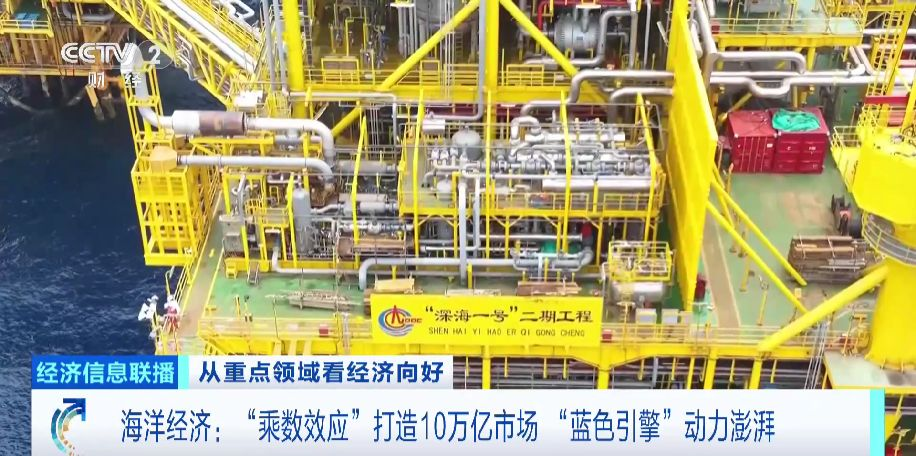
Core Viewpoint - The marine economy in China is emerging as a significant driver of economic growth, with a GDP exceeding 2.5 trillion yuan in the first quarter of this year, marking a year-on-year growth of 5.7% [1] Group 1: Marine Economy Development - The marine economy is becoming a "blue engine" for China's economic growth, as highlighted in the government work report and the recent Central Financial Committee meeting [1] - China's marine economy has surpassed 10 trillion yuan, growing by 75.9% over the past decade, indicating a shift from quantitative to qualitative changes in economic development [28] Group 2: Deep Sea Energy Resources - The "Deep Sea No. 1" gas field is producing over 4.5 billion cubic meters of natural gas annually, reaching its maximum design capacity, and is crucial for energy supply in the Guangdong-Hong Kong-Macao Greater Bay Area [3] - Deep water and ultra-deep water regions contribute 70% to 80% of major global oil and gas discoveries in the past decade, establishing deep sea as a core battlefield for oil and gas reserves [7] Group 3: Offshore Wind Power - The construction of the ±500 kV offshore converter station in Yangjiang is part of China's first offshore integrated flexible direct current project, expected to deliver 6 billion kilowatt-hours of offshore wind power annually by 2026 [9] - China's offshore wind power is transitioning from a follower to a leader, with advancements in core technologies such as large megawatt units and floating wind power [11] Group 4: Marine Aquaculture - The "Suhai No. 1," the world's first self-propelled closed salmon farming vessel, is set to produce 8,000 tons of salmon annually, with an investment of 600 million yuan [14] - Plans to promote five such vessels could lead to an annual production capacity of 40,000 tons, generating a market scale of 28 billion yuan [16] Group 5: Undersea Data Centers - The first commercial underwater intelligent computing center cluster in China has been launched, significantly reducing cooling energy consumption compared to land-based data centers [18] - Each underwater data module can save approximately 120 million kilowatt-hours of electricity annually compared to similar-sized land data centers [20] Group 6: Technological Innovations - The "Nanjiao No. 1" underwater cable-laying robot has achieved a speed of 1,000 meters per hour, doubling the efficiency of traditional operations [22] - This technology supports the establishment of underwater data centers and transoceanic communication systems, extending marine development capabilities [24] Group 7: Integrated Marine Development - The integration of offshore wind power, oil and gas development, marine aquaculture, and digital infrastructure is forming a comprehensive marine development strategy [26] - The marine economy's unique characteristics enable deep integration across primary, secondary, and tertiary industries, enhancing the utilization of marine resources [28]

跨经营区常态化电力交易机制启动,“网上电力商城”来了
Xin Jing Bao· 2025-07-18 09:15
Core Viewpoint - The establishment of a normalized cross-grid electricity trading mechanism aims to enhance electricity supply security during peak summer periods and facilitate long-term green electricity trading agreements across different grid operating areas [1][2][3]. Group 1: Reasons for Establishment - The current separation between the State Grid and Southern Grid has become a critical bottleneck in building a unified national electricity market [3]. - The lack of a normalized trading mechanism between the two grids has limited the efficiency of inter-grid electricity exchanges, which primarily rely on government agreements and emergency dispatch [3][4]. - The increasing integration of renewable energy sources necessitates a more flexible and efficient electricity trading system to ensure stable supply and consumption across regions [3][5]. Group 2: Mechanism Details - The approved plan includes detailed processes for various trading types, ensuring safety checks, execution, settlement, and information disclosure for cross-grid transactions [4]. - A dual verification system is established for all cross-grid transactions to ensure the safety and reliability of the electricity grid [4][7]. - The plan promotes real-time sharing of transaction data, enhancing the convenience for market participants and reducing transaction costs [4][6]. Group 3: Innovations and Market Impact - The plan introduces a direct trading model between resource providers and consumers, allowing renewable energy projects to participate in cross-grid trading [6]. - It aims to expand the market for green electricity, facilitating the transfer of clean energy from resource-rich areas to consumption centers [6][5]. - The establishment of a collaborative mechanism between the two grids is essential for the smooth operation of the trading system, ensuring unified processes and safety standards [7][8].
国家数据局公布首批可信数据空间创新发展试点名单
news flash· 2025-07-17 13:29
Group 1 - The National Bureau of Statistics announced the first batch of pilot projects for trusted data space innovation development, which includes 63 selected projects [1] - The selected projects consist of 13 cities, 22 industries, and 28 enterprises [1] - Notable companies included in the pilot list are Shanghai Data Group Co., Ltd., Ningbo Digital Industry Group Co., Ltd., China Southern Power Grid Co., Ltd., Guangzhou Data Group Co., Ltd., and China Automotive Data (Tianjin) Co., Ltd. [1]
全国统筹的“网上电力超市”来了
Zhong Guo Qing Nian Bao· 2025-07-14 22:36
Core Viewpoint - The establishment of a cross-grid trading mechanism marks a significant step towards building a unified national electricity market in China, facilitating the integration of electricity resources across different regions and enhancing power supply security [2][4][11]. Group 1: Cross-Grid Trading Mechanism - The National Development and Reform Commission and the National Energy Administration have approved a plan for a normalized electricity trading mechanism between the State Grid and Southern Grid, which will support power supply during peak summer periods and explore long-term green electricity trading [2][4]. - The cross-grid trading mechanism aims to eliminate barriers between the two electricity markets, allowing for market-based operations rather than relying solely on planned dispatch [4][5]. - The mechanism includes a detailed design for transaction organization, safety checks, and execution processes, introducing an "one registration, nationwide sharing" model for market participants [6][8]. Group 2: Market Transformation - Since the reform initiated in 2002, the electricity sector has transitioned from a planned economy to a market-oriented one, with market-based electricity transactions increasing from 1.1 trillion kWh in 2016 to an expected 6.2 trillion kWh in 2024, representing a rise from 17% to 63% of total electricity consumption [3][9]. - The cross-grid trading mechanism is expected to enhance the efficiency of electricity resource allocation nationwide, allowing for better integration of renewable energy sources [5][10]. Group 3: Green Electricity Trading - By the end of 2024, China's renewable energy generation capacity is projected to reach 1.45 billion kW, surpassing that of thermal power, with over 50% of renewable energy being consumed through market transactions [9][10]. - The new mechanism will facilitate the regular trading of green electricity, with significant transactions already taking place, such as the first cross-regional green electricity trade completed in March 2024 [10][11]. - The establishment of this trading mechanism is seen as a key solution to the challenges of integrating renewable energy into the grid, particularly in balancing supply and demand across different regions [9][10].
国家发展改革委办公厅 国家能源局综合司关于2025年可再生能源电力消纳责任权重及有关事项的通知
中国有色金属工业协会硅业分会· 2025-07-14 01:46
Core Viewpoint - The document outlines the renewable energy power consumption responsibility weights for 2025 and 2026, emphasizing the need for provinces to enhance their renewable energy consumption and green electricity usage in key industries to support carbon neutrality goals [2][3]. Group 1: Renewable Energy Consumption Responsibility Weights - The 2025 renewable energy power consumption responsibility weight is a binding indicator for provinces, while the 2026 weight is a target for planning and project preparation [2]. - Provinces are required to optimize their renewable energy consumption and enhance their regulatory capabilities to improve the power system's absorption and adjustment levels [2][4]. Group 2: Green Electricity Consumption in Key Industries - In addition to the electrolytic aluminum industry, the 2025 plan includes increasing the green electricity consumption ratio for the steel, cement, polysilicon industries, and newly established data centers [3]. - The completion of green electricity consumption ratios for key industries will be monitored, with specific assessments for the electrolytic aluminum industry in 2025, while other industries will only be monitored [4]. Group 3: Implementation and Reporting Requirements - Provincial energy authorities must develop and implement plans to meet the renewable energy consumption responsibility weights and green electricity consumption ratios, reporting their progress by specified deadlines [5][6]. - The State Energy Administration will monitor the implementation of these responsibilities and provide guidance to ensure compliance [6].

国家电网“小伙伴”,来了!
Zhong Guo Ji Jin Bao· 2025-07-13 07:46
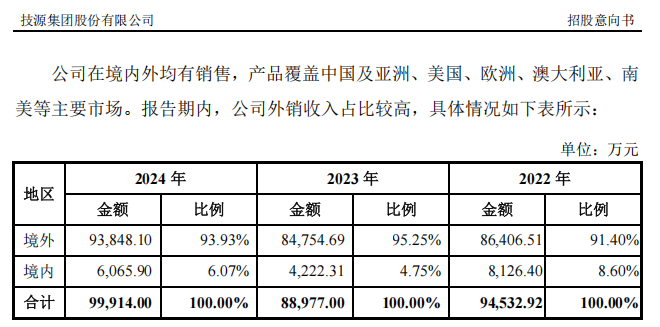
Group 1: Technological Innovations and Market Position - Technological Group is the largest global supplier of HMB raw materials, focusing on dietary nutritional supplements and innovative product development [2][3] - The company has established long-term partnerships with renowned brands such as Abbott, Blackmores, and Nutramax, contributing to over 90% of its revenue from overseas markets [7][10] Group 2: Financial Performance and Projections - Technological Group's revenue for 2022, 2023, and 2024 is projected to be 947 million, 892 million, and 1 billion yuan respectively, with net profits of 142 million, 160 million, and 174 million yuan [7][11] - The company anticipates a revenue increase of 15.03% to 27.36% in the first half of 2025, with net profits expected to grow by 8.56% to 19.20% [11][12] Group 3: Business Model and Client Base - Technological Group's business model is centered around the research and development of dietary supplements, with a significant focus on HMB, which aids in muscle synthesis and fatigue reduction [4][10] - The company’s client base includes major players in the dietary supplement industry, ensuring a stable revenue stream [7][10] Group 4: Market Overview and Competitive Landscape - The market for dietary supplements is growing, driven by increasing health awareness and demand for nutritional products, positioning Technological Group favorably within the industry [2][4] Group 5: Company Overview and Offerings - Shanda Electric is a high-tech enterprise focused on the research and development of intelligent products related to power systems, with major products including fault recording and monitoring devices [13][15] - The company derives approximately 80% of its revenue from electric grid enterprises, with 70% coming specifically from the State Grid [15][16] Group 6: Financial Performance and Future Outlook - Shanda Electric's revenue for 2022, 2023, and 2024 is projected to be 478 million, 549 million, and 658 million yuan respectively, with net profits of 76.99 million, 103 million, and 127 million yuan [17][18] - The company expects a revenue increase of 13.55% to 21.66% in the first half of 2025, with net profits projected to grow by 14.87% to 24.65% [19][20]
建立跨电网经营区常态化电力交易机制 全国统一电力市场建设迈出关键一步
Zheng Quan Ri Bao· 2025-07-11 16:42
Core Viewpoint - The approval of the "Cross-Grid Normalized Electricity Trading Mechanism" marks a significant step towards establishing a unified national electricity market in China, facilitating the optimization of electricity resource allocation across regions [1][2]. Group 1: Mechanism Overview - The approved mechanism includes detailed designs for various trading types, covering transaction organization, safety checks, execution, settlement, green certificate transfer, and information disclosure [3]. - It establishes safety check and execution principles for cross-grid transactions, requiring dual verification from both grids to ensure safe and reliable operations [3]. - The mechanism promotes real-time sharing and mutual recognition of transaction data across platforms, enhancing participation convenience and reducing transaction costs [3]. Group 2: Market Impact - The establishment of this mechanism is expected to enhance electricity resource allocation efficiency, increase market vitality, provide more choices for enterprises, and ensure more economical and stable electricity supply [3]. - It aims to facilitate the green and low-carbon energy transition by enabling the flow of clean energy from resource-rich areas to consumption centers, contributing to a cleaner environment [3]. - The physical connection between the State Grid and Southern Grid is anticipated to strengthen, further enhancing the role of a unified national electricity market [3]. Group 3: Future Directions - The National Development and Reform Commission and the National Energy Administration will continue to strengthen guidance on normalized cross-grid trading, improve supporting policies, and address issues promptly to enhance the national unified electricity market system [4].

多家上市公司中标电网采购项目 电力市场增长潜力尽显
Zheng Quan Ri Bao· 2025-07-11 16:41
Core Viewpoint - The power industry is experiencing significant growth opportunities, as evidenced by multiple companies winning bids for power grid procurement projects, indicating a robust and vibrant sector [1][5]. Group 1: Company Performance - Several companies, including Hanlan Co., Ltd. and Fengfan Electric Equipment Co., Ltd., have reported successful bids for power grid projects, with bid amounts ranging from millions to billions [1][2]. - Hanlan Co., Ltd. won bids totaling approximately 907 million yuan, accounting for 9.79% of its projected 2024 revenue [2]. - Fengfan Electric Equipment Co., Ltd. secured bids worth about 337 million yuan, representing 10.45% of its expected 2024 revenue [2]. - Henan Tongda Cable Co., Ltd. reported winning bids totaling 180 million yuan, which is 2.91% of its anticipated 2024 revenue [2]. - Jinguang Electric Co., Ltd. announced bids amounting to approximately 42.81 million yuan, making up 5.76% of its projected 2024 revenue [3]. Group 2: Industry Trends - The power industry is witnessing a transformation driven by the "dual carbon" goals, leading to increased demand for infrastructure upgrades and new energy integration [4][5]. - The China Electricity Council's report indicates that by the end of 2024, the length of transmission lines at 35 kV and above will reach 2.477 million kilometers, a year-on-year increase of 1.7% [4]. - The capacity of substations at 35 kV and above is projected to reach 82.1 billion kVA, reflecting a 6.7% year-on-year growth [4]. - The industry is evolving towards high resilience and adaptability, with companies that have stronger R&D capabilities poised to capture more market opportunities [4]. Group 3: Market Dynamics - The recent surge in bidding activity highlights the maturity and resilience of the power industry supply chain, with companies leveraging their technological strengths and product specialties [3][5]. - The economic recovery is driving an increase in electricity demand, further accelerating the need for grid enhancements and smart grid solutions [4].


国家发展改革委 国家能源局关于跨电网经营区常态化电力交易机制方案的复函
国家能源局· 2025-07-11 09:42
Core Viewpoint - The implementation of a normalized electricity trading mechanism across power grid operating areas is a significant step towards establishing a unified national electricity market, promoting resource optimization and interconnectivity [3][4]. Group 1: Implementation and Significance - The normalized electricity trading mechanism is approved and should be organized for implementation by the State Grid Corporation and China Southern Power Grid [2][3]. - This mechanism is a key measure to break market segmentation and regional blockades, optimizing electricity resource allocation nationwide [3]. - The collaboration between the State Grid Corporation and China Southern Power Grid is essential to enhance the efficiency of inter-grid channel utilization and ensure the effective operation of the unified electricity market system [3]. Group 2: Operational Guidelines - During the peak summer period of 2025, the mechanism should be utilized to optimize electricity resource allocation and support supply security [3]. - By the end of the year, efforts should be made to unify market rules, trading varieties, and trading timing to achieve normalized trading across grids [3]. - The companies are required to fulfill their responsibilities, improve trading rules, and enhance technical platform interconnectivity and information sharing [3]. Group 3: Regulatory Support - The National Development and Reform Commission and the National Energy Administration will continue to strengthen guidance on normalized trading and improve supporting policies [4]. - There will be a focus on timely coordination to resolve issues and further enhance the national unified electricity market system [4].

国家发展改革委办公厅 国家能源局综合司关于2025年可再生能源电力消纳责任权重及有关事项的通知
国家能源局· 2025-07-11 09:41
Core Viewpoint - The document outlines the renewable energy power consumption responsibility weights for 2025 and 2026, emphasizing the need for provinces to enhance their renewable energy consumption and green electricity usage in key industries to support carbon neutrality goals [2][3]. Group 1: Renewable Energy Consumption Responsibility Weights - The 2025 renewable energy power consumption responsibility weight is a binding indicator for provinces, while the 2026 weight is a target for project preparation [2]. - Provinces are required to optimize the scale of renewable energy included in the sustainable development pricing settlement mechanism based on the 2025 consumption responsibility weight completion [2][4]. Group 2: Green Electricity Consumption in Key Industries - In addition to the electrolytic aluminum industry, the 2025 green electricity consumption ratio will also include steel, cement, polysilicon industries, and newly established data centers [3]. - The completion of green electricity consumption ratios for key industries will be monitored, with specific assessments for the electrolytic aluminum industry in 2025 [4]. Group 3: Implementation and Reporting Requirements - Provincial energy authorities must develop and implement plans to ensure the responsibility weights and green electricity consumption ratios are effectively distributed among key industries [5]. - By July 2025, provinces must report their implementation plans, and by February 2026, they must report on the completion of their renewable energy consumption responsibilities [5][6]. Group 4: Monitoring and Coordination - The National Energy Administration will monitor the implementation of renewable energy consumption responsibilities and green electricity consumption ratios quarterly [6]. - Electric grid companies are required to cooperate with provincial energy authorities to facilitate the integration and consumption of renewable energy [5].