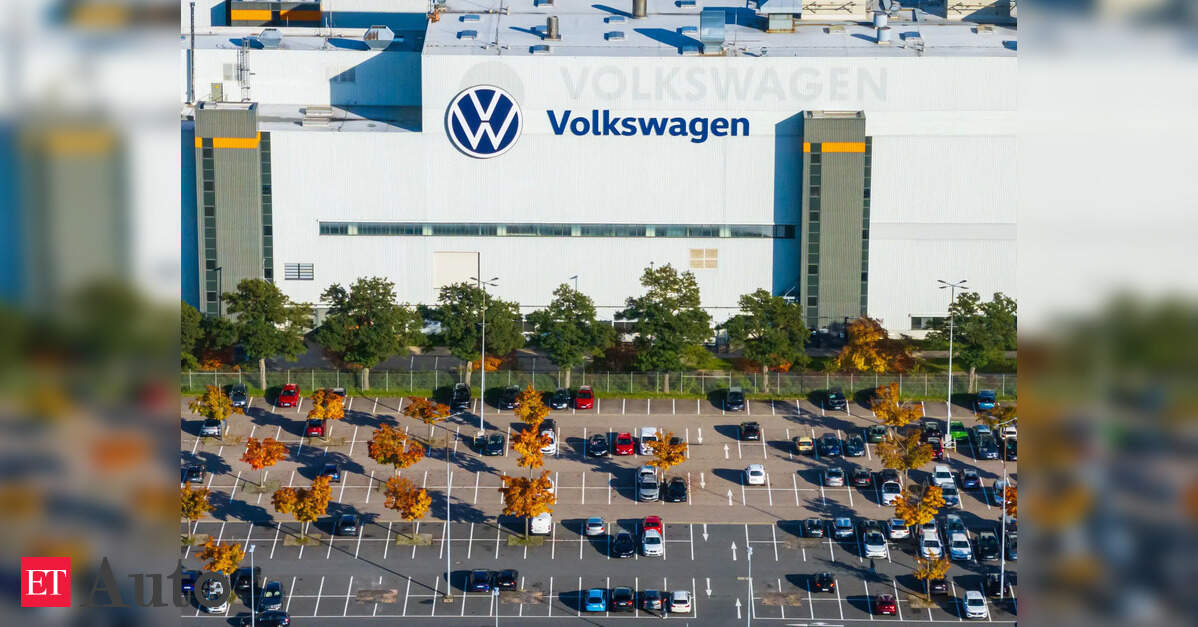
Volkswagen AG

Search documents
The electric car transition unravels slowly, then all at once
The Economic Times· 2025-12-18 05:22
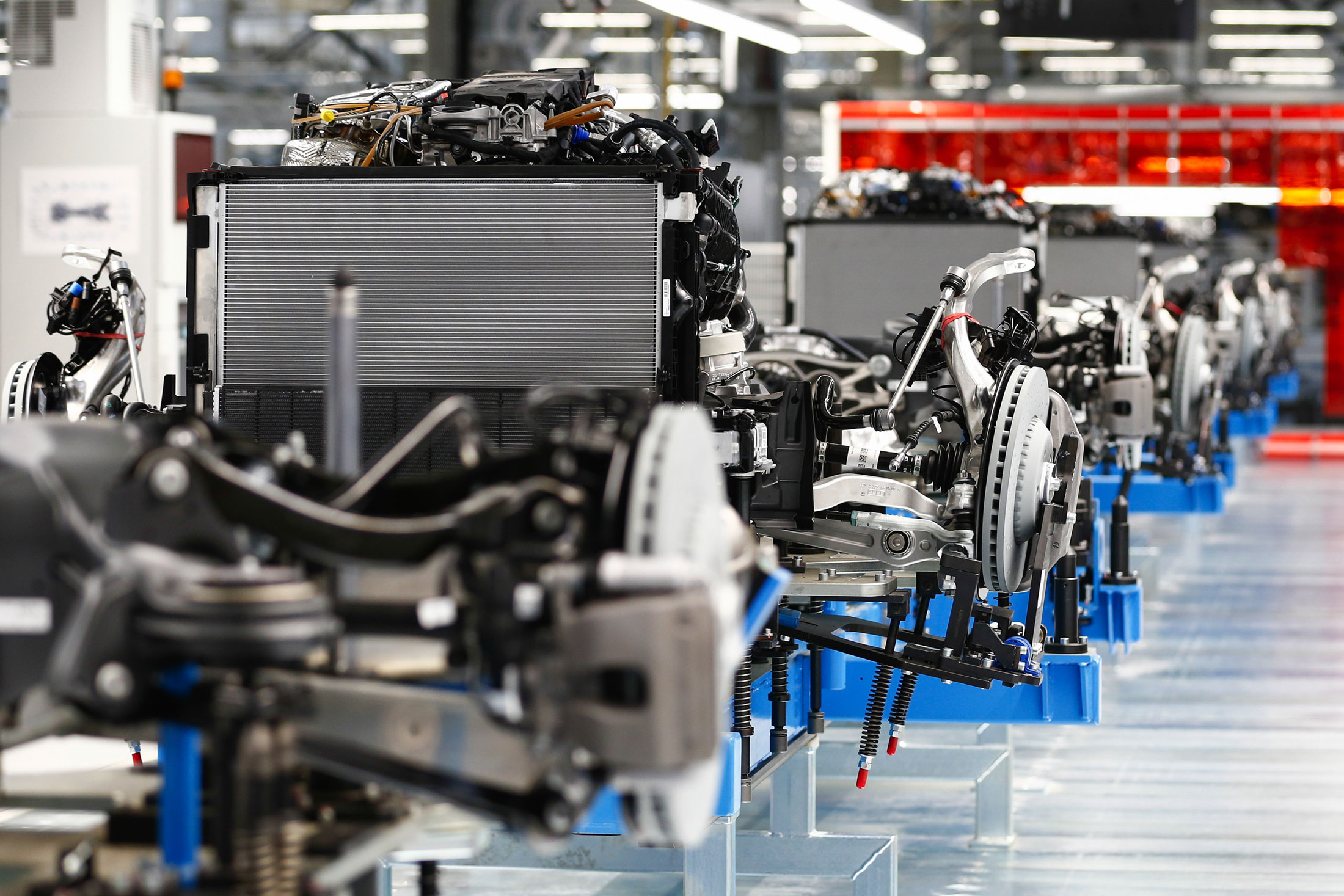
Core Insights - The electric vehicle (EV) industry is entering a more uncertain and contested phase, with significant pullbacks from major manufacturers and a shift in regulatory timelines [1][12] - The European Commission has relaxed its aggressive timeline for phasing out internal combustion engines, allowing more time for manufacturers and consumers to transition [1][9] - Major automakers like Ford, General Motors, and Volkswagen are incurring substantial financial charges as they adjust their electric strategies, indicating a broader industry reckoning [2][6][7] Company-Specific Developments - Ford Motor Co. announced $19.5 billion in charges related to its retreat from an aggressive electric strategy, including the cancellation of a planned electric F-Series truck line and a shift towards gas and hybrid vehicles [1][11] - General Motors incurred $1.6 billion in charges tied to reducing EV production capacity and has indicated that more such moves may follow [6][12] - Volkswagen AG is ceasing production of its electric ID.3 hatchbacks, marking the first time in 88 years that it will halt production at a German assembly plant, and has booked €4.7 billion ($5.5 billion) in charges related to its subsidiary Porsche AG's retreat from EVs [7][13] Industry Trends - Tesla Inc. is experiencing a decline in worldwide vehicle deliveries, poised to drop for the second consecutive year, as the company's focus shifts away from its initial electric vehicle goals [3][12] - The transition to EVs is not being abandoned, with industry leaders like GM reaffirming their commitment to electric vehicles as a long-term strategy [8][12] - Despite the challenges, the EV segment is still growing, but sales are not increasing at the pace required to meet future targets set by policymakers [9][12]



EU to Abandon Combustion Engine Ban in Win for Carmakers
Insurance Journal· 2025-12-17 06:30
Core Points - The European Union is proposing to soften emissions rules for new cars, effectively scrapping a ban on combustion engines due to pressure from the automotive industry [1][3] - The proposal allows carmakers to slow the rollout of electric vehicles (EVs) in Europe, aligning the region more closely with the US, where efficiency standards are being relaxed [2][3] - The new regulations will require a 90% reduction in tailpipe emissions by the middle of the next decade, compared to the previous goal of 100% reduction [5] Industry Impact - The proposal is expected to be adopted by EU commissioners and will undergo discussions in the European Parliament and EU Council, with potential amendments from each institution [6] - Environmental groups express concern that the changes may create loopholes that undermine Europe's climate ambitions and hinder European manufacturers in competing with Chinese brands in the EV market [8][9] - The automotive industry, particularly German manufacturers, has lobbied for these changes to protect jobs and ease political tensions amid increasing competition and trade tariffs [10][11] Market Dynamics - Sales of new battery-electric cars have slowed, particularly in Germany, due to the withdrawal of purchase incentives, although growth is recovering with some subsidies returning [12] - The uptake of EVs varies significantly across Europe, with pure EV registrations accounting for 35% of sales in the Netherlands compared to only 8% in Spain [13] - The proposal package includes measures to boost the uptake of small electric vehicles made in Europe, including a 10-year exemption from certain safety and emissions requirements [14]
EU seeking to buy time for emission-free cars transition
The Economic Times· 2025-12-14 18:51
Core Viewpoint - The European Union is considering softening its rules that would have banned new combustion-engine vehicles by 2035, potentially allowing for a five-year extension or even removing the ban entirely [1][4]. Group 1: Regulatory Changes - The EU is discussing loopholes that could lead to a five-year extension of the combustion-engine vehicle ban [1][4]. - The EU plans to reduce regulatory burdens and provide incentives for small electric cars manufactured in the region [1][4]. Group 2: Industry Response - Intense lobbying from major automotive companies like Stellantis NV and Mercedes-Benz Group AG has influenced the EU's decision to reconsider the ban, as these companies sought to mitigate the risk of substantial fines exceeding ₹1 billion ($1.2 billion) in the coming years [3][4]. - Major auto-producing countries, particularly Germany, have advocated for changes to alleviate political tensions and the potential for job losses in the automotive sector [3][4].
EU Seeking to Buy Time for Transition to Emission-Free Cars
Yahoo Finance· 2025-12-13 16:32
Core Viewpoint - Europe's automakers are facing a critical moment in the transition to emission-free driving, with the European Union considering softening rules that would have banned new combustion-engine vehicles by 2035 [2][4]. Group 1: Regulatory Changes - The European Union is discussing potential loopholes that could extend the ban on combustion-engine vehicles by five years or possibly remove the ban altogether [2]. - Intense lobbying from major automakers like Stellantis NV and Mercedes-Benz Group AG has influenced the EU's decision to reconsider strict regulations, aiming to avoid fines exceeding €1 billion ($1.2 billion) [3]. Group 2: Economic Impact - The automotive industry contributes approximately €1 trillion ($1.2 trillion) to the European economy, highlighting its significance [4]. - Major auto-producing countries, particularly Germany, are advocating for regulatory changes to mitigate political tensions and job loss threats [3]. Group 3: Industry Risks and Opportunities - While the potential regulatory relaxation may provide temporary relief, it risks slowing technological development and widening the gap with competitors like Tesla Inc. and BYD Co. [4]. - Experts warn that excessive flexibility could hinder progress towards climate targets and the technology race, emphasizing the need for a balanced approach [5].
Uber Teams with Avride to Offer Robotaxi Rides in Dallas in Latest Expansion
Insurance Journal· 2025-12-03 16:39
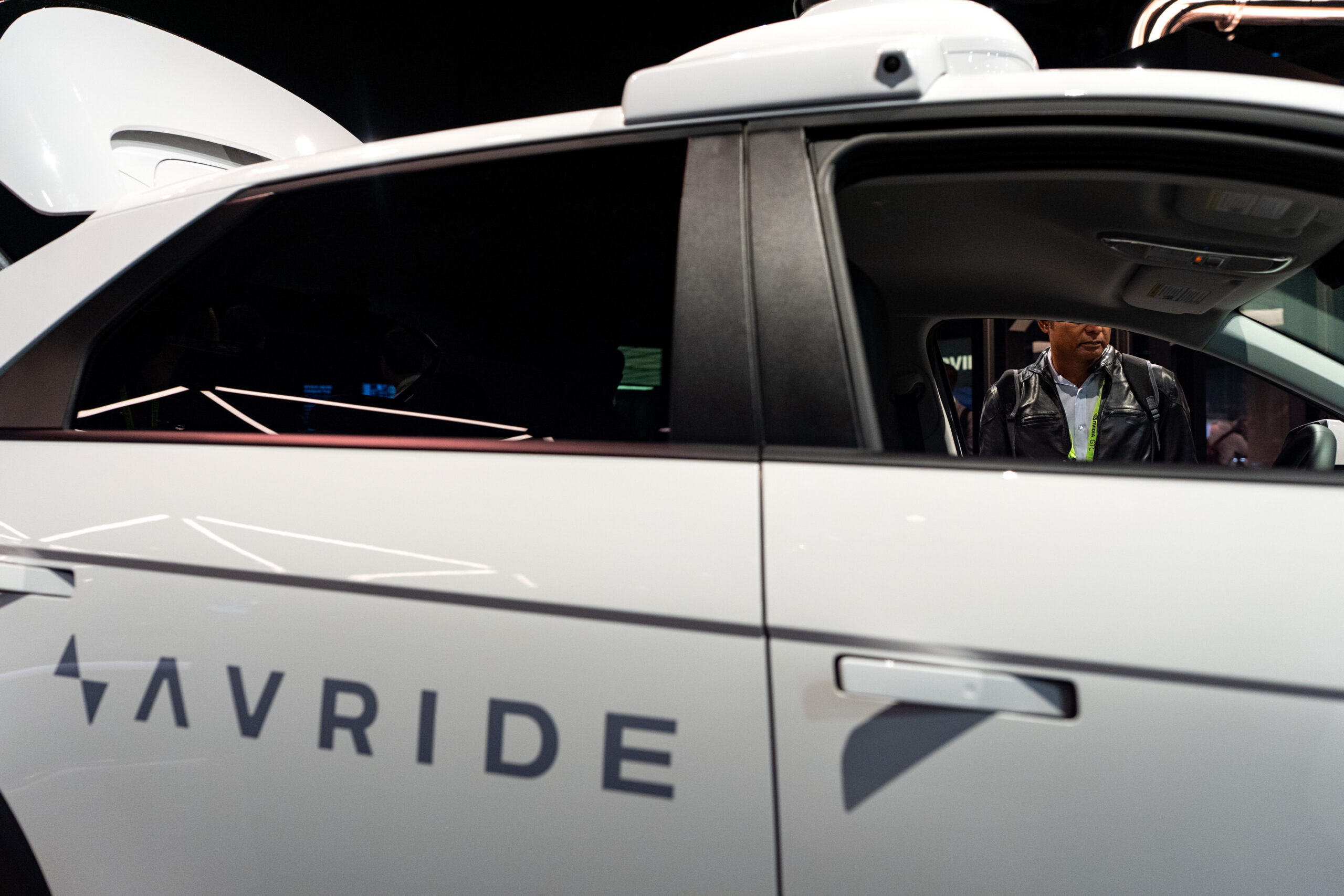
Core Insights - Uber Technologies Inc. is launching autonomous rides in Dallas in partnership with Avride Inc., expanding its autonomous service offerings in the U.S. [1][2] - Customers requesting UberX, Uber Comfort, or Comfort Electric may be matched with Avride's Hyundai Ioniq 5 robotaxis at no extra cost, with a specialist monitoring the trips initially [2] - Uber's stock rose by 4.3% following the announcement, marking a significant intraday increase and a 45% rise year-to-date [3] Investment and Expansion Plans - Uber is investing hundreds of millions of dollars to integrate a mix of human and driverless vehicles into its rides and delivery platform, aiming for autonomous vehicles in at least 10 cities by the end of 2026 [4] - The Dallas launch will start with a small fleet of Avride robotaxis, with plans to expand to hundreds in the coming years [6] - Uber has established partnerships for autonomous vehicle services in multiple cities, including collaborations with Waymo in Phoenix, Austin, and Atlanta, and plans for future launches in Los Angeles, Arlington, Dubai, and London [5][6] Partnership and Fleet Development - Uber has been partnered with Avride since fall 2024, initially focusing on sidewalk robot deliveries in Austin [7] - Last month, Uber and Nebius committed to invest up to $375 million in Avride to expand its fleet to as many as 500 vehicles [7]

Ferrari vs. Porsche: Which Luxury Icon Leads the Road Ahead?
ZACKS· 2025-11-28 15:01
Core Insights - Ferrari N.V. and Porsche Automobil Holding SE are leaders in the performance-luxury market, characterized by engineering precision, brand loyalty, and strong design identities, which maintain demand even in uncertain markets [1][2][3] Ferrari Overview - Ferrari's strategy focuses on exclusivity and disciplined pricing, intentionally restricting production to maintain scarcity, resulting in multi-year order books extending to 2027 [4][8] - The company benefits from a loyal and affluent customer base, with models like the Purosangue expanding its reach without diluting its brand identity [4] - Personalization enhances Ferrari's margin superiority, allowing for higher pricing without diminishing demand, supported by strong cash flow and a disciplined capacity management approach [5][8] - Ferrari's financial structure includes low leverage and a multi-year buyback program, contributing to resilience and steady earnings [5][8] - Expected EPS growth for Ferrari is projected at 15% and 9% for 2025 and 2026, respectively, indicating strong consistency and demand durability [16] Porsche Overview - Porsche operates with a broader scale and product portfolio, providing exposure to evolving mobility trends and a larger addressable market [6][8] - The company has diversified its investment platform, including technology-focused areas such as e-mobility and AI, which may offer long-term value and insulation from auto-market cyclicality [6][9] - Dividend coverage remains strong, with sufficient inflows to sustain payouts despite weaker earnings from Volkswagen AG and Porsche AG [7][10] - Porsche's profitability has faced challenges, with expected EPS declines of 78% in 2025 followed by a rebound of 242% in 2026, highlighting volatility [15] - The current valuation for Porsche is lower, trading at 5.5X forward P/E compared to Ferrari's 33.6X, reflecting market perceptions of their respective business models [13] Performance Comparison - Year-to-date, Porsche's stock has increased by approximately 14%, while Ferrari's has decreased by around 10%, indicating differing investor sentiment and market conditions [11] - Ferrari's premium valuation is attributed to superior margins and higher earnings visibility, while Porsche's valuation discount reflects its current challenges [13][10] Conclusion - Ferrari is positioned favorably with unmatched brand strength, exceptional margins, and a resilient demand profile, while Porsche offers diversification and dividend stability but faces near-term earnings pressure [18]

Vine Hill Capital Investment(VHCPU) - Prospectus
2025-11-25 22:30
As filed with the United States Securities and Exchange Commission on November 25, 2025 under the Securities Act of 1933, as amended. Registration No. 333- UNITED STATES SECURITIES AND EXCHANGE COMMISSION Washington, D.C. 20549 FORM S-1 REGISTRATION STATEMENT UNDER THE SECURITIES ACT OF 1933 ––––––––––––––––––––––––– Vine Hill Capital Investment Corp. II (Exact name of registrant as specified in its charter) ––––––––––––––––––––––––– Cayman Islands 6770 N/A (Primary Standard Industrial (State or other juris ...
JPMorgan to Shut Mobility Payment Platform Amid Profitability Concerns
ZACKS· 2025-11-19 16:50
Core Insights - JPMorgan has decided to close its Mobility Payments Solution platform, VW Pay, due to concerns over profitability, as reported by Globaldata citing a Bloomberg source [1] Group 1: Rationale Behind the Closure - VW Pay was designed to provide payment technology for the mobility ecosystem, facilitating digital payments for vehicle purchases, fuel, parking, and other services [2] - Despite increasing transaction volumes, VW Pay remained loss-making, with losses widening from €24.2 million in 2023 to €28.8 million in 2024, even after a €31 million capital injection in April 2025 [4][9] Group 2: Impact on Employees - The closure will affect staff in Luxembourg and Munich, with 33 roles expected to be cut in Luxembourg by 2026, while other employees may face reassignment or position elimination [3] Group 3: Strategic Realignment - This decision reflects JPMorgan's strategy to reallocate capital to more profitable areas, as evidenced by the bank's plans to launch Chase Digital Bank in Germany to enhance its European presence [6][9] - The move is part of a broader trend where JPMorgan has previously exited underperforming tech initiatives, such as the closure of its Chase Pay app in 2019 [5] Group 4: Financial Performance - Year-to-date, JPMorgan shares have increased by 24.9%, slightly below the industry's growth of 25.7% [7]


刚刚,荷兰归还安世控制权
半导体行业观察· 2025-11-19 09:37
Core Viewpoint - The Dutch government has suspended its control over chipmaker Nexperia, returning authority to its Chinese parent company, which alleviates a standoff that had been disrupting global automotive production [1][4][5]. Group 1: Government Actions and Statements - The order that allowed the Netherlands to block or modify decisions at Nexperia was revoked as a gesture of goodwill by Economic Affairs Minister Vincent Karremans [1][4]. - The Dutch government was prepared to take action if chip deliveries from Nexperia's Chinese facility could be confirmed, indicating the seriousness of the situation [5]. - The reversal of control was initiated after successful negotiations involving Chinese and Dutch officials, with contributions from Germany, the EU, and the US [2][7]. Group 2: Impact on the Industry - The dispute highlighted the global nature of supply chains and China's increasing influence, affecting major automakers like Honda and Volkswagen despite Nexperia's chips not being advanced technology [5][6]. - The Chinese government responded to the Dutch actions by imposing export restrictions on components from Nexperia's Guangdong facility, which assembles chips from European-made wafers [6]. - The Chinese plant is noted as the largest of its kind globally, emphasizing its significance in the semiconductor supply chain [2][7].


Volkswagen cuts India EV development costs by one-third, seeks local partner to revive strategy
ETAuto.com· 2025-11-19 02:39
Core Insights - Volkswagen AG has reduced the cost of developing electric vehicles (EVs) for the Indian market to approximately $700 million from the previous estimate of $1 billion, reflecting a strategic shift in its investment approach due to low market share of around 2% after nearly two decades of operations [2][10][12] - The company is actively seeking domestic partners, including discussions with an Indian contract manufacturer and the JSW Group, to share investment and risks, especially after previous talks with Mahindra & Mahindra collapsed [1][3][10] - Volkswagen's India-specific EV launch is anticipated in 2028, with the company also considering short-term alternatives such as importing electric cars if trade agreements between the EU and India facilitate such shipments [5][10] Investment Strategy - The cost-cutting measures are part of a broader recalibration of investments by global automakers across various markets, including India, China, and Western regions [7][12] - Despite significant investments over the years, Volkswagen has struggled to gain substantial market share in India, where local competitors like Maruti Suzuki and Hyundai dominate with affordable offerings [8][12] - The company is prioritizing a partnership model to unlock further internal funding, indicating a shift towards collaboration in a challenging market environment [10][12] Regulatory Environment - With stricter carbon-emission norms set to take effect in India by 2027, car manufacturers are under increasing pressure to transition to cleaner technologies [4][10] - Volkswagen's strategic reset aims to maintain relevance in one of the fastest-growing automotive markets while addressing rising investment pressures and the need for cleaner mobility solutions [9][12]