361°

Search documents
民间篮球赛事密集展开 商业化进程仍在探索
Zhong Guo Jing Ying Bao· 2025-05-02 21:13
Group 1: Core Insights - The rise of grassroots basketball events is evident, with multiple leagues like the Streetball King and 361°'s Touch the Ground League gaining traction and attracting sponsorships [1][2][5] - The basketball population in China has reached 125 million, with a core audience of approximately 76.1 million, indicating a strong foundation for basketball events [3] - The commercial viability of these grassroots events is still developing, with many relying on sponsorships and ticket sales, but facing challenges in monetization [6][9] Group 2: Event Dynamics - Various grassroots basketball leagues are innovating their rules to enhance spectator engagement, such as the 4-on-4 format and unique scoring systems [2][3] - The Streetball King event in Nanchang attracted 10,000 spectators over three days, with significant online engagement, highlighting the potential for audience reach [4] - Many former professional players are transitioning to grassroots leagues, blurring the lines between professional and street basketball [5][9] Group 3: Commercialization Challenges - The commercial sponsorship landscape for grassroots basketball events is inconsistent, with many events still offering free admission and lacking substantial media rights revenue [6][9] - Some events are struggling with profitability, often operating at a loss, and face challenges in attracting significant sponsorship investments [9][10] - The need for a cohesive commercial strategy is emphasized, as events can enhance brand visibility and sales for sponsoring companies, as seen with brands like 361° and Li Ning [10]

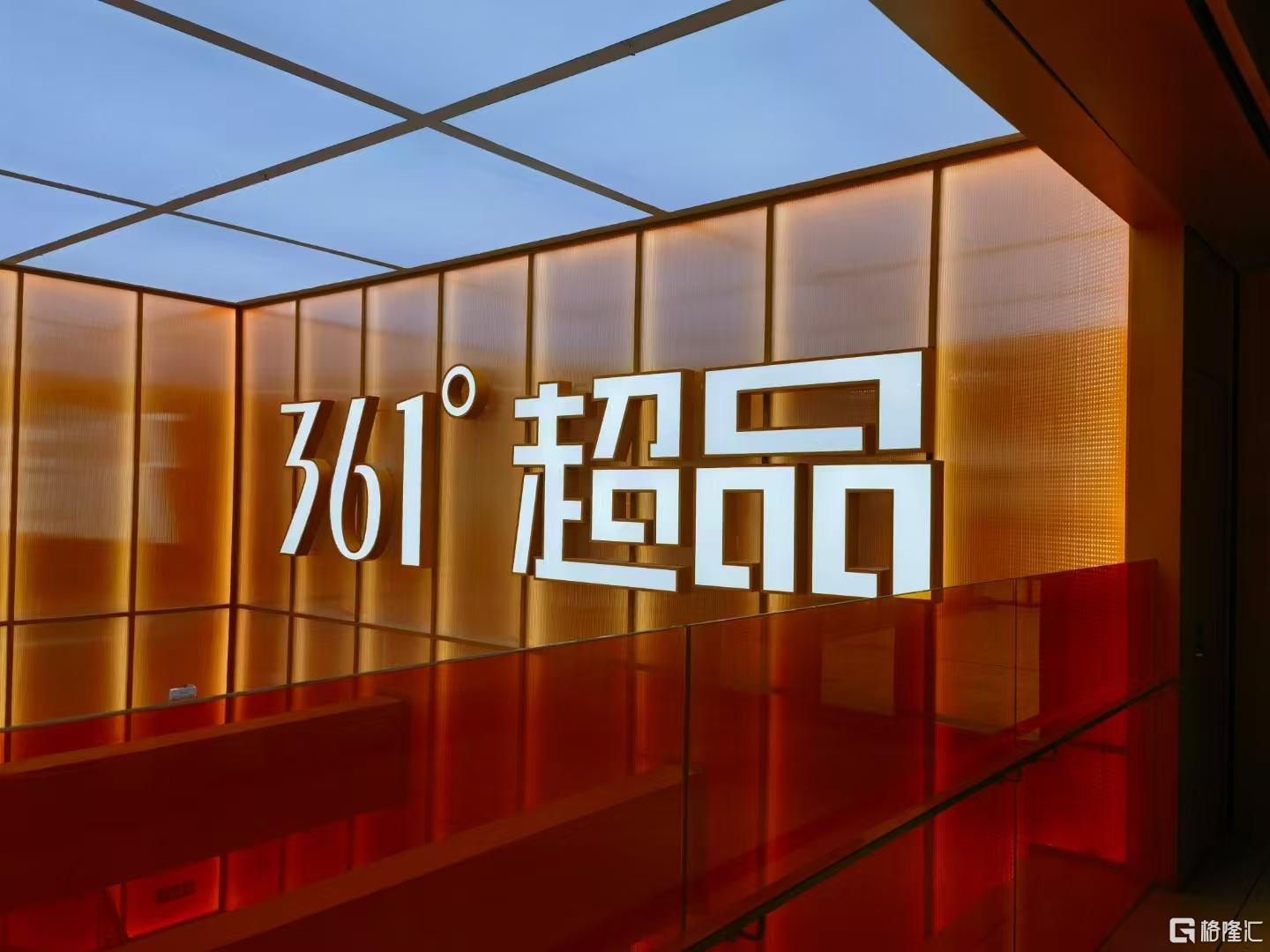
361°超品:全新零售业态驱动,打造高质价比"一站式运动消费新主场"
Ge Long Hui· 2025-04-10 03:16
Core Viewpoint - The traditional retail model in the sports consumption sector is facing multiple challenges, including product homogenization and low store efficiency, prompting the launch of a new retail format by 361° called "361° Super Product" to create a one-stop shopping experience for consumers [1][3]. Group 1: Industry Challenges - The sports consumption market is expanding, but traditional sports stores struggle to meet the diverse needs of families and all-scenario consumption due to space and product category limitations [3]. - There is a growing contradiction between inventory turnover efficiency and the demand for upgraded consumer experiences in the industry [3]. Group 2: 361° Super Product Innovation - The "361° Super Product" aims to upgrade the traditional "shelf display" to a "scene-based living space" through a four-dimensional approach: scene, category, efficiency, and emotion [3]. - The average store size of 800 square meters accommodates various sports scenarios, allowing consumers to intuitively connect products with their lifestyles [3][7]. Group 3: Product Range and Shopping Experience - The product range breaks boundaries, covering seasonal items and needs for all age groups, including new categories like tennis [7]. - The store features a large number of SKUs, with specific categories for running shoes and casual shoes, effectively meeting diverse consumer needs [7]. - Digital tools like self-service scanning and electronic price tags streamline the shopping process, allowing efficient operation with fewer staff and enhancing the "buy and go" experience [7]. Group 4: Market Expansion and Capital Confidence - Since its launch in December 2024, 361° Super Product has rapidly expanded, opening 10 stores by March 2025, with projections to exceed 100 stores by the end of 2025 [8]. - The company anticipates that each store could generate nearly 10 million in annual revenue, potentially becoming a significant growth driver for the group [8]. - The 361° Group's revenue is expected to surpass 10 billion in 2024, with the Super Product line contributing to retail growth by capturing market opportunities for high-quality, cost-effective sports products [8][9]. Group 5: Strategic Shift in Consumer Perception - The introduction of 361° Super Product shifts consumer perception from "functional consumption" to "scene-based living," marking a strategic elevation in the sports retail sector [8][9]. - This model not only addresses industry pain points but also opens a new avenue for mass sports consumption, potentially setting a benchmark for brand transformation and redefining growth boundaries in the industry [9].

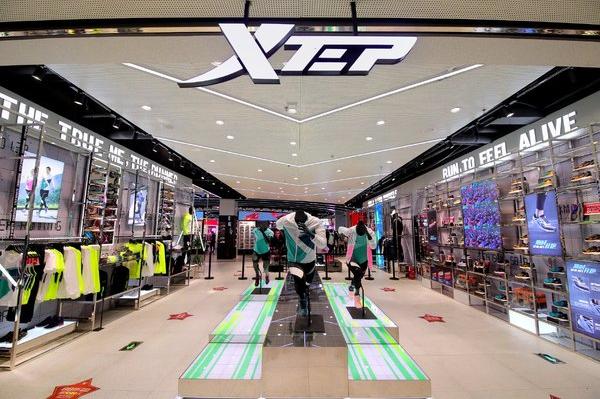
特步两公主上阵,能否赶上安踏、李宁?
3 6 Ke· 2025-03-26 09:44
Core Insights - The article discusses the recent developments at Xtep, including the appointment of the founder's daughters as key executives and the company's financial performance in 2024, highlighting its growth strategy and competitive positioning against other brands like Anta and Li Ning [2][5][14]. Financial Performance - Xtep International reported a total revenue of 13.577 billion yuan in 2024, marking a year-on-year increase of 6.5% [2]. - The company's operating profit grew by 9.3% to 1.966 billion yuan, achieving a historical high [2]. - The e-commerce sector saw a robust growth of 20%, contributing over 30% to the main brand's total revenue [2]. Leadership Changes - The founder's elder daughter, Ding Lizhi, has been appointed as the Chief Financial Officer, while the younger daughter, Ding Jiamin, has gained prominence as a social media influencer and brand manager [3][5][11]. - Ding Jiamin has been actively involved in the e-commerce segment, leading to significant online sales growth, with retail sales on platforms like Douyin and Xiaohongshu increasing by over 80% year-on-year [13][19]. Strategic Positioning - Xtep aims to establish itself as "China's number one running brand," following a similar path to Anta's multi-brand internationalization strategy [5][14]. - The company has adopted a "buy-and-build" strategy, acquiring brands such as Saucony, which has become a significant revenue contributor, surpassing 1 billion yuan in income [18][19]. - Xtep's market position is currently third among domestic sports brands, with a market capitalization of 14.622 billion yuan, trailing behind Anta and Li Ning [14][19]. Competitive Landscape - The article highlights the competitive dynamics within the sportswear industry, noting that Xtep's growth strategy closely mirrors that of Anta, particularly in terms of sponsorship and brand acquisitions [16][18]. - Xtep's recent acquisitions, including the divestment of underperforming brands, reflect a strategic shift to focus on more profitable segments [9][18]. - The company faces competition from other brands like 361°, which has also reported significant growth and is expanding its market presence [19][23].