Phillips 66

Search documents
Phillips 66 buys remaining stake in major US refineries from Cenovus for $1.4 billion
Yahoo Finance· 2025-09-09 11:18
Group 1 - Phillips 66 will acquire the remaining 50% stake in WRB Refining from Cenovus Energy for $1.4 billion, gaining full ownership of two major U.S. refineries [1] - The acquisition will add approximately 250,000 barrels per day to Phillips 66's refining capacity, enhancing its ability to produce transportation fuels and process various crude types [2] - The deal is seen as a strategic move to strengthen Phillips 66's integrated business and expand its market position in the refining sector [3] Group 2 - The transaction is considered appealing in terms of valuation and is expected to upgrade Phillips 66's portfolio by adding higher margin capacity [4] - Cenovus aims to simplify its downstream business and focus on heavy oil operations following the sale of WRB [4] - The deal is anticipated to close between the end of the third and fourth quarters, with Cenovus planning to use the proceeds to reduce net debt and enhance shareholder returns through share repurchases [5]


Feared activist investor Elliott Management took a $4 billion stake in Pepsi. That shouldn't scare the CEO.
Business Insider· 2025-09-03 15:28
Core Insights - An activist investor, Elliott Management, has acquired a $4 billion stake in PepsiCo, indicating that the company is underperforming and changes are expected quickly [2][3] - The letter from Elliott suggests that Pepsi's stock could increase by over 50% if the company implements the hedge fund's recommendations [3] - The current environment for activist campaigns has shifted, with a more collaborative approach emerging between activists and companies, reducing the likelihood of confrontational tactics [4][5][12] Company Performance - PepsiCo is at a critical juncture, with an obligation to enhance financial performance and reclaim its status as an industry leader [3] - The market generally supports activist investors, as evidenced by the increase in Pepsi's stock price following the announcement of Elliott's stake [6] Activist Investor Landscape - The activist investment industry has grown significantly, with managers now overseeing close to $230 billion, a 35% increase since 2022 [6] - A Barclays review indicates that settlements between companies and activists have risen, with board seats allotted to investors increasing by 16% [7] - Many activist campaigns are resolved without public confrontation, reflecting a shift in strategy among both activists and targeted companies [12] Industry Trends - The current state of shareholder activism suggests that it is becoming easier for activists to influence large public companies, with a notable example being the ongoing campaign against Pepsi [13] - The complexity of Pepsi's operations may present challenges for Elliott's campaign, but the fund is currently adopting a cooperative approach [13]



We're in store for more consolidation this month, says Fairlead's Katie Stockton
CNBC Television· 2025-09-02 17:54
Market Trends & Analysis - Yields are rangebound, indicating a neutral stance from an intermediate and long-term perspective [2] - The 10-year Treasury yield has support around 42% and resistance around 44% [3] - A breakout from the yield range would suggest higher yields, while a breakdown could lead to secondary support around 40% [4] - Small caps, represented by the Russell 2000, show strong upside momentum in both the intermediate and short term [6] - The Russell 2000 exhibits a cup and handle formation, suggesting a potential lift to new highs [6] - Consolidation is expected for small caps, aligning with seasonal influences and overbought conditions [7] - Large cap indices are losing upside momentum, potentially impacting the Russell 2000 [8] - The VIX is above its 50-day moving average, indicating expanding volatility inversely correlated to the S&P 500 [9] Crude Oil Analysis - Crude oil prices are still in a secular downtrend, requiring a substantial upside move to reverse [9] - There are indications on the monthly chart of WTI suggesting a major low in March/April, based on long-term oversold readings [10] Energy Sector - The energy sector shows signs of life, with some MLPs lifting out of prolonged consolidation phases [11] - Phillips 66 (PSX) shows a potential inverse head and shoulders formation, indicating constructive technical action despite long-term downside momentum [11]

Phillips 66 Begins Phased Closure of LA Refinery in 2025
ZACKS· 2025-09-02 14:00
Company Overview - Phillips 66 will begin winding down operations at its Los Angeles-area refinery this week, with a permanent closure expected in the fourth quarter of 2025 [1] - The refinery has a capacity of 139,000 barrels per day and is set to cease operations following the company's announcement last year [1][10] Employee Impact - More than half of the 600 employees at the refinery are represented by the United Steelworkers Union, with most facing layoffs in December [2][10] - A small number of workers may be transferred to the Phillips 66 marine oil terminal in Los Angeles, but the company has not commented on post-closure employment plans [2] Market Implications - The closure of Phillips 66's refinery, along with Valero Energy Corporation's Benicia facility, which has a capacity of 145,000 barrels per day, will impact approximately 20% of California's gasoline supply [3][10] - These closures are expected to tighten fuel markets and may contribute to volatility in pump prices as California increases reliance on imports and alternative sources to meet demand [3] Operational Details - The shutdown process will be multi-phased and complex, involving environmental remediation and coordination with local agencies [4] - Phillips 66 has stated its commitment to work with state officials to supply fuel and address the long-term fate of its strategically located properties near the Port of Los Angeles [4]
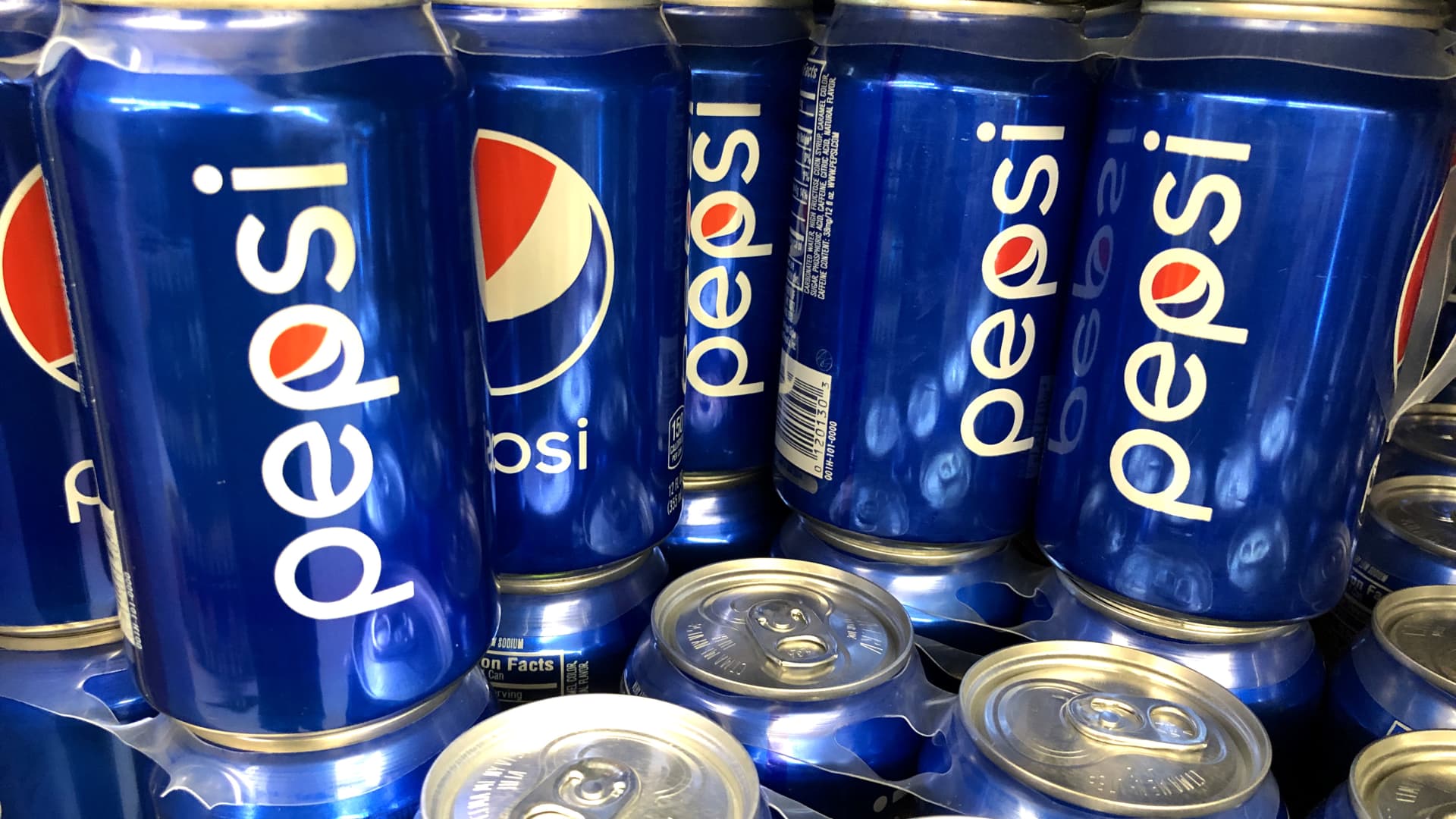
Pepsi shares jump 4% after WSJ reports Elliott planning major activist campaign
CNBC· 2025-09-02 12:07
Shares of PepsiCo climbed 4.5% in premarket trading. The stock is down about 2% this year, significantly lagging the broader market.PepsiCo shares popped Tuesday after the Wall Street Journal reported Elliott Investment Management has taken a significant stake to become the consumer giant's top five active investors excluding index funds.The Paul Singer-founded Elliott's bet in Pepsi is worth about $4 billion, the Journal reported, citing people familiar with the matter. Elliott's plan to push for changes a ...
全球炼化及烯烃行业格局展望
2025-08-25 14:36
Summary of Key Points from Conference Call Records Industry Overview - The global refining and olefins industry is expected to see a decline in refining margins after reaching a peak around 2030, influenced by geopolitical factors, carbon taxes, and the transition to renewable energy. Approximately 1.5 million tons per day of refining capacity has been announced for closure or conversion, with China accounting for 50% of this capacity [1][5][34]. - By 2035, about 22% of global refining capacity (18.4 million barrels per day) is at risk of closure, primarily concentrated in Europe and the Middle East. National Oil Companies (NOCs) are less inclined to close facilities due to government support, while International Oil Companies (IOCs) are more likely to close or sell unprofitable refineries [1][7][8]. Olefins Market Dynamics - Since 2020, global ethylene investment has been predominantly led by China, with private companies like Longsheng and Hengli entering the market significantly. From 2025 to 2028, major state-owned companies like PetroChina and Sinopec are expected to lead investments, shifting focus towards increasing petrochemical production [1][11][12]. - Approximately 40%-50% of global ethylene assets are currently at a loss or breakeven, indicating that the industry is at a cyclical low. China has seen a surge in new refining projects since 2017, leading to global oversupply, while Europe faces significant pressure due to high energy prices and carbon tax issues [1][14][15]. Regional Insights - In the U.S., a refinery in the PAD3 region with a capacity of 290,000 barrels per day has announced closure and will transition to hydrogen production by 2025. Other refineries are also shifting towards renewable fuel production [6][25]. - In Europe, the refining landscape is undergoing structural adjustments, with several companies announcing closures or asset sales to adapt to economic and environmental challenges. By 2028, European ethylene capacity is expected to decrease by 12% compared to 2024 [23][24]. Future Projections - The global refining industry is projected to peak in demand for crude oil and chemical products around 2030 or 2031, after which refining profits and utilization rates will gradually decline. This trend is expected to lead to more local refineries exiting the market, particularly in China and Europe [34][36]. - The ethylene market's future will largely depend on investment levels and the rate of capacity elimination. While the pace of new projects may slow, it does not imply cancellations, especially for large enterprises. Economic recovery in China is expected to significantly impact demand for petrochemical products [36][28]. Risk Assessment - Approximately 63 million tons of global ethylene capacity is at risk of closure, representing 27% of the total capacity by 2025. High and medium-risk capacities are primarily concentrated in Asia and Europe, with North America and Russia having lower closure rates [18][19]. - In China, around 11 million tons of ethylene capacity is at risk of closure in the next five years, with significant portions being high-risk. The government is tightening approvals for new ethylene projects, which is expected to alleviate pressure on domestic refining companies [21][19]. Conclusion - The refining and olefins industries are facing significant transformations driven by market dynamics, regulatory changes, and geopolitical factors. The future landscape will be shaped by capacity adjustments, investment trends, and the ongoing transition towards more sustainable energy sources.


Refining & Marketing Industry Outlook: 4 Stocks in Focus
ZACKS· 2025-08-21 13:26
Core Viewpoint - The Zacks Oil and Gas - Refining & Marketing industry is evolving to balance reliable fossil fuel output with investments in cleaner, lower-carbon solutions, driven by government incentives and corporate demand, while U.S. refiners are increasing exports to capture margins and diversify revenue streams [1][3][4]. Industry Overview - The industry includes companies that sell refined petroleum products and non-energy materials, operating terminals, storage facilities, and transportation services. Refining margins are volatile and influenced by various factors including inventory levels, demand, and capacity utilization [2]. Trends Defining the Future - **Growing Role of Low-Carbon Solutions**: Refiners are investing in renewable diesel and sustainable aviation fuel, supported by government incentives and corporate demand, which positions them for long-term relevance in a decarbonizing economy [3]. - **Advantaged Export Opportunities**: U.S. refiners are leveraging strong international demand, particularly from Latin America and Europe, to export refined products, enhancing profitability and providing a hedge against domestic market fluctuations [4]. - **Margin Pressure from Volatile Prices**: The industry faces risks from fluctuating crude oil prices and inflationary cost pressures, which could impact earnings stability and shareholder returns [5]. Industry Outlook - The Zacks Oil and Gas - Refining & Marketing industry holds a Zacks Industry Rank of 56, placing it in the top 23% of 246 Zacks industries, indicating strong near-term prospects [6][7]. Performance Comparison - Over the past year, the industry has underperformed compared to the broader Zacks Oil - Energy Sector and the S&P 500, with a decline of 10.1% versus a decrease of 0.6% for the sector and a gain of 15.9% for the S&P 500 [9]. Current Valuation - The industry is currently trading at an EV/EBITDA ratio of 4.24X, significantly lower than the S&P 500's 17.60X and the sector's 4.92X, indicating a potential undervaluation [12]. Stocks in Focus - **Par Pacific Holdings**: Operates an integrated energy platform with a refining capacity of 219,000 barrels per day and a market cap of $1.5 billion, showing a projected earnings growth of 394.6% for 2025 [15][16]. - **Galp Energia**: A Portuguese company with a market cap of $13.1 billion, producing over 100,000 barrels of oil equivalent per day, and a four-quarter average earnings surprise of 47.2% [18][19]. - **Marathon Petroleum**: A leading independent refiner with a market cap of $50 billion, known for strong cash flow generation and shareholder returns, with a recent earnings estimate increase of 8.5% for 2025 [21][22]. - **Phillips 66**: One of the largest independent refiners with nearly 2 million barrels per day of refining capacity, expected EPS growth rate of 15.5% over three to five years [24][25].



Chevron Resumes Venezuela Oil Exports Amid Shifting U.S. Sanctions
ZACKS· 2025-08-19 14:21
Core Insights - Chevron Corporation has resumed oil shipments from Venezuela to the U.S. after the restoration of its operating license, with two tankers carrying heavy crudes bound for the U.S. West Coast and Port Arthur, TX [1][10] - The resumption of shipments highlights the balancing act between U.S. energy security needs and sanction policies, especially as other sources like Mexico and Canada face supply constraints [2][10] - Chevron and PDVSA are expected to independently export their crude output without cash payments to the Venezuelan state, although Venezuelan authorities have disputed this arrangement [3][8] Industry Dynamics - Chevron's cautious return to the Venezuelan oil market, characterized by modest shipment volumes, could still influence the Gulf Coast heavy crude market, where refiners have been facing sourcing challenges [4] - Heavy Venezuelan crude is particularly valuable for U.S. refiners such as Valero Energy Corporation, which is negotiating to restart a supply deal with Chevron [5] - The anticipated return of Venezuelan crude supplies is expected to enhance profit margins for refiners in Texas and Louisiana, with companies like PBF Energy Inc. and Phillips 66 showing interest in purchasing Venezuelan oil [6] Geopolitical Context - The reinstated oil flows from Venezuela to the U.S. reflect a shift in U.S. foreign policy influenced by global energy realities, providing an economic lifeline for Venezuela's oil sector while ensuring feedstock security for U.S. refiners [9]


Phillips 66's Bayway Refinery in New Jersey Faces Production Outage
ZACKS· 2025-08-18 14:56
Company Overview - Phillips 66 (PSX) is a leading U.S.-based refining company that has reduced gasoline production at its Bayway refinery in Linden, NJ due to a fire incident [1][8] - The Bayway refinery has a production capacity of 258,000 barrels per day and is one of the largest fuel suppliers on the U.S. East Coast [1] Incident Details - A fire broke out in ancillary equipment of the fluid catalytic cracking unit (FCCU) at the Bayway refinery, which is essential for converting heavy crude oil into lighter products like gasoline [2] - The exact cause of the fire is currently unknown, but it has led to a production outage at the refinery [2] - The refinery plans to address the issue and restore full production in the coming days [2][8] Historical Context - The Bayway refinery experienced production disruptions last month due to a power outage caused by heavy rainstorms, which temporarily increased prices for refined products at the New York Harbor [3] - Given the refinery's significant role in the U.S. East Coast fuel supply, the current outage may similarly lead to a temporary spike in prices, depending on the duration of the production disruption [3]

Phillips 66: A Survived Proxy Fight And Growth
Seeking Alpha· 2025-08-17 12:34
Company Overview - Phillips 66 is a large refining company with a market capitalization of $50 billion [2] Recent Developments - The company has successfully navigated a contentious battle with Elliot Management, which was advised to be ignored by analysts [2] Investment Strategy - The Value Portfolio focuses on building retirement portfolios using a fact-based research strategy that includes extensive analysis of 10Ks, analyst commentary, market reports, and investor presentations [2]