
LG Energy Solution

Search documents
行业聚焦:全球激光焊接监控系统市场头部企业份额调研(附Top 10 厂商名单)
QYResearch· 2025-10-23 09:43
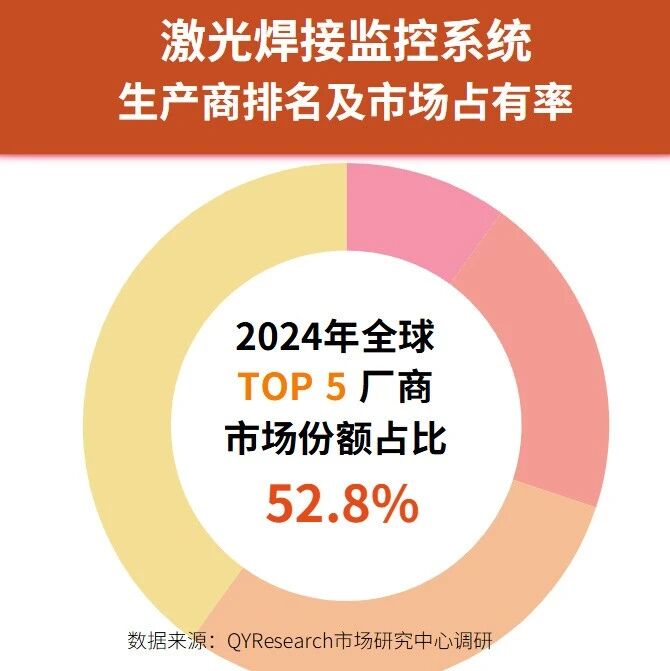
Core Viewpoint - The laser welding monitoring system is an intelligent device designed for real-time detection and control of laser welding quality, utilizing multi-sensor fusion and AI algorithms to ensure high precision and consistency in welding processes [2][3]. Market Development - The market for laser welding monitoring systems is experiencing rapid growth, driven by the demand for high precision and consistency in industries such as automotive, aerospace, power batteries, and medical devices [3][4]. - The future of this market is expected to follow three major trends: "intelligentization" through AI integration, "integration" of monitoring systems into laser equipment, and "domestic substitution" as local companies in China advance in sensor and industrial software technologies [3][4]. Driving Factors - The demand for electric vehicles and power batteries is a significant driver, as laser welding is favored for its high precision and speed in manufacturing battery components [4]. - The need to reduce costs and improve efficiency is pushing traditional manual inspection methods out of favor, with laser welding monitoring systems providing 100% real-time, objective inspections [4]. - The system's ability to detect minor trends, such as laser power decline or lens contamination, helps prevent defects and production downtime [4]. Market Size and Growth - According to QYResearch, the global market for laser welding monitoring systems is projected to reach USD 320 million by 2031, with a compound annual growth rate (CAGR) of 12.73% over the coming years [7]. Key Manufacturers - Major manufacturers in the global laser welding monitoring system market include Coherent, IPG Photonics, Trumpf, and others, with the top five companies holding approximately 52.8% of the market share [8][19]. Value Chain - The value chain of laser welding monitoring systems is complex, encompassing upstream components like optical elements and sensors, midstream system integration, and downstream applications in various industries [9][10][13][14]. Competitive Landscape - The competitive landscape is characterized by international leaders with advanced technology, local manufacturers rapidly catching up, and specialized companies focusing on niche technologies [19][20]. - The focus of competition is expected to shift towards AI integration, system integration levels, and breakthroughs in domestic core components [21].

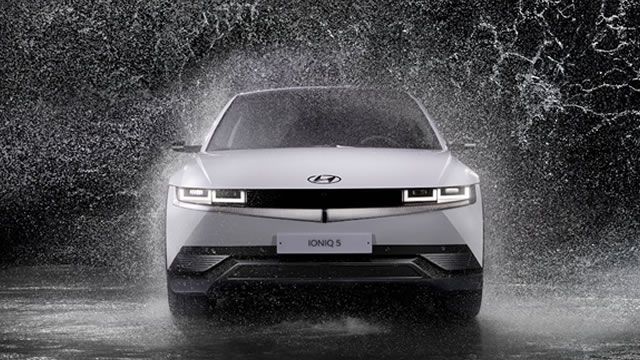
Georgia Governor Kemp visits South Korea to meet Hyundai, LG officials, media report says
Reuters· 2025-10-23 02:25
Core Insights - The governor of Georgia, Brian Kemp, is scheduled to meet with South Korean business leaders, including executives from Hyundai Motor and LG Energy Solution [1] Group 1 - The meeting comes months after an immigration raid in Georgia that resulted in the detention of hundreds of Korean workers [1]
华友钴业前三季净利超42亿创新高 布局一体化产业链年内股价涨113.6%
Chang Jiang Shang Bao· 2025-10-19 23:38
Core Viewpoint - The leading company in new energy materials, Huayou Cobalt (603799.SH), has reported significant growth in its performance due to industrial integration and a rebound in cobalt prices, achieving record highs in revenue and net profit for the third quarter of 2025 [2][3]. Financial Performance - For the first three quarters of 2025, Huayou Cobalt achieved revenue of 58.94 billion yuan, a year-on-year increase of 29.57%, and a net profit of 4.216 billion yuan, up 39.59% [2][3]. - The company's revenue and net profit have both reached historical highs for the same period [3]. - The compound annual growth rate (CAGR) for revenue and net profit from 2020 to 2024 is over 30% and 37.4%, respectively [3][4]. Stock Performance - As of October 17, 2025, Huayou Cobalt's stock price has surged by 113.63% since the beginning of the year, with a total market capitalization of 116.7 billion yuan [2][4]. Business Model and Strategy - Huayou Cobalt has transitioned from a cobalt product supplier to a comprehensive service provider in the new energy materials sector, establishing a complete industrial chain from nickel-cobalt-lithium resource development to lithium battery material manufacturing [3][4]. - The company's integrated model enhances resource security and reduces costs through synergies across the industrial chain [4]. Research and Development - The company has invested heavily in R&D, with total expenditures reaching 6.173 billion yuan from 2020 to the first half of 2025 [5][6]. - In the first half of 2025, Huayou Cobalt completed 115 patent applications and received 42 patent grants, with a total of 1,488 patent applications and 604 granted patents to date [6]. Product Performance - In the first half of 2025, Huayou Cobalt's shipments of ternary cathode materials reached 39,600 tons, a year-on-year increase of 17.68%, with high-nickel 9-series products accounting for over 60% of the total [4]. - The company has signed significant long-term supply contracts with LG Energy Solution, committing to supply a total of 164,000 tons of key lithium battery materials from 2026 to 2030 [5][6].

Americans Rush To Buy EVs Ahead of Subsidy Expiry
Yahoo Finance· 2025-10-14 20:00
Sales of electric vehicles in the United States hit an all-time high in the third quarter. Normally a welcome piece of news for EV makers, the record was prompted by the end of tax incentives for EV buyers, which expired at the end of September. From now on, it’s likely to be bad news for car companies with EV plans. Kelley Blue Book reported sales of electric cars in the quarter to September shot up by 40.7% on the previous quarter and by 29.6% on the year. This trend pushed the average car price for the ...


LG Energy Solution预计第三季度营业利润同比增长34%
Zheng Quan Shi Bao Wang· 2025-10-13 00:45
Core Viewpoint - LG Energy Solution expects a 34% year-on-year increase in operating profit for the third quarter, reaching 601 billion KRW [1] Financial Performance - Excluding the battery manufacturing incentives under the U.S. Inflation Reduction Act, the company's operating profit stands at 236 billion KRW [1] - Analysts believe that the surge in electric vehicle purchases by U.S. consumers before the expiration of incentives in September may have boosted the company's profits [1] Market Outlook - The company previously warned of a potential slowdown in electric vehicle demand early next year due to the cancellation of federal tax credits and import tariffs imposed by the Trump administration [1]
3 workers died at Hyundai's Georgia plant since 2022, before US immigration raid: report
New York Post· 2025-10-12 18:58
Core Points - Hyundai Motor's $7.6 billion auto plant in Georgia has faced serious safety issues, resulting in three worker fatalities and numerous injuries during construction [1][3] - The plant is operated through a joint venture with LG Energy Solution and has been under scrutiny following a significant immigration raid that detained hundreds of South Korean workers [2][5] - Hyundai has stated its commitment to safety and compliance with immigration laws, asserting that it has taken steps to address safety concerns [5][6] Group 1: Safety Concerns - The construction site reportedly employed many inexperienced immigrant laborers, leading to lax safety standards and frequent accidents [1][3] - More than a dozen workers have sustained serious injuries, including incidents involving falls and being crushed by forklifts [3] - Workers indicated that Hyundai did not ensure proper training for employees, and safety regulators failed to prevent violations [3] Group 2: Company Response - Hyundai's CEO emphasized the company's commitment to safety over production schedules, costs, and profits, stating that immediate actions were taken to prevent future incidents [6] - The company has publicly stated its dedication to following immigration laws and addressing safety issues in response to the incidents during construction [5][6]
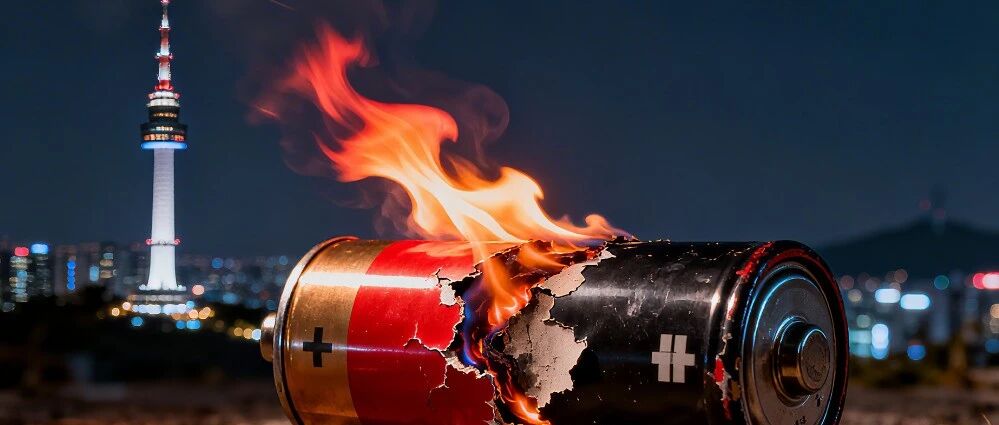
一块电池,烧瘫韩国:数据中心失火 22 小时,647 套系统因缺失“双活”集体宕机
猿大侠· 2025-10-04 04:11
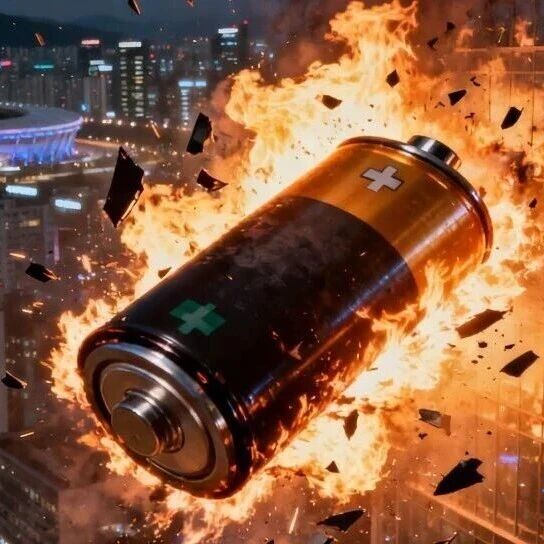
Core Insights - South Korea experienced its most severe digital infrastructure incident due to a fire at the National Information Resources Service data center, which resulted in 647 critical systems going offline, accounting for approximately 40% of the national digital service framework [1][9]. Incident Details - The fire broke out on September 26 during a battery transfer operation involving lithium batteries, which had been identified as a risk prior to the incident. The fire was ignited by a spark from one of the batteries, leading to a rapid escalation of the blaze [2][7]. - The fire reached temperatures of 160 degrees Celsius, causing the temperature and humidity control systems to fail, prompting the management to shut down all remaining equipment to prevent further damage [2][9]. - The fire was extinguished after 22 hours, resulting in the complete destruction of 384 lithium batteries and damage to 740 computing devices [3][4]. Response and Recovery - Approximately 73 firefighters and 70 fire trucks were involved in the rescue efforts, with one reported injury [4]. - As of the following Monday, only 62 out of the 647 systems had been restored, indicating a recovery rate of less than 10% [13]. Infrastructure Critique - The incident highlighted significant flaws in the infrastructure, including the aging of the lithium batteries, which were installed in 2014 and had surpassed their warranty period. Recommendations for replacement had been made but were not acted upon [7][15]. - Criticism was directed at the layout of the data center, where the distance between the batteries and critical servers was less than the recommended 90 centimeters, increasing the risk of fire spread [7]. Systemic Impact - The fire led to widespread service disruptions across South Korea, affecting critical systems such as mobile identification, banking services, and emergency response systems [9][10]. - The incident prompted the activation of the highest emergency response level for an IT disaster in South Korea, marking a significant escalation in the response to such incidents [10]. Industry Implications - The fire has raised concerns about the safety of lithium batteries in data centers, with experts calling for stricter safety measures, including better isolation of battery modules and improved fire detection and suppression systems [19]. - The market share of lithium batteries in data center applications has increased significantly, from 15% in 2020 to an estimated 38.5% currently, indicating a growing reliance on this technology despite the associated risks [19].
一块电池,烧瘫韩国:数据中心失火 22 小时,647 套系统因缺失“双活”集体宕机
AI前线· 2025-10-03 05:32
Core Points - South Korea experienced its most severe digital infrastructure incident due to a fire at the National Information Resources Service data center, which lasted 22 hours and took down 647 critical systems, accounting for approximately 40% of the national digital service framework [2][4][7] - The incident highlighted significant vulnerabilities in the country's reliance on a single data center and raised questions about the safety of lithium batteries in data centers [11][15] Incident Details - The fire broke out on September 26 during a battery migration operation, with a lithium battery igniting and causing rapid spread of flames, leading to temperatures reaching 160 degrees Celsius [4][6] - A total of 384 lithium batteries were completely destroyed, and around 740 computing devices were damaged [4][10] - The firefighting efforts involved 73 firefighters and 70 fire trucks, with one reported injury [5] Contributing Factors - Aging batteries, operational errors during the migration, and inadequate spacing between batteries and critical servers were identified as potential causes of the fire [6][15] - The data center's design did not meet recommended safety standards, such as maintaining a minimum distance of 90 cm between batteries and servers [6][15] System Impact - The fire led to the shutdown of 647 systems, with only 62 systems restored by the following Monday, indicating a recovery rate of less than 10% [10] - The incident caused widespread disruption to essential services, including digital identity systems, banking operations, and emergency services [7][10] Industry Implications - The event prompted a reevaluation of the safety protocols surrounding lithium batteries in data centers, as their market share in data center battery systems has increased from 15% in 2020 to an estimated 38.5% [15] - The incident is expected to lead to stricter operational guidelines and safety measures in the industry to prevent similar occurrences in the future [15]
华友钴业签署16.4万吨三元正极材料订单
起点锂电· 2025-10-01 09:41
Group 1 - The article highlights the upcoming CINE2025 Solid-State Battery Exhibition and Industry Annual Conference scheduled for November 6-8, 2025, in Guangzhou, with an expected participation of over 20,000 professional attendees and more than 200 exhibitors [2][3][7] - The event will feature the 2025 Qidian Solid-State Battery Golden Award Ceremony and the SSBA Solid-State Battery Industry Alliance Council meeting, indicating a significant gathering for industry stakeholders [2][3] - A notable announcement from Huayou Cobalt indicates that its subsidiaries have signed long-term supply contracts with LG Energy Solution, with a total supply volume of approximately 164,000 tons of key lithium battery materials over five years [2][3] Group 2 - The collaboration with LGES includes two main components: a supply agreement for 76,000 tons of ternary precursors from Huayou's subsidiary Qizhou New Energy and a basic procurement contract for 88,000 tons of ternary cathode materials from its subsidiaries Chengdu Bamo and Hungary Bamo [3] - The event is expected to showcase over 200 exhibitors, including prominent companies such as Jin Na Technology, Ru Tian Technology, and Rongjie Energy, among others [2][3][6] - The scale of the event reflects the growing interest and investment in solid-state battery technology, which is seen as a key area for future development in the energy storage sector [2][3]
NextStar Energy completes construction of $5-billion EV battery plant
Yahoo Finance· 2025-09-30 18:38
Core Insights - NextStar Energy has completed the construction of its $5 billion electric vehicle battery plant in Windsor, Ontario, receiving its Occupancy Permit on September 30, marking the transition to operations [1][2] - The plant has an annual production capacity of 49.5 gigawatt hours, sufficient to power approximately 450,000 electric vehicles, and will supply batteries to Stellantis facilities in North America [2] - The project has created over 950 full-time jobs to date, with a commitment to generate a total of 2,500 jobs [2][3] Investment and Economic Impact - The $5 billion investment positions NextStar Energy at the forefront of electrification, contributing to growth and development in Windsor and Essex County [3] - The construction of the facility, which spans 4.23 million square feet, began in 2022 and involved over 9,000 Canadian trades workers who contributed more than 8.4 million work hours [3][4] - The project faced a temporary halt due to funding disputes between the company and the Canadian government, but has since progressed to completion [4] Facility Details - The site consists of 11 buildings, including two main manufacturing facilities for cell and module production, along with support buildings such as a recycling center and safety testing laboratory [5] - While minor construction activities are ongoing in non-operational areas, the facility is fully approved for safe occupancy and ready for production [5]