FamilyMart

Search documents
X @Bloomberg
Bloomberg· 2025-11-12 01:06
Japan’s Seven Bank Mulls Investing in FamilyMart Card Affiliate https://t.co/RZ1J0f8CW1 ...
看日本三大便利店的破局与新生 | 便利店的未来不一定在货架上
Sou Hu Cai Jing· 2025-11-04 19:15
Core Insights - The convenience store industry is shifting from a growth-focused strategy to a competition for existing market share, with various retail formats challenging traditional convenience stores [2] - Japanese convenience stores like 7-ELEVEn, FamilyMart, and LAWSON are redefining their value propositions by focusing on emotional connections and understanding consumer needs rather than just product variety and discounts [2][28] Group 1: 7-ELEVEn's Strategy - 7-ELEVEn is targeting the previously overlooked female demographic aged 10-60 with its "Seven Cafe Tea" initiative, aiming to create a new reason for customers to visit stores [3][5] - The introduction of freshly brewed tea is not just about selling a beverage but about enhancing the consumer's emotional experience and slowing down their pace of life [5][7] - This shift from "saving time" to "spending time" with consumers represents a significant change in the understanding of convenience [7][26] Group 2: FamilyMart's Approach - FamilyMart is addressing cost reduction and efficiency through emotional engagement, exemplified by its "crying rice ball" campaign, which encourages consumers to save food from being wasted [10][14] - This initiative has reportedly increased purchase rates by 4%-10% and aims to reduce food waste by approximately 3,000 tons annually [14] - The campaign illustrates that efficiency can be achieved with warmth and social responsibility, fostering trust with consumers [27][28] Group 3: LAWSON's Innovation - LAWSON is transforming its parking lots into temporary lodging spaces for travelers, redefining the role of convenience stores beyond traditional boundaries [17][19] - This innovative use of existing resources aligns with resource-based theory, showing that competitive advantage can come from reinterpreting and reallocating current assets [19][20] - The initiative emphasizes the importance of creating new experiences and value in everyday life, moving beyond the constraints of physical store space [23][24] Conclusion - The evolution of convenience stores indicates a shift from merely selling products to providing meaningful experiences that resonate with consumers' daily lives [25][30] - The future of convenience retail may lie in understanding and addressing deeper emotional and situational needs rather than focusing solely on product offerings [28][31]

X @Cointelegraph
Cointelegraph· 2025-08-26 20:00
🇯🇵 NEW: Pudgy Penguins collectible photo cards are now available across Japan at major convenience stores including 7-Eleven, FamilyMart, and Lawson. https://t.co/WVVDA3J1f3 ...
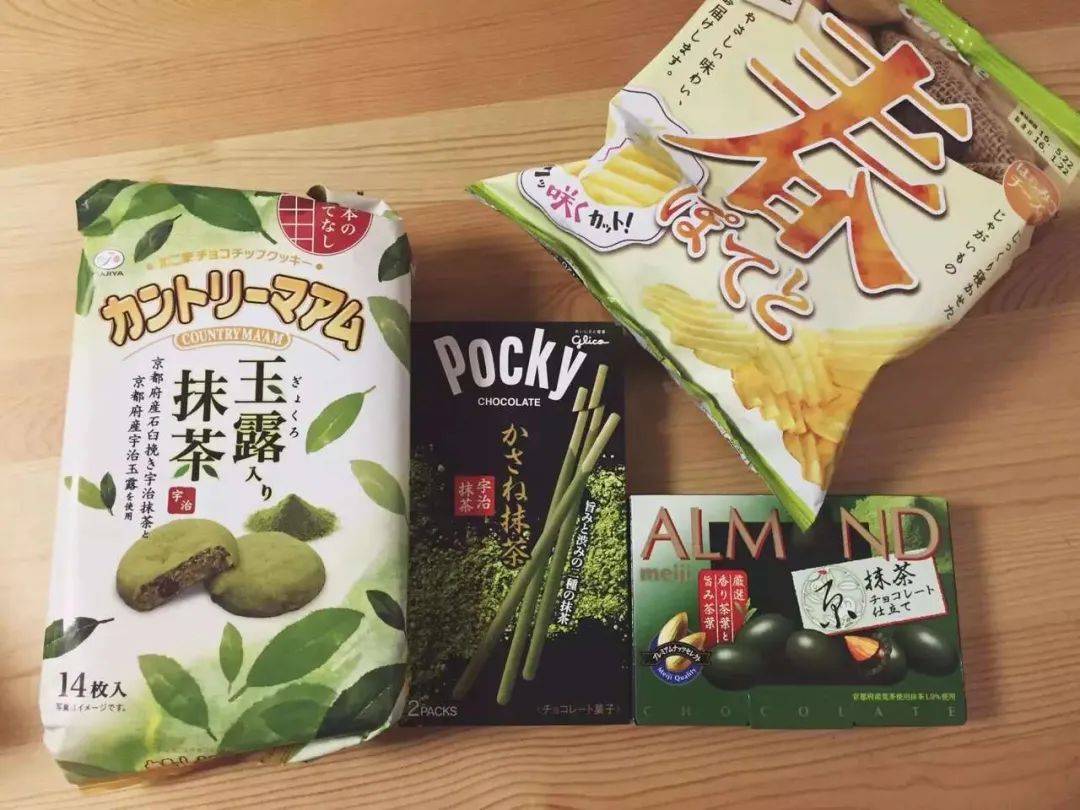
京都,为什么买不到抹茶了?
Hu Xiu· 2025-07-03 11:29
Core Insights - The demand for matcha products has surged significantly, driven by foreign tourists and a growing global interest in health-oriented foods [1][21][28] - Matcha has become a staple flavor in desserts and beverages, with a wide variety of new products being introduced annually in Japan [2][5][6] - The matcha market is expected to continue expanding, with projections indicating a compound annual growth rate of 9.4% from 2022 to 2027, reaching a market size of $5.5 billion by 2027 [40] Industry Trends - The popularity of matcha has been influenced by health trends, with consumers associating it with various health benefits, including weight loss and improved heart health [28][30] - Social media has played a crucial role in promoting matcha, with visually appealing matcha products gaining traction on platforms like Instagram and TikTok [33][34] - The collaboration between matcha and global coffee culture, particularly through major chains like Starbucks, has further solidified matcha's presence in the beverage market [36][37] Supply and Demand Dynamics - The supply of matcha has struggled to keep pace with the rising demand, leading to shortages and even purchase limits at some retailers [15][17][18] - The price of matcha has increased significantly, with raw matcha leaf prices rising by approximately 30% over the past five years [23] - The production of matcha faces challenges due to labor-intensive cultivation methods and an aging workforce in the tea industry [26] Consumer Behavior - There is a noticeable shift in foreign tourists' spending habits, moving from mere product purchases to immersive cultural experiences, such as tea ceremonies [38][39] - The trend of "superfoods" has positioned matcha as a desirable product among health-conscious consumers, despite its higher price point [30][28] - The emergence of creative matcha-infused products, such as matcha tofu snacks, reflects the evolving consumer preferences and market innovation [46]