
Glass Lewis

Search documents
JPMorgan to Leverage AI Solutions, Will Abandon Reliance on Proxy Advisory Firms
Crowdfund Insider· 2026-01-08 18:56
Core Viewpoint - JPMorgan Chase has decided to discontinue its reliance on third-party proxy advisory firms, opting for an in-house artificial intelligence solution to enhance efficiency and customization in proxy voting [1][5]. Group 1: Proxy Advisory Industry Context - Proxy advisors like Institutional Shareholder Services (ISS) and Glass Lewis have historically guided institutional investors on corporate governance matters, influencing trillions in investments [2]. - The proxy advisory industry is under scrutiny, with the Federal Trade Commission (FTC) investigating potential anticompetitive practices and conflicts of interest due to market concentration [4]. Group 2: JPMorgan's Strategic Shift - CEO Jamie Dimon has criticized proxy advisors for their "one-size-fits-all" approaches, which often overlook company-specific contexts [3]. - JPMorgan's move to internalize proxy voting processes is seen as a pioneering step, making it the first major investment bank to sever ties with external proxy services [5]. Group 3: Proxy IQ and AI Implementation - JPMorgan is developing Proxy IQ, a custom-built AI platform designed to manage the proxy voting process and analyze data from over 3,000 corporate meetings annually [6]. - The AI platform utilizes machine learning algorithms to process complex governance documents and financial reports, providing real-time recommendations tailored to JPMorgan's investment strategies [7]. Group 4: Industry Implications and Future Trends - The shift towards in-house AI solutions may prompt other financial institutions to reassess their reliance on external proxy advisory services, potentially disrupting the $2 billion proxy advisory market [9]. - This transition reflects a broader trend in finance where AI is increasingly used to enhance operations, reduce costs, and minimize biases associated with external firms [8].


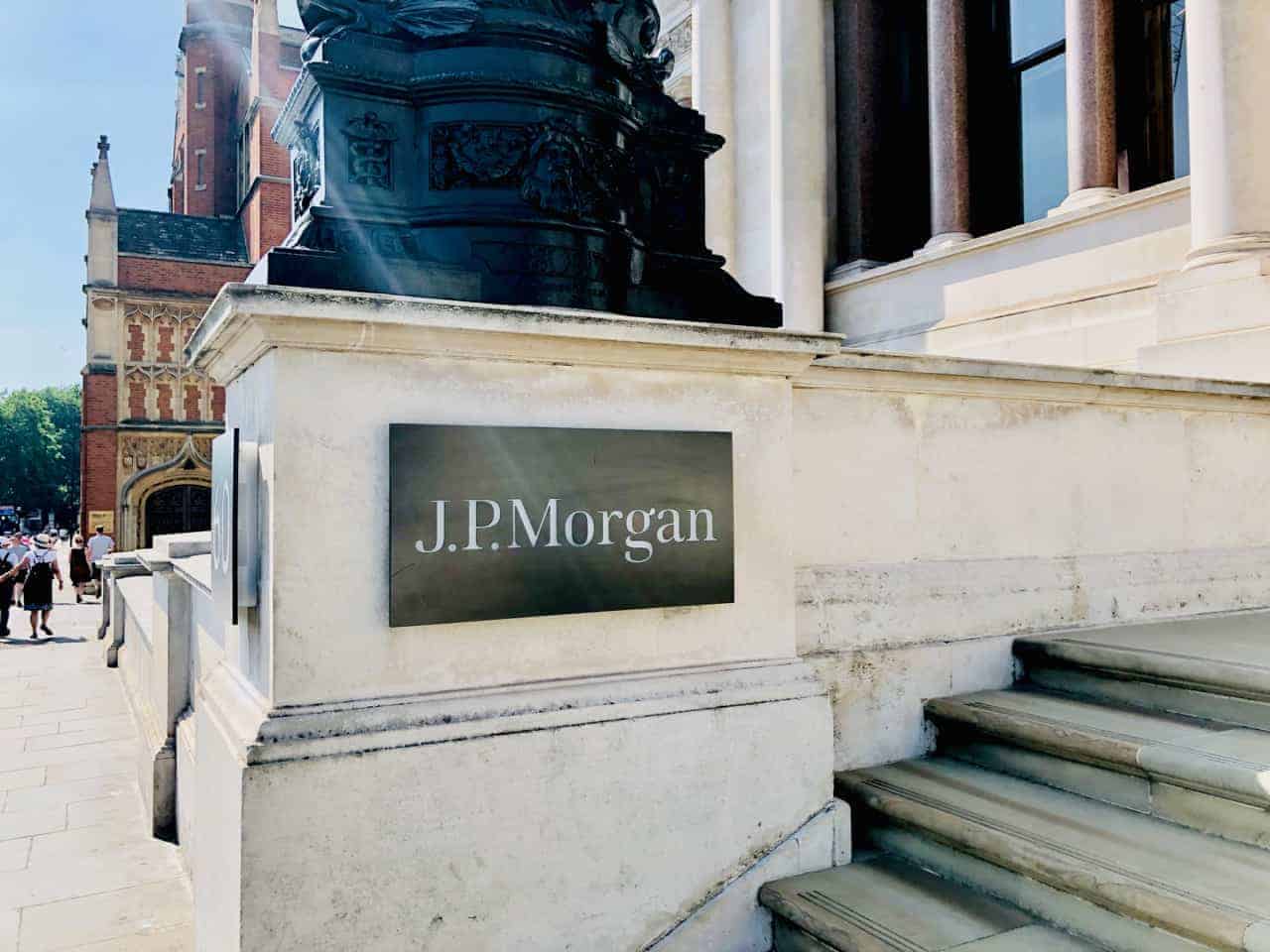
JPMorgan ends ties with proxy advisers and turns to AI
Yahoo Finance· 2026-01-08 12:02
Core Viewpoint - JPMorgan Chase's asset-management division has decided to end its relationship with proxy advisory firms and will now manage shareholder voting internally using AI technology, amid increasing regulatory scrutiny in the proxy advisory sector [1][3]. Group 1: Decision and Implementation - The decision to move away from external proxy advisers is effective immediately and reflects a shift towards internal management of shareholder voting [1]. - JPMorgan's asset-management unit, which oversees assets exceeding $7 trillion, will utilize an internally developed AI platform named Proxy IQ to manage and analyze voting at over 3,000 annual meetings [2]. Group 2: Industry Context - JPMorgan is the first major investment firm to completely eliminate the use of outside proxy advisers, which typically assist with research and logistical support for voting decisions [3]. - The firm had previously indicated a reduction in reliance on proxy advisers for recommendations but now intends to depend solely on its internal stewardship team and technology [3]. Group 3: Regulatory Environment - The proxy advisory sector is facing increased regulatory scrutiny, highlighted by a December executive order from the Trump administration calling for a review of proxy adviser practices [4]. - Following these regulatory developments, proxy advisory firms like Institutional Shareholder Services (ISS) and Glass Lewis have made statements regarding their roles, with ISS asserting that it does not determine corporate governance standards [5].
JPMorgan abandons proxy advisers and turns to AI
Yahoo Finance· 2026-01-08 12:02
Core Viewpoint - JPMorgan Chase's asset-management division has decided to end its relationship with proxy advisory firms and will now manage shareholder voting internally using AI technology, amidst increasing regulatory scrutiny in the proxy advisory sector [1][3]. Group 1: Company Actions - The asset-management unit will utilize an internally developed AI platform named Proxy IQ to manage and analyze voting at over 3,000 annual meetings of US companies [2]. - JPMorgan is the first major investment firm to completely eliminate the use of external proxy advisers, opting to rely solely on its internal stewardship team and technology for voting decisions [3]. Group 2: Industry Context - Proxy advisory firms like Institutional Shareholder Services (ISS) and Glass Lewis assist investment institutions with proxy voting complexities [4]. - Recent regulatory developments have prompted ISS to clarify that it does not set corporate governance standards, allowing clients to retain full discretion over their decisions [5]. - Glass Lewis has announced plans to cease offering widely distributed benchmark recommendations by 2027, shifting focus to tailored advice for individual clients [5].
Jamie Dimon’s bombshell on proxy advisory delivers a body blow to the firms he called ‘incompetent’
Yahoo Finance· 2026-01-07 17:30
Core Viewpoint - JPMorgan Asset Management has severed ties with proxy advisory firms ISS and Glass Lewis, opting to use its own AI-driven voting platform, Proxy IQ, marking a significant shift in shareholder power dynamics [1][3]. Group 1: JPMorgan's Strategic Move - JPMorgan Asset Management manages over $7 trillion in client assets and is the first major asset manager to rely solely on an internal voting platform [1]. - CEO Jamie Dimon has criticized proxy advisers as "incompetent" and has declared their dominance as "done with," indicating a challenge to the existing proxy advisory system [2][3]. - The decision to replace external advisers with an internal platform allows JPMorgan to control the shareholder voting process, which it previously condemned [4]. Group 2: Political and Regulatory Context - The move follows an executive order from President Trump, which directs federal agencies to investigate proxy advisers due to concerns over their influence being driven by political agendas rather than fiduciary duties [2]. - This combination of political and financial pressure from both Trump and JPMorgan represents a significant challenge to the proxy advisory industry [2]. Group 3: Broader Industry Implications - The shift towards a more decentralized and digitally engaged electorate is part of a broader trend toward democratization in investing, allowing individual investors to have real-time access to voting [4]. - The upcoming proxy season may see individual investors playing a more significant role, potentially overshadowing traditional activist campaigns and institutional influences [5]. - Other companies, like ExxonMobil, are also adapting to elevate individual investors, reflecting a growing trend in the industry [6].
JPMorgan's asset management will no longer use controversial proxy advisors for shareholder votes
CNBC· 2026-01-07 14:19
Core Viewpoint - JPMorgan Chase & Co. has fully severed ties with controversial proxy advisors for shareholder votes, marking a significant shift in its asset management strategy [1][3]. Group 1: Company Actions - The firm announced in an internal memo that it no longer requires third-party data collection or voting recommendations [2]. - JPMorgan has introduced an artificial intelligence tool named Proxy IQ, designed to aggregate and analyze proxy data from 3,000 annual company meetings [2]. Group 2: Industry Context - Proxy advisors like Institutional Shareholder Services and Glass Lewis typically provide research and voting recommendations, but JPMorgan claims to be the first major investment firm to eliminate reliance on these entities [3]. - The decision comes amid criticism of proxy advisors, including remarks from President Donald Trump and Tesla CEO Elon Musk, who have both expressed concerns over the influence of these advisors on corporate governance [4].

传小摩(JPM.US)切断与所有代理顾问合作 启用自有AI平台决策
Zhi Tong Cai Jing· 2026-01-07 13:35
Group 1 - JPMorgan Chase's asset management division has immediately severed all ties with proxy advisory firms [1] - The bank will utilize an internal AI-driven platform named "Proxy IQ" to assist in handling voting matters for U.S. companies during the upcoming proxy season [1] - Proxy advisory firms like Glass Lewis and ISS play a significant role in capital markets by providing independent research and voting recommendations to large institutional investors [1] Group 2 - Conservative figures and some business leaders have criticized proxy advisors and large fund management companies for often recommending votes against board decisions and focusing too much on climate and social issues [2] - In December of last year, former President Donald Trump signed an executive order aimed at increasing regulation of the proxy advisory industry, citing that large companies often "advance and prioritize an agenda of radical political motives" [2] - Glass Lewis and ISS have repeatedly denied these allegations [2]
JPMorgan eschews proxy advisers for internal AI tool
Yahoo Finance· 2026-01-07 12:47
This story was originally published on ESG Dive. To receive daily news and insights, subscribe to our free daily ESG Dive newsletter. Dive Brief: JPMorgan Chase’s asset management arm will no longer employ external proxy advisory firms for proxy voting advice at U.S. companies and will instead use an in-house artificial intelligence-powered tool to help make voting decisions, ESG Dive confirmed Wednesday. J.P. Morgan Asset & Wealth Management announced the change in a client memo first reported Wednesda ...
代理顾问机构Glass Lewis及ISS呼吁股东支持恒生私有化方案
Ge Long Hui A P P· 2025-12-26 16:06
Core Viewpoint - HSBC Holdings has proposed to privatize Hang Seng Bank at a price of HKD 155 per share, with a court meeting and special shareholder meeting scheduled for January 8 next year [1] Group 1: Transaction Details - The transaction logic is straightforward, offering cash consideration that provides tangible value to Hang Seng shareholders [1] - The proposed price represents a significant premium over the net asset value and transaction model [1] Group 2: Support from Advisory Firms - Two independent voting advisory firms, Glass Lewis and ISS, have urged shareholders to support the proposal [1] - Glass Lewis emphasizes that HSBC, as the long-term controlling shareholder, is the most logical and realistic buyer [1] - ISS views the proposed consideration as highly favorable for shareholders, presenting an ideal opportunity for them to exit and realize their investment [1] Group 3: Strategic Alignment - The privatization proposal aligns with HSBC's overall strategic development and will aid in further expanding its business in Hong Kong [1]


特朗普签署行政令,旨在扫除各州立法对AI的阻碍
Hua Er Jie Jian Wen· 2025-12-12 03:31
Core Viewpoint - President Trump signed an executive order aimed at overturning state-level AI laws to establish a unified federal standard for artificial intelligence in the U.S. [1] Group 1: Executive Order on AI Regulation - The executive order allows the U.S. Department of Justice to form a legal task force to review state AI laws and potentially withhold federal funds from non-compliant states [1] - Trump emphasized the need for a unified approach, stating that businesses should not face obstacles from 50 different state approvals [1] - Over 1,000 AI-related bills have been proposed across various states, with Silicon Valley executives lobbying against state-level AI regulations [1] Group 2: Republican Party Divisions - The order has sparked divisions within the Republican Party, with some conservatives arguing it undermines state regulatory powers and consumer protections [2] - Utah Governor Spencer Cox expressed the need for states to help protect children while advancing AI leadership [2] Group 3: Democratic Opposition - Democratic representatives criticized the order for potentially creating a "Wild West" environment for AI companies, endangering public safety [3] - Senator Ed Markey accused Trump of catering to large tech companies at the expense of community safety and responsibility [4][5] Group 4: Executive Order on Proxy Voting Advisors - Trump also signed an executive order targeting shareholder proxy advisory firms, which provide voting research and recommendations to investment managers [6] - The order aims to increase transparency and review the practices of these firms regarding social and environmental proposals [8]
Trump orders reviews of proxy advisers in latest pressure on financial industry
Yahoo Finance· 2025-12-12 02:02
Core Viewpoint - The executive order signed by U.S. President Donald Trump aims to increase oversight of the proxy advisory industry, specifically targeting firms like Institutional Shareholder Services (ISS) and Glass Lewis for their influence on corporate governance and potential violations of rules related to environmental and social issues [1][2]. Group 1: Executive Order Details - The order directs the U.S. Securities and Exchange Commission (SEC) and other agencies to review the practices of top proxy advisers regarding their treatment of environmental and social issues [1]. - Agencies such as the Federal Trade Commission and the Labor Department are instructed to consider new regulations in response to the order [1]. Group 2: Industry Response and Background - ISS has stated it will review the executive order and consider steps to mitigate any potential adverse impacts on its clients, emphasizing its commitment to operate ethically and independently [4]. - The order is part of a broader conservative effort to limit the influence of proxy advisory firms, which have been criticized by Republican politicians and business leaders for their significant role in corporate governance decisions [2][3]. Group 3: Historical Context - Previous Republican attempts to restrict proxy advisory firms have faced challenges, including court disputes and pushback from asset managers who value the firms for simplifying complex voting decisions [3]. - The order does not address previous expectations from trade groups regarding restrictions on proxy voting by large funds, indicating a shift in focus [3]. Group 4: Ownership Concerns - The foreign ownership of ISS by Germany's Deutsche Boerse and Glass Lewis by Canadian private equity firm Peloton Capital has been highlighted as a concern, aligning with past Republican criticisms [6].