
共赢理念

Search documents
美威胁加拿大征100%关税,中国外交部做出回应
Sou Hu Cai Jing· 2026-01-28 06:42
Core Viewpoint - The recent threat from U.S. President Trump to impose a 100% tariff on all imports from Canada if Canada engages in a trade agreement with China has escalated tensions between the U.S. and Canada, highlighting the U.S.'s use of tariffs as a tool for geopolitical leverage rather than as an economic instrument [1][3][5]. Group 1: U.S.-Canada Relations - Trump's warning places Canada in a precarious position, potentially doubling the prices of Canadian goods in the U.S. market, which could devastate Canadian exporters [1]. - The U.S. has a history of using threats and tariffs to influence the actions of its allies, as seen in previous instances involving Denmark and Iran [5]. - Canadian Prime Minister Carney's response indicates a desire for trade diversification and a move away from reliance on the U.S., as he encourages citizens to buy domestic products and seeks new trade partnerships [7]. Group 2: China-Canada Cooperation - The recent visit of Prime Minister Carney to China resulted in the signing of the "China-Canada Economic and Trade Cooperation Roadmap," which outlines 28 cooperative measures across various sectors, emphasizing mutual benefit [7][9]. - The negotiation dynamics between Canada and China contrast sharply with the U.S. approach, as both parties are willing to make concessions, indicating a cooperative rather than confrontational relationship [9]. - The roadmap supports a multilateral trade system based on rules, opposing unilateral measures, which aligns with the broader global trade discourse [12]. Group 3: Global Trade Implications - The situation reflects a larger question facing the global trade system: whether to maintain a multilateral trade framework or revert to unilateralism and protectionism [11][12]. - The U.S.'s actions have prompted other nations to reconsider their alliances and the implications of following U.S. policies, as many countries seek to assert their economic independence [12]. - The contrasting approaches of the U.S. and China highlight a growing divide in international relations, with many countries favoring cooperation and mutual respect over coercion and dominance [12].

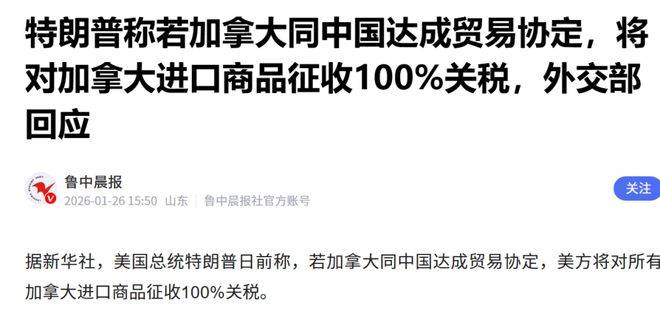
美祭出100%关税,逼加拿大对华反目,卡尼硬刚到底,中方回一句话
Sou Hu Cai Jing· 2026-01-28 06:14
Group 1 - The core viewpoint of the articles highlights a dramatic shift in the U.S. government's stance towards Canada following Prime Minister Carney's visit to China, with President Trump initially supporting the trade agreement but later threatening severe tariffs on Canadian imports if an agreement is reached with China [2][4][6] - On January 16, during Carney's visit to China, several agreements were signed to enhance economic cooperation, including the resumption of Canadian canola oil imports by China and the opening of the electric vehicle market [4] - Carney's remarks at the Davos Forum criticized U.S. hegemony and called for middle powers to unite against unilateralism, which garnered praise but angered Trump [4][6] Group 2 - In response to Trump's threats, Carney adopted a calm approach, encouraging Canadians to buy domestic products rather than directly confronting Trump [8] - The U.S. Treasury Secretary expressed concerns about the integrated U.S.-Canada market, emphasizing that Canada becoming a conduit for Chinese goods would be unacceptable [6][9] - The U.S. has long feared that trade partners, particularly those in the USMCA, could become loopholes for Chinese goods to bypass tariffs, prompting a strategy to fortify North American supply chains against Chinese influence [9]
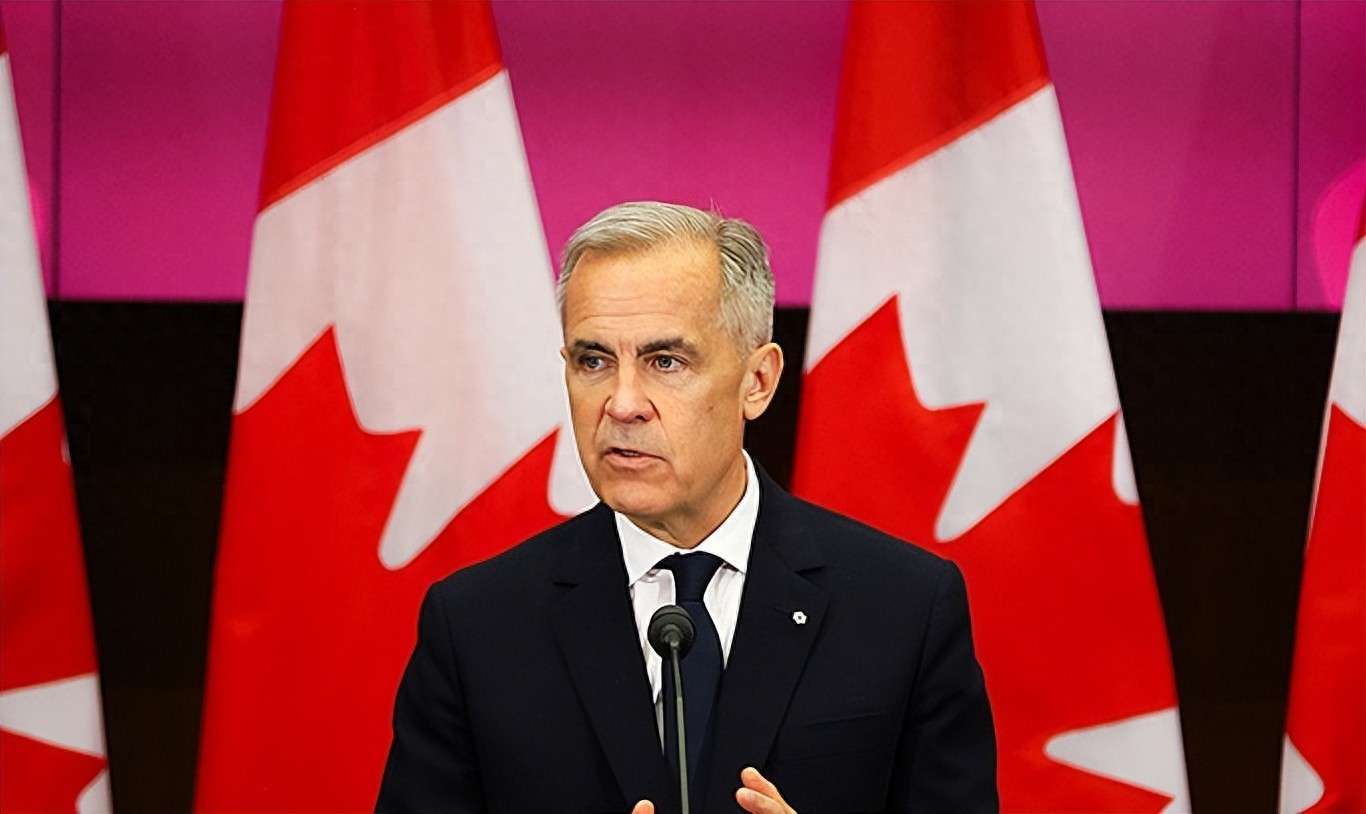
中方回应美国威胁对加拿大加征关税:中加关系不针对任何第三方
Sou Hu Cai Jing· 2026-01-27 15:14
Core Viewpoint - The Chinese government emphasizes the importance of a new strategic partnership with Canada, aiming to resolve trade issues through mutual respect and cooperation, rather than targeting any third party [1][3] Group 1: Trade Relations - The Chinese Foreign Ministry spokesperson stated that the new trade agreement between China and Canada reflects a spirit of equality, openness, inclusiveness, peaceful cooperation, and mutual benefit [1] - The Chinese stance advocates for win-win cooperation instead of a zero-sum approach in international relations [3] Group 2: Diplomatic Position - The Chinese government asserts that the partnership is in the common interest of both nations and contributes to global peace, stability, and prosperity [1] - The emphasis is placed on resolving economic and trade issues through specific arrangements that do not provoke conflict with other nations [1]
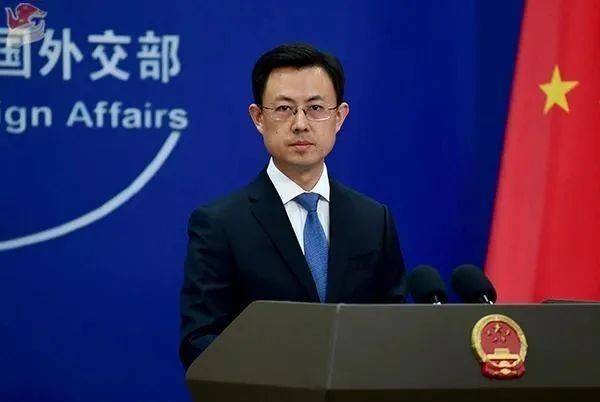
美国威胁对加拿大征收100%关税,外交部表态
Sou Hu Cai Jing· 2026-01-27 01:37
Group 1 - The core viewpoint is that China advocates for a win-win approach rather than a zero-sum game in international relations, emphasizing cooperation over confrontation [3] - The new strategic partnership between China and Canada aims to address trade issues through specific arrangements that reflect mutual respect, openness, inclusiveness, peaceful cooperation, and shared benefits [3] - This partnership is not aimed at any third party and is seen as beneficial for the common interests of both nations, contributing to global peace, stability, and prosperity [3] Group 2 - The U.S. Treasury Secretary has warned that if Canada finalizes a new trade agreement with China, the U.S. will impose 100% tariffs on Canadian imports [1] - Similar warnings have been echoed by U.S. President Trump, indicating a strong stance from the U.S. regarding trade relations with Canada and China [1]
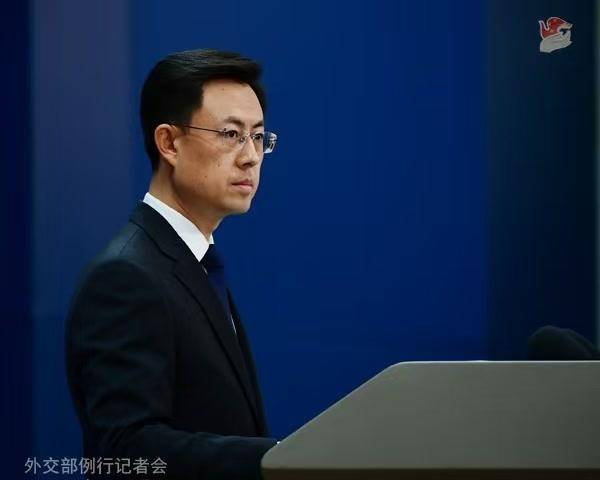
美财长威胁若加拿大与中国达成新贸易协议,将对加拿大征收100%关税,中方回应
Sou Hu Cai Jing· 2026-01-26 15:08
Group 1 - The core viewpoint of the article emphasizes China's stance on international relations, advocating for a win-win approach rather than a zero-sum mentality [1][3] - China aims to establish a new type of strategic partnership with Canada, focusing on resolving economic and trade issues through specific arrangements that reflect equality, openness, and cooperation [3] - The proposed partnership is intended to benefit both nations and contribute to global peace, stability, and prosperity, without targeting any third parties [3]
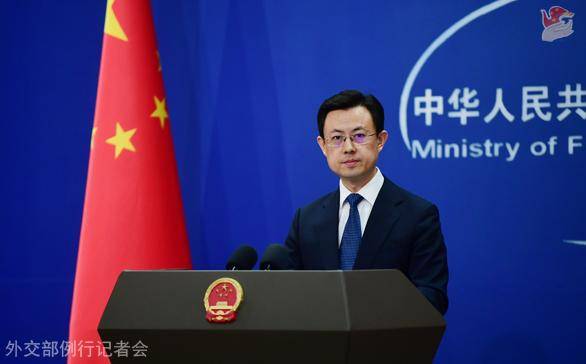
“美方称若中加敲定新贸易协议,将对加拿大征收100%关税”,外交部回应
券商中国· 2026-01-26 08:55
Group 1 - The article discusses a statement from China's Foreign Ministry regarding potential U.S. tariffs on Canadian goods if Canada finalizes a trade agreement with China, emphasizing China's stance on win-win cooperation rather than zero-sum approaches [1] - China advocates for a new type of strategic partnership with Canada, aiming to resolve economic and trade issues through specific arrangements that reflect mutual respect, openness, and shared benefits, without targeting any third party [1]

“美方称若中加敲定新贸易协议,将对加拿大征收100%关税”,外交部回应
Xin Lang Cai Jing· 2026-01-26 08:40
Core Viewpoint - The Chinese government advocates for a win-win approach in international relations, emphasizing cooperation over confrontation, particularly in the context of Canada and China's new trade agreement [1]. Group 1: Trade Relations - The U.S. Treasury Secretary has warned that if Canada finalizes a trade agreement with China, the U.S. may impose a 100% tariff on Canadian imports [1]. - The Chinese response highlights the importance of a new strategic partnership between China and Canada, aiming to resolve trade issues through mutual respect and cooperation [1]. Group 2: International Cooperation - The Chinese stance reflects a commitment to equality, openness, and peaceful collaboration, which is seen as beneficial not only for China and Canada but also for global peace and development [1].
美威胁若中加达成新贸易协议将对加拿大征收100%关税,中方回应
中国能源报· 2026-01-26 08:26
Core Viewpoint - The article discusses the potential imposition of a 100% tariff by the United States on Canadian imports if Canada reaches a new trade agreement with China, highlighting the geopolitical tensions and trade dynamics between these nations [1]. Group 1 - The U.S. Treasury Secretary warned that a new trade deal between Canada and China could lead to a 100% tariff on Canadian goods [1]. - U.S. President Trump has echoed similar warnings regarding the trade relationship between Canada and China [1]. - China's Foreign Ministry emphasized the importance of win-win cooperation and peaceful relations, stating that the new strategic partnership between China and Canada aims to resolve trade issues without targeting any third party [1].

美国威胁对加拿大进口商品征收100%关税 中方回应
Zhong Guo Xin Wen Wang· 2026-01-26 07:48
Core Viewpoint - The U.S. threatens to impose a 100% tariff on goods imported from Canada if Canada reaches a trade agreement with China, highlighting tensions in North American trade relations [1] Group 1: U.S. Actions - U.S. Treasury Secretary Steven Mnuchin stated that a trade agreement between Canada and China would trigger a 100% tariff on Canadian imports [1] - President Trump echoed similar warnings regarding potential tariffs on Canadian goods [1] Group 2: China's Response - China's Foreign Ministry spokesperson, Guo Jia Kun, emphasized the importance of win-win cooperation over zero-sum approaches in international relations [1] - The establishment of a new strategic partnership between China and Canada aims to address trade issues through mutual respect and cooperation, benefiting both nations and contributing to global peace and stability [1]
美国威胁对加拿大加征关税,外交部回应
Ren Min Ri Bao· 2026-01-26 07:48
Group 1 - The core viewpoint emphasizes that countries should adopt a win-win approach rather than a zero-sum mentality in international relations [1] - China advocates for cooperation over confrontation in addressing economic and trade issues between China and Canada, reflecting principles of equality, openness, and mutual benefit [1] - The establishment of a new type of strategic partnership between China and Canada aims to resolve trade issues in a manner that benefits both nations and contributes to global peace and stability [1]