
日本军国主义

Search documents
高市真正反省涉台谬论了吗?人民网刊文九问日本
Xin Lang Cai Jing· 2026-02-27 09:08
关于日本的九问 一、高市真正反省涉台谬论了吗? 三、日本军国主义得到彻底清算了吗? 战后远东国际军事法庭对部分日本甲级战犯做出了判决,这是国际社会对日本军国主义的正义清算。但 随着冷战特别是朝鲜战争爆发,远东国际军事法庭审判草草结束,仅对28名甲级战犯作出宣判。日本迅 速开启重整军备进程,组建了准军事化组织——"警察预备队",后来改称自卫队。日本与美国纠集的一 些国家签署所谓"旧金山和约",极力淡化战败历史教训,逃避军国主义侵略罪责。 战后相当长时期,日本不断为战犯洗白翻案。至1951年底,战后初期被整肃的战犯、旧军人、右翼头目 等21万余人中,201507人被免于处理。此后大批军国主义分子重返政坛担任要职,甲级战犯重光葵出任 副首相兼外相,甲级战犯嫌疑人岸信介任首相,操纵日本政治风向逐步右转。1978年,包括东条英机在 内的14名甲级战犯被合祀于靖国神社,成为日本政客争相膜拜的所谓"英灵"。 高市首相发表的涉台言论,是二战后日本领导人首次对中国作出带有武力威胁意味的表态。有人为其辩 解,称她已多次对"失言"进行澄清并试图"降温",而中方却"不依不饶"。事实果真如此吗?我们不妨看 看高市后续的表态:她一面说自 ...

扎哈罗娃:在这个问题上,俄罗斯与中国站在同一立场
Xin Lang Cai Jing· 2026-02-21 02:48
转自:扬子晚报 2025年9月至11月,俄联邦总检察院撤销上世纪90年代对14名日本公民作出的"平反"决定。他们在第二 次世界大战期间乃至1945年日本投降后,参与针对苏联的破坏和间谍活动。俄方相关机构复核后,认定 这些人不符合"平反"条件,其罪行已被证实。 2025年11月18日、20日、27日,扎哈罗娃三度发声,对日本近期的危险行径严厉批评。 从直指日本首相高市早苗涉台言论的"危险",要求其汲取二战历史教训,到点出日本"至今不反省自身 的错误",再到揭露日本在周边岛屿部署进攻性武器、甘当美国"军事棋子",俄方批评从言论警告延伸 至军事行动追责,既戳破了日本高市政府否认历史的恶劣本质,也直指其行为对地区安全稳定的严重威 胁。 今年1月30日,扎哈罗娃表示,俄方持续开展揭露日本军国主义在苏联伟大卫国战争时期所犯罪行的相 关工作。"这项工作已推进多年,新的相关信息仍不断涌现。这足以印证日本军国主义行径给亚洲各国 人民带来的悲剧。" 据央视新闻2月20日报道,俄罗斯外交部发言人扎哈罗娃日前接受总台记者专访时表示,第二次世界大 战期间日本站在了历史错误的一边。她强调,日本必须正视历史、深刻反省,历史不容被篡改。 " ...


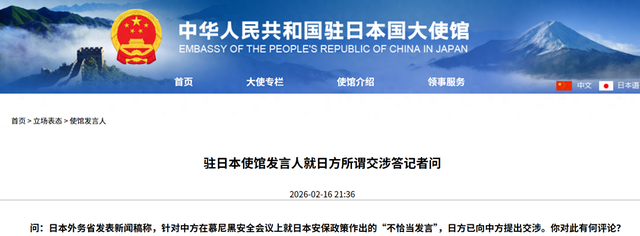
日方向中方提出交涉,驻日使馆:纯属狡辩,中方已予驳回
Xin Lang Cai Jing· 2026-02-16 14:03
问:日本外务省发表新闻稿称,针对中方在慕尼黑安全会议上就日本安保政策作出的"不恰当发言",日 方已向中方提出交涉。你对此有何评论? 中国驻日本大使馆网站2月16日消息,驻日本使馆发言人就日方所谓交涉答记者问。 答:日方所谓的交涉歪曲事实、颠倒黑白、纯属狡辩,完全于理不通!中方已予驳回。 王毅外长的谈话掷地有声、激浊扬清,清楚阐明了中方严正立场,明确表达了中方维护国家核心利益的 坚定决心,全面展现了中方捍卫国际公平正义与和平稳定的责任担当。 我要反问日方,日本现职首相战后80年来首次公开声称台海有事构成日本可以行使集体自卫权的"存亡 危机事态",难道不是事实吗?德国战后对法西斯进行了全面清算,而日本却把甲级战犯作为"英灵"供 奉在靖国神社,日本政要络绎不绝去顶礼膜拜,难道不是事实吗?日本当年以所谓"存亡危机事态"为 由,对中国发动侵略,对美国实施袭击,难道不是事实吗? 今年是东京审判开庭80周年。当年日本以所谓"存亡危机事态"为由发动对外侵略,最终遭到可耻失败。 如果要走回头路,那是自取灭亡。如果再赌一次,只会败得更快,输得更惨!一切主张正义的国家和人 民,都有权利对日本的历史罪行进行再清算,都有责任坚决阻止日 ...
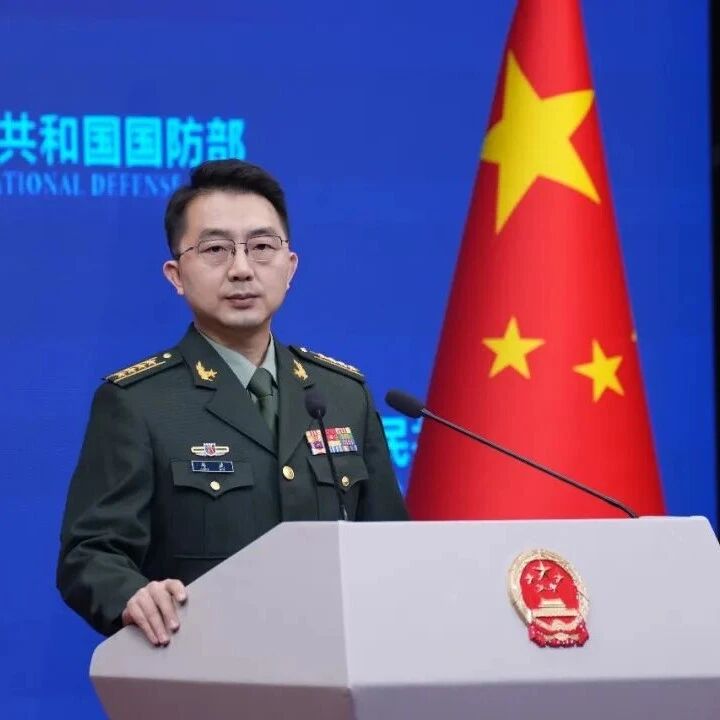
国防部:“台独”武装胆敢挑起战端,必遭灭顶之灾
证券时报· 2026-02-10 09:51
Group 1 - The article discusses recent military developments and comments from the Chinese defense spokesperson regarding Taiwan's military plans and the Philippines' actions in the South China Sea [3][4]. - The spokesperson criticizes Taiwan's military strategy of deploying the "HIMARS" system closer to the Chinese mainland, labeling it as an unrealistic and reckless move by "Taiwan independence" advocates [3]. - The spokesperson asserts China's sovereignty over Huangyan Island, condemning the Philippines for using its fishermen as tools for political provocation and emphasizing China's commitment to defending its territorial rights [3]. Group 2 - The article highlights Japan's Prime Minister's proposal to amend the constitution to formally recognize the Self-Defense Forces, which the spokesperson views as a step towards militarization and a challenge to post-war international order [4]. - The spokesperson warns that Japan's right-wing forces are attempting to undermine the principles of its pacifist constitution and are seeking to re-establish militaristic policies [4]. - The article calls for international vigilance against Japan's military ambitions, emphasizing the need to maintain regional peace and stability [4].
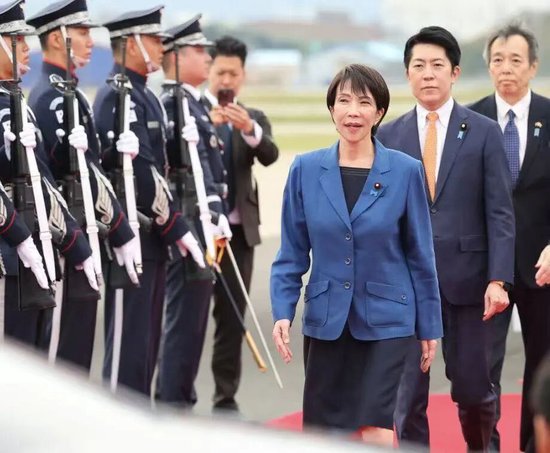
牛弹琴:这样参拜靖国神社,高市真想多了
Xin Lang Cai Jing· 2026-02-09 23:57
Core Viewpoint - The future of China-Japan relations is pessimistic, with multiple potential flashpoints, particularly regarding the visits to Yasukuni Shrine by Japanese politicians like Sanae Takaichi, which symbolize Japan's militaristic past and provoke strong reactions from neighboring countries [2][17]. Group 1: Takaichi's Intentions and Statements - Takaichi Sanae has expressed a desire to visit Yasukuni Shrine, a site that honors war criminals, indicating a lack of concern for the reactions from China, South Korea, and North Korea [18][19]. - In a recent interview, Takaichi stated she is working to create a favorable environment for visiting Yasukuni Shrine, aiming to gain understanding from allies and neighboring countries [20][21]. - There is speculation that Takaichi may eventually visit the shrine, driven by either a boost in confidence from recent electoral victories or as a strategy to consolidate her political position amid challenges [4][12][34]. Group 2: International Reactions and Historical Context - The Chinese Foreign Ministry has condemned the idea of visiting Yasukuni Shrine, emphasizing that it represents Japan's militaristic aggression and the need for Japan to reflect on its historical actions, especially in light of the 80th anniversary of the Tokyo Trials [6][23][31]. - The notion of creating a favorable environment for such visits is dismissed as unrealistic, as neighboring countries will not accept visits to Yasukuni Shrine as a form of historical reflection [10][27][28]. - The historical context is critical, as the shrine honors individuals responsible for wartime atrocities, making any visit a contentious issue that could exacerbate regional tensions [30][38]. Group 3: Political Implications and Risks - Takaichi's potential visit to Yasukuni Shrine could further inflame nationalist sentiments in Japan, potentially increasing her support among right-wing factions [12][34]. - The political landscape in Japan is shifting towards the right, with warnings from former Prime Minister Shigeru Ishiba about the implications of unchecked political power and the risks associated with provocative actions like shrine visits [14][37]. - The consequences of such actions could lead to significant geopolitical instability, reminiscent of Japan's aggressive past, raising concerns about the direction of Japanese politics and its implications for regional security [15][38].
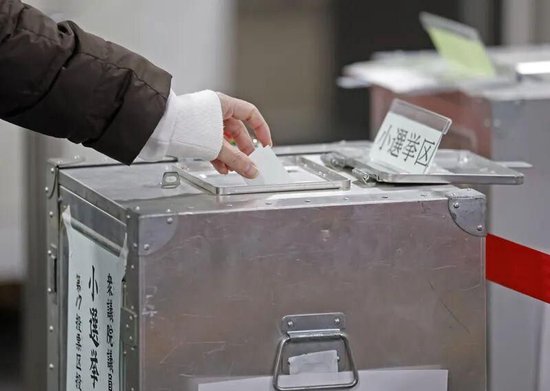
高市赢了,会让日本“赢”向深渊吗
Xin Lang Cai Jing· 2026-02-09 06:03
来源 | 新民周刊 文 |海上客 高市早苗之大胜,看似要打开"潘多拉"盒子。 新华社援引日本广播协会2月9日报道,在8日举行的日本众议院选举中,由自民党和日本维新会组成的 执政联盟获得过半数议席。 这意味着什么呢? 因之,有评论人士认为,如今高市,已经不仅仅是日本首相。在接下来的日本首相指名选举中她当然能 够连任—— 该场选举甚至不仅仅是走过场,而是一种对高市的再确认。高市实际上成为日本的"半总统"。 但海叔并不这么认为。在此前的文章中,我已经写道:"一部颁发于上世纪40年代末的日本国宪法,保 佑日本和平不再战,有长足的发展。对日本来说,和平才是生存之道!" 当地时间2月8日7时,日本第51届国会众议院选举开始投票,1284名候选人参与争夺众议院465个议席 图:新华社/共同社 当然可以视为日本首相高市早苗模仿安倍的一场政治豪赌,获得了比安倍当年之胜更大的胜利。毕竟, 这次选举,自民党获得316个议席,单独实现在众议院议席数超过三分之二,也超过安倍当年胜绩之不 到三百个席位。 1 高市早苗之大胜,看似要打开"潘多拉"盒子。 比如她此前口口声声的诸如将自卫队写进日本国宪法,甚至自卫队更名"国防军",索性修改日本 ...
“宝可梦”、《名侦探柯南》、张本智和,被中国军网点名
中国能源报· 2026-02-08 13:10
Group 1 - The article highlights the resurgence of Japanese militarism in cultural and sports sectors, as evidenced by recent events related to popular media franchises like "Pokémon" and "Detective Conan" [1] - It discusses specific incidents, such as performances and appearances by Japanese public figures that evoke historical militaristic symbols and figures, indicating a troubling trend in the normalization of militaristic ideologies [3] - The article warns that Japanese right-wing forces are leveraging generational memory loss to propagate a distorted historical narrative through popular culture, aiming to sever the transmission of authentic historical memory and lay the groundwork for a revival of militarism [3]
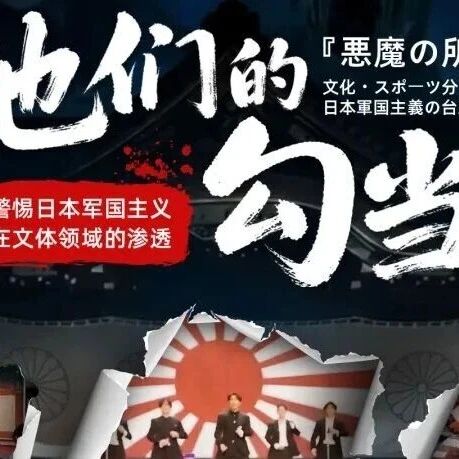
中国军网点名宝可梦、柯南、张本智和等
Xin Lang Cai Jing· 2026-02-08 12:21
Core Viewpoint - The article highlights the persistent influence of Japanese militarism in cultural and sports sectors, emphasizing recent events that reflect this trend [1] Group 1: Recent Events - The "Pokémon" incident and collaborations involving "Detective Conan" and "My Hero Academia" serve as reminders of the ongoing presence of militaristic themes in Japanese media [1] - The performance of "SOLDIER LOVE" by The Rampage on December 22, 2023, featured a salute reminiscent of Nazi gestures [1] - In August 2024, athletes Tomokazu Harimoto and Kasumi Ishikawa visited the Tōgō Shrine, which honors Japanese invader Tōgō Heihachirō [1] - Snow Man's music video for their album "RAYS," released in October 2024, included imagery of a sword inscribed with "Okamura Ningji" and "Showa 15" [1] - In November 2025, Kaoru Mitoma was photographed with an image of Hiroshi Onoda, a soldier associated with Japan's WWII surrender, symbolizing the "ghost of Japanese militarism" [1] Group 2: Ideological Implications - Right-wing forces in Japan are exploiting generational memory loss regarding historical events, using popular culture such as sports, entertainment, and anime to propagate a distorted version of history [1] - The aim is to sever the intergenerational transmission of authentic historical memory, laying the groundwork for a revival of militarism [1] - The article calls for vigilance among peace-loving individuals against the infiltration of Japanese militarism in cultural and sports domains [1]
中国军网点名张本智和宝可梦柯南
Xin Lang Cai Jing· 2026-02-08 11:22
Core Viewpoint - The article highlights the resurgence of Japanese militarism in cultural and sports sectors, emphasizing the need for vigilance against its influence on youth through popular media and entertainment [1] Group 1: Events and Incidents - The "Pokémon" incident and the collaboration between "Detective Conan" and "My Hero Academia" serve as reminders of the persistent presence of Japanese militarism in cultural contexts [1] - On December 22, 2023, The Rampage performed "SOLDIER LOVE," which included a salute reminiscent of Nazi gestures [1] - In August 2024, athletes Zhang Ben Zhihe and Ishikawa Kasumi visited the Tōgō Shrine, which honors Japanese invader Tōgō Heihachirō [1] - In October 2024, the music video for Snow Man's album "RAYS" featured imagery of a samurai sword inscribed with "Okamura Ningji" and "Showa 15" [1] - On November 27, 2025, player Mitoma Kaoru was photographed holding an image of Hiroshi Onoda, a figure associated with Japan's militaristic past [1] Group 2: Cultural Influence and Historical Memory - The article discusses how Japanese right-wing forces exploit generational memory loss regarding historical events, using popular culture to propagate a distorted view of history [1] - It emphasizes the role of sports, entertainment idols, anime, and textbooks in shaping youth perceptions and potentially reviving militaristic ideologies [1] - The article calls for awareness among peace-loving individuals regarding the infiltration of Japanese militarism in cultural and sports domains [1]
日本军国主义在文体领域阴魂不散
Xin Lang Cai Jing· 2026-02-08 09:18
Core Viewpoint - The article highlights the persistent influence of Japanese militarism in cultural and sports sectors, emphasizing recent events that reflect this trend [1] Group 1: Recent Events - The performance of "SOLDIER LOVE" by The Rampage on December 22, 2023, included a salute reminiscent of Nazi gestures [1] - In August 2024, athletes Zhang Benzhihua and Ishikawa Kasumi visited the Tōgō Shrine, which honors Japanese invader Tōgō Heihachirō [1] - The music video for Snow Man's album "RAYS," released in October 2024, featured imagery of a samurai sword inscribed with "Okamura Ningji" and "Showa 15" [1] - On November 27, 2025, player Mitoma Kaoru was photographed holding an image of Hiroshi Onoda, a soldier associated with Japan's militaristic past [1] Group 2: Ideological Implications - The article argues that right-wing forces in Japan exploit generational memory loss regarding historical events, using popular culture such as sports, entertainment, and anime to propagate a distorted version of history [1] - This strategy aims to sever the intergenerational transmission of authentic historical memory, laying the groundwork for a revival of militarism [1] - The article calls for vigilance among peace-loving individuals against the infiltration of Japanese militarism in cultural and sports domains [1]