
专守防卫

Search documents
俄罗斯警告日本领导层
券商中国· 2026-03-26 06:15
Group 1 - The core viewpoint of the article is that Japan's increasing military cooperation with Ukraine is likely to diminish the prospects for a peaceful resolution to the Russia-Ukraine conflict [1] - Russian Foreign Ministry spokesperson Zakharova stated that any attempt by Japan to provide lethal weapons and military equipment to Ukraine will be viewed as hostile actions, leading to severe retaliatory measures from Russia [1] - Japan's defense budget for the fiscal year 2026 is set to exceed 9 trillion yen (approximately 389.5 billion RMB), marking a historical high [1] Group 2 - Japan is considering the acquisition of Ukrainian-made drones, which are noted for their superior anti-jamming capabilities and endurance, as part of its military strategy [1] - Analysts suggest that Japan's intent to "learn experience and technology" is a guise for accelerating its military transformation and strategic expansion, aiming to break away from its "self-defense" principle and develop offensive military capabilities [2]


日本首次部署远程导弹,可攻击邻国沿海区域
财联社· 2026-03-09 10:37
Core Viewpoint - Japan is transitioning its post-war security policy by deploying long-range missile systems capable of offensive capabilities, marking a significant shift from its previous defensive-only stance [1][2] Group 1: Deployment of Missile Systems - The Japanese Self-Defense Forces have received the "12式岸舰导弹改进型" (Type 12 Surface-to-Ship Missile Improved Version), which has a range of approximately 1,000 kilometers, allowing it to reach coastal areas of neighboring countries from Kyushu [1] - The deployment of these missile systems is expected to be completed within the month, indicating a rapid implementation of Japan's new military strategy [1] Group 2: Policy Implications - The Japanese government has stated that it will take preemptive action if it determines that an enemy is preparing to launch an attack, which could lead to potential legal implications under international law regarding preemptive strikes [2]

高市真正反省涉台谬论了吗?人民网刊文九问日本
Xin Lang Cai Jing· 2026-02-27 09:08
Group 1 - The core viewpoint of the article is that Japan's recent statements and actions regarding Taiwan reflect a lack of genuine reflection on its historical military threats and commitments to China, indicating a potential shift towards militarism [1][2] - Japan's Prime Minister Kishi's remarks about Taiwan suggest a willingness to involve Japan in potential military conflicts, which contradicts previous agreements and understandings between China and Japan regarding Taiwan [1][2] - There is a growing trend in Japan's political discourse that equates a crisis in Taiwan with a crisis for Japan, leading to increased military presence and actions that undermine diplomatic relations with China [2] Group 2 - Japan's post-war military history shows that it has not fully addressed its militaristic past, with many war criminals reintegrated into society and politics, which has allowed militaristic ideologies to persist [3] - The lack of thorough accountability for Japan's wartime actions has led to a resurgence of militaristic sentiments, challenging the post-war international order [3] Group 3 - Japan's approach to war reparations is markedly different from Germany's, as Japan has sought to resolve issues through treaties rather than acknowledging individual responsibilities, particularly towards China [5][6] - Japan's limited reparations to Southeast Asian countries have not addressed the broader historical injustices faced by victims of wartime atrocities, including forced labor and sexual slavery [6] Group 4 - The unresolved legacy of Japan's wartime actions continues to pose significant challenges, with issues such as buried chemical weapons and the plight of "comfort women" remaining largely unaddressed [7][8] - Japan's failure to adequately respond to historical grievances has led to ongoing tensions with neighboring countries, undermining its international standing [8] Group 5 - Japan's self-defense policy, originally intended to limit military engagement, has been increasingly undermined by recent legislative changes that allow for collective self-defense and preemptive military actions [9][10] - The shift away from a strictly defensive posture raises concerns about Japan's intentions and its potential return to militaristic policies reminiscent of its pre-war era [10] Group 6 - Japan's constitutional commitment to peace is being eroded by recent government actions aimed at expanding military capabilities and revising constitutional interpretations [11][12] - The increase in military spending and the push for constitutional amendments to formalize the Self-Defense Forces indicate a departure from Japan's post-war pacifism [12] Group 7 - Japan's human rights record is inconsistent with its self-proclaimed image as a champion of human rights, with historical and contemporary issues of discrimination and neglect of minority rights [13][14] - The government’s failure to address domestic human rights issues raises questions about its credibility in advocating for human rights internationally [14]

高市早苗狂言暴露日本危险战略走向(国际论坛)
Ren Min Ri Bao· 2026-01-17 23:16
Core Viewpoint - Japan's potential shift towards militarization and the exercise of collective self-defense poses a significant threat to peace in East Asia and globally, necessitating vigilance and opposition from the international community, including the Japanese people [1][3]. Group 1: Military Expansion and Regional Stability - Japan's military expansion is primarily aimed at China, jeopardizing peace and stability in East Asia. The government seeks to involve the U.S. in potential conflicts over Taiwan, indicating a risk of Japan becoming a source of regional warfare [2]. - The historical context of Japan's colonial rule over Taiwan raises concerns about a resurgence of ambitions regarding Taiwan, which is unacceptable to the Chinese government and people [2]. Group 2: Legal and Political Implications - Japan's threats of military action against China challenge post-war international law and order, which are based on documents like the UN Charter and the Potsdam Declaration. Japan's historical commitments to return territories, including Taiwan, are being overlooked [2][3]. - High-ranking officials in Japan are accused of distorting legal frameworks to create a false narrative regarding Taiwan's status, undermining the political and legal foundations of Sino-Japanese relations [2]. Group 3: Violations of Domestic and International Law - Japan's actions violate both international law and its domestic laws, as peaceful resolution of disputes is mandated by the UN Charter and Japan's own constitution. The Taiwan issue is deemed a core internal matter for China, and Japan's military threats are seen as a significant risk to national security [3]. - The rhetoric surrounding "survival crisis" echoes historical precedents where Japan justified military expansion and aggression, raising alarms about a potential return to militarism [3].
日本政界人士:高市错误言论严重背离宪法精神
Yang Shi Xin Wen Ke Hu Duan· 2025-12-31 12:41
Group 1 - The core viewpoint of the articles is the strong criticism from Japanese politicians regarding Prime Minister Sanna Takashi's erroneous statements, which are seen as detrimental to Japan-China relations and contrary to constitutional principles [1][3][5] - Lawmaker Tomoko Tamura emphasizes that Takashi's remarks have severely impacted Japan-China relations and calls for a return to the political consensus established during the normalization of diplomatic relations in 1972 [1][3] - Tamura insists on the importance of reaffirming the agreements made post-1972, particularly regarding Taiwan, and urges Japan to adhere to these principles to rebuild friendly relations with China [3] Group 2 - Tamura criticizes Japan's recent security policy shifts, which she believes have deviated from the fundamental principle of "defensive defense" [3][5] - The discussion highlights concerns over Japan's military expansion, including the development of long-range missiles, which Tamura argues exceeds the limits set by Japan's constitution [5] - There is a call for Japan to prioritize diplomatic efforts in resolving issues rather than military escalation, reflecting a broader concern about constitutional adherence under the current administration [5]

沉溺“灰色手段”,日本欲成“能战国家”
Xin Lang Cai Jing· 2025-12-30 06:40
Group 1 - The Japanese government approved a record defense budget exceeding 9 trillion yen for the fiscal year 2026, which will account for over 2% of GDP when combined with additional defense spending expected in the first half of the following year [1] - The government is using "gray zone" tactics to create a narrative of external threats regarding Taiwan, seeking justification for the development of offensive military capabilities and transitioning from a "defensive-only" posture to an "able-to-fight" nation [1][4] Group 2 - Historically, Japan has employed "gray zone" tactics to circumvent the constraints of its "peace constitution," gradually breaking through restrictions on military capabilities and weapon exports [2] - Japan has used various justifications, such as technical cooperation and peacekeeping, to maintain flexibility in defense policy while avoiding direct confrontation with international norms [3] - The recent shift in Japan's defense policy reflects a strategic imbalance between its current capabilities and ambitions, leading to a reliance on "gray zone" strategies to accumulate leverage in geopolitical negotiations [4]
日本防卫费重头是军备研发生产
Xin Lang Cai Jing· 2025-12-27 14:35
Core Viewpoint - Japan's defense budget for the fiscal year 2026 exceeds 9 trillion yen, marking a historic high and reflecting a significant shift towards offensive military capabilities, moving away from its previous "defensive" posture [1] Group 1: Defense Budget Overview - The defense budget as a percentage of GDP is projected to rise from 1.19% in fiscal year 2023 to 2% by fiscal year 2025, indicating a rapid increase in military spending [1] - Japan's defense spending now aligns with NATO standards, suggesting a transformation of the Self-Defense Forces into a more capable military [1] Group 2: Allocation of Defense Spending - A significant portion of the budget is allocated for developing medium- and long-range missiles capable of striking enemy missile bases and command centers, with plans to extend the range of certain missile types to over 1,000 kilometers [1] - Joint development with the United States of hypersonic glide weapons traveling at five times the speed of sound is underway, with some systems nearing operational readiness [1] - Investment is also directed towards producing advanced military equipment, including deep-sea submarines and space weapons, as well as enhancing unmanned combat capabilities [1] Group 3: Strategic Implications - The shift in Japan's defense strategy indicates a move towards offensive capabilities, aimed at military deterrence against China, which could pose potential threats to national security and regional peace in East Asia [1]
蓝厅观察丨日本防卫费连年上涨 强军扩武路上狂奔
Yang Shi Xin Wen Ke Hu Duan· 2025-12-27 12:48
Core Viewpoint - The Japanese government has approved a record defense budget exceeding 9 trillion yen for the fiscal year 2026, reflecting a significant increase in military spending aimed at enhancing Japan's defense capabilities and signaling a shift towards a more offensive military strategy [1][3]. Group 1: Defense Budget Overview - Japan's defense budget has consistently surpassed 6 trillion yen, 7 trillion yen, 8 trillion yen, and now 9 trillion yen in consecutive fiscal years, indicating a rapid escalation in military expenditure [1]. - The proportion of defense spending in Japan's GDP has risen sharply from 1.19% to 2% from fiscal year 2023 to 2025, aligning with NATO standards for military spending [3]. Group 2: Allocation of Defense Spending - The increased defense budget is primarily allocated towards developing medium- to long-range missiles capable of striking enemy command centers, with plans to extend missile ranges to over 1,000 kilometers and budget for at least 1,000 missiles [5]. - Japan is collaborating with the United States to develop hypersonic glide weapons, with some projects already nearing operational status [5]. - The budget also supports the production of advanced military equipment, including deep-sea submarines and space weapons, emphasizing the need for unmanned combat capabilities [5]. Group 3: Strategic Implications - The shift in Japan's defense strategy indicates a departure from its traditional "defensive" posture towards a more aggressive military stance aimed at deterring China, which poses potential threats to regional security [5][9]. - The current government under Prime Minister Kishi has accelerated military expansion efforts, including proposed changes to arms export policies and nuclear principles, reflecting a significant shift in Japan's defense policy [7][9].
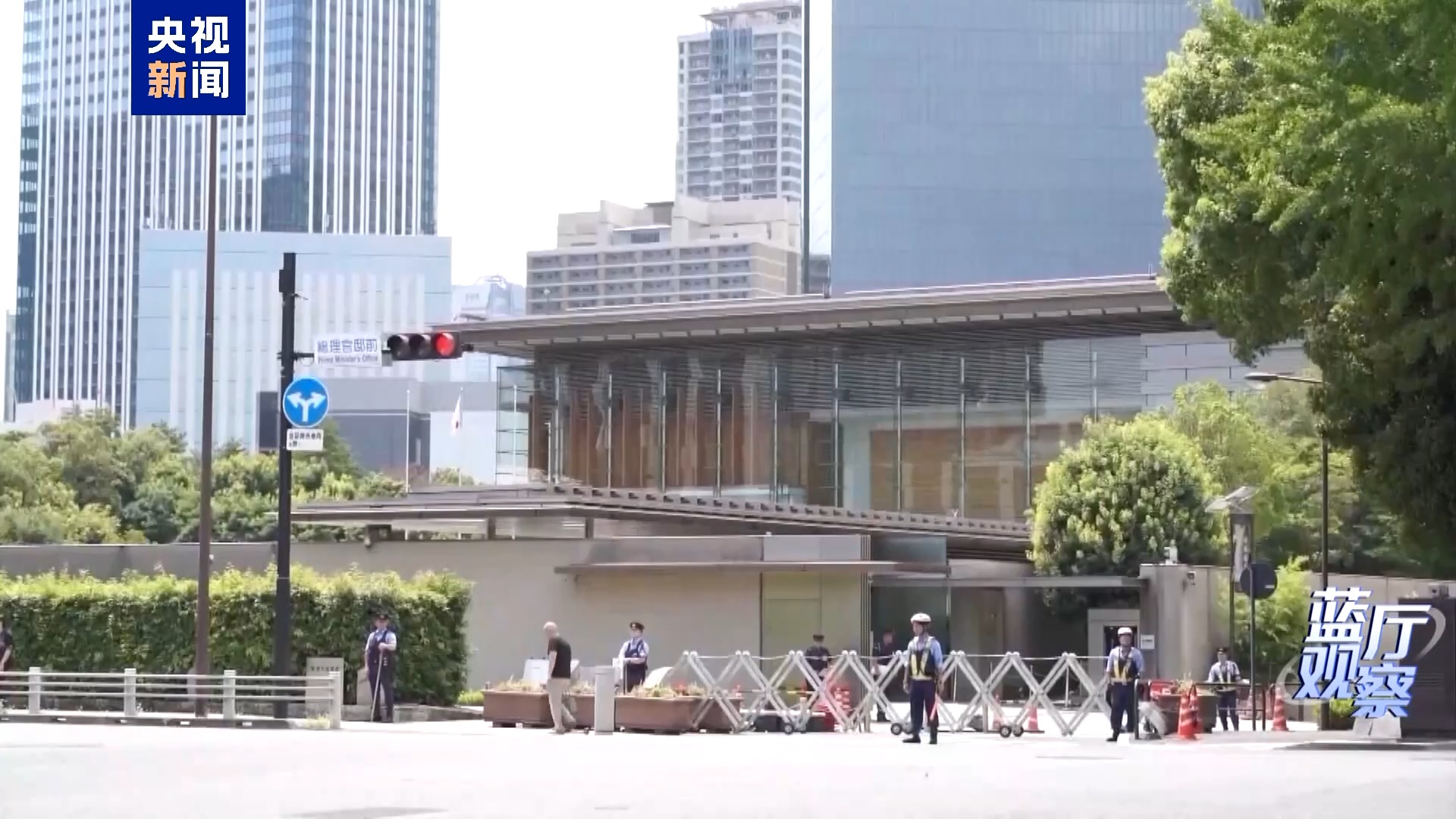
日本防卫费连年上涨,强军扩武路上狂奔
Xin Lang Cai Jing· 2025-12-27 11:29
Core Viewpoint - The Japanese government has approved a record defense budget exceeding 9 trillion yen for the fiscal year 2026, reflecting a significant increase in military spending and a shift towards a more offensive military strategy [1][3]. Group 1: Defense Budget Overview - Japan's defense budget has consistently surpassed 6 trillion yen, 7 trillion yen, 8 trillion yen, and now 9 trillion yen in recent fiscal years, indicating a rapid escalation in military expenditure [1]. - The proportion of defense spending in Japan's GDP has risen sharply from 1.19% to 2% from fiscal year 2023 to 2025, aligning with NATO standards for military spending [3]. Group 2: Allocation of Defense Spending - The increased defense budget is primarily allocated towards developing medium- and long-range missiles capable of striking enemy command centers, with plans to extend missile ranges to over 1,000 kilometers and budget for at least 1,000 missiles [5]. - Japan is collaborating with the United States to develop hypersonic glide weapons, with some projects already nearing operational readiness [5]. - The budget also supports the production of advanced military equipment, including deep-sea submarines and space weapons, emphasizing a shift towards unmanned combat capabilities [5]. Group 3: Strategic Implications - The Japanese government is moving away from its "defensive" posture towards a more aggressive military strategy aimed at deterring China, which poses potential threats to regional security [5]. - The current administration under Prime Minister Kishi has accelerated military expansion efforts, including potential revisions to arms export policies and nuclear principles, indicating a significant shift in Japan's defense posture [7][9]. - This aggressive military stance has raised concerns among the Japanese public and opposition parties, suggesting potential negative impacts on the economy and civilian life [9].
环球时报社评:军费狂飙,日本“新军国主义”加速显形
Xin Lang Cai Jing· 2025-12-27 00:11
Core Viewpoint - Japan's defense budget for fiscal year 2026 has been approved at a record high of 9.0353 trillion yen, marking the 14th consecutive year of military spending increases, reflecting a shift towards a more aggressive military posture [1][2]. Group 1: Defense Budget and Military Strategy - The approved defense budget is only the initial figure, with total defense spending expected to reach approximately 11 trillion yen by the end of 2025, accounting for 2% of GDP [1]. - Japan is moving away from its post-war pacifism, undermining the "self-defense" principle and Article 9 of its constitution, transitioning towards a "capable military nation" [1][2]. - The budget emphasizes offensive capabilities, focusing on long-range strike capabilities, enhancement of air and naval forces, and deployment in the southwestern islands [1][2]. Group 2: Shift in Military Doctrine - Japan's military strategy is shifting from passive defense to proactive deterrence, enabling preemptive military actions [2]. - The deployment of long-range missiles and military assets in the southwestern islands indicates a fundamental change in the nature of Japan's Self-Defense Forces [2]. - Japan's ambitions in space and cyber capabilities are expanding, with increased investment in space and plans to establish an "Aerospace Self-Defense Force" [2]. Group 3: Historical Context and International Implications - Japan's current military expansion contradicts post-war commitments and legal frameworks aimed at preventing militarism, as outlined in documents like the Potsdam Declaration [3]. - The rise in military spending and offensive weaponry raises concerns about Japan's international reputation and its potential to create security anxieties in the region [3]. - The narrative of "China threat" propagated by Japanese right-wing forces is reminiscent of pre-war militaristic rhetoric, indicating a strategic shift towards militarism [3]. Group 4: Regional Stability Concerns - Japan's militaristic path poses risks not only to its own future but also to peace and stability in East Asia [4]. - The choice facing Japan is whether to return to peaceful development or continue challenging regional order through militarization [4].