毒品恐怖主义

Search documents
美国强掳马杜罗,花了30亿美元
第一财经· 2026-02-16 08:16
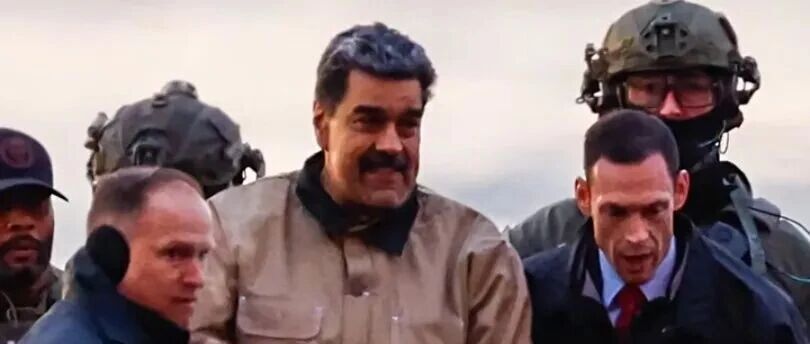
2026.01. 11 来源 | 长安街知事、央视新闻 封图来源 | 新华社 1月3日,美军对委内瑞拉发动大规模军事打击,掳走马杜罗夫妇。 据央视新闻2月13日消息,有知情人士透露,在此次行动中,美军使用了美国一家公司推出的人工 智能模型"克劳德"。此前,美国总统特朗普也曾承认 使用了一种神秘武器。 特朗普政府还吹嘘此次行动"简洁而周密",然而这简单的5个字背后,则是 一笔耗资近30亿美元的 计划 。 美媒2月14日曝光的数据显示, 美国海军为 委内瑞拉周边地区展开的军事行动, 投入了近五分之 一的水面舰队,每天的花费超过2000万美元。 去年以来,美军以打击"毒品恐怖主义"为由,在委内瑞拉附近海域部署了航空母舰、核潜艇、隐形 战斗机等大规模兵力。 有分析指出, 自2025年8月以来,包括"绝对决心行动"在内的"南方之矛行动"的总耗资可能已达约 20亿美元,这一数字还 未涵盖情报或目标锁定成本,包括网络支援和行动演练。 报道称,一个较难量化的成本是, 这些舰艇和飞机无法用于其他地区行动所带来的影响。 "福 特"号航母被调往加勒比海时, 正处于地中海部署期间,两栖戒备群原本计划部署至欧洲...... 据报道,彭 ...

瑞士学者:美国杜撰“毒品恐怖主义”概念为打击委内瑞拉辩护
Xin Hua Wang· 2026-01-16 13:29
Core Viewpoint - The article argues that the concept of "drug terrorism" does not exist in international law, and the U.S. military actions against Venezuela, including the capture of President Maduro, are violations of the United Nations Charter and international customary law [1][2] Group 1: U.S. Military Actions - The U.S. President Trump claims that the capture of Maduro is to protect the U.S. from "drug terrorism," which is described as a fabricated concept without legal standing in international law [1] - This is not the first instance of the U.S. violating international law; previous military actions include the invasions of Afghanistan in 2001 and Iraq in 2003, which also contravened international law [1] - The U.S. has a history of forcibly controlling foreign leaders, with a notable example being the invasion of Panama in 1989 and the subsequent capture of leader Noriega [1] Group 2: Implications of U.S. Actions - The recent military action by the U.S. has created a general atmosphere of uncertainty and continues the Monroe Doctrine, which places Latin America within the U.S. sphere of influence [2] - There is a possibility that the U.S. may undertake further military interventions in the region as a result of this action [2]
与马杜罗关押在同一地点,委内瑞拉前情报主管或成美政府“关键证人”
Huan Qiu Shi Bao· 2026-01-06 22:56
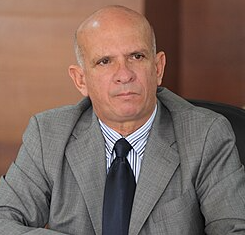
Core Viewpoint - Hugo Carvajal, former head of Venezuela's military intelligence, may become a key witness for the U.S. against President Maduro, having previously admitted to drug trafficking and seeking a reduced sentence, though no formal agreement with U.S. authorities has been reached [1][3]. Group 1: Background on Carvajal - Carvajal, known as "Chicken," served as the head of military intelligence from 2004 to 2009 and was trusted by the late President Hugo Chávez, giving him access to core government operations [3]. - He has been described as an "information treasure" by a U.S. official, having been arrested multiple times and pleading guilty in June 2025 to charges including "drug terrorism, arms, and drug trafficking" [3]. Group 2: Current Legal Situation - Carvajal is currently detained in the Metropolitan Detention Center in Brooklyn, New York, alongside Maduro, and has expressed interest in cooperating with U.S. authorities due to the possibility of a life sentence next month [3][4]. - Former U.S. federal prosecutor Rahmani indicated that Carvajal fits the profile of a witness the prosecution would choose, suggesting that his cooperation could significantly reduce his sentence [3]. Group 3: Potential Testimony and Implications - Carvajal claims to possess detailed information about "criminal organizations" linked to the Venezuelan government and is willing to provide further documents and testimony [4]. - He has been under U.S. scrutiny since 2008 for allegedly facilitating the smuggling of large quantities of cocaine from Venezuela to Mexico, which subsequently entered the U.S. [4]. - Carvajal's involvement in a drug trafficking network known as "Cartel of the Sun" alongside other Venezuelan officials and Colombian armed groups has been noted, although Latin American media has not extensively covered this [4].
视频丨专家:美对委袭击是“头疼医脚”“内病外治”
Xin Lang Cai Jing· 2026-01-06 15:26
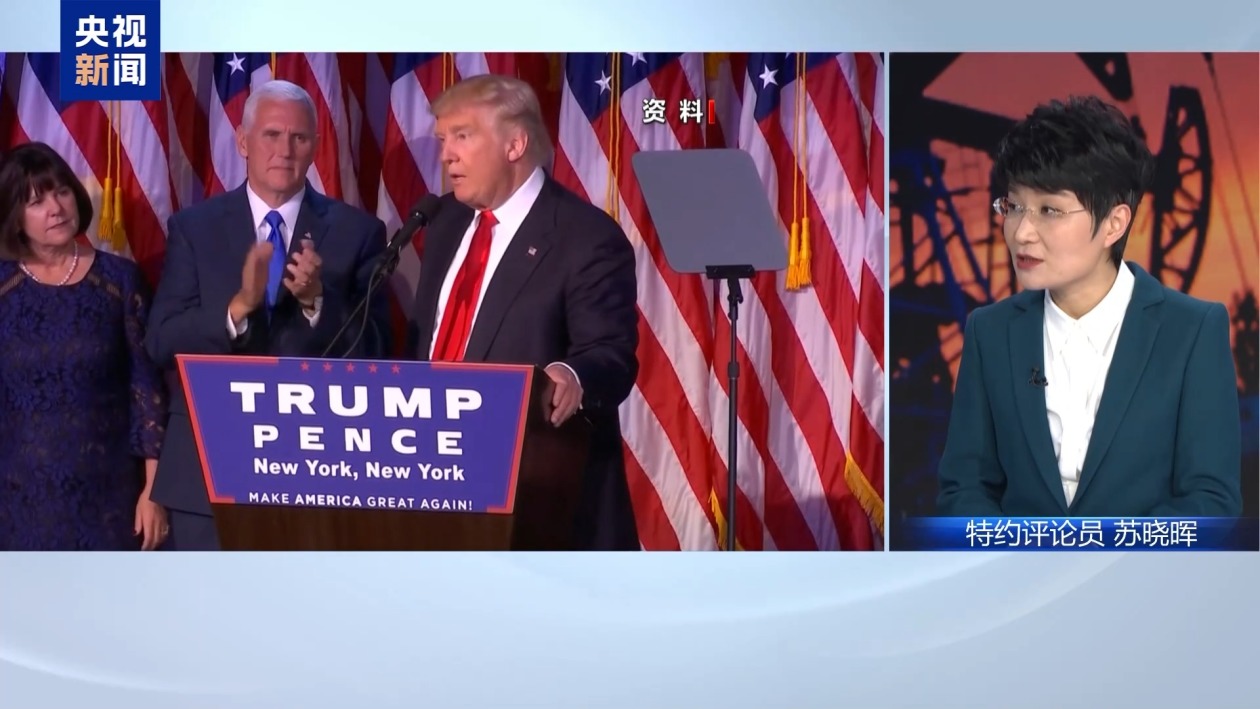
Group 1 - The core viewpoint of the article highlights the aggressive shift in U.S. policy towards Venezuela, marked by military action and the forced removal of President Maduro, contradicting previous claims of non-interventionism [1] - The U.S. government's recent military actions are seen as a response to domestic political agendas, particularly with midterm elections approaching, showcasing military capability and addressing issues like drug control and border security [5][3] - There is a prevailing narrative within the U.S. government that links drug-related issues to national security, using Venezuela as a scapegoat to divert attention from domestic economic problems such as inflation and rising living costs [9][11] Group 2 - The article discusses the internal divisions within the U.S. government regarding the use of extreme measures against Venezuela, with hardline voices gaining prominence, indicating a shift towards a more aggressive foreign policy [3] - The military action against Venezuela is framed as a strategy of "treating external symptoms for internal ailments," suggesting that the U.S. is attempting to address its own domestic issues by projecting them onto foreign nations [7][9] - Experts suggest that the U.S. government's narrative of "drug terrorism" serves to distract the public from unresolved domestic challenges, particularly the ongoing drug crisis and economic difficulties [9][11]
专家:美对委袭击是“头疼医脚”“内病外治”
Yang Shi Xin Wen Ke Hu Duan· 2026-01-06 08:19
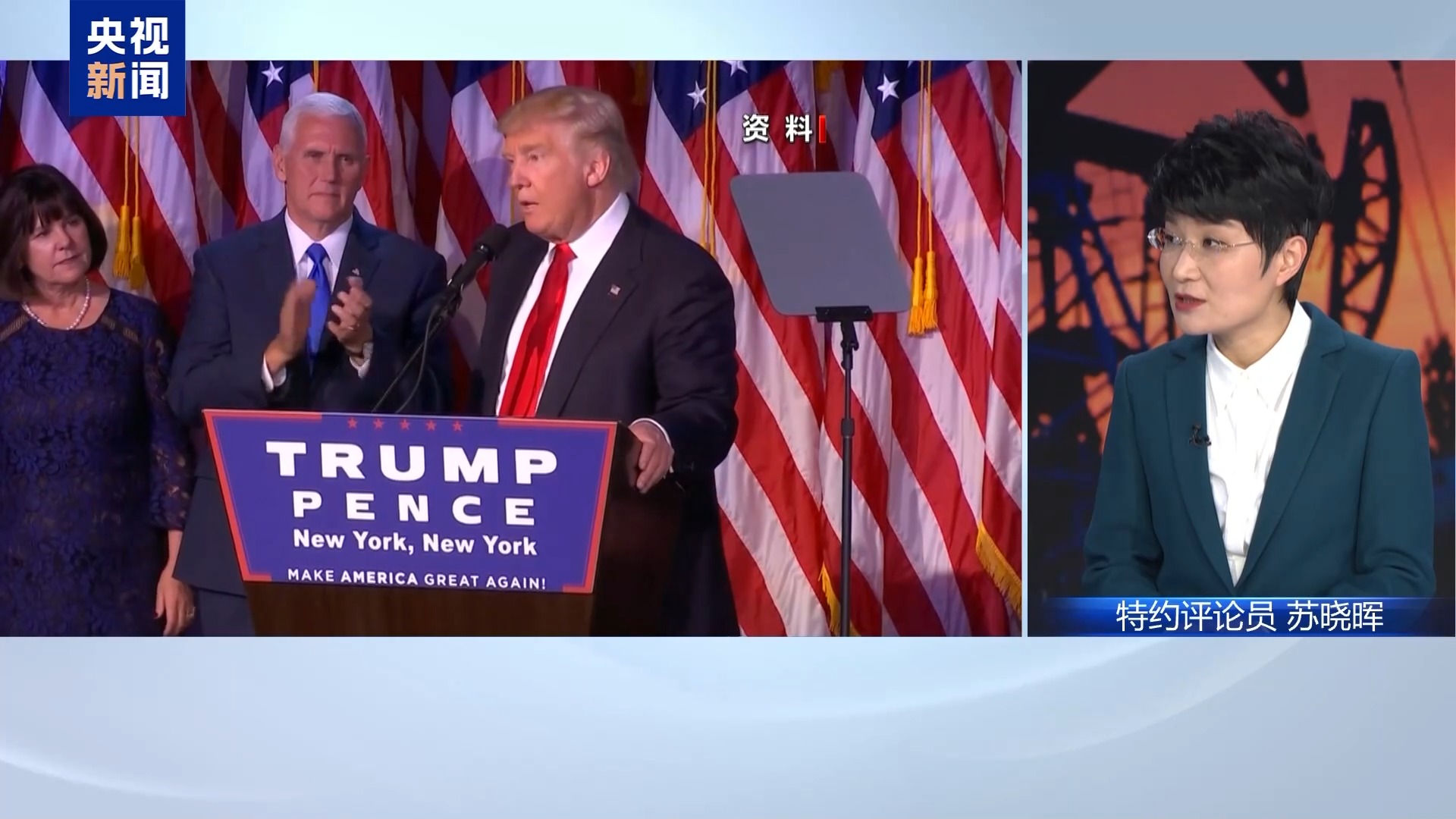
Core Viewpoint - The recent military action by the United States against Venezuela, including the forced removal of President Maduro, contradicts the government's previous stance of non-intervention in foreign regimes, indicating a shift towards a more aggressive foreign policy aimed at achieving geopolitical objectives [1][3]. Group 1: U.S. Military Action and Domestic Politics - The military action reflects a dominant aggressive stance within U.S. political circles, with a shift towards more extreme measures being supported by key figures in the government [3]. - The timing of the military action is linked to the upcoming midterm elections, suggesting that it serves to demonstrate military capability and address domestic political agendas, including issues like drug control and border security [5]. - The U.S. government's approach is seen as a response to internal political pressures, with military actions being framed as necessary for addressing domestic concerns [5][8]. Group 2: Narrative and Public Perception - The U.S. government has been systematically promoting a narrative of "drug terrorism" to justify its actions, which is perceived as a strategy to shift focus away from unresolved domestic issues such as drug addiction and inflation [10][12]. - Polls indicate that American citizens are more concerned with immigration and inflation, suggesting that the military action against Venezuela may be an attempt to divert attention from these pressing domestic issues [8][12]. - The strategy of "externalizing" domestic problems is viewed as a way to mask the government's failures in managing economic challenges and rising living costs [10][12].
强掳马杜罗意欲何为
Xin Lang Cai Jing· 2026-01-04 16:56
Group 1 - The U.S. government has conducted a large-scale military operation against Venezuela, aiming to capture President Maduro and remove him from power, with a bounty of $50 million placed on him [2] - The U.S. has accused Maduro of drug-related crimes, including "drug trafficking conspiracy" and "terrorism conspiracy," with allegations dating back to 2020 [3] - The Venezuelan government claims that U.S. military actions are aimed at seizing its oil resources, which poses risks to global energy market stability [2] Group 2 - The legitimacy of Maduro's presidency is disputed by the U.S., which does not recognize the results of the upcoming 2024 presidential election as valid [5] - Venezuelan opposition figures are positioning themselves for a potential transition of power, with one candidate, currently in exile, being considered a legitimate president by the opposition [5] - The situation in Venezuela remains highly uncertain, with various factions preparing for a possible change in leadership [4][5]
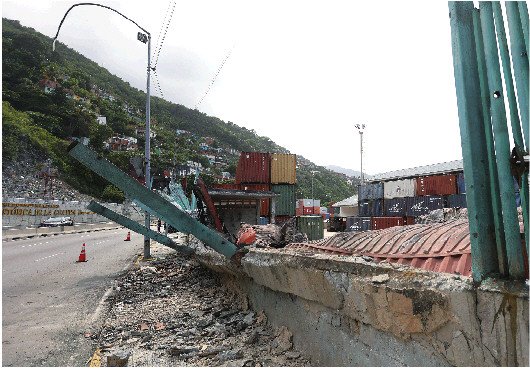
咋抓的 内线监视马杜罗4个月 瓦解防空系统 出动150架飞机
Xin Lang Cai Jing· 2026-01-04 16:56
Core Viewpoint - The U.S. military successfully executed a covert operation to capture Venezuelan President Nicolás Maduro and his wife, with President Trump announcing plans for U.S. management of Venezuela following their capture [3][7][14]. Group 1: Operation Details - The operation, named "Absolute Resolve," involved over 150 aircraft and was executed after months of intelligence gathering on Maduro's habits and movements [3][4]. - U.S. forces employed multi-layered operational support, including space and network communications, to ensure the success of the mission [4]. - The operation faced resistance, with U.S. helicopters coming under fire, but ultimately succeeded in capturing Maduro and his wife without significant casualties on the U.S. side [4][5]. Group 2: Political Implications - President Trump stated that Maduro and his wife would face trial in New York for allegedly engaging in "deadly drug terrorism" against the U.S. [7][14]. - Trump expressed skepticism about the ability of opposition leader María Corina Machado to govern Venezuela, indicating a lack of support for her among the Venezuelan populace [10]. - The U.S. plans to invest billions in Venezuela's oil infrastructure, despite maintaining a complete oil embargo against the country [10]. Group 3: Casualties and Reactions - Reports indicate that the U.S. airstrikes resulted in at least 40 deaths, including civilians and military personnel, with ongoing assessments of the situation [11][13]. - The Venezuelan government condemned the U.S. military actions, calling for adherence to the United Nations Charter [10][11]. - The Venezuelan Supreme Court appointed Vice President Delcy Rodríguez as acting president to ensure continuity of governance during Maduro's absence [14][16].
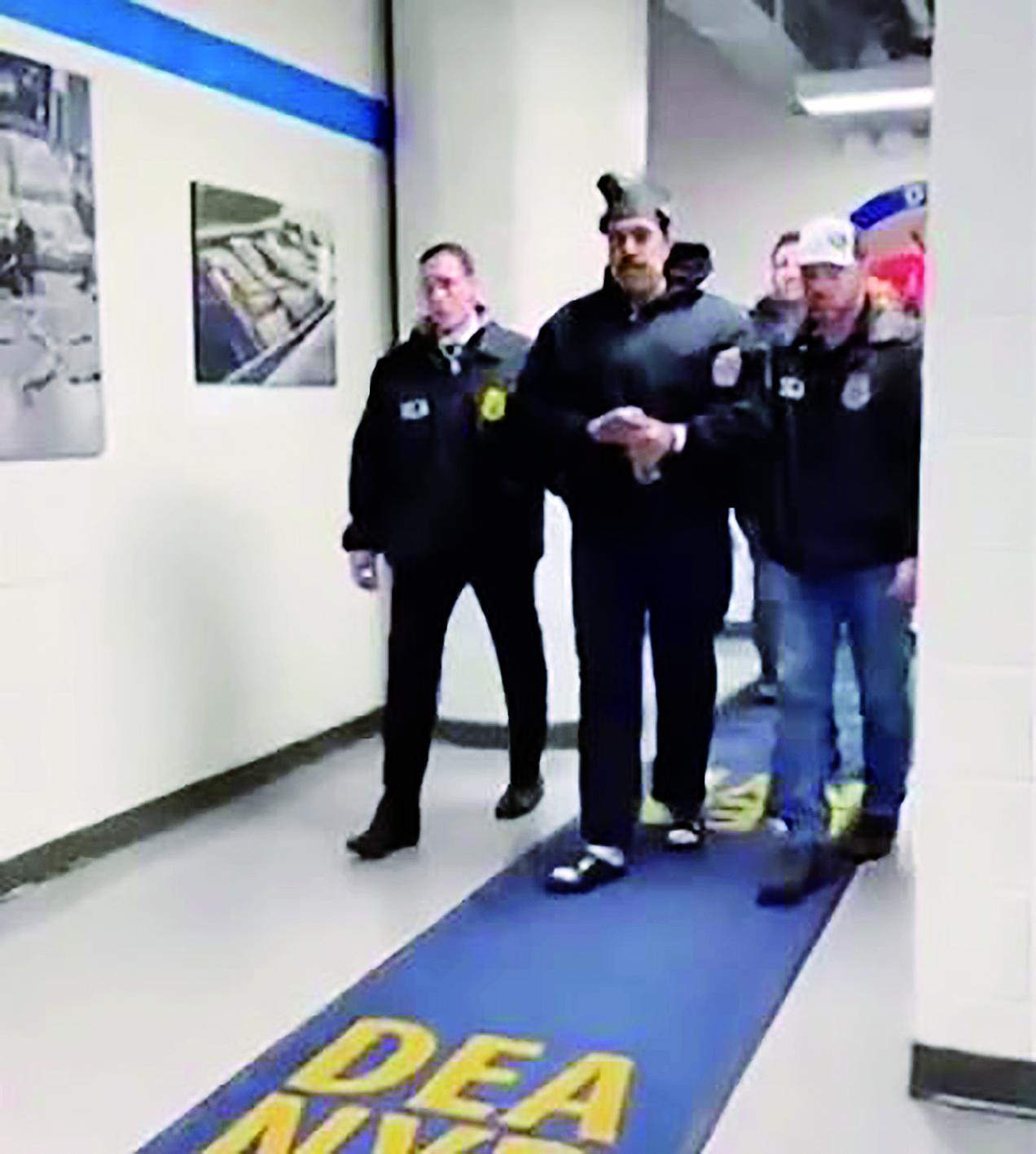
马杜罗:从公交车司机到查韦斯继任者,再到美国囚犯
美股IPO· 2026-01-04 16:03
Core Viewpoint - Nicolás Maduro, the former president of Venezuela, has been arrested by U.S. special forces on drug-related charges, marking a significant shift in his political trajectory after over 13 years in power. His leadership has been characterized by economic collapse and mass emigration of Venezuelans seeking better conditions abroad [3][10]. Background and Rise to Power - Maduro, born on November 23, 1962, began his political career as a student leader and later became a bus driver and union leader, gaining prominence as a loyal supporter of Hugo Chávez [3][5]. - He joined Chávez's political movement in the mid-1990s and quickly rose through the ranks, eventually becoming foreign minister and then vice president [5][7]. Presidency and Challenges - After Chávez's death in 2013, Maduro was elected president, but his tenure was immediately marred by crises, including violent protests and a significant loss of control in the National Assembly in 2015 [7][10]. - Maduro's government faced accusations of human rights violations and was investigated by the International Criminal Court for crimes against humanity due to the violent suppression of protests [8][10]. Economic Decline - By 2018, Venezuela's economy was in free fall, with hyperinflation and severe shortages of basic goods. Oil production plummeted to under 400,000 barrels per day, a drastic decline from previous levels [8][10]. Political Maneuvering - In the 2018 elections, Maduro faced little competition, and his legitimacy was questioned internationally as many countries refused to recognize the results [10][11]. - Despite international sanctions and internal opposition, Maduro managed to maintain power through military support and strategic political reforms, although these efforts were met with skepticism [10][11]. Recent Developments - Following the 2024 elections, Maduro was declared the winner, but opposition claims indicated he faced a significant defeat. Protests were met with repression, and he began a third presidential term amid escalating tensions with the U.S. [11][13]. - The situation intensified with the U.S. military presence in the Caribbean and aggressive actions against alleged drug trafficking, leading to a precarious position for Maduro's government [13].
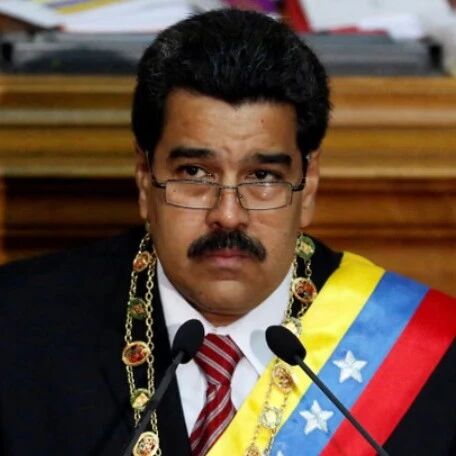
新华社:特朗普对委内瑞拉觊觎已久美国是推翻外国政府惯犯
Xin Lang Cai Jing· 2026-01-04 09:41
Core Viewpoint - The article discusses the recent announcement by former President Trump regarding a large-scale operation to capture Venezuelan President Maduro, highlighting the historical context of U.S. interventions in Venezuela and the motivations behind them, particularly related to Venezuela's natural resources [1] Group 1: U.S. Actions and Intentions - Trump announced a military operation to capture Maduro, indicating a long-standing interest in Venezuela's resources [1] - The U.S. Justice Department stated that Maduro would soon face trial in the U.S. [1] - Trump's previous attempts to overthrow Maduro during his first term were motivated by the potential economic benefits from Venezuela's oil reserves [1] Group 2: Legal and Military Context - Maduro and his wife were indicted in 2020 for allegedly leading a violent drug trafficking organization called "Sun Group" [1] - The U.S. designated both the "Sun Group" and Maduro's regime as foreign terrorist organizations in 2025 [1] - Reports indicate that there is no direct evidence linking Maduro to drug trafficking activities, with the primary sources of drugs entering the U.S. being from other regions [1] Group 3: Historical Precedents - The article draws parallels between the current situation and past U.S. interventions, specifically referencing the capture of former Panamanian leader Noriega on the same date in 1990 [1] - The U.S. military has conducted significant operations in the Caribbean under the guise of combating drug-related terrorism, resulting in numerous casualties [1]
美国强掳马杜罗 意欲何为?
Xin Hua She· 2026-01-04 02:10
Core Viewpoint - The U.S. government, under President Trump, has initiated a military operation against Venezuela, aiming to capture President Maduro and bring him to trial in the U.S. [1] Group 1: U.S. Actions and Intentions - Trump authorized the CIA to conduct secret operations in Venezuela, increasing the bounty for information leading to Maduro's capture to $50 million [1] - The U.S. military has deployed significant forces in the Caribbean, marking the largest military presence in the region in 30 years, under the pretext of combating "drug terrorism" [1] - The U.S. has imposed sanctions on Maduro's family and supporters, restricting oil tanker access to Venezuela and conducting maritime interceptions [1] - Analysts suggest that the U.S. military display and economic pressure aim to encourage Venezuelan elites to act against Maduro [2] Group 2: Charges Against Maduro - U.S. Attorney General announced charges against Maduro for "drug terrorism conspiracy, cocaine trafficking conspiracy, possession of machine guns and destructive devices, and conspiracy to possess machine guns and destructive devices against the U.S." [3] - Maduro and his wife were indicted in 2020 for allegedly controlling a violent drug trafficking organization known as the "Sun Group" [3] - Experts indicate that the "Sun Group" is not a well-organized entity but rather a term for Venezuelan officials involved in drug trafficking, with no direct evidence linking Maduro to drug smuggling activities [3] Group 3: Venezuelan Political Landscape - The future political situation in Venezuela remains uncertain, with the constitution stating that if the president is "absolutely absent," power transfers to the Vice President, who must call for elections within 30 days [5] - The U.S. does not recognize Maduro's legitimacy, citing the 2024 presidential election results as "illegal" [5] - Opposition leaders in Venezuela are positioning themselves for a potential transition, with one candidate, Edmundo González, being viewed as a legitimate president by some factions [5] Group 4: Historical Context of U.S. Interventions - The U.S. has a history of intervening in Latin American politics, often under the guise of combating drug trafficking, as seen in past actions against leaders like Manuel Noriega of Panama [7] - The U.S. has historically viewed Latin America as its "backyard," intervening in various countries for political and economic interests [7]