真实世界资产代币化(RWA)

Search documents
文旅卡牌“山河·青年”,要做数字世界的“良币”
3 6 Ke· 2025-12-17 08:02
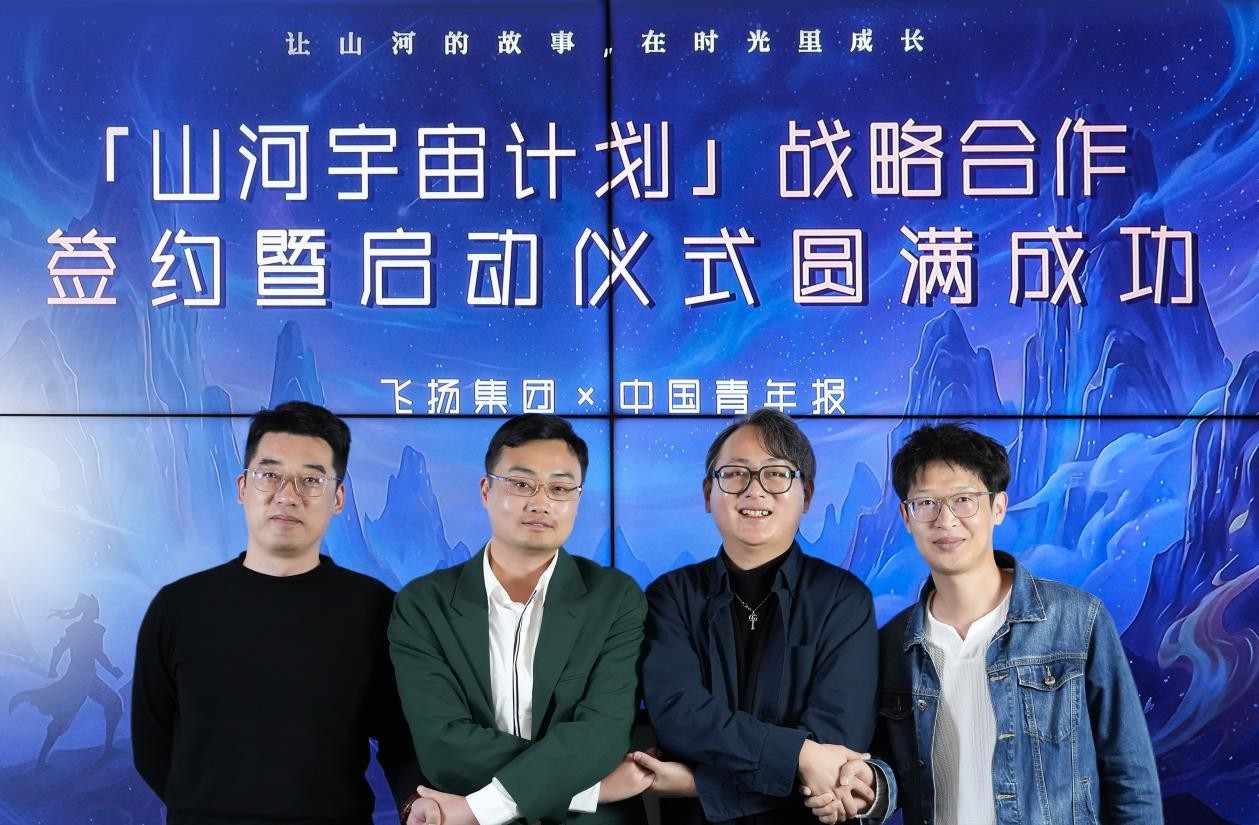
Core Insights - The article highlights the emergence of a new cultural business model in the card market, leveraging Chinese culture and tourism assets, amidst the backdrop of risks in the virtual currency world [1][3]. Industry Overview - The domestic card market in China is projected to reach 35 billion by 2027, with the entire Asian market expected to exceed 400 billion. Currently, China's market size is only 26.3 billion in 2024, indicating significant growth potential [3]. - The card business can achieve a gross margin of over 60% and a net profit of around 30%, providing substantial profit opportunities for participants in the ecosystem [3]. Company Initiatives - Feiyang Group has established a new subsidiary, Feiyou Travel Card, and launched the "Shanhe Universe Plan" in collaboration with China Youth Daily, aiming to create a new cultural commercial ecosystem through the "Shanhe·Youth" card series [1][3]. - The project will design anthropomorphized characters representing the cultural traits of 34 provincial-level administrative regions in China, moving away from reliance on single IPs to build a culturally resonant open worldview [7][8]. Project Features - The project plans to invest a multi-million co-creation fund to invite designers, content creators, and streamers to participate, ensuring a vibrant ecosystem through shared growth benefits [7][8]. - The cards will incorporate a value of 100 million in Feiyang travel points, which can be redeemed for travel products, enhancing their utility beyond mere collectibles [8][10]. Market Challenges - The current market is characterized by a mix of quality, with many products lacking cultural depth and relying on short-term IP trends, which poses a risk of market degradation [6][15]. - The project aims to counteract this by establishing itself as a "good currency" in the market, focusing on sustainable cultural output rather than short-term speculation [6][15]. Future Outlook - The "Shanhe Universe Plan" aims to create a sustainable cultural ecosystem that can engage with global mainstream culture, addressing the gap in the card market dominated by foreign cultural symbols [12][13]. - The project envisions a long-term impact on the valuation and financing of tourism projects through the data and cultural influence generated by the card ecosystem [11][16].

从TVB到WEB3.0壳王在想什么:德祥x瑞凯背后的战略重构逻辑
3 6 Ke· 2025-11-25 08:57
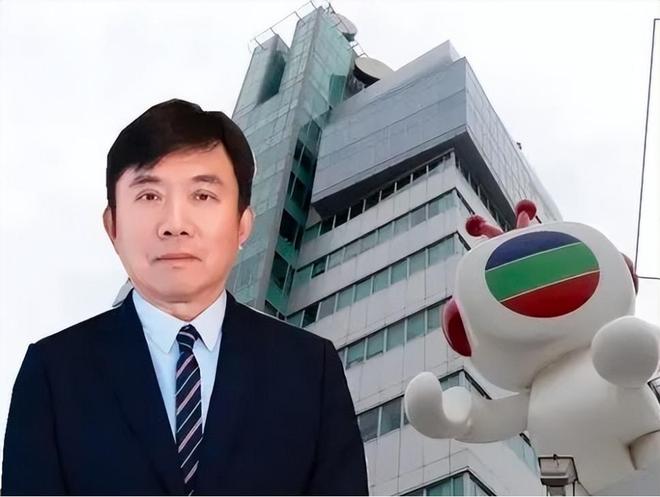
Core Viewpoint - The article highlights the strategic move by Chen Guoqiang, a prominent figure in Hong Kong's capital market, to introduce Reynold Lemkins Group as a strategic investor in his last listed company, Dixiang Real Estate, marking a significant shift towards embracing the Web3 revolution in Hong Kong's old-money capital landscape [1][5]. Group 1: Background of Chen Guoqiang - Chen Guoqiang, known as the "shell king," built his wealth during Hong Kong's real estate boom, initially serving as a contractor for Li Ka-shing's projects, which laid the foundation for his extensive capital operations [3][4]. - His transition from real estate to capital markets in the 1990s involved acquiring underperforming listed companies, revitalizing them through asset injection or strategic partnerships, and selling them at a profit [3][4]. Group 2: Recent Developments - The recent announcement of Dixiang Real Estate issuing new shares to Reynold Lemkins Group at a price of HKD 0.70 per share, representing a 17.45% discount to the average price over the past five trading days, indicates a strategic partnership rather than a mere financing effort [5][6]. - The involvement of Huaxing Capital as the exclusive financial advisor adds a layer of significance to the transaction, reflecting the evolving landscape of Hong Kong's capital market [8]. Group 3: Transaction Structure and Implications - The issuance of new shares to Reynold Lemkins Group, allowing them to hold 10% of Dixiang Real Estate, is seen as a strategic move to position for future control rather than a simple capital increase [9][12]. - The funds raised will be directed towards integrating real estate with Web3 technologies, including the development of digital infrastructure and the tokenization of real-world assets (RWA), indicating a forward-looking strategy [10][14]. Group 4: Future Outlook - The transaction is viewed as the beginning of a broader strategy to reshape Dixiang Real Estate's governance and operational focus, with potential for further investment and restructuring in the coming years [12][13]. - The collaboration between traditional real estate resources and new investment strategies in the Web3 space could position Dixiang Real Estate as a leader in the evolving landscape of real estate and technology integration [14].
RWAC公链丨技术与机制创新
Sou Hu Cai Jing· 2025-11-24 17:10
Core Insights - The emergence of Real World Asset (RWA) tokenization is not coincidental but is based on a complete technical system of "data assetization - blockchain mapping - compliant circulation" [1] - Successful RWA projects follow a core logic of "five-layer technical architecture + three-tier trust mechanism," enabling tangible assets to achieve credible circulation in the digital world [1] Technical Architecture - The five-layer technical architecture supports the entire asset tokenization process, starting with the data asset layer, which is the source of value and requires the selection of "verifiable, measurable, tradable, and valuable" data resources [3] - Examples include the Nanjing "Zhongwang Charging・Qingneng Rights Badge" project, which secured charging pile operation data at the Shanghai Data Exchange to lay a compliant foundation for subsequent tokenization [3] - The blockchain infrastructure layer uses hashing algorithms and timestamp technology to map physical assets into digital certificates on the blockchain, ensuring immutable records of asset ownership [3] - The tokenization and stablecoin layer is responsible for converting digital certificates into standardized tokens or stablecoins pegged to fiat currencies, addressing asset pricing and circulation uniformity [3] - The application service layer provides customized tools for different scenarios, such as profit-sharing systems for real estate tokenization and financing platforms for supply chain assets [3] - The regulatory compliance layer ensures full-process compliance and transparency by automatically executing KYC/AML rules through smart contracts and connecting with regulatory nodes [3] Trust Mechanism - The trust mechanism is a core barrier for RWA implementation, with successful projects typically establishing a "legal confirmation + independent audit + professional custody" three-tier guarantee [4] - Legally, a rigorous legal structure is required to clarify the rights correspondence between on-chain tokens and offline assets, ensuring legal protection for token holders [4] - The auditing aspect involves engaging international authoritative institutions for regular checks to verify the sufficient correspondence between on-chain tokens and underlying assets, eliminating information asymmetry [4] - The custody aspect involves collaboration with professional institutions to achieve asset isolation, preventing operational risks from affecting underlying assets, as seen with VITAKIN storing physical gold with a Swiss gold bank for asset security [4] - The core logic of RWA is to "transmit trust from physical assets to the digital world without loss," demonstrated through various projects that address trust, efficiency, and barriers in traditional asset circulation [4]
德林控股:加州超豪华地产项目ONE Carmel获批销售许可
Zheng Quan Shi Bao Wang· 2025-11-17 09:42
Core Insights - The ONE Carmel project has officially entered the compliance sales phase after receiving the FINAL SUBDIVISION PUBLIC REPORT from the California Department of Real Estate, marking a significant milestone in its eight-year development journey [1] - The land valuation of the ONE Carmel project has exceeded $200 million (approximately HKD 1.56 billion), with the total project value surpassing $2 billion (approximately HKD 15.6 billion) following the issuance of the sales permit [1] Group 1 - The project is located in Monterey County, California, covering an area of 891 acres (approximately 3.6 square kilometers) and plans to develop 73 custom lots with an average lot size of about 4.38 acres [1] - The issuance of the white paper indicates that the project has completed a comprehensive review by the government regarding land planning, infrastructure, owner rights protection, and financial supervision systems [1] Group 2 - The project will focus on advancing the infrastructure and community entrance public facilities for the first phase of 36 lots, expected to be completed by the end of 2026, while also initiating the design and construction of model homes and wellness club facilities [2] - The company has launched a Real World Asset Tokenization (RWA) plan for the ONE Carmel project, converting its $40 million (approximately HKD 312 million) equity into digital tokens using blockchain technology, which aims to provide special dividend distributions to shareholders and innovate the integration of premium real estate with digital finance [2]
德林控股启动美国房地产项目RWA计划
Zheng Quan Shi Bao Wang· 2025-10-13 13:58
Group 1 - The core announcement is that Derlin Holdings (01709.HK) has initiated a Real World Asset (RWA) tokenization plan for its ONE Carmel project in the U.S., converting $40 million (approximately HKD 312 million) of equity into digital tokens via blockchain technology [1] - The ONE Carmel project is a luxury residential development located in Carmel Valley, Monterey County, California, covering 891 acres (approximately 3.6 square kilometers) and featuring 66 ultra-modern villas with high-end amenities [1] - The project is strategically located between San Francisco and Los Angeles, just 1.5 hours from Silicon Valley, enhancing its investment appeal [1] Group 2 - The announcement provides details on a previous transaction from September 16, where Derlin Holdings increased its stake in ONE Carmel, acquiring approximately 13.12% of the expanded B-class membership rights for about $10.32 million (approximately HKD 80.52 million) [2] - The market value of the ONE Carmel property is estimated to reach approximately $111.3 million by March 31, 2025, with a projected total value of $1 billion (approximately HKD 7.8 billion) upon completion [2] - The valuation was conducted by a chartered surveyor with over 27 years of global valuation experience, ensuring the professionalism and fairness of the assessment [2]
疯狂的赴港RWA:融资还是“融势”?
Di Yi Cai Jing· 2025-10-09 12:20
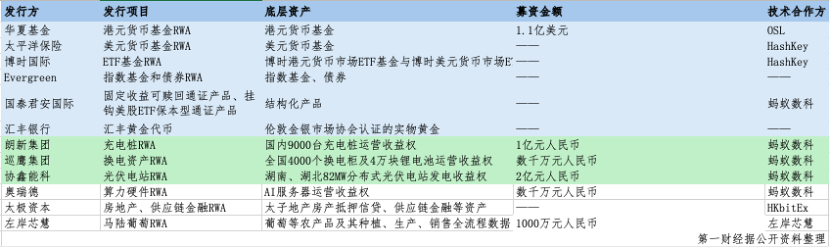
Core Insights - The article discusses the rising trend of Real World Assets (RWA) tokenization in the Greater Bay Area, highlighting its potential benefits and challenges for companies seeking to leverage this new financing model [1][2][4]. RWA Overview - RWA refers to the tokenization of real-world assets into tradable digital asset certificates using blockchain technology, with over 13 institutions exploring this model in the past two years [1][2]. - Major companies involved include Langxin Group, Huaxia Fund, and Pacific Insurance, with underlying assets ranging from renewable energy equipment to agricultural products [1][2]. Market Dynamics - The demand for RWA consulting services has surged, with companies increasingly recognizing the multifaceted value of RWA beyond mere financing, such as brand exposure and potential stock price enhancement [1][2][8]. - Successful RWA projects have raised between tens of millions to 200 million RMB, primarily targeting institutional or professional investors due to regulatory requirements [2][3]. Financial Implications - The total costs for issuing RWA projects in Hong Kong typically exceed 2.5 million HKD, with additional commitments to provide returns of over 8% for non-standard assets [6][7]. - Despite the high costs, companies are motivated by the potential for "market value management," where RWA initiatives can lead to significant stock price increases [8][9]. Regulatory Environment - The RWA market is still navigating a complex regulatory landscape, with ongoing discussions about the need for clearer guidelines and compliance frameworks [12][13][14]. - The Hong Kong Monetary Authority has identified specific asset categories suitable for RWA, emphasizing the importance of stable cash flows and clear legal rights [10][11]. Future Prospects - The global market for RWA is projected to exceed 10 trillion USD by 2030, with significant growth potential driven by advancements in blockchain technology and increasing interest from companies [4][5]. - RWA is seen as a potential avenue for Chinese companies to return to the Hong Kong market, offering a more flexible and faster alternative to traditional secondary listings [16][17].
OKX创始人:金融的未来不在保险库里
Xin Lang Ke Ji· 2025-10-04 06:51
Core Insights - The Token2049 event in Asia highlighted the future of finance as being user-controlled through blockchain technology, moving away from traditional institutional asset custody [1] - Star Xu, CEO of OKX, emphasized that the future of finance will see various assets, including bonds and real-world assets, gradually migrating to the blockchain [1] - The current significant on-chain assets are stablecoins, with USDT and USDC becoming new channels for cross-border payments, surpassing traditional banking in some emerging markets [1] Group 1 - The next era of finance will be characterized by users truly controlling their assets on-chain rather than relying on institutions [1] - The infrastructure for on-chain finance is now fully prepared, paralleling the transition from a closed to an open internet [1] - The tokenization of real-world assets (RWA) is a tangible manifestation of the trend towards "everything on-chain" [1] Group 2 - Key technical challenges such as "transaction efficiency" and "scalability" must be addressed for the "everything on-chain" vision to be realized [1] - OKX aims to adhere to decentralized principles and promote the development of Web3 and the on-chain future [1] - The Token2049 summit attracted over 25,000 participants and more than 500 exhibitors from the global crypto industry [2]
OKX视角下的Web3新周期:万物上链、资产自管与创新合规
3 6 Ke· 2025-10-03 13:55
Core Insights - The article emphasizes the emerging trend of "Everything Onchain," highlighting the shift towards decentralized asset management and the increasing importance of blockchain technology in financial systems [5][6][12]. Group 1: Industry Overview - Singapore is positioned as a crucial player in the global financial system, leveraging its robust business environment and regulatory framework to attract capital [3]. - The TOKEN2049 summit in Singapore gathered over 25,000 participants, showcasing the growing interest in Web3, DeFi, AI, and real-world asset (RWA) tokenization [3][17]. Group 2: Company Initiatives - OKX, as a leading cryptocurrency exchange, sponsored TOKEN2049 and its CEO, Star Xu, presented a vision for a future where users have true control over their assets through self-custody wallets [5][6]. - OKX announced a partnership with Grab to enable crypto payments for various services, indicating a practical application of "Everything Onchain" in everyday transactions [8][17]. Group 3: Technological Advancements - The concept of "Everything Onchain" extends beyond digital tokens to encompass the tokenization of various assets, including bonds and real-world assets, facilitated by advancements in blockchain technology [6][7]. - The infrastructure for on-chain finance is now capable of processing thousands of transactions per second, supporting the scalability of blockchain applications [7][16]. Group 4: Regulatory Landscape - The article notes the increasing regulatory acceptance of cryptocurrencies, with OKX obtaining licenses in multiple jurisdictions, including Singapore, Australia, and the EU [16][17]. - The establishment of a regulatory framework for stablecoins in the U.S. and Singapore reflects a broader trend towards compliance and legitimacy in the crypto industry [16][17]. Group 5: Future Outlook - The growth of the TOKEN2049 summit is indicative of the maturation of the blockchain industry, with expectations for continued innovation and integration of Web3 technologies into daily life [17]. - The article concludes that a new era in finance is beginning, driven by decentralized principles and the ongoing evolution of blockchain technology [18].
OKX视角下的Web3新周期:万物上链、资产自管与创新合规
36氪· 2025-10-03 13:37
Core Viewpoint - Singapore has established itself as a significant player in the global financial system, leveraging its favorable business environment and effective management to become a "safe haven" for global capital [1] Group 1: Event Overview - TOKEN2049 summit took place in Singapore, focusing on Web3, DeFi, AI, and RWA, attracting over 25,000 participants from around the world [1] - OKX was the main sponsor of the event, with its branding prominently displayed [3] Group 2: Key Themes from Star Xu's Speech - Star Xu emphasized that the future of finance lies in users truly controlling their assets on-chain rather than relying on institutions [5] - The concept of "Everything Onchain" extends beyond digital tokens and NFTs to encompass the tokenization of real-world assets, data, and identities [8] - Stablecoins like USDT and USDC are currently the most significant on-chain assets, facilitating cross-border payments and surpassing traditional banking channels in some emerging markets [9] Group 3: Technological Advancements - The infrastructure for on-chain finance is now robust, with Layer-1 blockchains processing thousands of transactions per second, and Layer-2 solutions handling tens of thousands [10] - OKX's partnership with Grab allows users to pay for services using cryptocurrencies, indicating the practical application of on-chain payments in everyday transactions [11] Group 4: Asset Management and Transparency - The importance of self-custody in asset management was highlighted, with a focus on user control over private keys to enhance security [19] - The rise of self-custody aligns with the fundamental principles of cryptocurrency, emphasizing the relationship between private keys and asset ownership [19] Group 5: Compliance and Regulation - The trend towards compliance in the cryptocurrency industry is growing, with OKX obtaining various licenses and adhering to regulatory standards [23] - The establishment of a regulatory framework for stablecoins in the U.S. and Singapore's new regulations for digital token service providers are pivotal for the industry's future [24] Group 6: Industry Growth Indicators - TOKEN2049's rapid growth from 7,000 participants in its first year to over 25,000 this year reflects the maturation of the blockchain industry [25] - The evolution of cryptocurrencies into more systematic and regulated entities marks a new era in finance, with Web3 technologies becoming increasingly integrated into daily life [25]

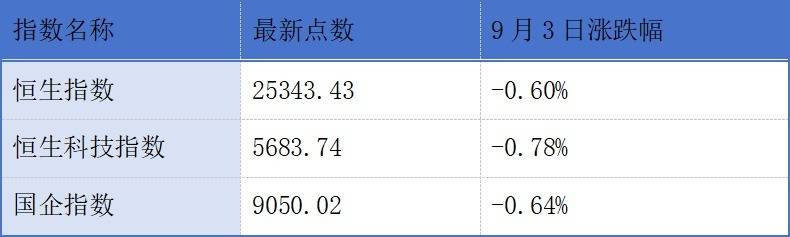
港交所谴责复宏汉霖擅改上市募资用途;华检医疗收购国富量子20.3%股权丨港交所早参
Sou Hu Cai Jing· 2025-09-03 15:36
Group 1 - Hong Kong Stock Exchange criticized Fuhong Hanlin for misusing IPO fundraising, highlighting governance and compliance issues [1] - Fuhong Hanlin's former CEO Liu Shigao was also reprimanded and required to undergo training [1] Group 2 - Xiansheng Pharmaceutical plans to raise approximately HKD 15.54 billion through a placement of 121 million shares at HKD 12.95 each, with about 90% allocated for R&D [2] - The funding will support clinical research for new drugs in China and the US, as well as expanding indications for approved innovative drugs [2] Group 3 - Huajian Medical announced the acquisition of a 20.31% stake in Guofu Quantum for approximately HKD 31.42 billion, making it the largest shareholder [3] - This acquisition is a strategic move to advance Huajian Medical's RWA (Real World Asset) tokenization initiative [3] Group 4 - Lighter Health Group submitted a prospectus for listing on the Hong Kong Stock Exchange, focusing on comprehensive health services and insurance solutions [4] - The company reported significant revenue growth from HKD 394 million in 2022 to HKD 945 million in 2024, but experienced a decline in gross margin from 82.6% to 38.3% [4]