
老年助餐服务

Search documents
送餐“父子兵”
Xin Lang Cai Jing· 2026-02-25 23:03
记者向陈倞(中)及其父亲(左)了解老年助餐服务情况。 清晨,江南雨丝绵密。还不到9点半,江苏省宜兴市周铁镇中新村的网格员陈倞已经骑上电动车,冲进 雨帘。脚踏板上的蓝色保温箱被雨衣罩着,记者坐在后座,不由得攥紧他的衣角,他扭头来了一 句:"坐稳了,咱们得快点儿,让爷爷奶奶们吃上热乎饭!" 电动车在湿滑的村道上驶过,雨点打在脸上凉凉的。没几分钟,车子拐进一条窄胡同。陈倞麻溜地下 车、取餐、敲响木门,声音透过雨声传进去:"亲娘(宜兴方言,指奶奶),我是小陈。饭来啦!今朝 有您最喜欢的红烧狮子头!" 门开了条缝,84岁的张奶奶探出头,笑得露出了仅剩的几颗牙。她先递出昨天洗干净的空餐盒,才接过 今天的午饭,握住陈倞湿漉漉的手:"落雨天,路上慢着点。" 看见记者,张奶奶怔了怔。听说是来采访老年送餐的,她那双布满老年斑的手颤巍巍地伸过来,一把握 住记者的手:"这饭香得很,都是托政府的福啊!" 这是陈倞回到村里的第六年,也是他和父亲老陈成为中新村"专属送餐员"的第1155天。三年多来,这对 父子送出的盒饭已超过2万份。 周铁镇老龄化程度较高,70岁以上老人超过1万名。"老年助餐"成了这里的民生大事。 "刚开始推行,最难的正是 ...


一口热乎饭 一老享安康
Xin Lang Cai Jing· 2026-02-24 20:22
(来源:内蒙古日报) 转自:内蒙古日报 □本报记者 李佳雨 在实现助餐服务全覆盖的基础上,通辽市进一步优化惠民餐厅布局,盘活街道养老服务中心、党群服务 中心等现有资源,通过科学选址优化服务半径,让老年人在家门口就能享受到便捷的助餐服务。春节期 间,全市部分惠民餐厅照常营业,不少餐厅还精心准备了寓意吉祥的春节特色菜品,让城乡老年人在享 用"暖心饭"的同时,沉浸式感受新春佳节的喜庆氛围。 让惠民餐厅扎根基层、长效运转,离不开创新运营模式的有力加持。库伦旗马家洼子村以"党建+志 愿"模式为老服务,村党支部牵头建设餐厅,村"两委"班子带头运营,大学生志愿者组成服务队,不仅 承担做饭任务,春节期间还为独居、空巢老人提供上门送餐、陪伴聊天、贴春联等暖心服务,让农村互 助养老更有温度;科尔沁区培育"稻厨娘"等本土餐饮品牌,以专业化、连锁化运营提升餐品质量,春节 期间推出"福寿套餐""团圆小份菜",让老年餐透着浓浓的年味儿。 科技赋能与政策兜底,让助餐服务更贴心、更踏实。通辽市民政局联合金融部门,为全市所有惠民餐厅 免费安装智慧助餐终端,老年人无需携带证件、记忆密码,刷脸即可完成结账、享受补贴,系统还能根 据老人健康数据推荐 ...
淘宝闪购连续第三年开展“春节不打烊”老年助餐行动
Huan Qiu Wang· 2026-02-14 07:15
"大年夜当天吃上热饺子,对很多中国人来说是一种仪式感,为老人们守住这份年味,也是为自己一整 年的送餐划上很有意义的句号。"已经报名参与配送的骑士小余表示。 在上海,除了针对困难老人的春节保障配送之外,AI技术也加入到了春节的老年助餐服务中。2月6 日,普陀区万里街道与淘宝闪购、乐扬公益、长者科技、万志公益启动了"AI+老年助餐"试点,向街道 内100位老年人发放"万里AI老年助餐体验券",邀请他们通过千问APP、天猫精灵等智能终端,以语音 方式便捷点餐。谢阿姨用上海话"指挥"千问APP购买了一份坚果礼盒,30分钟不到,就由骑士为她送货 上门。这一试点让很多不擅长操作手机的老人,开启了拥抱智能生活的新篇章。 淘宝闪购已系统性开展老年助餐服务近3年,在全国范围内每天为超过4000名出门不便的老人送餐上 门,累计已服务超过110万人次。在春节这样的特殊节点,淘宝闪购每年都会至少提前一个月与民政部 门、街道、社区食堂、公益组织一同筹备、统计节日期间的送餐需求与供给,并在原有服务基础上进一 步优化配送保障,让老人安心过好年。 在北京市西城区民政局的统筹下,淘宝闪购携手西城区养老助餐服务协会以及北京华天旗下的多家爱心 餐 ...


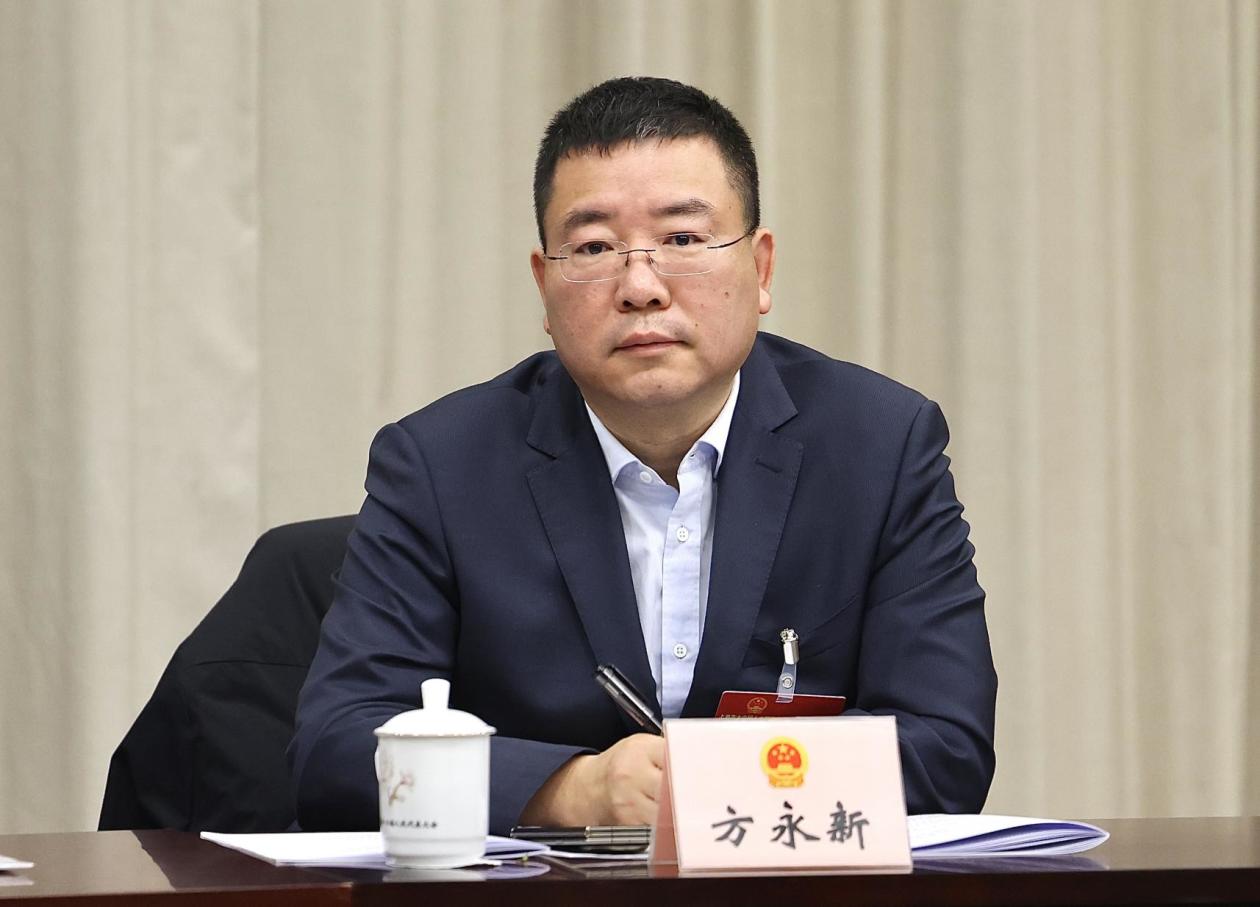
方永新:以政企协同、标准引领、AI赋能,让老年助餐从“有”向“优”跃升
Huan Qiu Wang· 2026-02-04 06:07
《标准》中的内容都源于一线真实场景,"熟人配送"模式已帮助多名突发疾病的独居老人"化险为夷"。在上海普陀区,淘宝闪购率先在民政部门指导下组建 由党员、退役军人组成的"助老专送队"。包括上海的刘壮壮、杭州的王豪飞在内的送餐骑士多次在送餐中发现老人未及时应门后,及时联动社区完成施 救。"送餐即探视"已从温情故事转化为制度安排,织就一张覆盖社区的"安全守护网"。 方永新强调,可持续的助老服务离不开"公益心态、商业手法、科技力量"的深度融合。由中国老龄事业发展基金会、淘宝闪购、上海乐扬红树林慈善公益中 心共同发起的"社区老人送餐到家"公益行动,自2024年10月启动以来,已吸引25841家淘宝闪购平台的爱心商家参与,通过"每单捐2分钱"累计募集善款 185.5万元,为出门不便的老人提供了33.1万人次送餐补贴。三米粥铺、曼玲粥店等爱心品牌不仅持续捐赠,还在传统节日走进社区陪老人过节,让商业向善 落地生根。 面向未来,方永新特别呼吁:在大力发展人工智能的进程中,必须高度重视其在助老服务中的应用价值。"科技要讲效率,更要带温度。"他举例说,不擅长 操作手机的老人可以借助AI通过语音指令便捷点餐——"我有糖尿病,帮我点份软 ...
7个老年助餐服务点挂牌运营
Xin Lang Cai Jing· 2026-01-12 19:03
十师北屯市民政局相关负责人表示,将以此次老年助餐服务点挂牌运营为契机,持续完善服务网络布 局,丰富服务内容,提升服务质量,推动老年助餐服务可持续、规范化发展,让更多老年人享受到便 捷、实惠、安全的餐饮服务,不断提升老年群体的获得感、幸福感。 据介绍,为切实破解老年人"做饭难、吃饭愁"问题,2024年以来,十师北屯市通过统筹街道社区、养老 机构及第三方餐饮企业资源,支持推动现有场地进行适老化改造,高质量推进老年助餐服务点建设。经 过实地考察、资质审核、群众评议等多个环节严格筛选,最终确定并挂牌运营7个规范化老年助餐服务 点,初步构建起多元参与、布局合理的助餐服务体系。为让老年人得到实实在在的优惠,该师市同步实 施助餐补贴政策,对符合条件的老年人给予相应就餐补助,有效降低了老年人就餐成本,让惠民政策真 正落地见效。 北屯讯(通讯员 刘春燕 龚素梅) 近日,位于十师北屯市的北屯养老院、北屯康乐养老院、新疆北屯得 仁老年公寓、一八四团养老院、一八八团海川社区食堂、北屯市汉唐餐饮、北屯市怡香怡绝拌面王7个 老年助餐服务点相继挂牌运营。 ...
2026 启新
He Nan Ri Bao· 2026-01-01 23:30
Core Points - The article emphasizes the importance of legal reforms in response to societal needs and the evolving digital economy, highlighting new laws and regulations aimed at enhancing public welfare and economic development [1][4][6][13]. Group 1: New Laws and Regulations - The revised Cybersecurity Law, effective from January 1, 2026, addresses new risks in the digital economy, including algorithm security and data misuse, while enhancing personal information protection [3][4]. - The National Reading Promotion Regulation, effective from February 1, 2026, marks a shift towards legal support for nationwide reading initiatives, involving multiple stakeholders in its implementation [5][6]. - The revised Public Security Administration Punishment Law, effective from January 1, 2026, introduces regulations for new types of public safety violations and enhances citizen rights protection [8][9]. - The revised Civil Aviation Law, effective from July 1, 2026, focuses on strengthening safety in civil aviation and protecting passenger rights, particularly in the context of the growing use of drones [10][11]. - The revised Henan Province Optimizing Business Environment Regulation, effective from March 1, 2026, aims to facilitate market access and enhance support for enterprises, promoting a unified national market [12][13]. - The Henan Province Development of Elderly Meal Service Regulation, effective from January 1, 2026, establishes a legal framework for elderly meal services, emphasizing government responsibility and community involvement [15][16]. - The revised Henan Province Legal Aid Regulation, effective from January 1, 2026, expands the scope of legal aid and simplifies application processes, ensuring broader access to legal support [17][19]. - The revised Henan Province Postal Regulation, effective from March 1, 2026, aims to improve postal services, particularly in rural areas, and protect the rights of delivery personnel [20][21].
河南省发展老年助餐服务规定
He Nan Ri Bao· 2025-12-15 23:39
Core Viewpoint - The "Regulations on the Development of Elderly Meal Assistance Services in Henan Province" aims to standardize and enhance meal assistance services for the elderly, ensuring accessibility and sustainability, effective from January 1, 2026 [3][19]. Group 1: Objectives and Principles - The regulations are designed to facilitate meal services for the elderly, improve service quality, and promote sustainable development in accordance with the "Elderly Rights Protection Law" [4]. - Meal assistance services should adhere to principles of basic security, inclusivity, convenience, and sustainability, with a collaborative mechanism involving government, market, and community participation [4][5]. Group 2: Service Structure and Responsibilities - Local governments are responsible for integrating meal assistance services into the broader elderly care system, developing plans, and establishing supportive policies [4][6]. - Various departments, including civil affairs, finance, and social services, are tasked with overseeing and supporting meal assistance initiatives [6][8]. Group 3: Service Provision and Standards - Meal assistance services can be provided through senior dining halls, meal points, and delivery services, prioritizing vulnerable groups such as the disabled and elderly living alone [4][10]. - Service locations must meet national safety and health standards, including accessibility features and appropriate dining equipment [8][10]. Group 4: Financial and Operational Support - Local governments may offer subsidies for the construction and operation of meal assistance facilities, as well as dining and delivery service subsidies for elderly individuals [13][15]. - Encouragement for social organizations and businesses to support meal services through donations and tax incentives is emphasized [15][17]. Group 5: Quality Control and Evaluation - The provincial civil affairs department is responsible for developing evaluation methods for meal assistance services, with local governments conducting assessments and managing service providers accordingly [13][20]. - There are provisions for public reporting and feedback mechanisms to ensure service quality and safety [20].
四中全会精神在基层|“小饭碗”里有民生大幸福——青海西宁每年为6万余老人提供助餐服务
Xin Hua She· 2025-12-12 08:38
Core Insights - The establishment of senior dining services in Yuanshu Village, Xining, addresses the challenges faced by elderly residents due to the migration of younger family members for work, providing nutritious meals at affordable prices [1][3] - The initiative aligns with the goals set by the 20th Central Committee of the Communist Party, focusing on enhancing basic public welfare and improving the quality of life for the elderly [3] Group 1: Service Implementation - The Yuanshu Village senior center was built with support from the Xining Civil Affairs Bureau, integrating a "central kitchen + local dining services" model to cater to both concentrated and dispersed elderly populations [1][3] - The government provides daily subsidies of 5 yuan and 3 yuan for eligible elderly individuals, ensuring operational support for central kitchens and dining points while maintaining food safety standards [3][8] Group 2: Community Engagement - The community dining services include a variety of offerings, such as a "Hometown Noodle House" that features over ten types of noodles priced between 7 to 10 yuan, catering to local preferences [5][6] - The initiative has served over 1,000 elderly individuals, demonstrating a successful model of self-sustaining operations through community engagement and support [6] Group 3: Network Development - Xining has developed a comprehensive meal service network, consisting of 17 central kitchens, 136 community dining facilities, and 464 rural mutual aid centers, benefiting over 60,000 economically disadvantaged and elderly individuals annually [8]
泰州构建“1+N+1”模式完善老年助餐点建设堂食+配送,破解老人“吃饭难”
Xin Hua Ri Bao· 2025-12-10 23:13
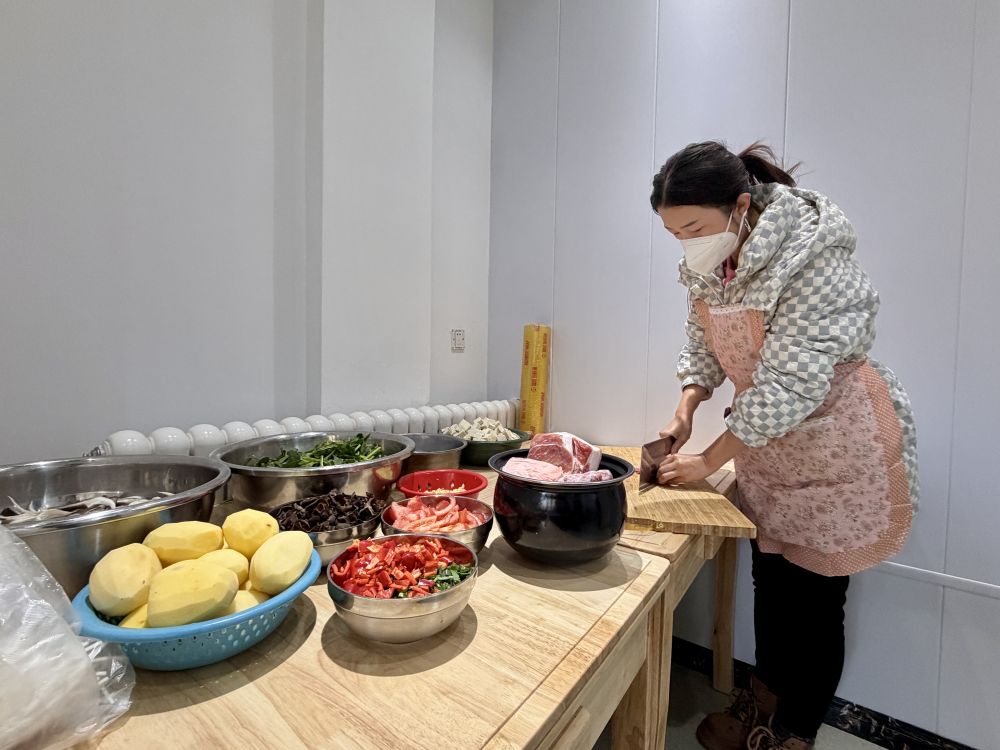
Core Viewpoint - The article highlights the development and significance of elderly meal assistance services in Taizhou, emphasizing the importance of providing nutritious and affordable meals to the aging population as a measure of social welfare and community warmth [1][5]. Group 1: Elderly Meal Assistance Services - Taizhou has a high level of population aging, ranking second in the province, leading to the establishment of various elderly meal assistance points to address the needs of senior citizens [1][5]. - The "Elderly Dining Hall" in the Chengxi Street area has registered 430 elderly diners since its opening in March, offering meals at a low cost of 5 yuan, with a focus on healthy eating [1][2]. - The Jiangyan District has implemented a dual approach of "dine-in + delivery" to enhance meal accessibility for seniors, with multiple community dining points established [2][5]. Group 2: Government Initiatives and Support - The Taizhou Civil Affairs Bureau has integrated elderly meal assistance into its livelihood projects and quality development assessment, promoting a "1+N+1" model to enhance service diversity [2][5]. - The government is responsible for improving service networks and subsidies, while also establishing local standards for elderly meal assistance points [2][5]. - The introduction of smart health and elderly care platforms aims to streamline meal service through technology, including facial recognition for meal access and data management [3][5]. Group 3: Community Engagement and Sustainability - Innovative models such as "exchange meals for vegetables" have been introduced to encourage community participation and ensure the sustainability of meal assistance services [3][4]. - The establishment of a comprehensive service center for the elderly will provide not only meals but also activities and social engagement opportunities, enhancing the overall well-being of seniors [4][5]. - The success of the elderly meal service is attributed to a multi-faceted approach that combines government, market, and social resources, addressing both nutritional needs and social companionship [5].
青海老年助餐服务年均惠及10万名老人
Ren Min Ri Bao· 2025-10-30 22:27
Core Viewpoint - Qinghai Province has established a comprehensive meal assistance service system for the elderly, focusing on both urban and rural areas to meet the needs of economically disadvantaged and elderly individuals [1] Group 1: Urban Meal Assistance - A total of 217 urban community meal assistance points have been set up, utilizing existing elderly care facilities and dining establishments [1] - The urban meal assistance network includes central kitchens at the street level, community happiness canteens, and meal assistance points within residential areas [1] Group 2: Rural Meal Assistance - In rural areas, 538 mutual happiness homes have been built to provide centralized meal assistance services for elderly individuals in need [1] - An investment of 14.26 million yuan is planned for 2025 to construct 100 additional rural mutual happiness homes and to upgrade equipment for 220 meal assistance points [1] Group 3: Beneficiary Impact - The meal assistance services benefit an average of 100,000 economically disadvantaged and elderly individuals annually [1]