战后国际秩序

Search documents
日本要复活“大佐”,外交部:我们绝不允许日本军国主义复活,绝不允许任何人挑战战后国际秩序,绝不允许世界和平稳定再遭破坏
中国基金报· 2025-11-18 09:02
Group 1 - Japan is planning to modify the Self-Defense Forces' rank names, potentially restoring terms like "Colonel," which may break the long-standing practice of downplaying military aspects [1] - The Chinese government expresses strong opposition to Japan's military security movements, citing historical colonial and invasion issues that concern neighboring countries and the international community [1] - Japan has been significantly adjusting its security policies, increasing defense budgets annually, relaxing weapon export restrictions, and seeking to develop offensive weapons, which raises alarms about abandoning its "no nuclear" principles [1] Group 2 - The Chinese government criticizes the U.S. Ambassador to Japan's comments as politically motivated and contrary to diplomatic responsibilities, emphasizing that the U.S.-Japan alliance should not target third parties or interfere in other nations' internal affairs [2]

外交部:正确对待历史是捍卫战后国际秩序的基石
Yang Shi Xin Wen Ke Hu Duan· 2025-11-18 08:40
Core Viewpoint - The Chinese government acknowledges the European Union's recognition of China's sacrifices during World War II, emphasizing the importance of historical accuracy in maintaining the post-war international order [1] Group 1: Historical Context - China, as a major battlefield in the East during World War II, made significant sacrifices 80 years ago, contributing to the victory of the global anti-fascist war [1] - This historical fact is recognized and documented in history, gaining acknowledgment from the international community [1] Group 2: International Relations - The Chinese government advocates for a joint effort with Europe to promote a correct understanding of World War II history [1] - There is a call to uphold the achievements of World War II and the international order centered around the United Nations, aiming for greater contributions to global peace and development [1]
欧盟高官就二战历史称“欧盟向中国人民的勇气致敬” 中方回应
Zhong Guo Xin Wen Wang· 2025-11-18 08:03
Core Points - The EU's High Representative for Foreign Affairs and Security Policy, Josep Borrell, acknowledged the significant suffering endured by the Chinese people during World War II, particularly in the context of the 80th anniversary of the end of the war in Asia [1] - The Chinese Foreign Ministry spokesperson, Mao Ning, emphasized China's crucial contributions to the victory in the anti-fascist war, highlighting the importance of recognizing historical facts to uphold the post-war international order [1] - Both sides are encouraged to promote a correct understanding of World War II history and work together to maintain the achievements of the war and the UN-centered international order for global peace and development [1] Summary by Sections EU's Acknowledgment - The EU expressed respect for the courage of the Chinese people during World War II, marking the 80th anniversary of the end of the war in Asia [1] China's Response - China noted the acknowledgment from the EU and reiterated its significant sacrifices made during the war, which are recognized globally [1] - The importance of correctly addressing historical events was highlighted as a foundation for defending the post-war international order [1] Future Cooperation - There is a call for both China and the EU to jointly promote a correct view of World War II history and to collaborate in contributing to global peace and development [1]
外交部:绝不允许日本军国主义复活
Yang Shi Xin Wen· 2025-11-18 07:50
Core Viewpoint - Japan's military security movements are under scrutiny due to its colonial and invasion history, raising concerns among Asian neighbors and the international community [3] Summary by Relevant Sections Security Policy Adjustments - Japan has significantly adjusted its security policies in recent years, increasing its defense budget annually and relaxing restrictions on arms exports [3] - There is a pursuit to develop offensive weapons and a potential abandonment of the "Three Non-Nuclear Principles" [3] Historical Context - The resurgence of militarism in Japan is alarming, as it echoes the militaristic aggression that caused severe suffering in Asia and worldwide 80 years ago [3] - The lessons from history emphasize the dangers of forgetting past conflicts and the need to prevent the revival of Japanese militarism [3] International Order - There is a strong stance against any challenges to the post-war international order and a commitment to maintaining global peace and stability [3]
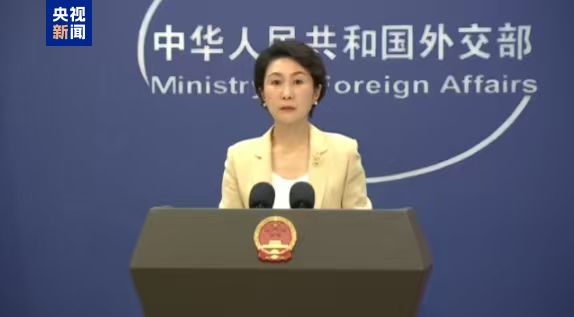
外交部:我们绝不允许日本军国主义复活,绝不允许任何人挑战战后国际秩序,绝不允许世界和平稳定再遭破坏
财联社· 2025-11-18 07:44
Core Viewpoint - The article discusses Japan's recent plans to modify its Self-Defense Forces' military rank terminology, which raises concerns among neighboring countries due to Japan's historical military aggression and colonialism [1]. Summary by Sections - **Japan's Military Rank Changes** - Japan is planning to restore old military rank terms such as "Colonel," which breaks the long-standing practice of downplaying military aspects in the Self-Defense Forces [1]. - **Historical Context and Concerns** - The historical context of Japan's militarism and colonial invasions is highlighted, emphasizing that these changes are alarming to Asian neighbors and the international community [1]. - The Potsdam Declaration explicitly prohibits Japan from rearming, and Japan's pacifist constitution establishes a principle of self-defense [1]. - **Recent Security Policy Adjustments** - Japan has been significantly adjusting its security policies, increasing defense budgets annually, relaxing weapon export restrictions, and seeking to develop offensive weapons [1]. - There is a growing trend among Japanese right-wing forces to challenge the constraints of the pacifist constitution, moving further towards militarization [1]. - **Warnings Against Militarism** - The article warns against the revival of Japanese militarism, stating that the lessons of history must not be forgotten or distorted [1]. - It emphasizes the importance of maintaining international order and preventing any threats to global peace and stability [1].

央视:错误言论、祸害重重,高市早苗恐将日本拖入“国家危机”
财联社· 2025-11-16 23:54
Core Viewpoint - The article discusses the backlash against Japanese Prime Minister Kishi Sanae for her controversial remarks regarding Taiwan, which have sparked protests and criticism from various political figures and the public in Japan, highlighting the potential risks to Japan-China relations and the implications for Japan's domestic and international standing [1][2][3]. Political Criticism - Kishi's statements suggesting that a crisis in Taiwan could trigger Japan's collective self-defense rights have been met with severe criticism from opposition parties, who argue that her understanding of security laws is inadequate and that her remarks could lead to a national crisis [2][4]. - Former Prime Minister Noda Yoshihiko described Kishi's comments as reckless and dangerous, emphasizing the need for caution in discussing military matters as the commander-in-chief of Japan's Self-Defense Forces [3][4]. Impact on Japan-China Relations - Multiple political figures in Japan have warned that Kishi's rhetoric could severely damage Japan-China relations, leading to reduced trade, strained diplomatic ties, and increased tensions [4][5]. - The Chinese government has issued travel warnings and advisories for its citizens regarding Japan, which could significantly impact Japan's tourism industry, as Chinese tourists are a major source of revenue [5]. International Reactions - Experts have criticized Kishi's approach as a challenge to the post-war international order, suggesting that her actions could provoke a backlash not only from China but also within Japan [6][7]. - Criticism has also emerged from Taiwan, where former officials have condemned Kishi's remarks as indicative of a resurgence of Japanese militarism and an unwarranted interference in Taiwan's affairs [9]. Economic Consequences - The potential fallout from Kishi's statements could lead to a decrease in trade and tourism, with estimates indicating that the total trade volume between Japan and China could be affected significantly, given that China is Japan's largest trading partner [5].
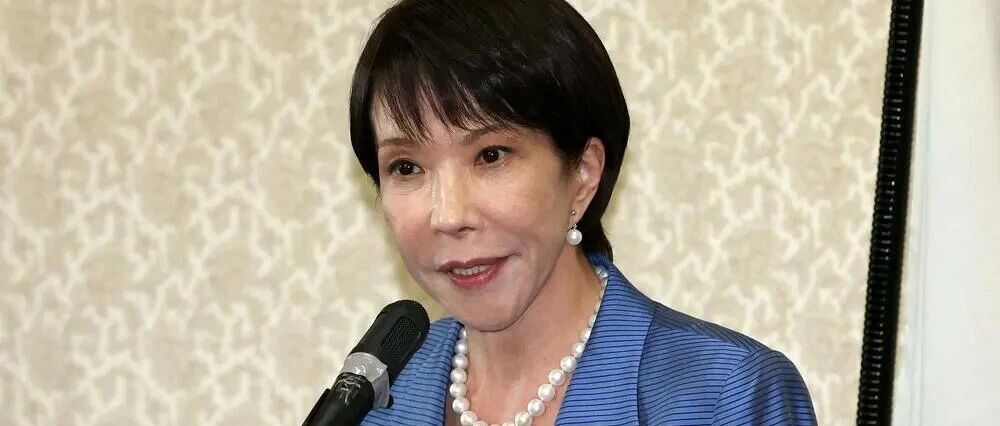
蓝厅观察丨高市早苗打“台湾牌”必然失败
Yang Shi Xin Wen Ke Hu Duan· 2025-11-16 14:03
Group 1 - The core viewpoint of the articles is that Japanese Prime Minister Fumio Kishida's remarks regarding Taiwan represent a deliberate provocation and challenge to the post-war international order, signaling support for "Taiwan independence" forces [1][4][6] - Kishida's administration has been accused of fostering pro-Taiwan sentiment within Japan, including appointing pro-Taiwan officials and facilitating visits to Taiwan by Japanese lawmakers [2][4] - Historical context is provided, highlighting Japan's colonial past in Taiwan and the implications of Kishida's statements as a challenge to China's sovereignty and historical justice [6][8] Group 2 - Experts suggest that Kishida's rhetoric is not only a violation of international law but also a dangerous signal to Taiwan's ruling party, potentially escalating tensions in the region [8][10] - There is a growing backlash within Japan against Kishida's comments, with concerns about the impact on Japan-China relations and the potential costs to Japan's international standing [10] - Criticism from Taiwanese political figures, including former KMT leaders, emphasizes the perception of Kishida's remarks as a revival of Japanese militarism and an inappropriate interference in Taiwan's affairs [11][13]
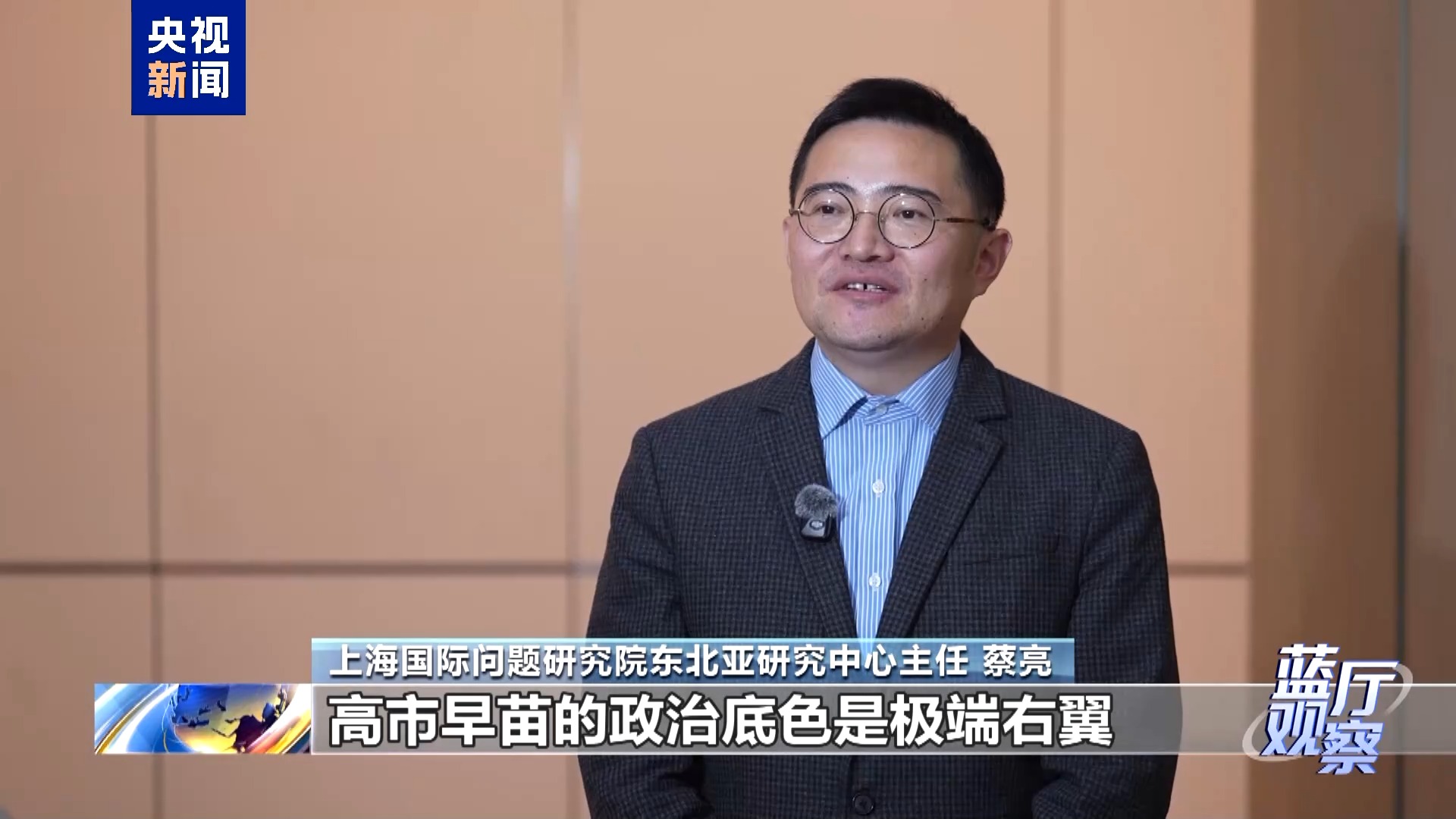
高市早苗打“台湾牌”必然失败
Yang Shi Xin Wen Ke Hu Duan· 2025-11-16 12:42
Core Viewpoint - Japanese Prime Minister Fumio Kishida's remarks regarding Taiwan represent a deliberate provocation and a challenge to the post-war international order, signaling support for "Taiwan independence" forces, which experts believe will ultimately fail [1][3][5]. Group 1: Political Context - Fumio Kishida's administration has shown a pattern of supporting "Taiwan independence" through various actions, including awarding honors to pro-independence figures and making provocative statements [1][3]. - Kishida's political background is characterized by extreme right-wing views, which are evident in his appointments and the activities of pro-Taiwan factions within the Japanese government [3][9]. Group 2: Historical Perspective - Japan has a historical responsibility regarding Taiwan, having forcibly occupied it through the Treaty of Shimonoseki in 1895 and failing to acknowledge this dark past in current political discourse [5]. - The return of Taiwan to China post-World War II is a crucial element of the post-war international order, which Kishida's statements appear to challenge [5][7]. Group 3: Domestic and International Reactions - There is significant backlash within Japan against Kishida's remarks, with critics highlighting the potential negative impact on Japan-China relations and the risks associated with his approach [9]. - Taiwanese political figures, including former Kuomintang leaders, have condemned Kishida's statements as historical arrogance and unnecessary interference in Taiwan's affairs [10].
玉渊谭天:中方已做好对日实质反制准备
财联社· 2025-11-15 10:21
Core Viewpoint - The article emphasizes that China is prepared for substantial countermeasures against Japan due to provocative statements made by Japanese officials regarding Taiwan, marking a significant escalation in diplomatic tensions [2][10][20]. Group 1: Diplomatic Developments - The Chinese Ministry of Foreign Affairs summoned the Japanese ambassador, marking the first use of the term "奉示" (to convey a message) in Sino-Japanese relations, indicating a higher level of diplomatic engagement [4][5]. - The Chinese response has escalated from urging Japan to cease interference in China's internal affairs to a warning that "all consequences must be borne by Japan" [2][9]. Group 2: Military and Economic Implications - The phrase "迎头痛击" (to strike back decisively) has been used for the first time in a diplomatic context, signaling China's readiness for military and economic counteractions [15][18]. - China has a history of effective countermeasures in Taiwan-related issues, and it may suspend government-level exchanges with Japan across various sectors, given that Japan heavily relies on imports from China [16][17]. Group 3: Historical Context and International Order - The article highlights that this year marks the 80th anniversary of the victory in the Anti-Japanese War, framing Japan's actions as a threat to regional peace and a challenge to the post-World War II international order [20][22]. - Japan's recent military rhetoric and actions are seen as a revival of militaristic tendencies, which could lead to significant regional instability [19][24]. Group 4: Broader Regional Reactions - Japan's provocative statements have drawn criticism not only from China but also from neighboring countries like Russia and South Korea, indicating a broader regional concern regarding Japan's military posture [23][24]. - The article suggests that the current diplomatic tensions are not just a bilateral issue but a matter of international order, with China asserting its commitment to maintaining peace and stability in the region [25][26].

国防部、外交部、国台办、人民日报、中国军号等,集体发声!
证券时报· 2025-11-14 09:23
Core Viewpoint - The article discusses the provocative remarks made by Japanese Prime Minister Fumio Kishida regarding Taiwan, suggesting potential military intervention, which has drawn strong responses from various Chinese government departments and officials [1][10][20]. Defense Ministry Response - The Defense Ministry criticized Kishida's comments as a serious violation of China's sovereignty and a dangerous provocation, warning that any reckless actions by Japan would lead to severe consequences [2][3][4]. - It emphasized that Taiwan is an internal matter for China and any foreign interference is unacceptable, reiterating the historical context of Japan's past aggression [3][6]. Foreign Ministry Response - The Foreign Ministry condemned Kishida's statements as a blatant interference in China's internal affairs and a challenge to the one-China principle, demanding Japan retract its remarks [5][11][20]. - It highlighted the historical responsibility Japan holds regarding Taiwan and called for a deep reflection on its past actions [11][15]. Historical Context - The article references the 80th anniversary of the victory in the Anti-Japanese War and Taiwan's recovery, stressing that Japan's past colonial rule over Taiwan and its wartime atrocities should inform its current stance [6][10][15]. - It questions Japan's intentions in light of its militaristic history and warns against repeating past mistakes [12][20]. Taiwan's Status - Taiwan is reaffirmed as an inseparable part of China, with the resolution of the Taiwan issue being a matter solely for the Chinese people, free from external interference [14][21]. - The article warns that any attempt by Japan to intervene militarily in Taiwan would be viewed as an act of aggression, prompting a strong response from China [8][12][18]. Conclusion - The article concludes with a firm stance that any foreign attempts to disrupt China's unity will be met with resolute opposition, emphasizing the determination of the Chinese government and people to safeguard national sovereignty [16][22].