财务造假

Search documents
瑞斯康达两年虚增营收6.3亿再起波澜 4年亏10.5亿李月杰朱春城固薪合计1000万
Chang Jiang Shang Bao· 2025-07-08 23:01
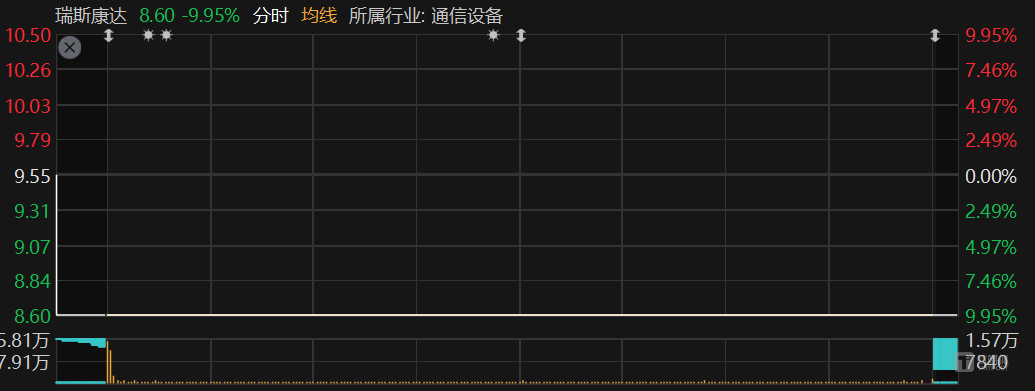
Core Viewpoint - The company 瑞斯康达 is embroiled in a scandal involving financial misconduct, leading to criminal charges against its chairman and a board member for violating disclosure regulations [1][2]. Financial Misconduct - 瑞斯康达's chairman 李月杰 and board member 朱春城 are facing criminal charges for allegedly failing to disclose important information, linked to a prior administrative penalty from the China Securities Regulatory Commission [1][2]. - The company inflated its revenue by 6.32 billion yuan and profits by 1.17 billion yuan over the years 2019 and 2020 through fraudulent accounting practices [4][3]. Financial Performance - Following the financial misconduct, 瑞斯康达 reported a cumulative net loss of 10.54 billion yuan from 2021 to 2024 [8]. - In 2021, the company recorded a revenue of 18.53 billion yuan, but net profit plummeted to -8.1 billion yuan, a decline of 686.26% [6]. - The company showed signs of recovery in 2022 with a revenue of 21.56 billion yuan and a net profit of 800.68 million yuan, a 109.89% increase [6]. - However, revenue declined in 2023 and 2024, with figures of 16.26 billion yuan and 13.82 billion yuan, representing year-on-year decreases of 24.57% and 14.99% respectively [7]. Management Compensation - Despite the financial turmoil, the compensation for 李月杰 and 朱春城 remained unaffected, totaling approximately 10 million yuan over four years [10][11].

专网通信造假再发酵:瑞斯康达实控人采取刑事强制措施,扭亏之路遇重创
Sou Hu Cai Jing· 2025-07-08 14:17
Core Viewpoint - A significant financial fraud case involving over 900 billion yuan has affected more than ten listed companies, with key figures from Ruisi Kanda being criminally detained, leading to a sharp decline in the company's stock price [1][3]. Group 1: Company Overview - Ruisi Kanda's chairman and general manager, Li Yuejie, along with director Zhu Chuncheng, have been subjected to criminal coercive measures by the Beijing Public Security Bureau for suspected violations of information disclosure laws [3]. - The company has faced continuous losses, with net profits exceeding 100 million yuan in losses for two consecutive years, indicating a dire need for transformation [2][10]. Group 2: Financial Misconduct Details - The financial misconduct dates back to 2018, where Ruisi Kanda's subsidiary engaged in a fictitious self-circulation business under the guise of a specialized network communication operation, resulting in inflated revenues and profits [5][6]. - The company reported a total inflated revenue of approximately 633 million yuan and a profit total of about 117 million yuan over two years due to this fraudulent activity [7]. Group 3: Recent Financial Performance - In 2024, Ruisi Kanda reported revenues of 1.382 billion yuan, a decrease of 14.99% year-on-year, with a net loss of 122 million yuan, although the loss narrowed compared to previous years [10]. - The first quarter of 2025 saw a dramatic decline in performance, with revenues of 250 million yuan, down 34.89% year-on-year, and a net loss of approximately 19.37 million yuan, reflecting a year-on-year decline of 195.18% [10]. Group 4: Management Changes - Following the financial scandal, the company appointed vice president Han Meng as the acting chairman and general manager instead of the current actual controller, Ren Jianhong, who was also involved in the misconduct but faced lesser penalties [8][9].

被罚2890万!*ST观典风险叠加
Shang Hai Zheng Quan Bao· 2025-07-08 08:25
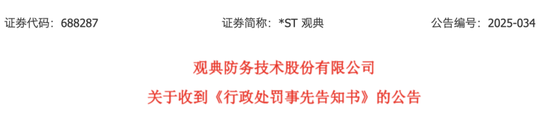
Core Viewpoint - *ST Guandian has been penalized a total of 28.9 million yuan due to false financial reporting and failure to disclose fund occupation as required by regulations [1][6]. Financial Misconduct - The company reported a false financial statement for the year 2022, with a misstatement of 139 million yuan, which inflated its bank deposits by 13.37% of the total assets disclosed [3][4]. - From August 2022 to December 2023, *ST Guandian transferred a total of 284 million yuan to eight companies, which were later used for non-operational purposes related to the actual controller, Gao Ming [4][5]. - The company failed to disclose non-operational fund occupation in its annual and semi-annual reports, with fund occupation balances of 139 million yuan, 163 million yuan, and 231 million yuan, representing 13.91%, 15.33%, and 22.94% of the net assets respectively [4][5]. External Guarantees - Between June 2022 and December 2023, *ST Guandian provided guarantees totaling 173 million yuan to various entities without following the required disclosure procedures [5][6]. - The company failed to disclose 22 external guarantee transactions amounting to 635 million yuan in its listing report [5][6]. Regulatory Actions - The Beijing Securities Regulatory Bureau issued a warning and imposed fines totaling 28.9 million yuan on *ST Guandian and its key personnel for multiple violations of securities laws [6][7]. - The company will face additional risk warnings starting July 8, 2025, due to the false financial reporting and ongoing issues related to fund occupation and significant losses [6][7].
证监系统严打财务造假一年合计罚没37亿元
Chang Jiang Shang Bao· 2025-07-07 23:37
Group 1 - The capital market plays a crucial role in financial operations, and financial fraud severely disrupts market order and undermines investor confidence [1] - Since the implementation of the Opinions on Combating Financial Fraud, regulatory authorities have issued 165 administrative penalties with a total fine of 3.7 billion yuan [1] - A comprehensive and multi-faceted accountability mechanism for financial fraud has been established, significantly increasing the costs for primary offenders and accomplices [2] Group 2 - The government has intensified the crackdown on financial fraud, with new regulations aimed at ensuring intermediary institutions fulfill their responsibilities [2] - The Supreme People's Court and the China Securities Regulatory Commission (CSRC) have issued guidelines to enhance the accountability for financial fraud and improve the judicial process [2] - The establishment of a third-party mechanism for reporting fraud clues has been implemented to strengthen the connection between administrative enforcement and criminal justice [2][3]
000070,“摘帽”
中国基金报· 2025-07-07 16:01
Core Viewpoint - ST Te Xin has successfully removed its ST label and changed its stock name to Te Fa Information, indicating a recovery from previous financial misconduct and a return to normal trading status [2][6]. Group 1: Company Background and Events - ST Te Xin, now known as Te Fa Information, faced a risk warning for over a year due to financial misconduct by its subsidiary, Shenzhen Te Fa Dong Zhi Technology Co., Ltd., which inflated revenues and profits from 2015 to 2019 [6][10]. - The company reported inflated profits totaling 10.39 million yuan in 2015, 91.73 million yuan in 2016, 56.25 million yuan in 2017, and 11.63 million yuan in 2018, while reporting a profit reduction of 21.08 million yuan in 2019 [6][10]. - Following the administrative penalties from the Shenzhen Securities Regulatory Bureau, the company was designated as ST Te Xin, leading to a significant drop in stock price, including nine consecutive trading days of limit-down [6][9]. Group 2: Financial Recovery and Performance - After more than a year of rectification, the company has corrected its financial statements for the years affected by the misconduct and has received a special audit report confirming these corrections [7]. - Te Fa Information has made provisions for investor compensation amounting to 10.07 million yuan, which has contributed to the removal of other risk warnings [7]. - The stock price has rebounded over 90% from a low of below 4 yuan per share after being designated as ST, closing at 8.03 yuan per share as of July 7 [8][9]. Group 3: Current Financial Status - For the fiscal year 2024, Te Fa Information reported revenues of 4.409 billion yuan, a year-on-year decrease of 10.69%, and a net loss of 403 million yuan [10]. - In the first quarter of 2025, the company continued to face challenges, with revenues of 790 million yuan, down 26.16% year-on-year, and a net loss of 15.06 million yuan [10]. - The company operates in the optical communication industry and has diversified into four business segments: cables, smart services, integration, and property leasing, with total assets of 6.461 billion yuan and net assets of 2.058 billion yuan as of December 31, 2024 [10].

信奉“缝隙法则”的瑞斯康达董事长牵头业绩造假,近日被采取刑事强制措施 公司曾两年虚增营收6亿元
Mei Ri Jing Ji Xin Wen· 2025-07-07 14:03
Core Viewpoint - The company Risconda (SH603803) is facing significant legal and operational challenges due to the criminal charges against its chairman and general manager, Li Yuejie, and board member Zhu Chuncheng, related to the violation of information disclosure laws, which are linked to a previous financial fraud case involving inflated revenues and profits [1][6]. Company Background - Risconda was founded in 1996 by Li Yuejie and others, initially focusing on fiber optic transceivers and quickly gaining market share through cost reduction and customized services [2]. - The company has undergone four development phases, achieving revenue growth from 10 million yuan in 1999 to over 2 billion yuan by 2017, and has recently focused on "dual-gigabit networks" as part of national infrastructure initiatives [2]. Financial Misconduct - The company was penalized by the China Securities Regulatory Commission (CSRC) in September 2023 for financial fraud, which included inflating revenues by approximately 632 million yuan and net profits by about 117 million yuan during 2019-2020 [3][6]. - The fraudulent activities involved a subsidiary, Beijing Deep Blue Xun Tong Technology Co., which engaged in a fictitious business model that lacked substance, leading to significant misreporting in annual reports [5][6]. Recent Performance - Risconda has experienced considerable revenue volatility over the past five years, with three instances of annual revenue decline and three years of net losses [7]. - In Q1 2023, the company reported a 34.89% year-on-year revenue decline and a net loss of 19 million yuan, indicating a shift from profitability to losses [7][9]. Market Reaction - Despite the financial and legal troubles, Risconda's stock has seen speculative trading, driven by market interest in technologies such as CPO (Co-Packaged Optics) and 6G, leading to multiple instances of stock price surges earlier in the year [10].

因涉嫌虚增研发费用等,华铭智能收行政处罚通知书
Ju Chao Zi Xun· 2025-07-07 03:08
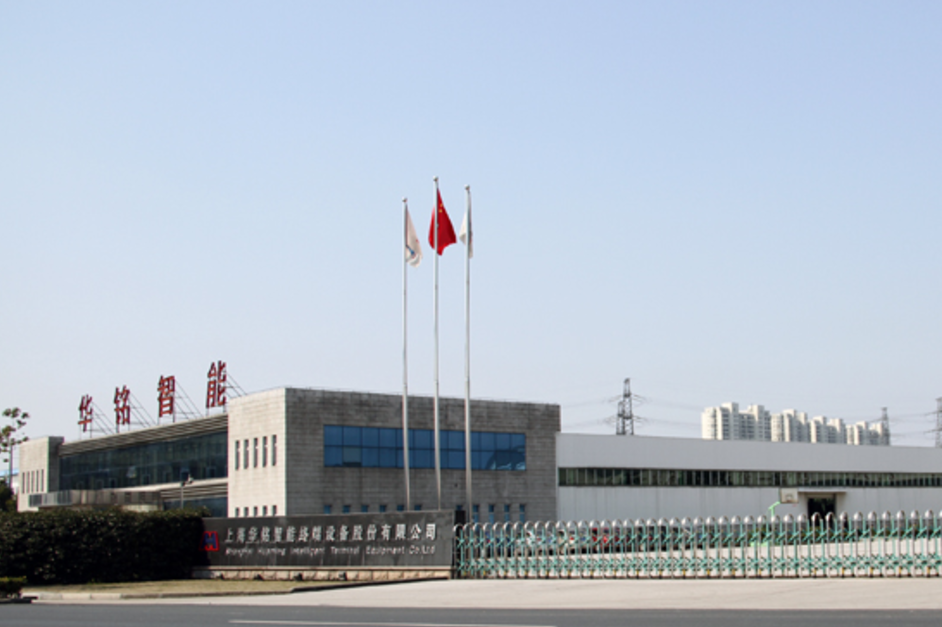
Core Viewpoint - Huaming Intelligent has been notified by the Shanghai Securities Regulatory Bureau regarding administrative penalties due to suspected inflation of sales and R&D expenses, which has led to false financial reporting for the years 2020 and 2021 [2][3] Group 1: Company Actions and Financial Impact - In 2019, Huaming Intelligent acquired 100% of Beijing Juli Technology Co., Ltd. through share issuance and convertible bonds, with Juli Technology included in the consolidated financial statements from October 2019 [2] - Juli Technology improperly classified certain expenses related to third-party intermediary and agency services as R&D expenses instead of sales expenses, leading to inaccurate financial reporting [2] - The misclassification resulted in an inflated total profit of 25.3154 million yuan for 2020, accounting for 18.76% of the reported profit, and a reduced total profit of 35.7037 million yuan for 2021, accounting for 16.9% of the reported profit [3] Group 2: Regulatory Response - The Shanghai Regulatory Bureau has determined that Huaming Intelligent's actions violate the Securities Law of the People's Republic of China, proposing penalties including a warning and a fine of 1.5 million yuan for the company [3] - Specific penalties include a warning and a fine of 700,000 yuan for the then Chairman and General Manager Zhang Liang, and similar fines for other executives involved [3]

财务造假“行民刑”全方位追责 退市锦港两名高管被决定逮捕
Zheng Quan Ri Bao· 2025-07-06 16:08
Core Viewpoint - The company Jinzhou Port Co., Ltd. (referred to as "Delisted Jin Port") is currently in a delisting adjustment period due to serious violations, including financial fraud and illegal information disclosure, leading to the termination of its stock listing [1][2]. Group 1: Company Violations - Delisted Jin Port has been involved in financial fraud for several consecutive years, with regulatory investigations revealing that the company inflated revenue and profits through non-commercial bulk trade activities with seven companies, resulting in a total inflated revenue of over 8.6 billion yuan and inflated profits of nearly 180 million yuan from 2018 to 2021 [2]. - The company also inflated profits in 2022, 2023, and the first quarter of 2024 by 36.1 million yuan, 68.1 million yuan, and 15.4 million yuan respectively, leading to false disclosures in annual reports [2]. - Delisted Jin Port failed to disclose its 2024 semi-annual report on time and had multiple instances of significant omissions in annual reports, along with issues related to related party transactions and non-operating fund occupation [2]. Group 2: Legal and Regulatory Actions - Two vice presidents of Delisted Jin Port were arrested for violating important information disclosure laws, with several other executives also facing criminal measures and administrative penalties [1][4]. - The China Securities Regulatory Commission (CSRC) imposed a fine of 8 million yuan on the company and warned six executives, while the Liaoning Securities Regulatory Bureau fined the company 20 million yuan and penalized 11 executives [4]. - The regulatory actions reflect a "zero tolerance" approach towards financial fraud, aiming to enhance market integrity and protect investor interests through legal and civil remedies [4][5].

退市前,两位副总裁被逮捕
21世纪经济报道· 2025-07-05 23:46
Core Viewpoint - Jinzhou Port is facing severe legal and regulatory challenges, including the arrest of two vice presidents and a significant risk of delisting due to financial misconduct and failure to disclose critical information [1][3][12]. Group 1: Legal Issues - Two vice presidents of Jinzhou Port have been arrested for violating important information disclosure laws [3]. - The company has been penalized a total of 38.6 million yuan, with Jinzhou Port itself fined 20 million yuan for various financial misconducts [2][7]. Group 2: Financial Misconduct - Jinzhou Port failed to disclose its 2024 semi-annual report by the legal deadline, releasing it only after the market closed on October 31 [5]. - The company engaged in financial fraud from 2022 to 2024, inflating profits through false trade and premature revenue recognition, with inflated profits of 36.1 million yuan (22.46% of total profit) in 2022, 68.1 million yuan (65.96%) in 2023, and 15.4 million yuan (62.05%) in Q1 2024 [6]. - Significant undisclosed fund occupation and illegal guarantees were reported, with amounts of 3.218 billion yuan (47.63% of net assets), 5.571 billion yuan (81.41%), and 4.991 billion yuan (70.70%) from 2022 to 2024, alongside a total guarantee amount of 2.98 billion yuan for related parties [7]. Group 3: Delisting Risk - Jinzhou Port has entered a delisting preparation period as of June 30, 2023, with the last trading day expected to be July 18, 2025, due to serious violations [12]. - The company is among eight others that have faced delisting procedures for major violations since 2025, highlighting a stricter regulatory environment [12][14].

退市前高管被捕!财务造假重罚3860万
2 1 Shi Ji Jing Ji Bao Dao· 2025-07-05 12:59
Core Viewpoint - The article highlights the severe legal consequences faced by Jinzhou Port due to significant violations, including the arrest of two vice presidents and the company's entry into a delisting period due to serious financial misconduct [2][4][12]. Summary by Relevant Sections Legal Consequences - Jinzhou Port's two vice presidents were arrested for violating important information disclosure laws, indicating the seriousness of the company's legal troubles [4]. - The company and its 11 executives were fined a total of 38.6 million yuan, with Jinzhou Port itself facing a fine of 20 million yuan [3][10]. Financial Misconduct - Jinzhou Port has been accused of three major issues: failing to timely disclose the 2024 semi-annual report, committing financial fraud from 2022 to 2024, and not disclosing significant fund occupation and illegal guarantees [6][8][9]. - The company inflated profits through false trades and premature recognition of income, with inflated profits of 36.1 million yuan in 2022, 68.1 million yuan in 2023, and 15.4 million yuan in the first quarter of 2024 [8]. Delisting Process - Jinzhou Port entered a delisting preparation period on June 30, 2025, with the last trading day expected to be July 18, 2025, due to serious violations [12]. - The company is among eight others that have faced delisting due to major violations since 2025, reflecting a stricter regulatory environment [12]. Regulatory Environment - The regulatory authorities are intensifying penalties for financial fraud, particularly for companies with high and continuous levels of misconduct [3][14]. - New measures have been introduced to hold third parties accountable for aiding in financial fraud, indicating a comprehensive approach to preventing such misconduct [14].