新型城镇化

Search documents
黑牡丹涨2.03%,成交额685.54万元,主力资金净流入3.67万元
Xin Lang Zheng Quan· 2026-01-05 01:58
1月5日,黑牡丹(维权)盘中上涨2.03%,截至09:35,报8.56元/股,成交685.54万元,换手率0.08%, 总市值88.34亿元。 资金流向方面,主力资金净流入3.67万元,大单买入207.35万元,占比30.25%,卖出203.68万元,占比 29.71%。 黑牡丹今年以来股价涨2.03%,近5个交易日跌4.89%,近20日跌10.65%,近60日涨13.08%。 资料显示,黑牡丹(集团)股份有限公司位于江苏省常州市新北区长江北路562号高铁新城创智大厦,成 立日期1993年5月28日,上市日期2002年6月18日,公司主营业务涉及城镇化建设业务、纺织服装业务和 产业投资业务。主营业务收入构成为:工程施工46.67%,地产业务27.94%,纺织服装20.86%,其他 3.52%,土地前期开发1.02%。 截至9月30日,黑牡丹股东户数2.78万,较上期减少13.97%;人均流通股37136股,较上期增加16.24%。 2025年1月-9月,黑牡丹实现营业收入24.43亿元,同比增长34.79%;归母净利润6379.21万元,同比减少 19.62%。 分红方面,黑牡丹A股上市后累计派现27.20亿 ...

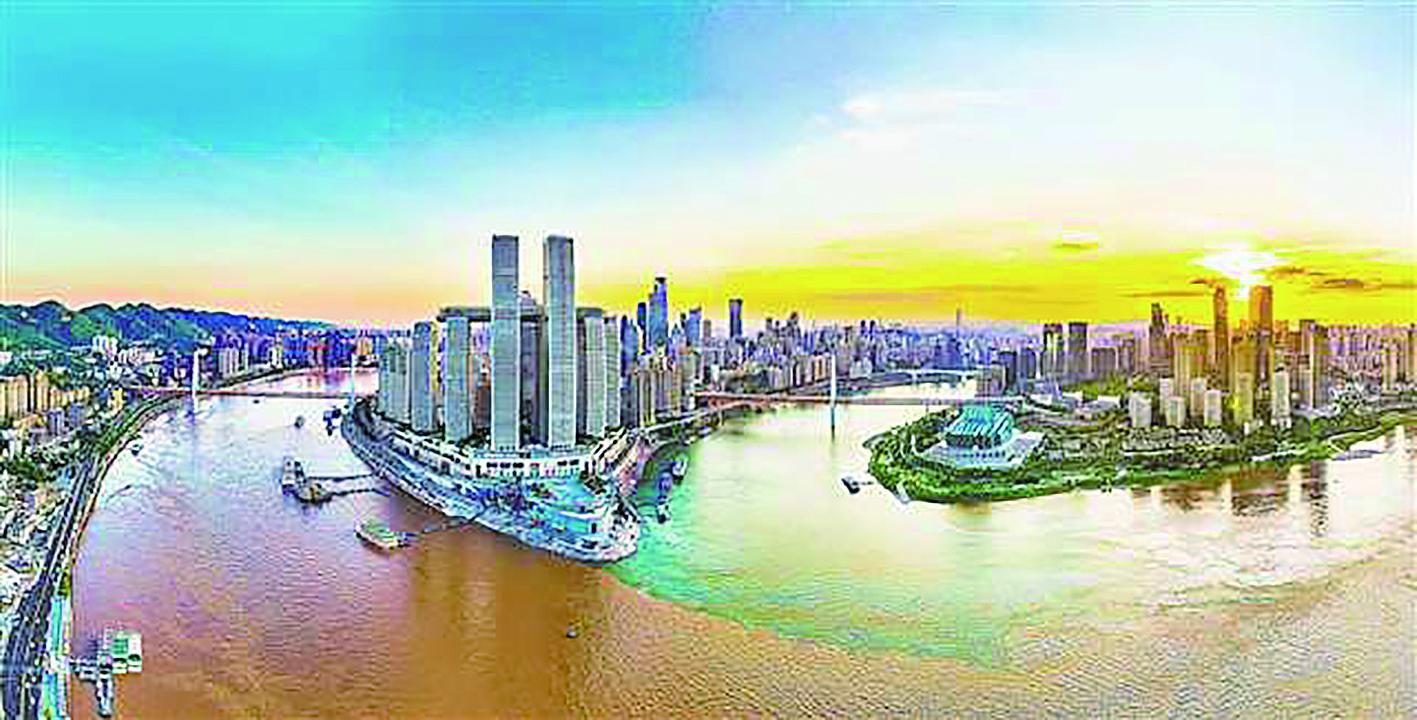
从“十三五”到“十四五” 长江经济带10年发展取得“八大成效”
Xin Lang Cai Jing· 2026-01-04 16:56
Core Viewpoint - The report highlights the significant achievements of the Yangtze River Economic Belt over the past decade, emphasizing its increasing contribution to China's GDP and the successful implementation of various strategic initiatives aimed at sustainable development and regional coordination [2]. Group 1: Economic Contribution - During the 13th Five-Year Plan period, the GDP of the Yangtze River Economic Belt accounted for 45.37% of the national total, which increased to 46.43% during the 14th Five-Year Plan period, showing an improvement of over 1 percentage point [2]. - By September 2025, the GDP share of the Yangtze River Economic Belt is projected to reach 47.02%, indicating a clear "advancement" effect [2]. Group 2: Strategic Initiatives - The "Outline of the Development Plan for the Yangtze River Economic Belt" was officially issued in September 2016, outlining six major tasks including ecological protection, transportation corridor construction, and industrial innovation [2]. - Over the past decade, various ministries and 11 provinces have implemented policies and development plans to support the strategic objectives of the Yangtze River Economic Belt, resulting in eight significant outcomes [2]. Group 3: Environmental and Infrastructure Development - Efforts to protect the ecological environment have shown effectiveness, with a focus on collaborative protection and sustainable development, enhancing ecological restoration and value transformation [3]. - The construction of a comprehensive transportation corridor has been steadily advanced, optimizing the transportation layout to facilitate economic circulation [3]. Group 4: Urbanization and Open Economy - The promotion of new urbanization has been strengthened, with significant reforms aimed at poverty alleviation and rural revitalization, creating new economic growth spaces through urban-rural integration [3]. - The establishment of a comprehensive open economy has been emphasized, enhancing the overall effects of reform and opening up, and creating a competitive policy and institutional framework [3]. Group 5: High-Quality Development Strategies - The implementation of practical policy measures has been crucial for maintaining stable economic growth, focusing on expanding domestic demand and effective investment [4]. - The cultural heritage of the Yangtze River is being promoted, leveraging cultural parks to connect economic development with cultural empowerment [4]. Group 6: Future Development Trends - The 14th Five-Year Plan period will see the Yangtze River Economic Belt focusing on high-quality development through comprehensive innovation, with an emphasis on opening up as a core strategy [4][5]. - The development will involve effective interaction between local governments and central authorities, continuously adjusting development strategies to enhance growth potential [5].

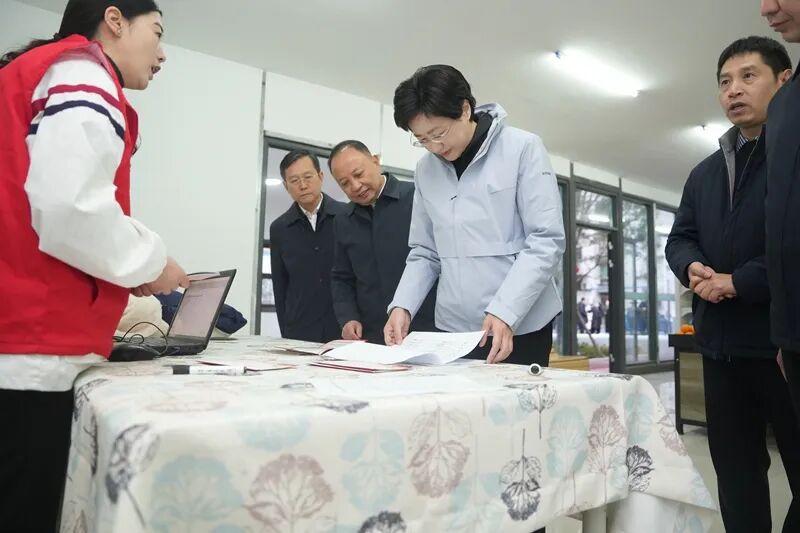
施小琳在广元调研时强调:发挥优势、培育动能、提升区域发展位势能级,切实找准发力点、实现“十五五”良好开局
Xin Lang Cai Jing· 2026-01-04 13:52
发挥优势培育动能提升区域发展位势能级 切实找准发力点实现"十五五"良好开局 转自:四川发布 施小琳在广元调研时强调 1月4日,省委副书记、省长施小琳来到广元国际铁路港,调研铁路港规划建设、国际班列开行等情况。 1月4日,省委副书记 、省长施小琳在广元市利州区玖合苑小区,调研老旧小区连片改造、提升社区服务水平和能级情况。 1月3日至4日,省委副书记、省长施小琳在广元市调研,强调要深入贯彻党的二十届四中全会和中央经济工作会议 精神,落实省委部署要求,锚定高质量发展首要任务,保持定力、用好优势、进取有为,加快培育经济量质齐升 新动能,不断提升区域发展位势能级,努力实现今年"开门红"和"十五五"良好开局,为全省大局贡献更多力量。 施小琳来到广元市部分县区,了解产业发展、交通物流、文旅融合、乡村振兴、红色文化传承、社区为民服务等 情况。施小琳强调,要立足生态本底、区位通道、文旅资源和产业基础等条件,抢抓国省重大战略机遇,找准发 挥优势、服务大局着力点,推动现代化区域中心城市建设取得更大成效。 施小琳强调,要着力激发持续消费扩大有效投资。抓实巩固传统消费、拓展新型消费、提升服务消费,创新消费 促进活动,与产品促销、节会、 ...
学习规划建议每日问答丨为什么要实行统筹存量和增量综合供地
Xin Hua Wang· 2026-01-04 12:59
第三,推动产业转型升级,必须统筹好存量和增量用地。近年来,随着产业变革、市场变化等,一 些地区传统企业关停退出,造成土地、厂房闲置。一些地区在改革开放早期形成的村镇工业园区,城与 村、厂与居混杂分布,推动产业转型升级等迫切要求对存量用地重新进行规划利用。近年来,自然资源 部在全国开展低效用地再开发试点,健全国土空间规划、土地收储、土地供应等政策,支持试点城市实 施低效用地再开发。截至2025年4月,43个试点城市累计认定低效用地19.38万宗、320.18万亩,实施再 开发5.05万宗、170.47万亩,土地利用效率效益明显提高,特别是产业园区的低效用地再开发,有力促 进了产业焕新升级。推动产业转型升级,必须从区域产业发展全局出发,合理配置新增用地,着力盘活 存量用地,为新产业新业态提供空间保障。 "十五五"时期,实行统筹存量和增量综合供地,必须坚持严控增量、盘活存量、优化结构、提升效 率的导向,健全政策体系,大幅提高建设用地集约化利用水平。一是实施建设用地总量管控。强化国土 空间规划刚性约束,在规划期内分阶段严格控制新增建设规模,形成存量优先利用、增量提质增效的空 间开发导向。二是优化年度土地利用计划管理。 ...
通州区“火星科幻城”项目预计今年下半年启动建设
Xin Jing Bao· 2026-01-04 11:36
Group 1: Project Overview - The "Mars Science City" project is set to begin construction in the second half of 2026, with a total planned area of 62 acres, including 90,000 square meters of above-ground space and 100,000 square meters underground, aiming for trial operations in 2028 and official opening in 2029 [2] - The project will leverage resources from Tsinghua University and the Chinese Academy of Sciences, creating a high-quality, differentiated cultural tourism ecosystem in Beijing's sub-center [2] Group 2: Educational and Entertainment Aspects - "Mars Science City" will integrate cutting-edge technologies such as aerospace, artificial intelligence, and robotics into its narrative, allowing visitors to engage in a storyline focused on survival, exploration, and construction on Mars [2] - The project aims to become a second classroom for youth and a family-friendly science leisure destination, enhancing public scientific literacy through immersive experiences and interactive activities [2] Group 3: Urban Development and Infrastructure - During the "14th Five-Year Plan" period, the sub-center will continue to strengthen its core strategic tasks, including the relocation of eight state-owned enterprises and the completion of educational institutions like Tsinghua University's financial development base [3] - The sub-center will establish a modern, high-quality comprehensive transportation network, with the completion of the M101 line and the northern extension of the Yizhuang line, enhancing accessibility [3] Group 4: Healthcare Development - The number of tertiary medical institutions in the Beijing urban sub-center has reached eight, with ongoing improvements in the grassroots medical network [6] - There are ongoing efforts to address challenges in cardiovascular disease prevention and treatment, including the establishment of a quality control network for community health services [6]
学习规划建议每日问答 | 为什么要实行统筹存量和增量综合供地
Xin Hua She· 2026-01-04 10:07
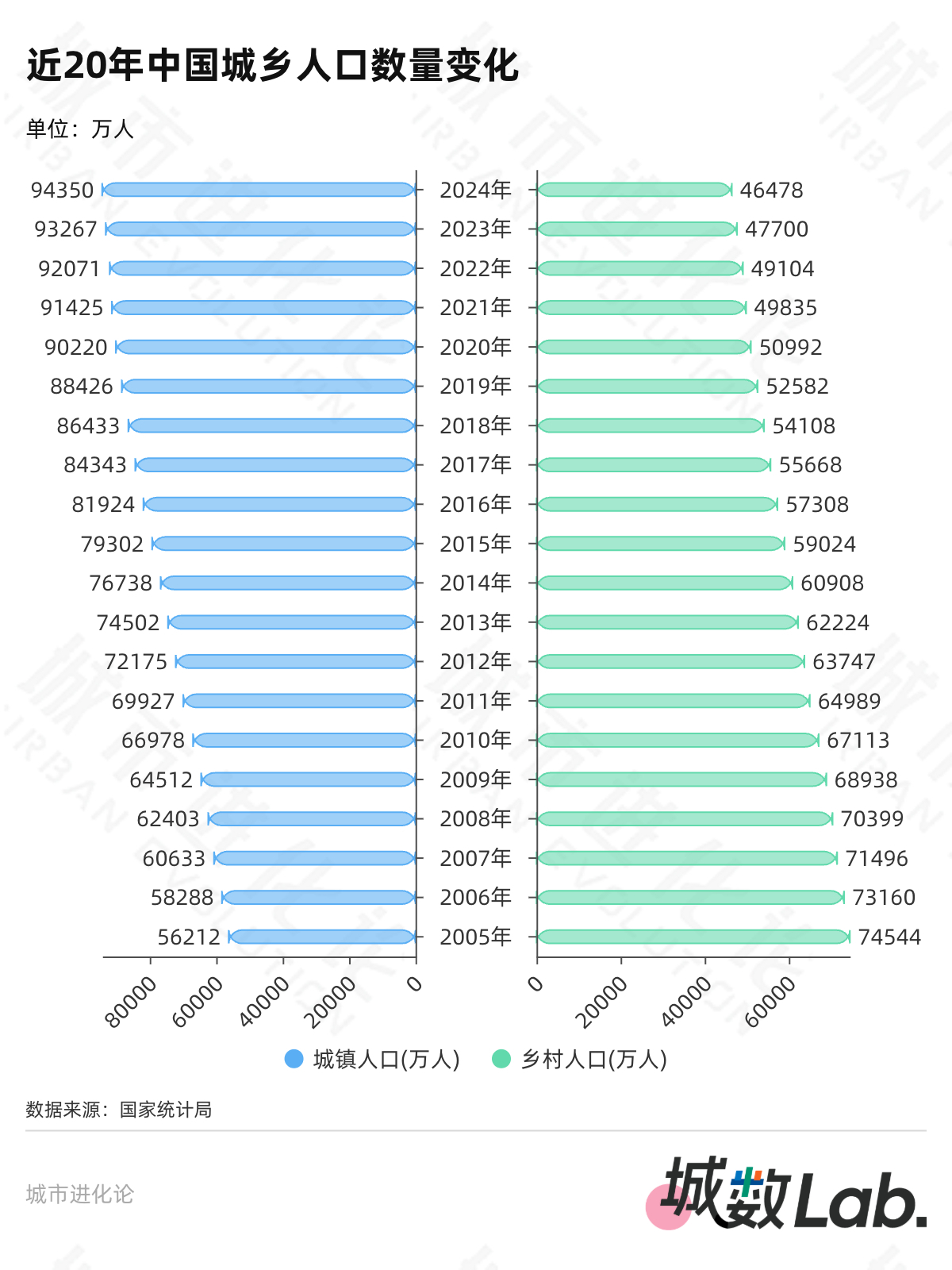
第二,推进以人为本的新型城镇化,必须统筹好存量和增量用地。2024年,我国常住人口城镇化率 达到67%。"十四五"时期城镇化率年均增速较"十三五"时期平均增速有所回落,城镇化正从快速增长期 转向稳定发展期。与此同时,城市发展正在从大规模增量扩张阶段转向存量提质增效为主的阶段。我国 城镇建设用地规模已经很大,但供需结构错配的问题比较突出,特别是一些城市公共服务设施用地不 足。推进以人为本的新型城镇化,必须做优增量用地、盘活存量用地,优化城市生产、生活、生态用地 结构,改善交通、教育、医疗等公共服务设施,提升市民生活品质。 第三,推动产业转型升级,必须统筹好存量和增量用地。近年来,随着产业变革、市场变化等,一 些地区传统企业关停退出,造成土地、厂房闲置。一些地区在改革开放早期形成的村镇工业园区,城与 村、厂与居混杂分布,推动产业转型升级等迫切要求对存量用地重新进行规划利用。近年来,自然资源 部在全国开展低效用地再开发试点,健全国土空间规划、土地收储、土地供应等政策,支持试点城市实 施低效用地再开发。截至2025年4月,43个试点城市累计认定低效用地19.38万宗、320.18万亩,实施再 开发5.05万宗、170 ...
再提放开落户,大城市“零门槛”还有多远?
Mei Ri Jing Ji Xin Wen· 2026-01-03 03:25
在外界看来,这意味着绝大多数中国城市的落户门槛将显著降低甚至取消。 每经记者|程晓玲 每经编辑|杨欢 日前,国务院关于建立健全城乡融合发展体制机制工作情况的报告(以下简称"报告")提请全国人大常委会会议审议。报告在下一步工作安排中提到"放开 放宽除个别超大城市外的落户限制"。 这并非国家层面首次提及该内容。早在2019年发布的《国家发展改革委关于培育发展现代化都市圈的指导意见》中,"加快建设统一开放市场"部分就曾明确 提出"放开放宽除个别超大城市外的城市落户限制"。 正值"十五五"谋篇布局的重要时刻,此番再度提及无疑释放出政策加力信号。梳理公开信息,我国城市落户限制在近20年间历经逐步放开的过程,门槛逐渐 降低、涉及范围不断扩大。 | 时间 | | 政策文件 | 改革重点 | | --- | --- | --- | --- | | 《国务院批转公安部关于推进小 | | | | | 2001年3月 | | 城镇户籍管理制度改革意见的通 放开小城镇落户 | | | 知》 | | | | | 《国务院关于进一步推进户籍制 | | | 1.建制镇和小城市:全面放开; 2.中等城市:有序放开; | | 2014年7月 ...
衢州市新型城镇化与乡村振兴协调发展的路径思考
Xin Lang Cai Jing· 2026-01-02 17:27
Core Viewpoint - The article emphasizes the importance of new urbanization and rural revitalization as key strategies for addressing the urban-rural dual structure in China and promoting high-quality regional development. It highlights the "Quzhou Model" as a practical reference for other regions in achieving urban-rural integration and development [1][2]. Summary by Sections Current Status of Quzhou's New Urbanization and Rural Revitalization - Quzhou is the only city in the province designated as a comprehensive pilot for urbanization, with an urbanization rate projected at 62.1% by 2024, marking a critical phase in urban-rural structural adjustment [1]. - The city has implemented a "county-town-center-village" development axis, enhancing population concentration and resource integration, resulting in over 30,000 farmers relocated and an increase of over 110,000 urban residents by November 2024 [1]. Practical Pathways and Innovations of the "Quzhou Model" - New urbanization drives rural revitalization through spatial optimization and industrial linkage, creating a coordinated urban-rural development system [1]. - Rural revitalization supports new urbanization by enhancing rural construction mechanisms and promoting an agricultural industry system centered on citrus, oil tea, and tea [1]. Challenges of Coordinated Development - Population distribution is uneven, with many rural laborers migrating to cities, leading to significant urban-rural disparities [2]. - Agricultural development is limited by low investment and short supply chains, resulting in low added value for traditional agricultural products [2]. - Financial balancing is challenging, with the city's general public budget revenue projected at 20.855 billion yuan in 2024, complicating large-scale urbanization efforts [2]. Recommendations for Coordinated Development - Optimize urbanization layout to strengthen central cities and attract surrounding populations and industries [2]. - Improve policies for population mobility and encourage youth to engage in rural development through various support measures [2]. - Innovate rural land resource allocation mechanisms to enhance efficiency in land use [3]. Enhancing Urban-Rural Infrastructure Connectivity - Improve transportation networks between towns and cities, and enhance public transport services in remote areas [3]. - Streamline logistics systems by integrating various transportation modes and promoting modern logistics technologies [4]. - Expand digital infrastructure in rural areas to support agricultural needs and improve service quality [4]. Strengthening County-Level Prosperity Industries - Focus on local resources to develop a comprehensive agricultural industry chain and promote modern agricultural parks [4]. - Leverage digitalization in agriculture to enhance production efficiency and develop product branding initiatives [4]. Promoting Inclusive Urban-Rural Public Services - Optimize educational resource allocation to enhance the quality of education in rural areas [4]. - Improve healthcare services by upgrading county hospitals and establishing a 20-minute medical service circle for rural residents [4]. - Strengthen social security systems in rural areas to enhance coverage and service quality [4].
“十四五”以来丽江玉龙绘就县域发展新篇
Xin Lang Cai Jing· 2026-01-02 07:10
Group 1 - The core viewpoint of the articles highlights the high-quality development and strategic initiatives undertaken by Yulong County in Lijiang City during the "14th Five-Year Plan" period, focusing on economic growth, ecological protection, and cultural tourism [1][2] Group 2 - Yulong County's GDP increased from 9.015 billion to 12.908 billion from 2020 to 2024, indicating steady economic growth and improved quality [1] - The county has promoted the development of specialty agriculture, with over 30,000 households engaged in traditional Chinese medicine cultivation, and has seen the aggregation of fruit industries such as snow peaches and wood pears [1] - The urbanization rate has risen to 40.65%, reflecting the county's efforts in urban renewal and rural revitalization [2] - The forest coverage rate has increased to 70.95%, demonstrating the county's commitment to ecological protection and green development [2] - Yulong County has created over 7,735 new urban jobs and has facilitated entrepreneurship that led to 5,011 job opportunities, contributing to a significant reduction in unemployment [2]
森赫股份涨7.42%,成交额2.85亿元,近5日主力净流入2569.01万
Xin Lang Cai Jing· 2025-12-30 07:40
Core Viewpoint - Senhe Co., Ltd. has shown a significant increase in stock price and trading volume, indicating positive market sentiment and potential growth opportunities in the elevator and escalator industry driven by new urbanization and international trade initiatives [1][2]. Group 1: Company Overview - Senhe Elevator Co., Ltd. is located in Huzhou, Zhejiang Province, established on December 7, 2007, and listed on September 7, 2021. The company specializes in the research, manufacturing, and sales of elevators, escalators, and moving walkways, along with related installation, debugging, maintenance, and aftermarket services [6]. - The company's revenue composition includes 77.58% from equipment buyout models, 20.88% from elevator sales with installation services, and 1.53% from parts and other services [6]. - As of December 19, the number of shareholders is 9,148, a decrease of 6.88% from the previous period, while the average circulating shares per person increased by 7.39% [6]. Group 2: Financial Performance - For the period from January to September 2025, Senhe Co., Ltd. reported a revenue of 407 million yuan, a year-on-year decrease of 24.78%, and a net profit attributable to shareholders of 55.43 million yuan, down 30.36% year-on-year [6]. - The company has distributed a total of 280 million yuan in dividends since its A-share listing, with 227 million yuan distributed over the past three years [7]. Group 3: Market Activity - On December 30, Senhe Co., Ltd. experienced a stock price increase of 7.42%, with a trading volume of 285 million yuan and a turnover rate of 9.80%, leading to a total market capitalization of 4.482 billion yuan [1]. - The main net inflow of funds today was 13.16 million yuan, accounting for 0.05% of the total, with the industry ranking at 22 out of 197, indicating a continuous increase in main funds over the past three days [3][4]. Group 4: Technological Integration - The company integrates its GRPS passenger elevators, GRE escalators, and GRM moving walkways with the SICE IoT cloud service platform to support new urbanization initiatives [2]. - Senhe Co., Ltd. is actively involved in the "Belt and Road" initiative, with significant overseas sales in countries such as Bangladesh, Russia, and Kuwait [2].