
政权更迭

Search documents
美媒:特朗普批准中情局在委内瑞拉实施秘密行动
Xin Hua She· 2025-11-19 11:46
Core Viewpoint - The U.S. government, under President Trump, has approved covert CIA operations in Venezuela as part of escalating pressure on the Venezuelan government, potentially preparing for military action [1] Group 1: Covert Operations and Military Strategy - The specific nature and timing of the CIA's covert operations in Venezuela remain unclear, but they are expected to precede any military strikes [1] - The U.S. military has prepared a list of Venezuelan "drug facilities" as potential targets for strikes, indicating a strategic focus on drug-related operations [1] - Trump has expressed the possibility of direct negotiations with Venezuelan President Maduro, suggesting a dual approach of pressure and diplomacy [1] Group 2: U.S. Military Presence and Drug Enforcement - The U.S. has deployed multiple naval vessels in the Caribbean under the pretext of drug enforcement, sinking over 20 alleged drug trafficking boats since early September, resulting in over 80 deaths [2] - Reports from the U.S. Drug Enforcement Administration indicate that Venezuela is not a primary source of drugs entering the U.S., raising questions about the justification for military actions [2] - The Venezuelan government has accused the U.S. of using military threats to instigate regime change and expand its military presence in Latin America [2]
两手准备 美国想从委内瑞拉敲一笔?
Xin Hua She· 2025-11-19 02:52
Group 1 - The U.S. is increasing military deployment in the Caribbean under the pretext of combating "drug trafficking boats," with President Trump indicating a willingness to engage in dialogue with Venezuelan President Maduro while not ruling out military action [1][5] - Trump's comments suggest a dual strategy of escalating tensions with Venezuela while probing for potentially attractive proposals from the Venezuelan side [1][2] - A senior White House official hinted that the U.S. may have ulterior motives behind the "drug enforcement" actions, recognizing Venezuela's rich resources and implying that military options may be a means to explore potential benefits [1][2] Group 2 - Analyst Jeff Ramsey from the Atlantic Council stated that Trump's actions towards Venezuela aim for "victory," potentially seeking greater control over Venezuela's natural resources, including oil, and cooperation in combating illegal immigration [2][4] - The White House is reportedly issuing an ultimatum to Venezuela, demanding credible dialogue regarding power transfer or facing an escalation of the situation [4] - Recent military actions include the deployment of the USS Gerald R. Ford aircraft carrier strike group and the sinking of dozens of alleged "drug boats," leading to significant casualties, while several Latin American countries and even U.S. allies have expressed opposition to these actions [5]

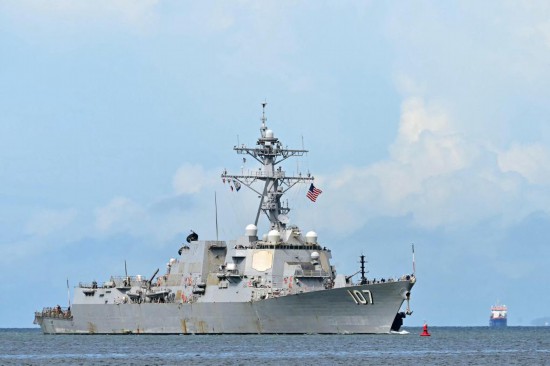
美最大航母已抵加勒比海 特朗普对马杜罗发出新信号
Xin Hua She· 2025-11-17 06:10
新华社北京11月17日电 美国海军16日发表声明说,美国最大航母"杰拉尔德·R·福特"号所率航母打 击群已进入加勒比海。美国总统特朗普同一天称,他可能会和委内瑞拉总统马杜罗进行一些磋商。 特朗普:可能进行磋商 美国海军声明说,"福特"号所率航母打击群已进入加勒比海,与已部署在加勒比海的美军"硫磺 岛"号两栖戒备群和舰载海军陆战队远征部队等会合,共同组成"南方之矛"联合特遣部队。 按照美方说法,目前美在加勒比海的军事部署已达30多年来最大规模。 特朗普当天晚间在佛罗里达州告诉记者,他可能会和马杜罗进行一些磋商,"我们将看看结果如 何"。 特朗普没有提供进一步细节,但他表示"委内瑞拉希望进行对话",美方将继续向马杜罗政府施 压。"我们正在阻止毒贩和毒品进入我们的国家。" 特朗普此前曾说,就美国下一步将对委内瑞拉采取的行动,他已经在"某种程度上做出决定"。 近期,美国以"缉毒"为由,在委内瑞拉附近加勒比海域部署多艘军舰。9月初以来,美军已在加勒 比海和东太平洋击沉超过20艘美方所谓"贩毒船",已造成80余人死亡。就在"福特"号航母抵达加勒比海 之际,美军16日宣布,15日又在东太平洋国际水域对一艘据称"载有非法毒品 ...
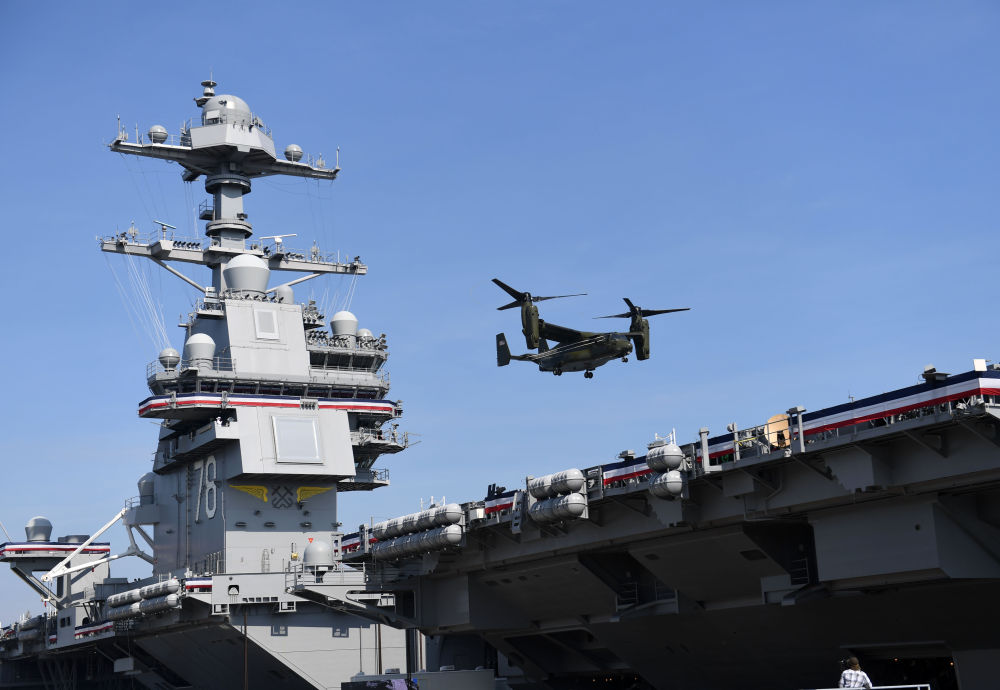
美国“福特”号航母、近12艘海军舰艇及约1.2万名水兵和海军陆战队员,在委内瑞拉附近集结
Xin Jing Bao· 2025-11-17 02:55
Group 1 - The core point of the articles highlights the significant military buildup by the United States in the Caribbean Sea, particularly with the arrival of the USS Ford aircraft carrier, which is part of a broader "anti-drug operation" aimed at increasing pressure on Venezuela [1][2] - Since early September, the U.S. has conducted 20 attacks on small drug trafficking vessels in the Caribbean and Eastern Pacific, resulting in at least 80 deaths, indicating a heightened level of military engagement in the region [1] - The U.S. Navy has assembled nearly 12 naval vessels and approximately 12,000 sailors and Marines in the area, marking a peak in military presence [1] Group 2 - The U.S. military's actions are perceived as a strategy to exert pressure on the Venezuelan government, with experts noting that the USS Ford may not be suitable for targeting drug trafficking organizations [1] - The U.S. Army Secretary has indicated readiness for potential military action against Venezuela, emphasizing ongoing training efforts in the region, including the reopening of a jungle school in Panama [1] - Despite the U.S. military's claims, reports from the Drug Enforcement Administration suggest that Venezuela is not a primary source of drugs entering the U.S., raising questions about the motivations behind the military presence [2]
马杜罗现场演唱列侬歌曲呼吁和平,喊话美国:先保全自己吧
Xin Jing Bao· 2025-11-17 02:36
Core Viewpoint - Maduro calls for the U.S. to cease military actions and emphasizes the need for respect towards Venezuela, criticizing U.S. military exercises near Venezuelan waters as irresponsible [1] Group 1 - Maduro performed a Lennon song at a public gathering, urging the U.S. to stop its military operations [1] - He stated that U.S. imperialist ships must leave Venezuela and highlighted the importance of respect for the country [1] - Maduro condemned the U.S. military exercises starting on the 16th as irresponsible and suggested that the U.S. should focus on its own issues first [1] Group 2 - Trump indicated on the 14th that he has made a decision regarding the next steps concerning Venezuela [1] - The Venezuelan government has repeatedly accused the U.S. of attempting to instigate regime change through military threats [1] - There are concerns about U.S. military expansion in Latin America as expressed by the Venezuelan government [1]
美陆军部长称随时待命对委内瑞拉采取行动
Yang Shi Xin Wen Ke Hu Duan· 2025-11-16 23:00
Core Viewpoint - The U.S. military is prepared to take action against Venezuela if ordered, with significant training activities ongoing in the region, including the reopening of a jungle school in Panama [1]. Military Preparedness - U.S. Army Secretary Driscoll indicated that the military is ready for potential operations against Venezuela, emphasizing extensive training in the area [1]. - The U.S. has deployed multiple warships in the Caribbean near Venezuela under the guise of anti-drug operations, despite reports indicating that Venezuela is not a major source of drugs entering the U.S. [1]. Political Context - President Trump mentioned that he has made decisions regarding the next steps against Venezuela but did not disclose specific details [1]. - Venezuelan President Maduro accused the U.S. of using military threats to instigate regime change in Venezuela and expand its military presence in Latin America [1].
美海军陆战队启动与特多联合军演
Yang Shi Xin Wen· 2025-11-16 15:56
Core Points - The U.S. Marine Corps has initiated joint military exercises with Trinidad and Tobago, scheduled from November 16 to 21 [1] - Prior to the exercises, former President Trump indicated a decision regarding future actions towards Venezuela, although specifics were not disclosed [1] - The U.S. Navy's Gerald R. Ford carrier strike group has arrived in the vicinity of Latin America, with no specific location provided [1] - U.S. Defense Secretary announced military operations against "drug terrorists" in the Western Hemisphere, named "Southern Strike" [1] - The U.S. has deployed multiple warships in the Caribbean near Venezuela under the pretext of drug enforcement [1] - Since early September, U.S. forces have sunk at least 20 vessels labeled as "drug trafficking boats," resulting in at least 80 fatalities [1] - Reports from the U.S. Drug Enforcement Administration indicate that Venezuela is not a primary source of drugs entering the U.S. [1] - The Venezuelan government has accused the U.S. of attempting to instigate regime change through military threats and expanding military presence in Latin America [1]
如何对付委内瑞拉 特朗普拿定主意了?
Xin Hua She· 2025-11-16 12:44
Core Points - The U.S. is set to conduct military exercises with Trinidad and Tobago from October 16 to 21, which has drawn criticism from Venezuelan President Maduro, labeling it as "irresponsible" [1][8] - President Trump has indicated that he has made a decision regarding the next steps the U.S. will take concerning Venezuela, although he has not disclosed specific details [5][7] Group 1: Military Actions and Strategy - The U.S. has increased its military presence in the Caribbean, with reports suggesting that military options against Venezuela include airstrikes on military or government sites and targeting drug trafficking routes [4][7] - The U.S. military deployment in the Caribbean is significant, with over 15,000 troops being assembled, marking one of the largest military operations in decades [7] - The U.S. has conducted at least 20 military operations in the Caribbean since September, resulting in approximately 80 casualties, primarily targeting Venezuelan vessels [7] Group 2: Political Reactions - Maduro has called for mobilization against U.S. military threats and has organized protests in response to the military exercises [10] - The Trinidad and Tobago government confirmed the joint military exercises with the U.S., which are the second such exercises in a month [10]
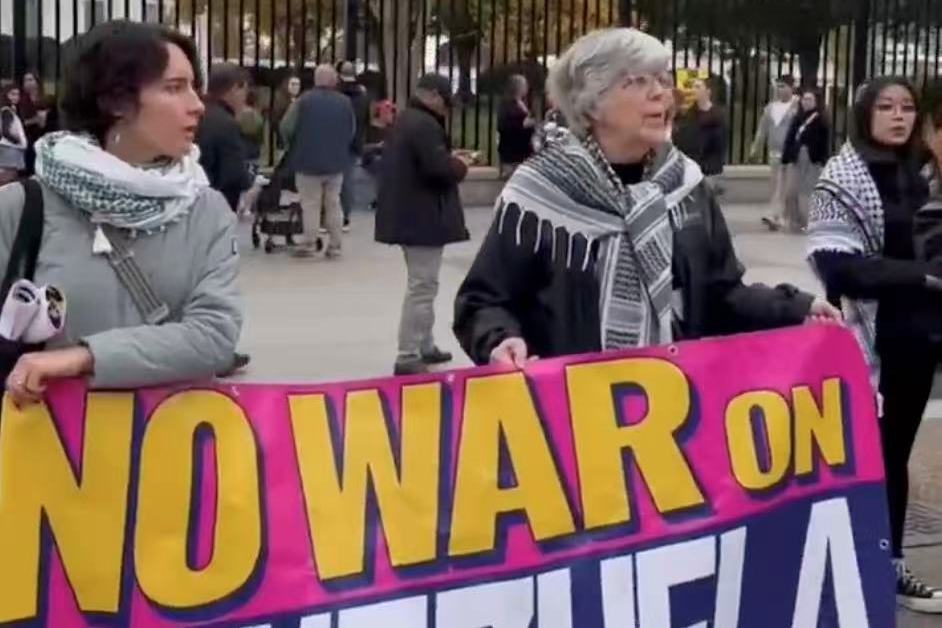
美白宫前民众抗议 反对美政府在加勒比地区军事行动
Yang Shi Xin Wen Ke Hu Duan· 2025-11-16 03:07
Group 1 - Protests have erupted outside the White House against the U.S. government's recent military actions in the Caribbean and Latin America [2][3] - Protesters are demanding an end to U.S. interference in Venezuela and opposing military aggression in the region [3] - The U.S. has deployed multiple naval vessels in the Caribbean Sea near Venezuela under the pretext of anti-drug operations, sinking at least 20 alleged drug trafficking boats since early September [3] Group 2 - Reports indicate that Venezuela is not a major source of drugs entering the U.S., contradicting the justification for military actions [3] - The Venezuelan government accuses the U.S. of attempting to instigate regime change through military threats and expanding its military presence in Latin America [3]
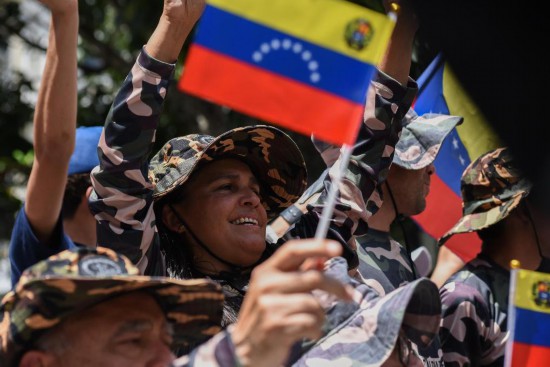
特朗普表示已对委内瑞拉问题“作出决定”
Xin Hua She· 2025-11-15 07:54
Core Viewpoint - The U.S. President Trump has indicated that he has made a decision regarding the next steps on Venezuela, but specific details cannot be disclosed [1] Military Actions - The U.S. has deployed several warships in the Caribbean under the pretext of drug enforcement, sinking approximately 20 alleged drug trafficking vessels since early September, resulting in over 70 deaths [1] - The U.S. Navy announced that the aircraft carrier Gerald R. Ford strike group has arrived in the waters surrounding Latin America, although its exact location has not been specified [1] Drug Trafficking Context - Recent reports from the U.S. Drug Enforcement Administration indicate that Venezuela is not a major source of drugs entering the U.S. [1] - The Venezuelan government has accused the U.S. of attempting to instigate regime change through military threats and expanding military presence in Latin America [1] International Relations - Venezuelan President Maduro has stated that U.S. military actions in the Caribbean represent a significant international challenge [1]