国防

Search documents
1000亿美元!亚马逊贝索斯拟成立新基金,收购传统制造企业
证券时报· 2026-03-22 13:26
Core Viewpoint - Jeff Bezos is planning to raise $100 billion to establish a new fund aimed at acquiring traditional manufacturing companies in key industrial sectors such as aerospace, semiconductor manufacturing, and defense, with a focus on modernizing and automating these industries through artificial intelligence (AI) technology [2]. Group 1: Fund and Acquisition Strategy - The fund is closely linked to Bezos's AI startup, Project Prometheus, which focuses on developing advanced AI models to address manufacturing and engineering challenges in industries like aerospace and automotive [4]. - The fund aims to acquire traditional manufacturing companies with established industrial foundations, enabling the application of Prometheus AI models to enhance production processes and efficiency [4]. - Bezos has been actively seeking funding support for this initiative, engaging with investment institutions in regions such as Singapore and the Middle East [4]. Group 2: AI Focus and Industry Impact - The new AI company, Project Prometheus, symbolizes inspiration and potential risks, reflecting the ongoing global debate about the risks and rewards of AI technology [7]. - The initiative aims to apply AI in manufacturing and engineering within the computing, automotive, and aerospace sectors, potentially reshaping the landscape of traditional manufacturing [7]. - If the fund successfully launches, the combination of $100 billion in funding and advanced AI technology could significantly accelerate the integration of AI into traditional industries [7]. Group 3: Comparison with Government Initiatives - In contrast to Bezos's private efforts, the Chinese government has implemented policies to promote AI in manufacturing, including a 2026 initiative to enhance the intelligence of equipment manufacturing and various industry sectors [8].

高盛闭门会-全球策略-HALO效应-人工智能时代重资产-低淘汰风险
Goldman Sachs· 2026-03-04 14:17
Investment Rating - The report indicates a positive outlook for capital-intensive sectors, suggesting a shift in investment preference towards these areas due to macroeconomic factors and structural changes in the market [1][3]. Core Insights - The report highlights a significant revaluation of capital-intensive assets post-pandemic, with a notable increase in their performance compared to light capital sectors, which had previously outperformed from 2010 to 2020 [1][3]. - It predicts a structural turning point in earnings, with capital-intensive sectors expected to see a 14% growth in EPS by 2026, surpassing light capital sectors for the first time in years [1][11]. - The macroeconomic environment is favorable for capital-intensive industries, with improvements in manufacturing and service sector PMI, and a recovery in the global capital expenditure to sales ratio [1][11]. Summary by Sections Investment Rating - The report suggests a favorable investment rating for capital-intensive sectors, particularly utilities, telecommunications, and defense, while cautioning about the light capital sectors due to competitive pressures [1][3]. Market Dynamics - The report discusses the "Halo Effect," where capital-intensive companies are expected to benefit from stable cash flows and lower risk of technological obsolescence, especially in the context of AI's impact on the market [4][5]. - It notes that the valuation gap between capital-intensive and light capital sectors has narrowed significantly, primarily driven by upward adjustments in the valuations of capital-intensive firms [5][6]. Earnings Forecast - Analysts forecast a 14% EPS growth for capital-intensive sectors in 2026, marking a significant shift in earnings expectations compared to light capital sectors [11]. - The report emphasizes that the performance of capital-intensive firms will be driven by earnings realization rather than mere valuation adjustments [11]. Macro Environment - The report identifies a positive macroeconomic backdrop for capital-intensive industries, with rising capital expenditure and a favorable manufacturing environment [12]. - It highlights the importance of monitoring fiscal spending and capital-intensive sectors such as infrastructure and defense for future performance [12]. Sector Analysis - The report categorizes industries based on capital intensity, noting that traditional sectors like utilities and telecommunications exhibit strong capital-intensive characteristics, while software and digital sectors lean towards light capital [5][10]. - It emphasizes the need for a nuanced approach to evaluating light capital sectors, particularly in light of competitive pressures and profit margin uncertainties [10][11].
90%的亏损,在买入那一刻就已经注定了
雪球· 2026-03-03 08:52
Core Viewpoint - The article discusses the extreme market differentiation observed in the A-share market, driven by geopolitical tensions, particularly in the Strait of Hormuz, which could significantly impact global oil supply and prices [3]. Market Performance - On March 3, the Shanghai Composite Index fell by 1.43%, and the ChiNext Index dropped by 2.57%, with total trading volume reaching 31,295 billion yuan, an increase of 1,088 billion yuan from the previous day [3]. - The oil and gas sector experienced a surge, with over 30 stocks hitting the daily limit, while nearly 4,800 stocks declined, including significant drops in defense and military (-6.74%), non-ferrous metals (-5.61%), and electronics (-5.30%) [3]. Investment Philosophy - The essence of investing lies in risk management rather than prediction. Investors should focus on controlling risks and making informed decisions about when to buy or sell stocks [4][5]. - Two primary methods for controlling investment risk are diversification and careful stock selection. Diversification serves as a defensive strategy, acknowledging the unpredictability of the market, while careful stock selection is an offensive strategy aimed at identifying certainty within a limited understanding [5][6]. Risk Management - Diversification involves creating a balanced portfolio across different industries and asset types, which helps mitigate losses when certain sectors underperform [5][6]. - Careful stock selection requires investors to assess their understanding of a company, its competitive advantages, and whether the current price offers a margin of safety. This process helps filter out risks [6][7]. Understanding Risks - The greatest risks in investing often stem from the investors themselves, such as chasing trends, frequent trading, and making impulsive decisions based on market fluctuations. These risks are avoidable [7]. - True risk is not merely market volatility but the permanent loss of capital, which is often determined at the moment of purchase. Understanding the relationship between risk and return is crucial, as high risk does not always equate to high returns [7][8]. Investment Mindset - Successful investors are those who can say "no" to unnecessary risks and maintain control over their investment decisions, including position sizing and entry prices [7][8]. - The article emphasizes that investing is a long-term journey, where patience and a focus on fundamental value are key to achieving favorable outcomes over time [9].

麦格理:韩国股市尽管已上涨160%但仍"便宜"
美股IPO· 2026-03-02 23:42
Core Viewpoint - Macquarie believes that despite several years of strong growth in the South Korean stock market, its valuation remains attractive, supported by earnings momentum and liquidity [1]. Group 1: Market Outlook - Analysts predict that the KOSPI index could approach 8,000 points by 2026, driven by strong earnings growth, ample liquidity, and favorable government policies [3]. - The market has risen 160% since 2024, yet it is still considered cheap relative to profit growth, with current trading prices estimated at about 9 times the earnings expected in 2026 [4]. Group 2: Earnings and Valuation - The speed of earnings upgrades has outpaced stock price increases, indicating that the current rally is primarily driven by fundamental earnings growth rather than valuation re-rating [5]. - Samsung Electronics and SK Hynix are expected to account for approximately 52% of total net profits in 2026 and about 90% of the growth portion [5]. Group 3: Industry Dynamics - The memory chip sector is facing the "most severe memory supply shortage in history," which is not expected to ease in the next two to three years due to AI demand absorbing supply [6]. - There is significant upside potential for memory prices, which the market has not fully reflected in current earnings forecasts [6]. Group 4: Supportive Policies and Trends - The South Korean government is encouraging a shift of household assets from real estate to stocks, with about 65% of household assets currently allocated to real estate compared to an OECD average of around 50% [6]. - Increased ETF inflows, stock buybacks, and planned repatriation of investment accounts are expected to provide incremental demand for the stock market [7]. Group 5: Sector Ratings - Macquarie maintains an overweight rating on memory, defense, power equipment, biotech/healthcare, shipbuilding, and the South Korean beauty industry [8].

伊美第三轮间接谈判举行
Xin Lang Cai Jing· 2026-02-26 19:41
Core Viewpoint - The U.S. aircraft carrier "Gerald R. Ford" has departed from its base in Greece and is heading to the Middle East amid ongoing indirect negotiations between Iran and the U.S. regarding nuclear issues [1][3][5]. Group 1: U.S. Military Movements - The "Gerald R. Ford" aircraft carrier left the Souda Bay naval base in Crete, Greece, and is expected to arrive in Israel within 24 hours [5]. - The deployment of the "Ford" carrier is part of a larger U.S. military buildup in the Middle East, which includes the presence of another carrier, the "Lincoln," creating a dual-carrier strike group [5]. Group 2: Iran-U.S. Negotiations - The third round of indirect negotiations between Iran and the U.S. is taking place in Geneva, focusing on nuclear issues, with Oman mediating the discussions [3][4]. - The U.S. is reportedly seeking an agreement that would make any nuclear deal with Iran "indefinitely valid" [3]. - Iran's Foreign Minister has stated that Iran has no intention of developing nuclear weapons, emphasizing a commitment to peaceful nuclear technology [3][4]. - Predictions from Iranian media suggest two possible outcomes for the negotiations: either a technical legal framework is established, marking a new phase of trust, or the talks could collapse, leading to heightened tensions [4].

在金融潮汐中把握财富节奏——读《周期与财富》
Shang Hai Zheng Quan Bao· 2026-02-23 18:37
Core Insights - The book "Cycles and Wealth" by Peter Oppenheimer explores the cyclical nature of financial markets and their impact on wealth creation and destruction, emphasizing the historical patterns that repeat over time [4][5][6]. Financial Market Cycles - Financial market cycles are influenced by economic trends, historical, cultural, and political factors, with elements like social equity, international cooperation, and technological innovation playing significant roles [4][5]. - The cyclical pattern in the stock market is characterized by four stages: despair, hope, growth, and optimism, each with distinct characteristics and average durations [5][6]. Stages of Stock Market Cycles - In the despair stage, stock prices decline significantly, with an average duration of 14 months and a year-on-year price-earnings ratio drop exceeding 30% [5]. - The hope stage sees stock prices rebound despite stagnant corporate profits, lasting about 10 months with an average annual return exceeding 60% [5]. - The growth stage, lasting approximately 45 months, features corporate profit growth outpacing price-earnings ratio increases, but with lower investment returns compared to other stages [6]. - The optimism stage lasts around 21 months, characterized by rising investor confidence and valuations exceeding profit growth, yielding an average annual return of about 30% [6]. Indicators of Market Transition - Key indicators for transitioning from bear to bull markets include valuation levels, economic growth, and interest rate trends, with historical data suggesting that low market valuations and specific economic indicators can signal market recovery [6][7]. Historical Super Cycles - The book outlines three major bull market super cycles post-World War II, each marked by unique economic conditions but sharing common traits such as low initial valuations and strong economic growth [7][8]. - The first cycle (1949-1968) saw a 1100% real return in the S&P 500, driven by post-war economic policies and technological advancements [7]. - The second cycle (1982-2000) was characterized by low volatility and high returns, with the S&P 500 generating over 1300% real returns [8]. - The third cycle (2009-2020) was marked by weak economic recovery and reliance on aggressive monetary policies, leading to significant disparities in wealth [8][9]. Post-Modern Cycle Characteristics - The post-modern cycle exhibits a blend of classical and modern cycle traits, with rising inflation and government spending alongside low economic growth and interest rates [10][11]. - This cycle presents new opportunities in sectors like carbon reduction and artificial intelligence, while also posing challenges due to rising labor costs and regulatory pressures [11][12]. Technological Impact - Technological advancements remain a crucial driver of economic and market growth, with historical patterns indicating that innovations often lead to speculative bubbles followed by corrections [12]. - The technology sector has consistently held a leading position in market capitalization, and future trends suggest a shift towards increased investment in defense, infrastructure, and green initiatives [12][13]. Nostalgic Economic Forces - There is a growing consumer interest in simpler, pre-internet experiences, which may benefit businesses that cater to nostalgic preferences, such as second-hand clothing platforms and vinyl record sales [13].

What's the next major catalyst for Japanese stocks? Goldman Sachs discusses
Youtube· 2026-02-19 09:04
Group 1: Japanese Market Dynamics - The upcoming meeting between Prime Minister Takahichi and President Trump on March 19 is expected to be a significant catalyst for the Japanese equities market [1] - Japanese stocks have shown strong performance, with the TOPIX up 15% and the NIKKEI up 16% year-to-date in dollar terms, while the S&P 500 is flat and NASDAQ is down 2% [6] - Japanese retail investors net sold approximately 400 billion yen worth of equity recently, raising questions about their return to the market [3] Group 2: Foreign Investment Trends - There is an expectation of increased foreign participation in the Japanese market, particularly from US dollar-denominated investors, as Japan has outperformed the US on a dollar-adjusted basis [6][7] - Historically, periods of increased foreign flows into the Japanese market have led to multiple expansions at the index level, driving market growth [7] - The duration of foreign investors' participation in Japan may depend on market volatility, with a more stable market potentially encouraging longer-term investments [12][13] Group 3: Sectoral Opportunities - Japan's industrial sectors, such as shipbuilding, factory automation, and defense, are expected to benefit from increased cooperation with the US, particularly in the context of re-industrialization [2][15] - The Japanese market is considered less exposed to AI-related disruptions compared to the US, making it a safer investment option for certain sectors [14][15] - The focus on industrials and critical resources aligns with Japan's strengths, suggesting potential for growth in these areas [15]

一场大战,又骤然逼近了
Xin Lang Cai Jing· 2026-02-18 23:54
Core Viewpoint - A new large-scale military conflict involving the United States and Israel against Iran is imminent, with significant military preparations underway and negotiations at a standstill [2][30]. Group 1: Military Preparations - The U.S. and Israel are reportedly planning a coordinated attack on Iran, targeting its ballistic missile program, the Revolutionary Guard, and potentially its leadership [3][30]. - Israel has raised its military readiness, anticipating retaliation from Iran even if Israeli forces do not directly participate in the attack [4][30]. - The U.S. is mobilizing military assets, including bombers and refueling aircraft, to the Middle East, with Trump indicating a willingness to use the Diego Garcia military base for strikes against Iran [6][30]. Group 2: Negotiation Stalemate - The negotiations between the U.S. and Iran are characterized by an unbridgeable gap, with the U.S. demanding Iran abandon its nuclear program entirely, including civilian aspects [11][36]. - The U.S. aims to weaken Iran significantly, potentially leading to a situation similar to Venezuela, which Iran is unlikely to accept [11][36]. Group 3: Iranian Response - Iran is preparing for potential conflict by deploying military forces in the Strait of Hormuz and enhancing its defensive capabilities, including fortifying nuclear facilities [12][38]. - The Iranian leadership has expressed readiness for martyrdom, indicating a high level of commitment to resist U.S. aggression [39][14]. Group 4: Implications of Conflict - The likelihood of conflict is high, with the potential for a prolonged military engagement rather than a quick resolution [16][22]. - The Iranian regime is in a precarious position, facing existential threats from U.S. demands and the possibility of military action [21][46]. - The situation reflects broader geopolitical tensions, with the potential for regional escalation involving groups like Hezbollah and the Houthis [39][22].

高盛将日本股票配置上调至超配
Xin Lang Cai Jing· 2026-02-17 04:10
Group 1 - Goldman Sachs has upgraded its allocation of Japanese stocks from "neutral" to "overweight" [1] - The 12-month target for the Tokyo Stock Exchange index has been raised from 3900 points to 4300 points [1] - The upgrade is based on the belief that Prime Minister Fumio Kishida's recent election victory will lead to increased foreign capital inflows and valuation expansion at the index level [1] Group 2 - Goldman Sachs strategists are optimistic about Japanese stocks related to defense, critical resources, shipbuilding, electric power resources, U.S. re-industrialization themes, and corporate governance reforms [1]
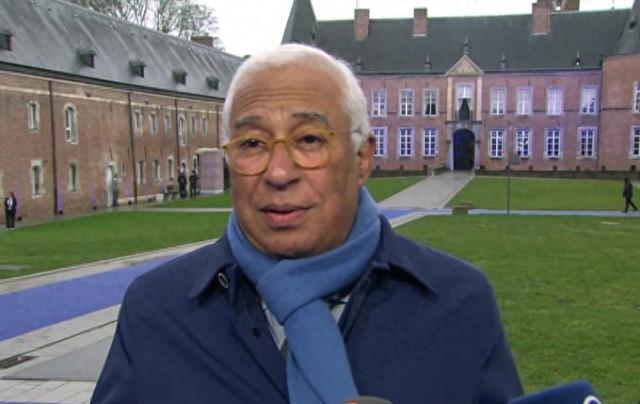
欧盟找了个城堡开闭门会:怎么在激烈的中美竞争下生存下去
Xin Lang Cai Jing· 2026-02-12 15:26
Core Viewpoint - The EU leaders convened to address the urgent need to enhance competitiveness amid economic downturns and geopolitical risks, focusing on energy costs and internal market operations [1][3]. Group 1: Economic Competitiveness - The meeting's primary agenda was to find ways to lower energy costs and improve the functioning of the EU's internal market to help European businesses remain competitive against the US and China [1][3]. - European industrial electricity prices are reported to be more than double those in the US and China, highlighting the urgent need for a unified energy market [3][4]. - The EU is considering the "European priority" policy to support local industries in strategic sectors like clean technology, chemicals, steel, automotive, and defense [4][5]. Group 2: Divergence Among Member States - There are significant disagreements among EU member states regarding the implementation of the "European priority" policy, with countries like France advocating for it while others, including Germany and Ireland, express concerns about maintaining free trade principles [5][6]. - The meeting is expected to reveal whether member states can overcome their individual interests to reach a collective action plan [8][9]. Group 3: Regulatory Challenges - EU leaders discussed the need to reduce excessive regulations that complicate business operations, such as differing weight limits for trucks across borders [8][9]. - The current global economic order is perceived as fragile, with calls for a shift from a confederation to a federation to enhance decision-making and unity among member states [8][9]. Group 4: Historical Context and Meeting Significance - The choice of a castle for the meeting symbolizes a retreat from public scrutiny, allowing leaders to engage in serious discussions about Europe's future [10][12]. - Historical precedents show that such secluded meetings have been used to address critical issues, indicating the importance of the current discussions for the EU's stability and competitiveness [12][13].