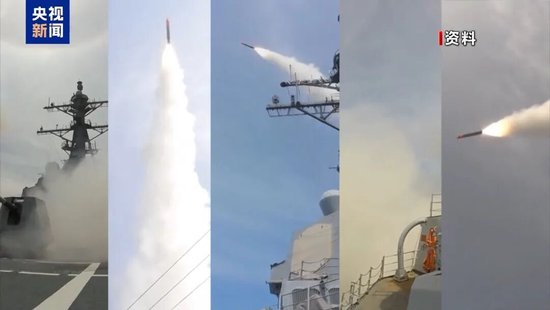
军事威慑

Search documents
美伊“极限施压”与军事对峙态势
制裁名单· 2026-02-26 23:02
Group 1 - The core viewpoint of the article is that the Trump administration is initiating a dual-track approach of "economic strangulation" and "military deterrence" against Iran, aiming to cut off its funding sources and military capabilities while setting a strong military backdrop for nuclear negotiations in Geneva [1] Group 2 - The new sanctions are targeted, focusing on Iran's "shadow economy" and its military supply chains, rather than a broad blockade [2] - The sanctions will specifically target the "shadow oil tanker" fleet registered in offshore locations like Panama and the Marshall Islands, aiming to seize vessels and cut off hundreds of millions in oil revenue [2] - The military strategy has shifted from a defensive posture to an offensive pre-positioning, with significant naval deployments including the "Abraham Lincoln" aircraft carrier in the Gulf of Oman and a second carrier in the Mediterranean [5] Group 3 - The U.S. military presence in the Middle East has fundamentally changed, moving away from a strategy of avoidance to direct military coordination with Israel [5] - The deployment includes 13 missile destroyers, marking the largest naval assembly in 20 years, and advanced missile defense systems like THAAD and Patriot being sent to Jordan, Kuwait, and Saudi Arabia [5] Group 4 - The Geneva talks between the U.S. and Iran are currently at a structural impasse, with the U.S. demanding the permanent dismantling of key nuclear facilities and the surrender of all enriched uranium, while Iran insists on retaining its enrichment rights [7] - Iran is under pressure to lift sanctions to quell domestic unrest due to economic weakness, but the U.S. maintains a "compliance first, sanctions relief later" stance [7]


伊朗陆军称密切监控边境敌方动向
Xin Lang Cai Jing· 2026-02-23 04:15
Core Viewpoint - Iran is actively monitoring all enemy movements along its borders to identify and eliminate potential threats to national sovereignty and territorial integrity, emphasizing that full combat readiness is a key deterrent against enemy miscalculations and hostile actions [1] Group 1 - The Iranian Army, led by Commander Ali Jahanshahi, is conducting continuous surveillance of border areas [1] - The focus is on detecting and neutralizing any threats to Iran's sovereignty and territorial integrity [1] - Full combat readiness is highlighted as a primary means to prevent enemy misjudgments and hostile actions [1] Group 2 - The U.S. has recently amassed significant military forces in the Middle East [1] - President Trump has acknowledged that he is considering a "limited military strike" against Iran [1]
环球时报:专家谈美军机现身黄海的两种目的
Xin Lang Cai Jing· 2026-02-20 12:24
Core Viewpoint - The recent activities of U.S. military aircraft in the Yellow Sea are perceived as attempts to create tension during a holiday period, while the Chinese military's readiness reflects a strong commitment to national security [1] Group 1: U.S. Military Activities - U.S. military aircraft from South Korea conducted operations in the Yellow Sea, an area where such activities are rare, indicating a specific strategic intent [1] - The U.S. military's actions are interpreted as either reconnaissance to monitor Chinese military movements or as a means to exert strategic pressure on China [1][1] - The presence of U.S. F-16 fighter jets in the region led to a brief standoff with Chinese aircraft, highlighting the potential for direct confrontations [1] Group 2: Chinese Military Response - The Chinese military responded promptly to U.S. activities, maintaining a state of vigilance and readiness to safeguard national sovereignty [1] - Historical patterns suggest that the Chinese military increases its readiness during significant national holidays to ensure security and stability [1] - The Chinese military's public communications emphasize their preparedness to respond to any unexpected situations, reinforcing their commitment to national defense [1]
五角大楼周边披萨订单成倍增长!美军公布大消息:三位重量级人物登上林肯号航母
Mei Ri Jing Ji Xin Wen· 2026-02-08 23:35
Group 1: Iran-US Nuclear Talks - The Iranian President stated that the talks with the US, facilitated by friendly regional countries, represent a "step forward" towards resolving issues peacefully [1][13] - Iran's stance on nuclear issues is based on the rights outlined in the Treaty on the Non-Proliferation of Nuclear Weapons, emphasizing respect and rejecting coercive language [1][13] - Indirect negotiations between Iran and the US took place in Muscat, Oman, with the US President reaffirming that Iran cannot possess nuclear weapons [1][5][18] Group 2: US Military Presence and Pressure on Iran - The US has increased military presence in the Middle East, including the deployment of multiple ships, indicating a threat of military intervention despite ongoing negotiations [5][17] - A US F-35C fighter jet shot down an Iranian drone near the USS Abraham Lincoln, showcasing the heightened military tensions [5][17] - The US government has issued sanctions against entities related to Iranian oil trade, further applying pressure on Iran during the negotiations [6][18] Group 3: Israel's Involvement - Israeli Prime Minister Netanyahu is set to visit Washington to discuss the Iran negotiations with President Trump, indicating Israel's active role in the diplomatic process [7][19] - The meeting was originally scheduled for later in February but has been moved up, highlighting the urgency of the discussions [8][19] Group 4: Iran's Position on Nuclear Enrichment and Missiles - Iran's Foreign Minister stated that the country will not abandon uranium enrichment or negotiate its missile program, asserting these are non-negotiable rights [10][21] - Iran is prepared to lower the enrichment levels but will not transfer uranium out of the country, maintaining a firm stance on its nuclear rights [10][21] - The Iranian military is on high alert, ready to respond to any threats, emphasizing the potential for conflict if diplomatic solutions are not reached [12][23]
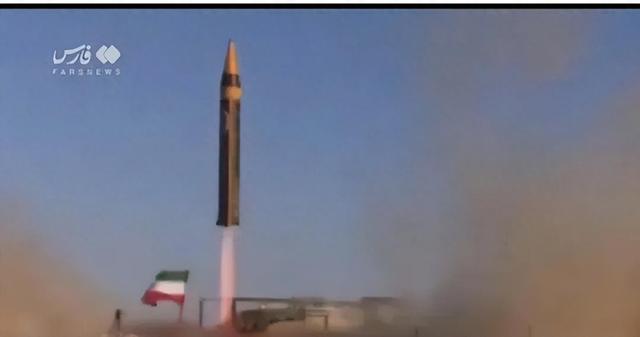
伊朗军方:弹道导弹技术升级 威慑力量增强
Xin Lang Cai Jing· 2026-02-05 00:40
Core Viewpoint - Iran has enhanced its deterrent capabilities through comprehensive technical upgrades to its ballistic missiles, shifting its military doctrine from defensive to offensive following recent conflicts with Israel [1] Group 1: Military Developments - Iran's Chief of Staff, Mousavi, stated that the country is prepared to respond to any actions from adversaries, indicating a readiness for military engagement [1] - The military doctrine of Iran has transitioned to an offensive stance, aiming to deliver devastating strikes against enemies after the "12-day war" with Israel [1] Group 2: Regional Tensions - The United States has been increasing military threats towards Iran and has deployed additional military forces in the region, urging Iran to negotiate and reach an agreement [1] - Following a large-scale airstrike by Israel on multiple Iranian locations in June 2025, Iran retaliated with missile and drone attacks on various targets within Israel [1] Group 3: Diplomatic Engagement - Iran's Foreign Minister, Araqchi, announced that negotiations regarding nuclear issues with the United States will take place on June 6 in Muscat, Oman [1] - The conflict between Iran and the U.S. escalated when the U.S. bombed Iranian nuclear facilities, leading to Iran's missile strikes on the U.S. military base in Al Udeid, Qatar [1]
谈还是打?美仍对伊朗维持“战略模糊”
Yang Shi Xin Wen· 2026-02-02 02:38
Group 1 - The core viewpoint of the articles revolves around the escalating tensions between the U.S. and Iran, with both sides signaling a willingness to engage in dialogue while maintaining military readiness [1][3][5] - U.S. President Trump indicated that Iran is "dialoguing" with the U.S., but he refrained from confirming any final decision regarding military action against Iran [3][5] - Iranian Supreme Leader Khamenei issued a stern warning that any U.S. provocation could lead to a regional war, emphasizing Iran's resolve to protect its national interests [12][13] Group 2 - Iranian Foreign Minister Zarif expressed confidence in reaching an agreement with the U.S. regarding nuclear issues, despite a loss of trust in the U.S. as a negotiating partner [7][14] - The U.S. military showcased the readiness of its deployed destroyers in the Middle East, interpreted as a deterrent signal amid rising tensions [9][14] - Israeli military officials reportedly visited Washington to discuss potential military actions against Iran, indicating a collaborative approach between the U.S. and Israel regarding Iran [11][14] Group 3 - Analysts suggest that the Trump administration is hesitant to engage in military action against Iran due to concerns over Iran's retaliatory capabilities, making negotiations a lower-cost option for achieving U.S. objectives [14][15] - The U.S. demands from Iran, including limitations on missile development, are seen as crossing Iran's "red lines," complicating the potential for an agreement [15] - The current situation is characterized as a transitional phase where both sides are preparing for conflict while being cautious of actual military engagement [15]
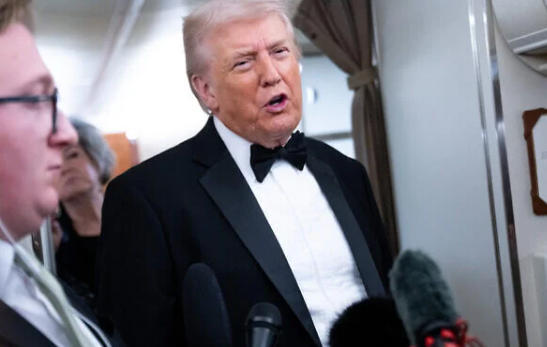
普京见伊朗高官,特朗普再发“通牒”
Hua Xia Shi Bao· 2026-01-31 11:56
Group 1 - The core viewpoint of the articles indicates that President Trump believes Iran is interested in reaching an agreement with the U.S., and he has communicated a deadline for this agreement, although he did not disclose specific dates [1][3] - Trump mentioned that a significant U.S. naval fleet is heading towards Iran, which is larger than the fleet deployed near Venezuela, suggesting a strong military presence in the region [3] - Israeli intelligence has reportedly provided the U.S. with information regarding Iran's ballistic missile program, indicating ongoing concerns about Iran's military capabilities [3][4] Group 2 - The U.S. Treasury Department has announced a new round of sanctions against Iran, targeting several high-ranking officials, including the Iranian Interior Minister and members of the Islamic Revolutionary Guard Corps [7] - Iranian President Raisi has stated that Iran does not welcome war and prefers to resolve issues through dialogue, but will respond decisively to any acts of aggression against the nation [7]
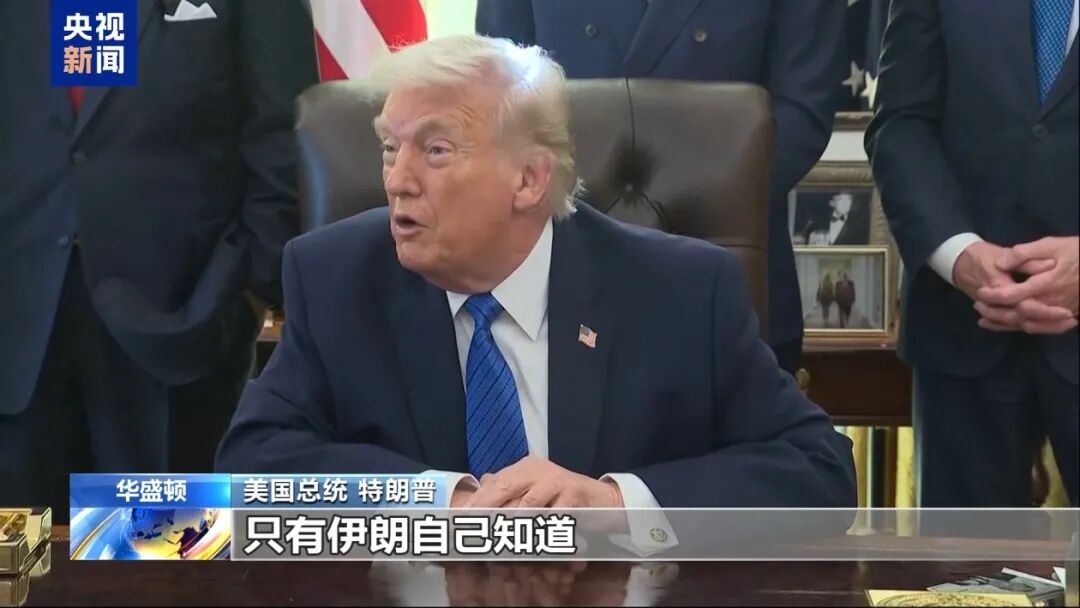
美国伊朗 濒临开战
Xin Lang Cai Jing· 2026-01-29 18:46
Group 1 - The core of the escalating tensions between the US and Iran is driven by military and diplomatic actions from Washington, including the potential for significant military strikes against Iran and the deployment of the USS Abraham Lincoln carrier strike group to the region [1][2] - The US has issued a series of harsh diplomatic demands to Iran, including the permanent cessation of uranium enrichment, new restrictions on ballistic missile programs, and halting support for regional proxy forces, with the missile range limitation being a major sticking point [2][3] Group 2 - Iran has adopted a hardline stance in response to US military threats, with officials warning that any military action would be viewed as the start of a war, promising immediate and unprecedented retaliation [3][4] - Regional countries are deeply concerned about the potential for conflict, with several nations, including Turkey and Qatar, engaging in urgent diplomatic efforts to de-escalate tensions, while traditional US allies like Saudi Arabia have stated they will not support military actions against Iran [4][5]
特朗普发出“最后通牒”,敦促伊朗进行谈判并达成协议,否则将动武,伊朗表态
Huan Qiu Wang· 2026-01-29 01:33
Core Viewpoint - The article discusses President Trump's ultimatum to Iran, urging negotiations for a mutually beneficial agreement, while threatening more severe military action if negotiations fail [1][3]. Group 1: U.S. Military Actions - A large naval fleet led by the USS Abraham Lincoln is heading towards Iran, prepared for rapid action [3]. - Trump warns that the next military strike against Iran will be more intense than the previous "midnight hammer" operation that occurred in June [3]. Group 2: Iran's Response - Iranian Foreign Minister Zarif states that Iran's armed forces are ready to respond swiftly and forcefully to any aggression against its territory, airspace, or waters [3].
美国重兵压境,伊朗已进入最高战备状态
Xin Lang Cai Jing· 2026-01-27 01:05
Core Viewpoint - The situation in the Middle East is escalating, with the U.S. deploying the USS Abraham Lincoln aircraft carrier strike group to the region, while Iran and its allies prepare for potential military conflict in response to perceived threats from the U.S. and Israel [1][21][30]. Military Deployments - The USS Abraham Lincoln strike group, which includes the Lincoln aircraft carrier, the Mobile Bay guided-missile cruiser, and several destroyers, has been confirmed to be deployed to the Middle East [1][21]. - Multiple U.S. naval vessels, including the Arleigh Burke-class destroyers Mitchell and McFaul, as well as amphibious command ships and submarines, are operating in the waters surrounding Iran [4][24]. - U.S. Air Force aircraft, including F-35A, F-15E, F-16 fighters, P-8A maritime patrol aircraft, MQ-9 drones, and KC-135 refueling aircraft, have been deployed to the Middle East from Germany [6][26]. Preparedness and Responses - The U.S. military is set to conduct several days of readiness exercises in the Middle East to demonstrate its capability to maintain air combat power in the region [8][28]. - Iran has declared a state of maximum readiness, asserting that it will respond decisively to any aggression, emphasizing that its response will not be limited to U.S. military bases or equipment [10][32]. - Hezbollah's leadership has warned that any military action against Iran could lead to broader regional conflict, indicating a potential for escalation [12][34]. Strategic Objectives - Reports suggest that the U.S. acknowledges regime change in Iran as a fundamental goal, with discussions between U.S. Central Command and Israeli defense officials focusing on regional security and the Iranian threat [35][42]. - Israel is preparing for potential fallout from U.S. military actions against Iran, with heightened alert status and emergency plans for evacuating tourists in case of conflict [16][40]. Regional Concerns - Middle Eastern countries, including Saudi Arabia, Qatar, and Oman, express concerns over U.S. military intervention in Iran, fearing it could ignite widespread regional instability [20][42].